Elon Musk’s Neuralink is one of the most fascinating and polarizing ventures in the world of technology and neuroscience. Founded with the ambitious goal of bridging the gap between humans and machines, Neuralink has sparked both excitement and controversy. The company’s journey, technological advancements, and the ethical debates surrounding its evolution are worth exploring.
The Birth of Neuralink
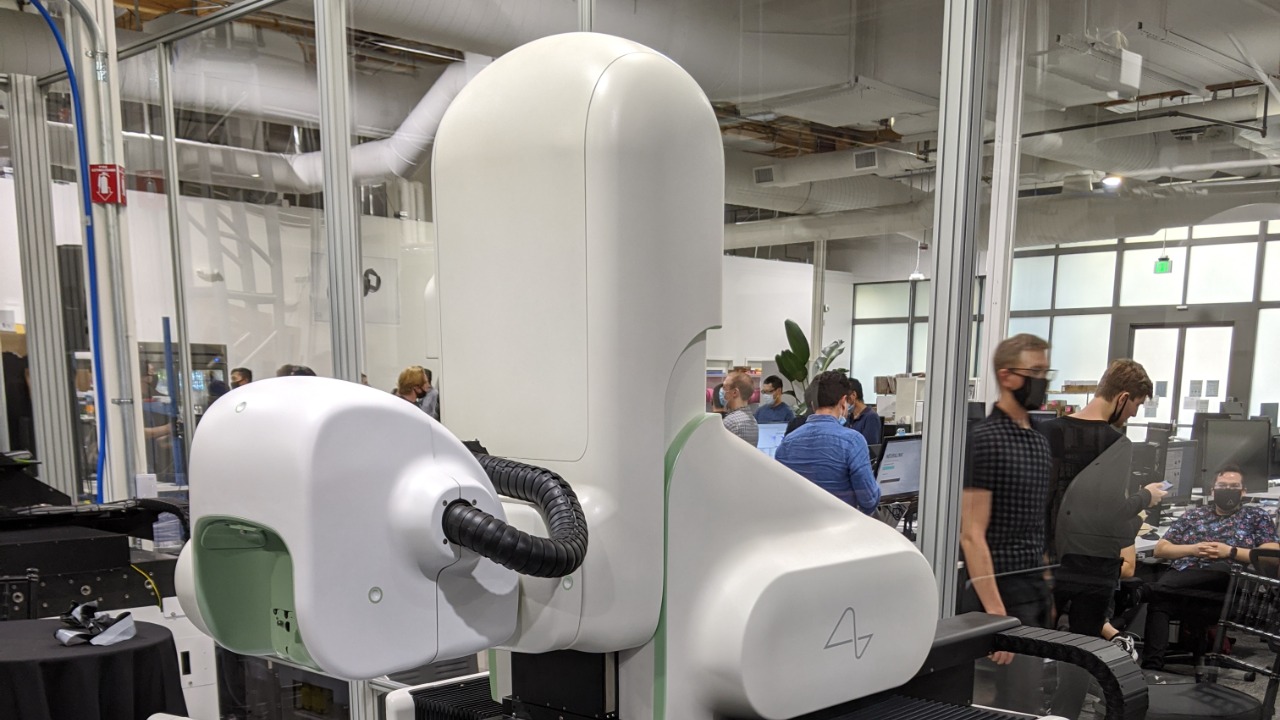
Founded in 2016 by Elon Musk, Neuralink seeks to create a symbiosis between humans and computers. Musk envisioned a future where brain-machine interfaces could help humans keep pace with artificial intelligence. The primary goal at the outset was to develop a device that could be implanted in the brain to facilitate direct communication between the human mind and computers.
Early challenges for Neuralink included the complexity of the human brain and the intricacies of safely implanting technology within it. The initial objectives were ambitious, aiming to revolutionize how humans interact with machines. Compared to existing technologies at the time, Neuralink’s vision of a seamless brain-computer interface was groundbreaking. Unlike traditional brain-computer interfaces, which were often cumbersome and limited in capability, Neuralink aimed to create a more integrated and efficient solution.
Technological Breakthroughs
A key innovation of Neuralink is the development of the “neural lace,” a technology designed to enable a seamless connection between the brain and external devices. The neural lace consists of ultra-thin threads implanted into the brain, capable of detecting and transmitting neural signals. This approach not only aims to enhance communication between humans and machines but also holds potential for medical applications, such as treating neurological disorders.
Advancements in surgical robotics have been crucial to Neuralink’s progress. The company has developed sophisticated robots capable of precisely implanting neural threads into the brain. These robots are designed to minimize risk and enhance the accuracy of the implantation process, a critical factor in ensuring the safety and efficacy of the technology. Neuralink has demonstrated its capabilities through various live updates, showcasing the potential of its brain-machine interface technology.
Ethical and Safety Concerns
Neuralink has faced significant ethical scrutiny, particularly concerning its use of animal testing. The company’s experiments on animals have sparked debate and drawn criticism from animal rights organizations. While Neuralink argues that animal testing is necessary to ensure the safety and effectiveness of its technology, critics raise concerns about the ethical implications of such practices.
As Neuralink progresses toward human trials, safety protocols and ethical considerations become increasingly important. The transition from animal testing to human trials involves a rigorous evaluation of the risks and benefits, ensuring that participants’ well-being is prioritized. Additionally, long-term implications on privacy and security are major concerns. The potential misuse of brain data and its impact on individual privacy cannot be overlooked, raising questions about how such sensitive information will be protected.
Global Impact and Regulatory Challenges
Neuralink’s influence extends beyond its own technological advancements, significantly impacting the neurotechnology industry. Its progress has inspired other startups and research institutions to explore similar innovations, fostering growth and competition within the field. However, the path to widespread adoption is fraught with regulatory challenges. Obtaining approvals from health authorities is a complex and often lengthy process, requiring extensive documentation and evidence of safety and efficacy.
Internationally, perspectives on Neuralink’s technology vary. While some countries express enthusiasm and interest in potential collaborations, others remain cautious, emphasizing the need for stringent regulations and ethical guidelines. The global reaction to Neuralink’s advancements highlights the diverse attitudes toward neurotechnology and reflects broader discussions about the role of technology in society.
Future Prospects and Public Perception
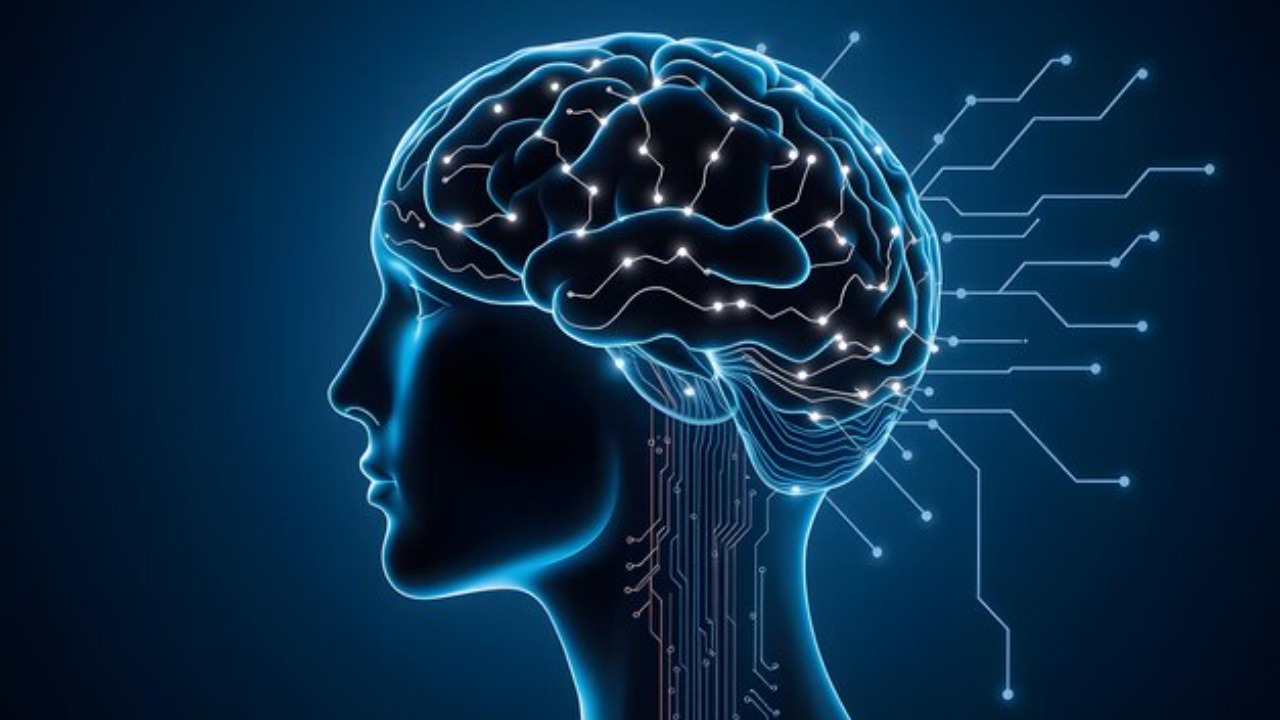
Looking ahead, the potential applications of Neuralink’s technology extend beyond the medical field. Speculation abounds regarding its ability to enhance cognitive abilities, improve memory, and integrate with virtual reality systems, offering new possibilities for human-machine interaction. Such advancements could revolutionize how we experience and interact with the digital world, but they also raise questions about the ethical implications of enhancing human capabilities.
Public perception of Neuralink is shaped by various factors, including media portrayals and individual attitudes toward technology. While some view Neuralink as a pioneering force in the realm of neurotechnology, others express skepticism and concern about its implications. The narrative around Neuralink is influenced by both support and criticism, reflecting broader societal debates about the integration of technology into human life.
The road ahead for Neuralink is paved with both opportunities and challenges. As the company continues to develop its technology, its impact on society and technology will be closely watched. The balance between innovation and ethical responsibility will be crucial in determining Neuralink’s legacy in the world of neurotechnology.
