
Elon Musk, the visionary entrepreneur behind Tesla and SpaceX, has announced an ambitious new project: to simulate software companies like Microsoft using artificial intelligence. Dubbed “Macrohard,” this innovative endeavor aims to revolutionize the software industry by creating AI-driven solutions that rival traditional software giants. This exploration delves into Musk’s latest venture, its potential impact on the tech landscape, and the challenges it may face.
The Vision Behind Macrohard
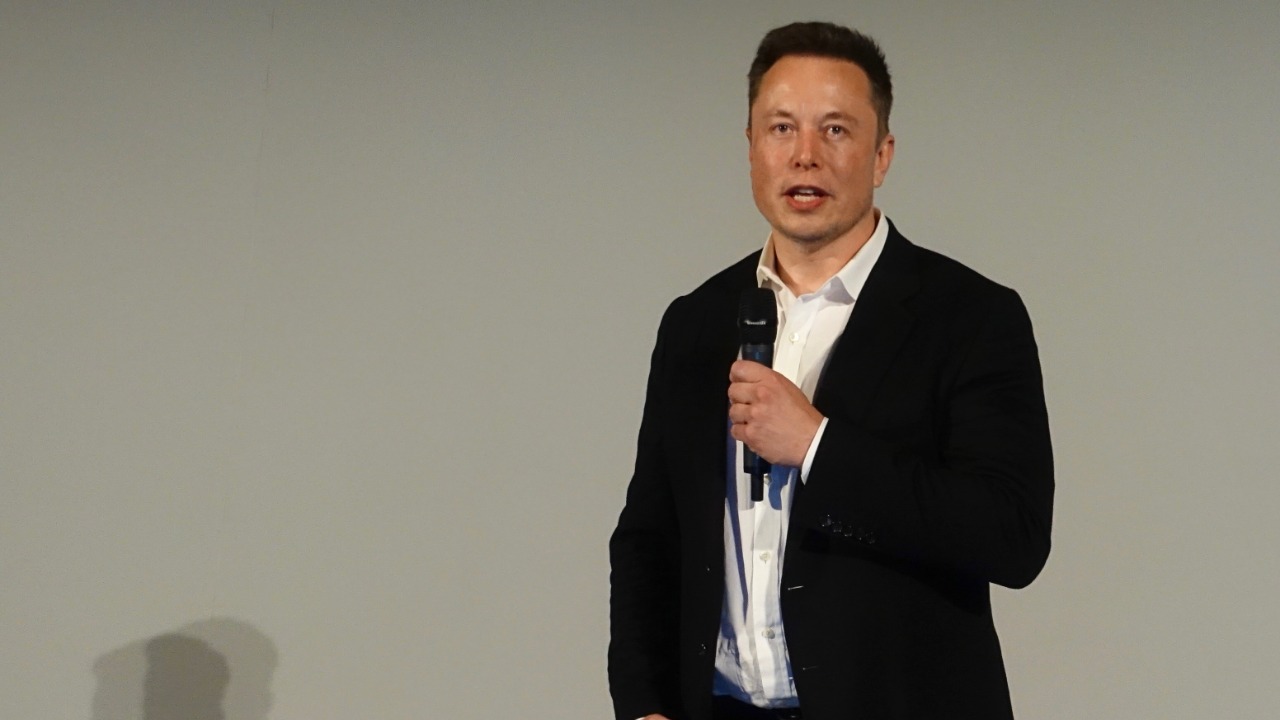
Elon Musk’s drive to innovate is evident in his past ventures, from revolutionizing electric vehicles with Tesla to exploring space travel through SpaceX. With Macrohard, Musk is once again pushing boundaries, this time in the realm of artificial intelligence and software development. His vision is not just to compete with established software companies but to fundamentally change how these entities operate by leveraging AI to simulate their processes and offerings.
The concept of “simulating” a software company like Microsoft with AI is ambitious. It involves replicating the functionalities and services offered by these giants using advanced AI instead of traditional human-driven processes. This idea goes beyond traditional software development, suggesting a future where AI can independently create, manage, and troubleshoot software systems, potentially reducing human intervention in the software lifecycle.
The potential impact of Macrohard on the software industry could be profound. By introducing AI-driven solutions, Macrohard might change how software is perceived and utilized. The shift could lead to more efficient, adaptable, and scalable software systems, challenging existing paradigms and encouraging other companies to rethink their approaches to software development.
The Technical Framework of Macrohard
Macrohard relies on state-of-the-art AI technologies to achieve its ambitious goals. Techniques such as machine learning, natural language processing, and neural networks are expected to play a crucial role in enabling the simulation of complex software systems. These technologies are designed to mimic human cognitive functions, allowing AI to perform tasks traditionally handled by software engineers and developers.
Developing a robust AI ecosystem is essential for Macrohard’s success. This involves creating an integrated environment where AI can operate seamlessly to sustain software operations. The ecosystem must support various aspects of software development, including coding, testing, deployment, and maintenance, all driven by AI’s ability to learn and adapt over time. The challenge lies in ensuring that this ecosystem is resilient and reliable enough to handle the complexities of modern software systems.
Building a scalable AI infrastructure is another significant challenge for Macrohard. Competing with established software companies requires a framework that can handle large-scale operations and deliver high-quality results consistently. This involves addressing issues such as data storage, processing power, and AI model optimization to ensure that the infrastructure can grow and evolve alongside technological advancements.
Challenges and Criticisms

As with any groundbreaking initiative, Macrohard faces a host of challenges and criticisms. Regulatory and ethical concerns are at the forefront, as the introduction of AI-driven software solutions could lead to issues related to data privacy, security, and accountability. Policymakers will need to work closely with tech companies to establish guidelines that ensure ethical and responsible AI use.
Skepticism from industry leaders is another hurdle for Musk’s vision. Critics question the feasibility of simulating entire software companies with AI, citing the complexity and unpredictability of software development. Some experts argue that while AI can assist in various aspects of the process, fully replacing human expertise may not be realistic or desirable.
There is also the risk of AI dependency, which could arise if companies rely solely on AI for software development and management. This dependency might lead to vulnerabilities, especially if AI systems encounter unforeseen issues or fail to adapt to rapidly changing environments. Balancing AI’s capabilities with human oversight will be crucial to mitigating these risks.
Implications for the Tech Industry
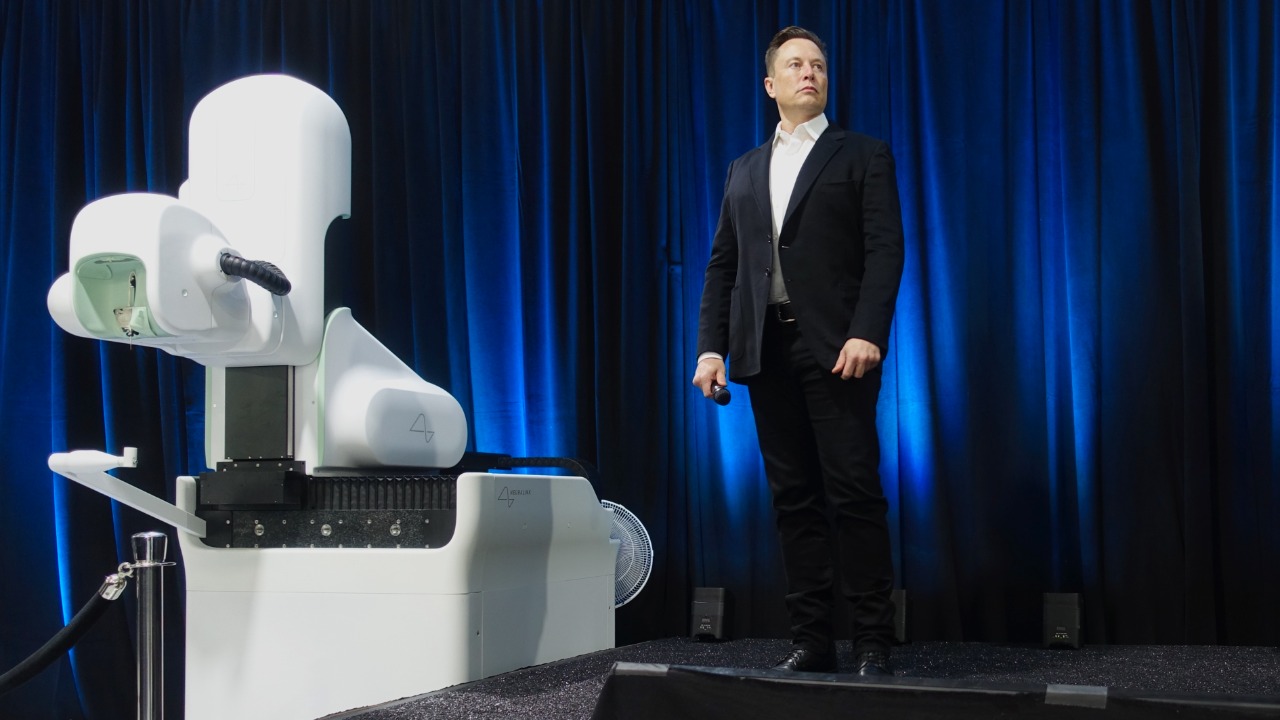
Macrohard has the potential to shift paradigms in software development by redefining the traditional software lifecycle. AI-driven development could lead to faster, more efficient processes, allowing companies to innovate and deliver products more quickly. This shift may also encourage a move towards more flexible and adaptable software models that can better meet the needs of users.
The competitive response from tech giants like Microsoft could be significant. As Macrohard gains traction, established companies may be forced to adopt AI-driven strategies themselves to remain competitive. This could lead to increased investment in AI research and development, further accelerating advancements in the field.
Opportunities for innovation abound as Macrohard inspires new waves of creativity within the tech industry. By challenging the status quo, Musk’s project could encourage entrepreneurs and developers to explore novel applications of AI, resulting in a more dynamic and diverse tech landscape. This environment could foster the emergence of new startups and technologies that continue to push the boundaries of what is possible.
The Future of AI in Software
The long-term vision for AI-driven companies is one where AI leads the way in technological advancements and business models. As AI continues to evolve, it could play an increasingly central role in shaping the future of software development and other industries. Companies like Macrohard may serve as pioneers, demonstrating the potential of AI to transform traditional business practices.
Macrohard’s potential to inspire further exploration and integration of AI across various sectors is significant. By showcasing the capabilities of AI, Musk’s project could encourage other industries to adopt similar approaches, leading to widespread innovation and efficiency improvements. The ripple effect of this transformation could be felt across numerous fields, from healthcare to finance and beyond.
Imagining a world where AI-simulated companies are commonplace raises intriguing societal and economic questions. As AI takes on roles traditionally filled by human-led companies, there may be shifts in employment, economic structures, and social dynamics. The challenge will be to ensure that these changes benefit society as a whole, promoting growth and prosperity while addressing potential disparities and disruptions.
