
Elon Musk, the CEO of Tesla, has recently accused New Jersey officials of corruption following the decision to remove Tesla Superchargers from the New Jersey Turnpike. This move, which has sparked widespread debate, has raised questions about the motivations behind the decision and its potential impact on the future of electric vehicle infrastructure in the state.
The Decision to Remove Tesla Superchargers
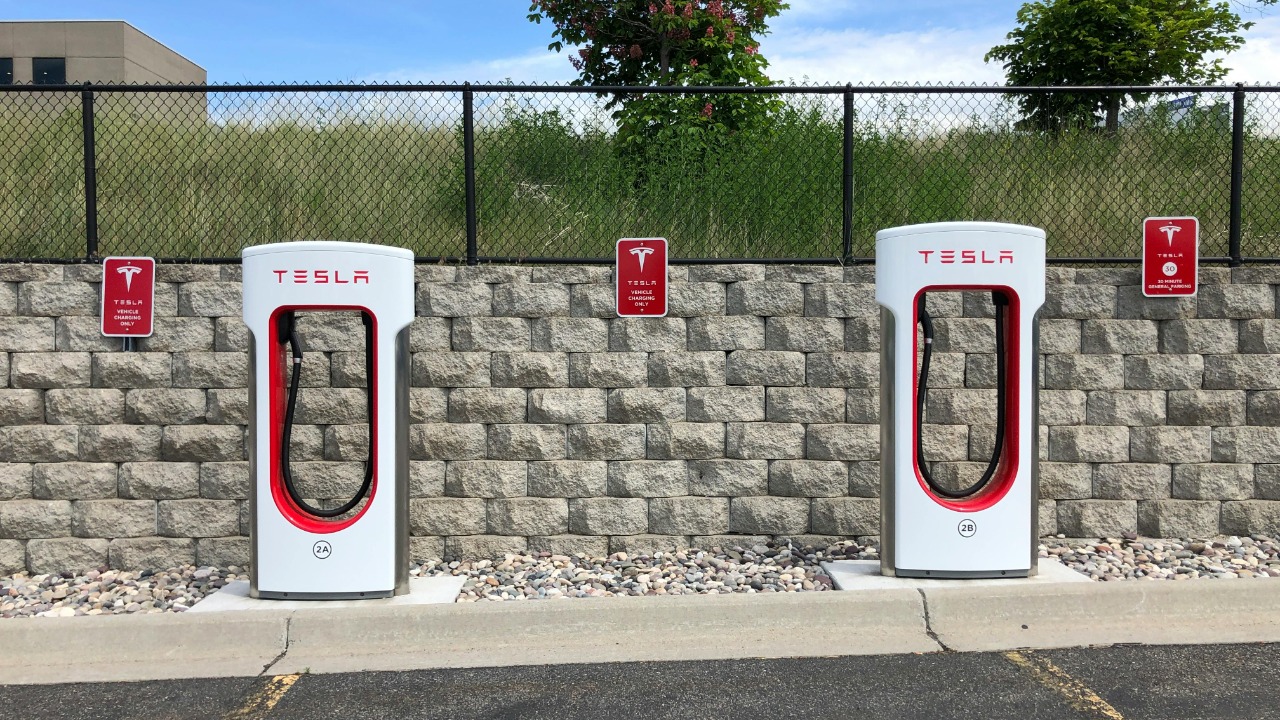
The New Jersey Turnpike Authority’s decision to remove Tesla Superchargers has been met with both confusion and frustration. Officially, the Authority has cited a need to standardize charging infrastructure across the state as a primary reason. The decommissioning, which is set to occur over the next few months, has been outlined in a series of statements that emphasize a shift towards a more inclusive charging network that accommodates multiple electric vehicle brands.
This decision poses significant challenges for Tesla drivers who frequently rely on the Turnpike for long-distance travel. With the removal of these Superchargers, Tesla users will need to seek alternative charging options, such as using nearby urban chargers or planning longer routes to access remaining Supercharger stations. This change may not only inconvenience drivers but could also impact Tesla’s market share in the state.
Elon Musk’s Corruption Allegations
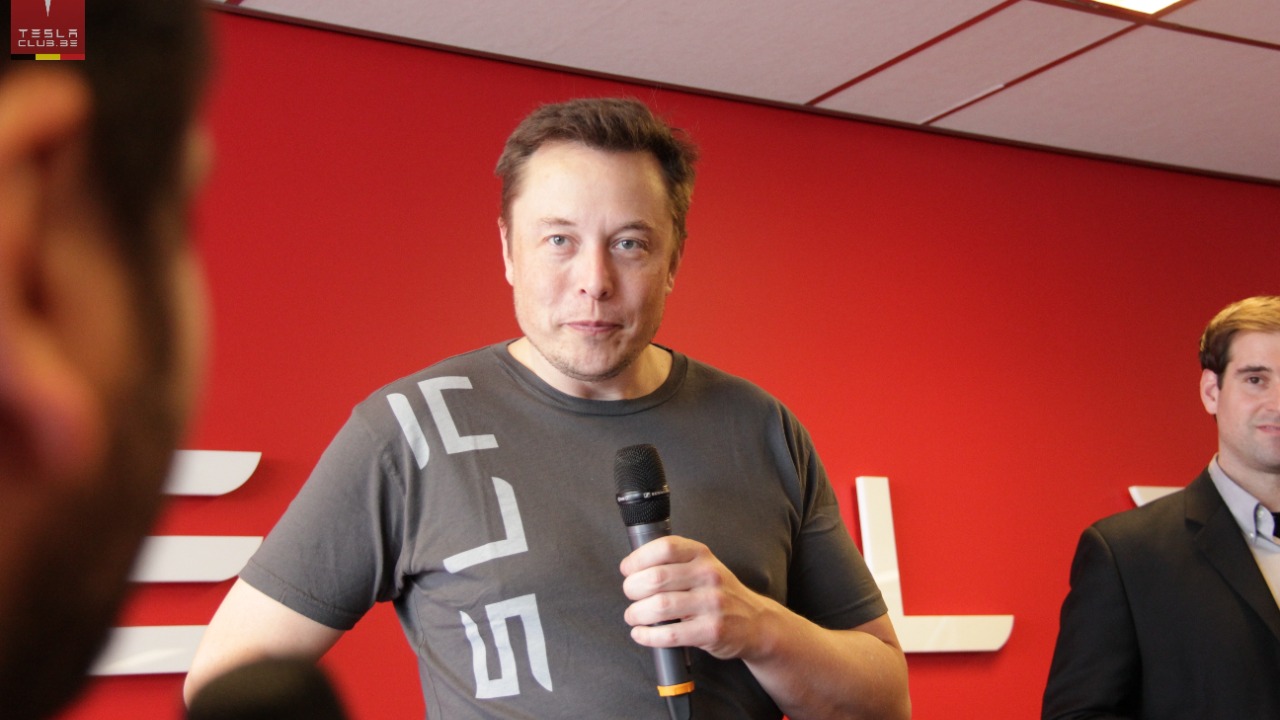
Elon Musk’s response to the Turnpike Authority’s decision has been vocal and accusatory. He has publicly accused New Jersey officials of corruption, suggesting that the removal of Tesla Superchargers is influenced by undisclosed factors. Although Musk has not provided concrete evidence to back up his claims, his accusations have certainly heightened the public discourse surrounding the issue.
The public’s reaction to Musk’s allegations has been mixed. While some supporters echo his sentiments and demand transparency, others criticize Musk for making unsubstantiated claims. Media coverage has been extensive, with outlets like MSN and The Drive framing Musk’s comments within the broader narrative of his often contentious relationship with regulatory bodies.
The Broader Context of EV Charging Infrastructure
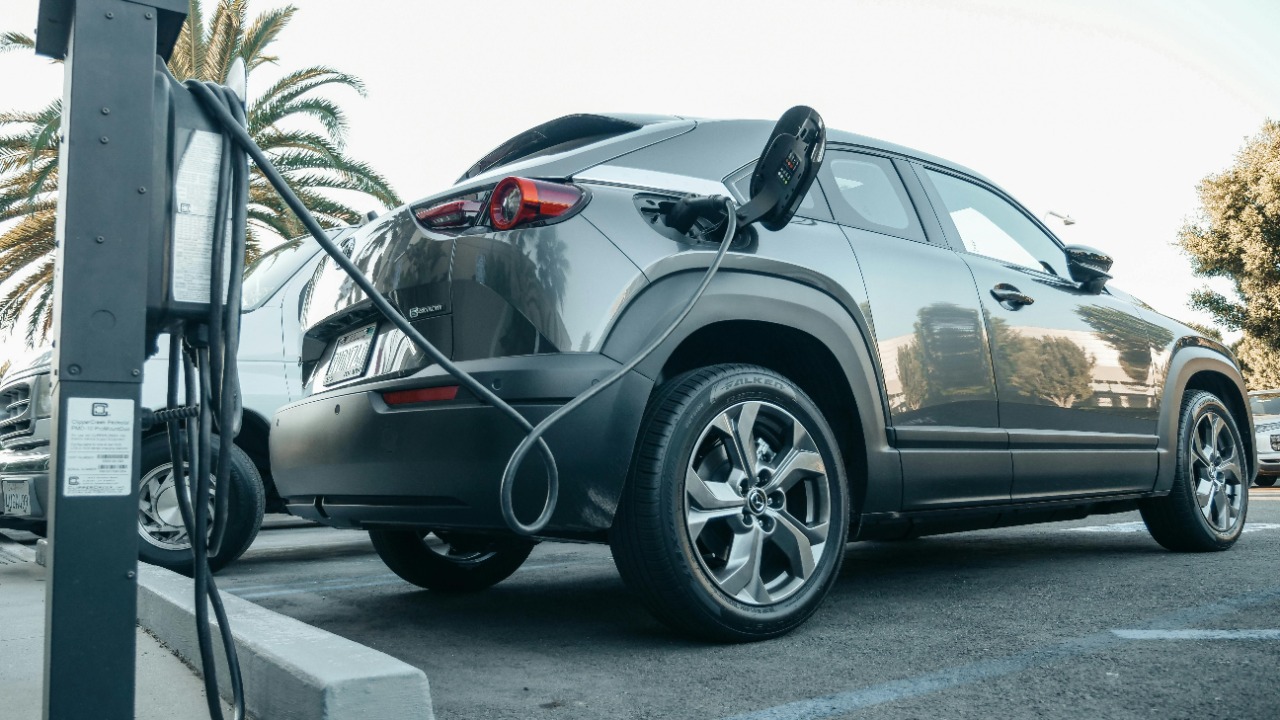
New Jersey has been proactive in its efforts to promote electric vehicle adoption, with policies aimed at increasing the number of EVs on the road and expanding charging infrastructure. However, the removal of Tesla Superchargers seems to contradict these goals, raising questions about the state’s strategy. It remains unclear how this decision aligns with the state’s vision for a more sustainable transportation network.
Comparing New Jersey’s approach to other states reveals differing strategies in EV infrastructure development. While some states have embraced partnerships with private companies like Tesla to build a comprehensive network, others have opted for a more centralized, public-driven model. The current situation in New Jersey highlights the ongoing debate over the roles that public entities and private companies should play in this evolving industry.
Potential Consequences and Future Developments
The removal of Tesla Superchargers from the New Jersey Turnpike could have far-reaching consequences for Tesla and other EV manufacturers. Tesla’s business model, which heavily relies on its proprietary charging network, may face challenges as drivers look for more accessible options. Similarly, other EV manufacturers may need to reassess their strategies to ensure their charging infrastructure is not similarly affected.
Looking ahead, potential resolutions could involve negotiations between Tesla and New Jersey officials or even legal actions. The outcome of this situation might set a precedent for future infrastructure decisions both within the state and nationally. As the conversation continues, stakeholders will likely need to consider both the immediate impact on drivers and the broader implications for the EV industry.
