Elon Musk has long been a visionary figure in the realm of space exploration, with his bold aspirations extending beyond Mars to the broader cosmos. His company, SpaceX, is at the forefront of developing the technology required for interstellar travel, making the concept of journeying to distant star systems a potential reality. This article delves into Musk’s ambitious plans and the implications they hold for the future of space exploration.
The Visionary Behind the Dream
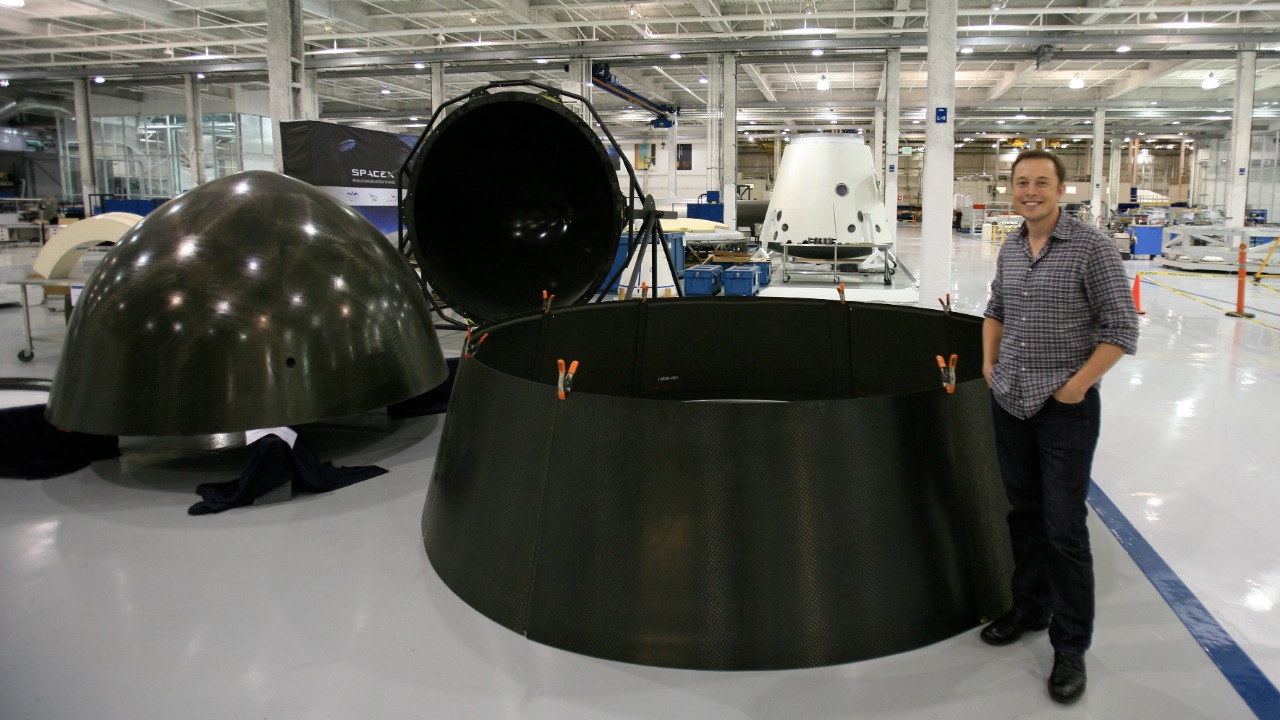
Elon Musk’s passion for space travel is deeply rooted in his early influences and inspirations, which include the works of science fiction authors and the ambitious space programs of the 20th century. Growing up, Musk was captivated by the idea of humanity becoming a multiplanetary species, a theme prevalent in much of the science fiction he consumed. As a young man, he was inspired by the Apollo missions and the pioneering spirit of aerospace visionaries, which fueled his ambition to push the boundaries of what is possible in space exploration.
Musk’s long-term goals for humanity’s future in space are audacious. He envisions a future where interstellar travel plays a crucial role in ensuring the survival and prosperity of the human race. By establishing a self-sustaining colony on Mars and eventually venturing to other star systems, Musk aims to secure a future for humanity that is not limited to Earth. His commitment to making space travel accessible and sustainable is evident in his efforts to drive down costs and increase the frequency of launches through advancements in technology and innovative business models.
SpaceX, under Musk’s leadership, is dedicated to democratizing space travel, making it accessible for future generations. Musk believes that by reducing the cost of spaceflight and increasing the reliability of spacecraft, space travel can become as routine as air travel. His vision extends beyond mere exploration; he aims to create a spacefaring civilization that can thrive beyond the confines of Earth, ensuring the long-term survival of the human species.
Technological Innovations Paving the Way
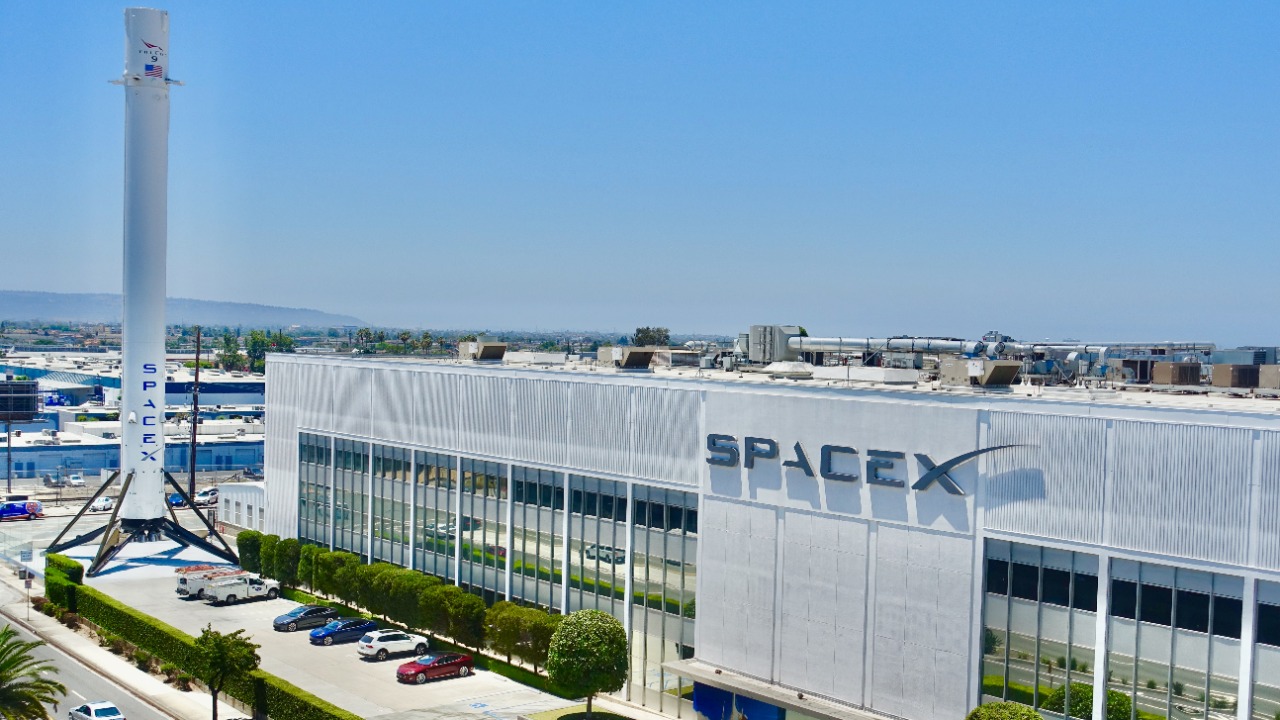
SpaceX’s advancements in spacecraft technology are pivotal in paving the way for interstellar travel. The Starship spacecraft, currently under development, is designed for long-duration space travel and is a critical component of Musk’s vision. With its fully reusable architecture, Starship aims to transport humans to Mars and beyond, significantly lowering the cost of space exploration and enabling more frequent missions.
Reusable rocket technology is another key innovation that SpaceX has pioneered. The development of the Falcon 9 rocket, which can land and be reused multiple times, has revolutionized the space industry, reducing the cost of launching payloads into space. This technology is crucial for making interstellar travel economically viable, as it allows for the repeated use of expensive rocket components, ultimately driving down the overall cost of missions.
Innovations in propulsion systems are also being explored to make interstellar travel feasible. SpaceX is investigating advanced propulsion technologies, such as nuclear thermal propulsion and ion drives, which could provide the necessary speed and efficiency for long-distance space travel. These technologies, once fully developed, have the potential to drastically reduce travel times to distant star systems, bringing the dream of interstellar exploration closer to reality.
Challenges on the Path to the Stars
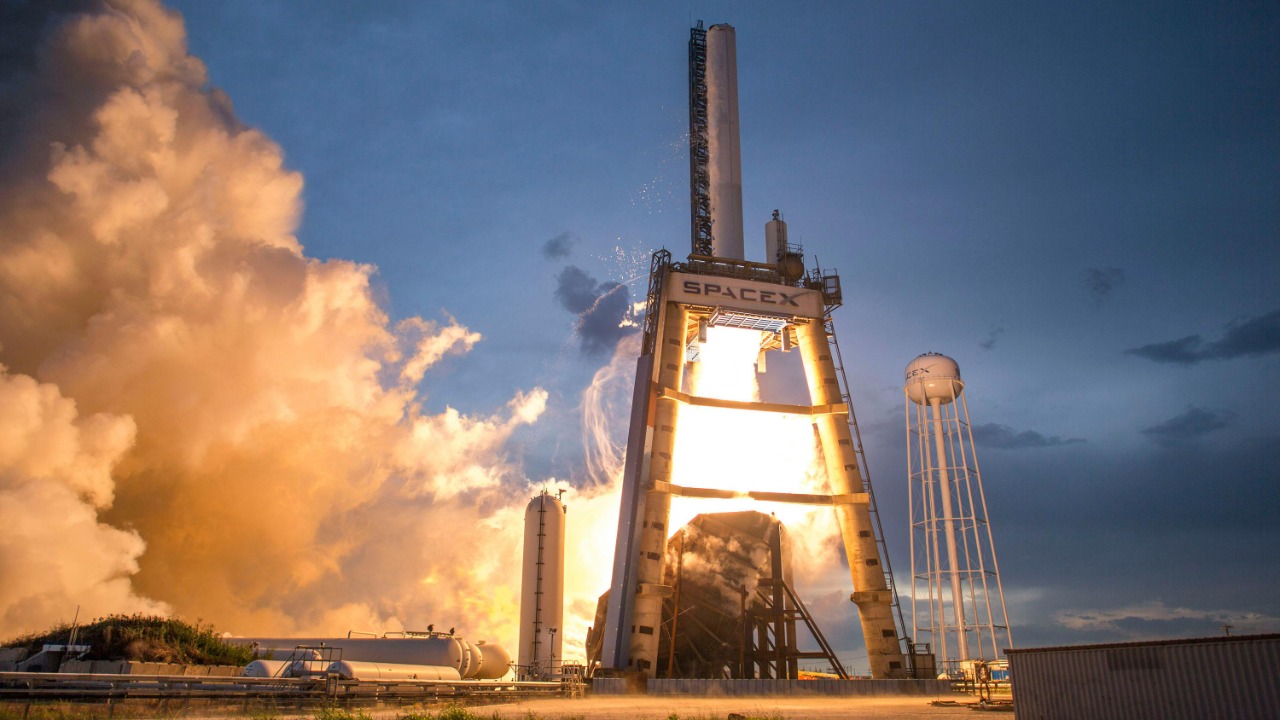
Despite the technological advancements, significant challenges remain on the path to interstellar travel. The scientific and engineering hurdles are formidable, requiring breakthroughs in areas such as propulsion, life support, and radiation protection. The vast distances involved in traveling to other star systems present unique challenges that must be overcome to ensure the safety and success of such missions.
The financial implications of Musk’s interstellar ambitions are also considerable. Funding strategies for these ambitious projects must be carefully planned and executed. While SpaceX has made significant strides in reducing the cost of space travel, the financial resources required for interstellar missions are immense. Strategic partnerships with governments, international space agencies, and private investors will be essential to secure the necessary funding and support.
In addition to technical and financial challenges, there are potential ethical, environmental, and safety concerns associated with interstellar missions. The impact of space exploration on the environment, both on Earth and in space, must be carefully considered. Additionally, the ethical implications of exploring and potentially colonizing other planets raise important questions about humanity’s responsibility to preserve and protect the cosmos.
Potential Destinations and Their Significance
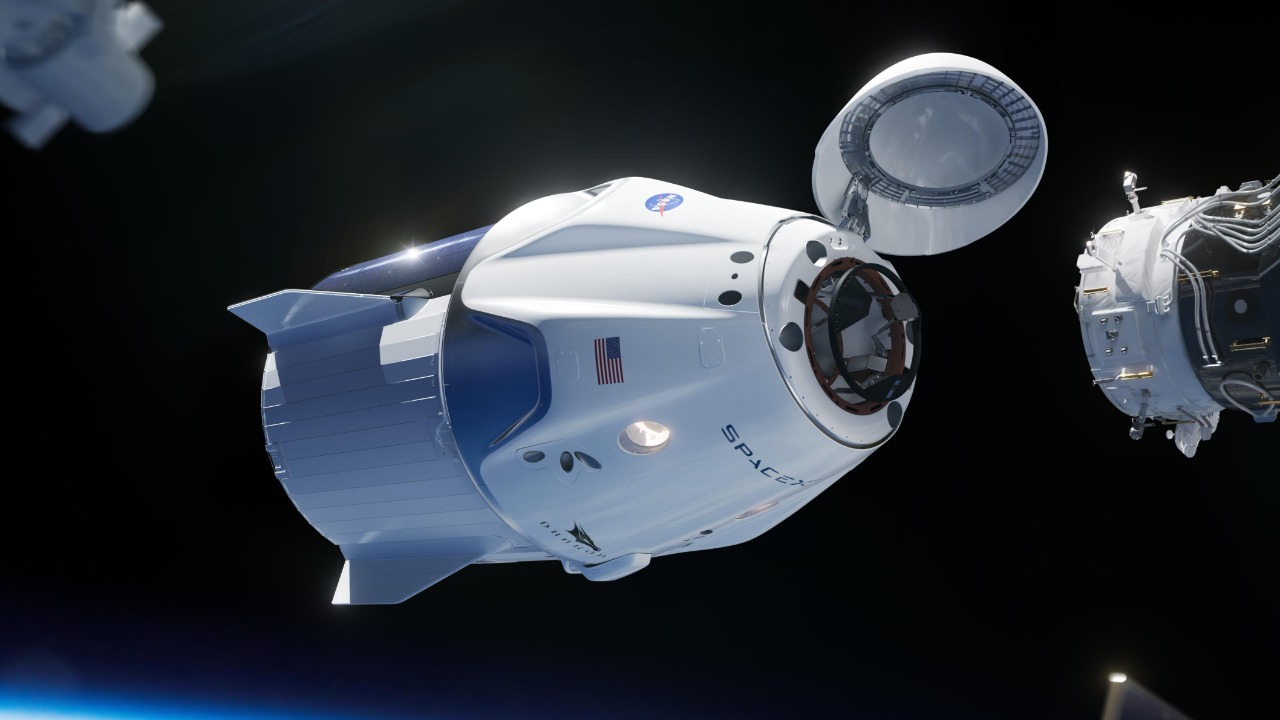
The identification of potential star systems and exoplanets as targets for interstellar missions is a critical aspect of Musk’s vision. The search for viable destinations involves examining a variety of factors, including the presence of habitable zones, the potential for water, and the scientific value of exploration. Discoveries such as the TRAPPIST-1 system, which hosts multiple Earth-sized planets, highlight the exciting possibilities for future exploration.
The criteria for selecting viable destinations are multifaceted, taking into account both scientific and logistical considerations. The potential for discovering extraterrestrial life, understanding planetary formation, and gaining insights into the origins of the universe are all factors that drive the selection of targets for interstellar missions. The exploration of these destinations holds the promise of expanding our understanding of the cosmos and our place within it.
International collaboration will play a crucial role in planning and executing interstellar missions. The challenges of interstellar travel are too great for any single entity to tackle alone. By working together, countries and organizations can pool resources, share knowledge, and develop the technology necessary to make interstellar exploration a reality. Collaborative efforts will not only enhance the success of these missions but also foster a spirit of unity and cooperation in the pursuit of a common goal.
The Broader Impact on Humanity and Society
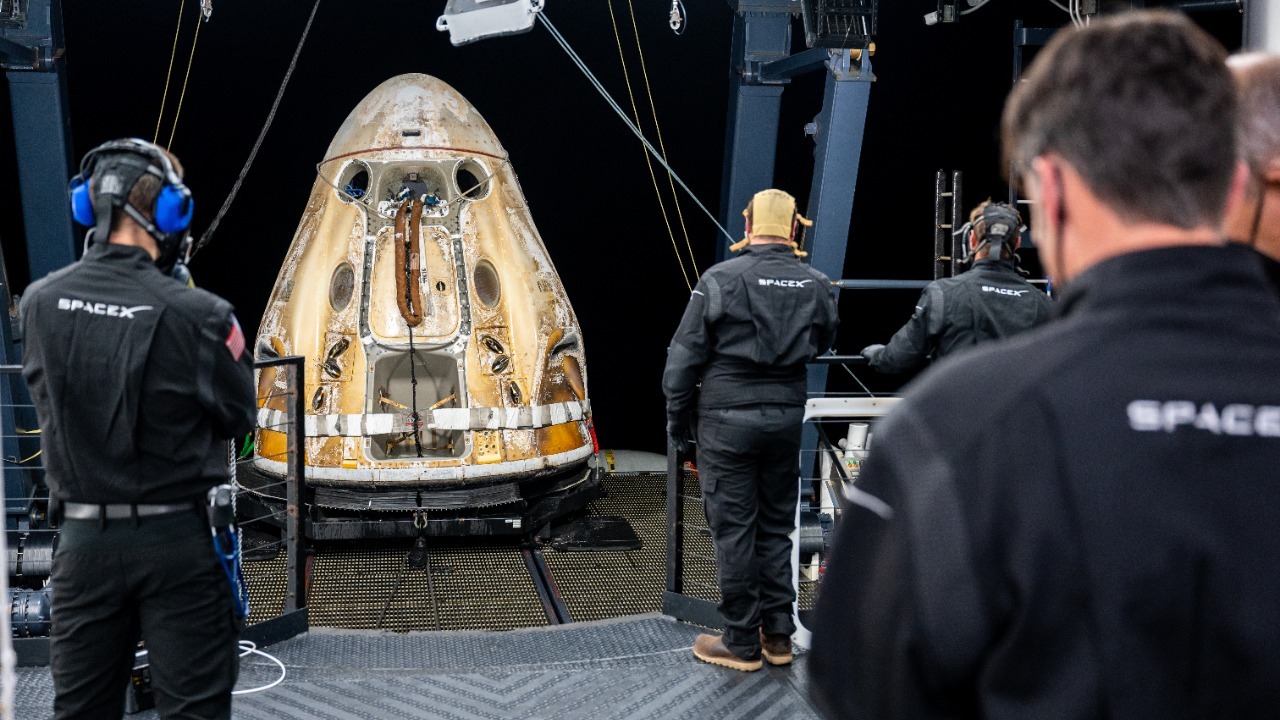
Musk’s interstellar aspirations have the potential to inspire future generations and reshape humanity’s perspective on space exploration. The pursuit of interstellar travel embodies the spirit of discovery and innovation, encouraging young people to dream big and pursue careers in science, technology, engineering, and mathematics. By pushing the boundaries of what is possible, Musk’s vision serves as a catalyst for inspiring the next generation of explorers and innovators.
The potential economic and societal benefits of advancing space technology are significant. Innovations in space travel can lead to the development of new industries, create jobs, and stimulate economic growth. The technologies developed for interstellar exploration have the potential to revolutionize industries on Earth, from transportation to energy production, ultimately improving the quality of life for people around the world.
The philosophical implications of becoming an interstellar species are profound, challenging our understanding of what it means to be human. The prospect of journeying to other star systems and potentially encountering extraterrestrial life raises fundamental questions about our place in the universe and our responsibility to other forms of life. As we venture beyond our home planet, we are compelled to reflect on our values, ethics, and the legacy we wish to leave for future generations.
