Transitioning New York’s iconic yellow school buses to electric models could come with a hefty price tag exceeding $8 billion, as reported by the Empire Center. Despite the significant initial investment, electric school buses offer the potential to lower utility bills, according to a recent Jalopnik article. Beyond economic benefits, these vehicles contribute positively to environmental change, as highlighted by Rewiring America.
Economic Benefits of Electric School Buses
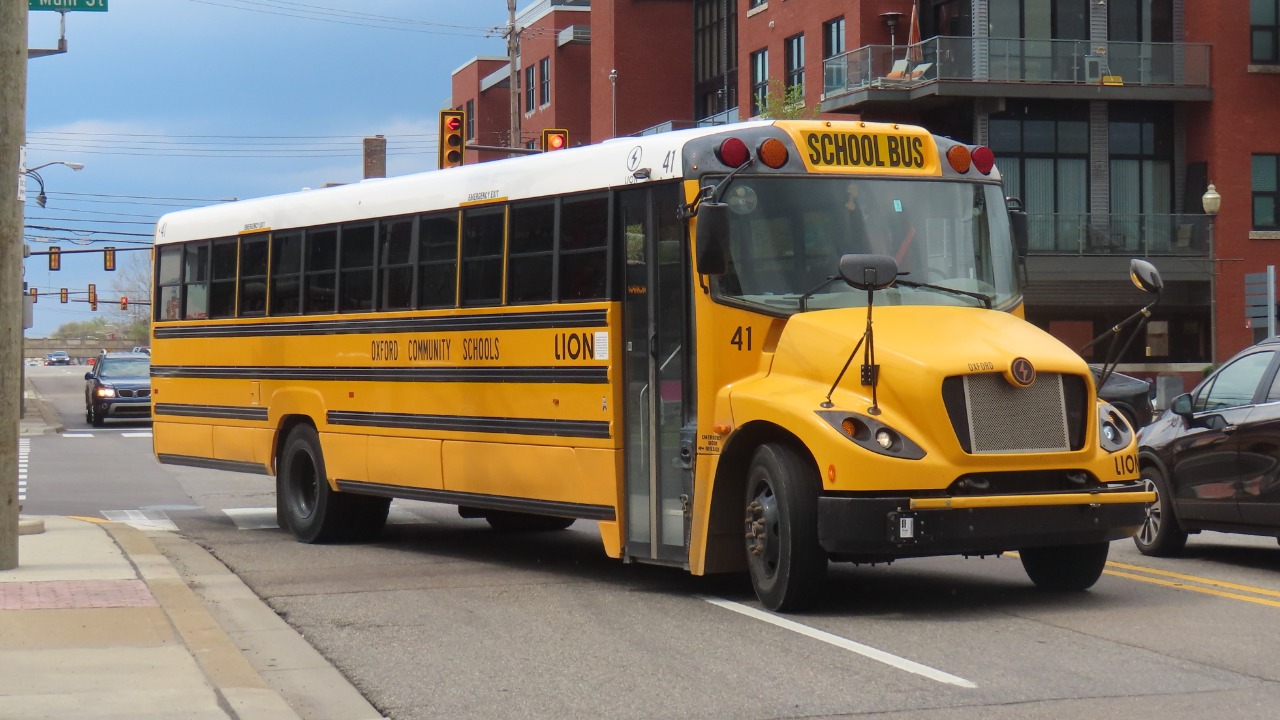
Electric school buses present a compelling case for reducing operational costs compared to their diesel counterparts. According to Jalopnik, these buses can significantly lower utility bills due to their more efficient energy use. The transition to electric buses is not just about immediate savings; it also promises long-term reductions in energy expenses, as detailed by the New York State Energy Research and Development Authority (NYSERDA).
Moreover, various incentives and financing options are available to make the adoption of electric buses more affordable for school districts. As reported by Utility Dive, these financial mechanisms are crucial for overcoming the initial cost barriers, especially in rural areas where infrastructure development is needed.
In addition to reducing operational costs, electric school buses can also contribute to economic growth by creating new job opportunities in manufacturing, maintenance, and charging infrastructure development. The shift towards electric buses necessitates skilled labor for the installation and maintenance of charging stations, as well as for the production of the buses themselves. This transition can stimulate local economies by fostering new industries and supporting existing ones, as noted by the NYSERDA. Furthermore, the reduction in fuel costs over the lifespan of electric buses can free up school district budgets, allowing for reallocation of funds to other educational resources and programs.
Environmental Impacts and Advantages
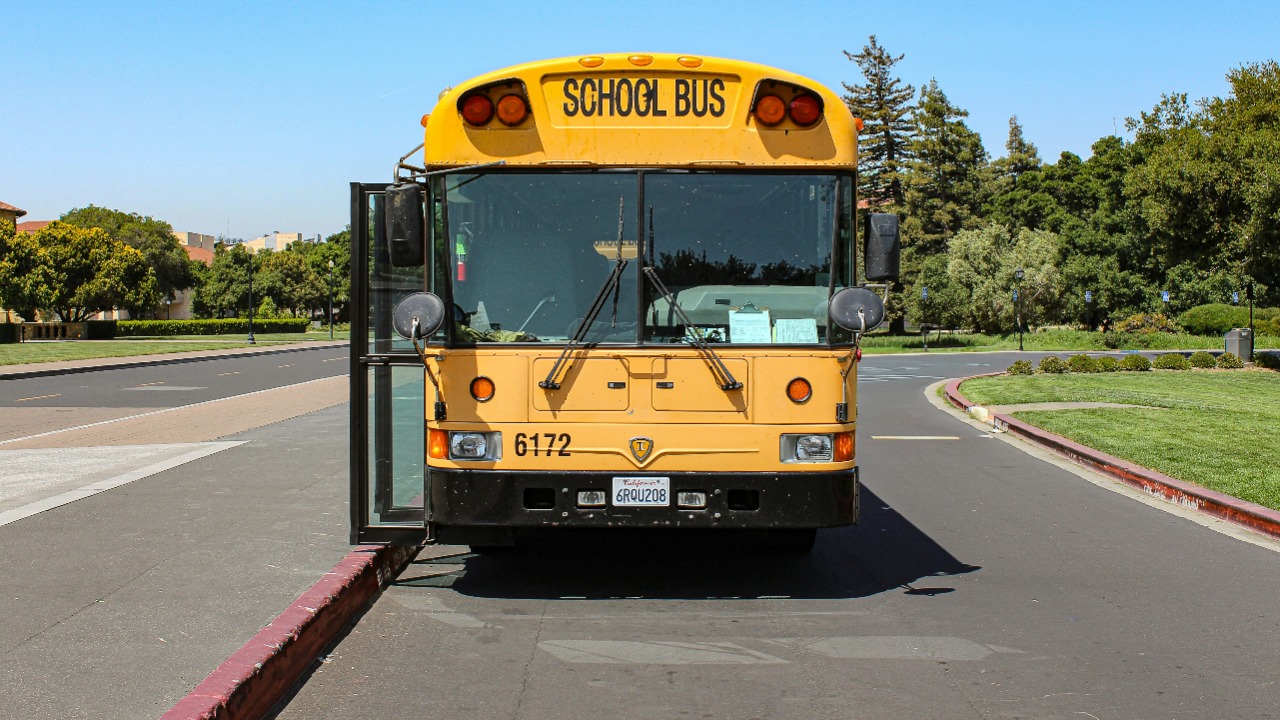
The environmental benefits of electric school buses are significant. By reducing emissions, these buses improve air quality in the communities they serve, as emphasized by Rewiring America. This shift not only supports local sustainability goals but also aligns with broader climate initiatives aimed at reducing carbon footprints.
Electrifying school transportation contributes to achieving sustainability targets by minimizing the reliance on fossil fuels. The NYSERDA outlines how these buses play a vital role in supporting climate initiatives, offering a cleaner, more sustainable alternative to traditional diesel-powered buses.
Electric school buses also contribute to noise pollution reduction, creating a quieter and more pleasant environment for students and communities. This is particularly beneficial in urban areas where noise levels are typically higher. The Rewiring America report highlights that quieter operations can enhance the quality of life for residents and improve the learning environment for students by reducing distractions. Additionally, the use of electric buses can serve as an educational tool, raising awareness among students about sustainable practices and the importance of reducing carbon emissions.
Costs and Challenges of Transitioning to Electric
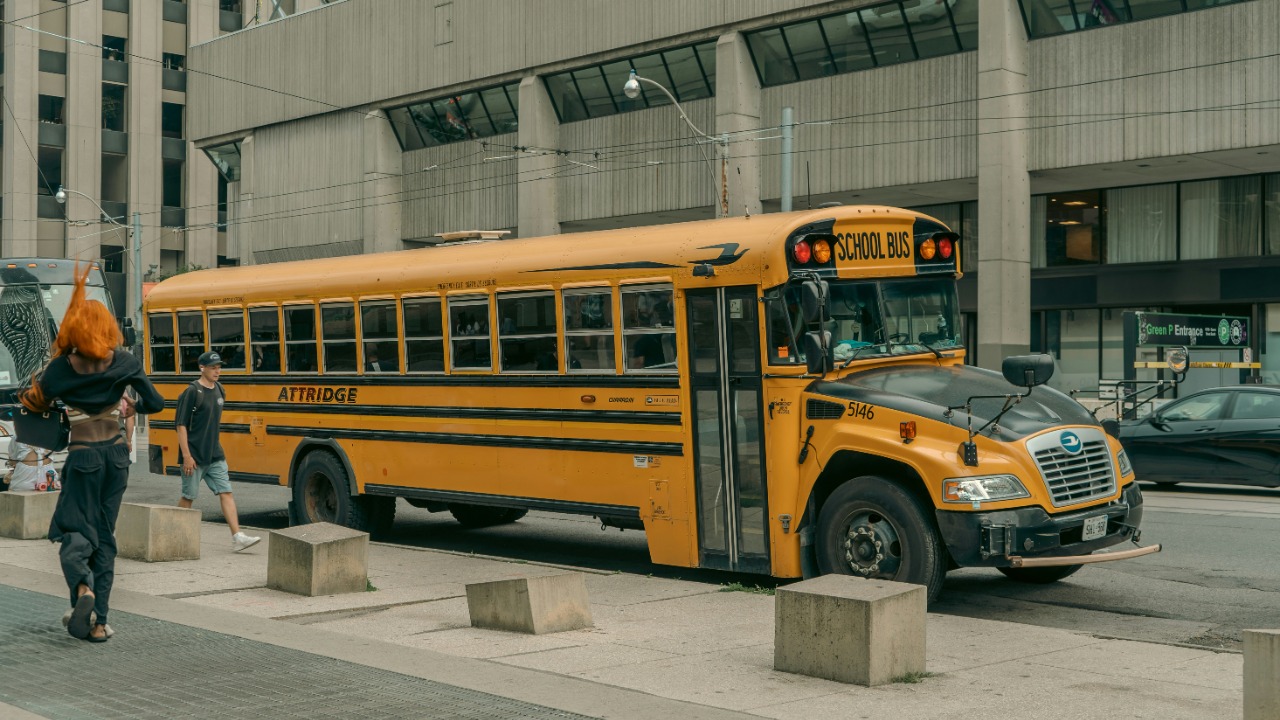
The transition to electric school buses in New York is projected to cost over $8 billion, a figure that includes the upfront investments in vehicles and necessary infrastructure, as reported by the Empire Center. This substantial financial commitment highlights the need for strategic planning and investment to ensure a smooth transition.
High initial expenses and the development of charging networks, particularly in rural areas, present significant challenges. Utility Dive notes that these barriers must be addressed to facilitate the widespread adoption of electric buses. Additionally, New York faces specific challenges in scaling its electric school bus fleets, requiring tailored solutions to meet its unique needs.
Another significant challenge is the need for workforce training to ensure that drivers and maintenance staff are equipped to handle the new technology. As electric buses differ significantly from traditional diesel models, comprehensive training programs are essential to ensure safety and efficiency. The Utility Dive article emphasizes the importance of investing in education and training to prepare the workforce for these changes. Additionally, the variability in electric grid capacity across different regions poses a challenge, necessitating upgrades to accommodate the increased demand for electricity.
Guidance for Adopting Electric School Buses
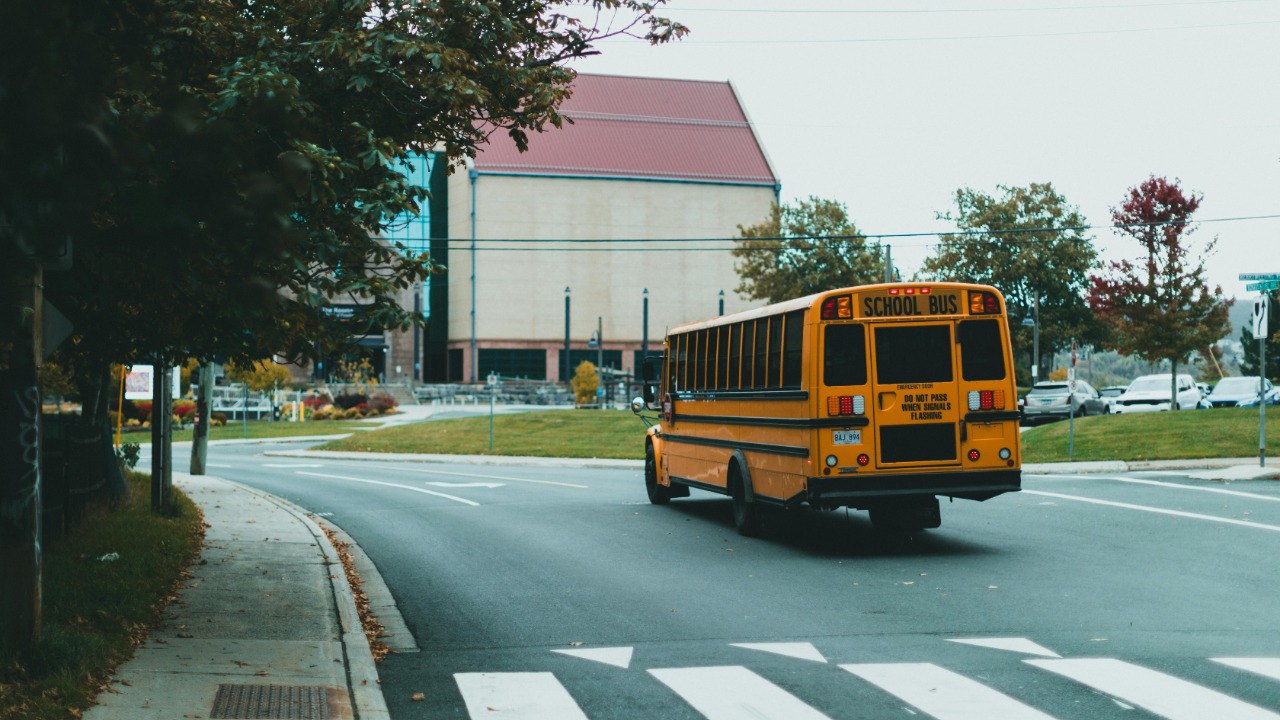
For districts considering the purchase of electric school buses, several factors must be taken into account. Compatibility with local grids is a critical consideration, as highlighted by Utility Dive. Understanding these technical requirements is essential for successful implementation.
Key features and planning steps for procuring electric school buses are detailed by the NYSERDA, providing a comprehensive resource for districts. Real-world examples and case studies, such as those discussed in Jalopnik, offer valuable insights for utilities and districts evaluating electric options, showcasing the practical benefits and challenges of this transition.
School districts must also consider the total cost of ownership when evaluating electric school buses. While the initial purchase price is higher, the long-term savings on fuel and maintenance can offset these costs. The NYSERDA provides tools and calculators to help districts assess these financial implications accurately. Additionally, engaging with stakeholders, including parents, students, and community members, is crucial for gaining support and ensuring a smooth transition. Public awareness campaigns and informational sessions can help build understanding and enthusiasm for the benefits of electric school buses.
