In a significant shift in the automotive market, Ford’s Mustang Mach-E has outsold its traditional gas-powered counterpart by over 10,000 units in 2025. This surge in sales for the electric model comes amid a 32% crash in gas Mustang sales during the first quarter of the year, even as the Mach-E and the Bronco continue to perform strongly.
Sales Dominance of the Mustang Mach-E
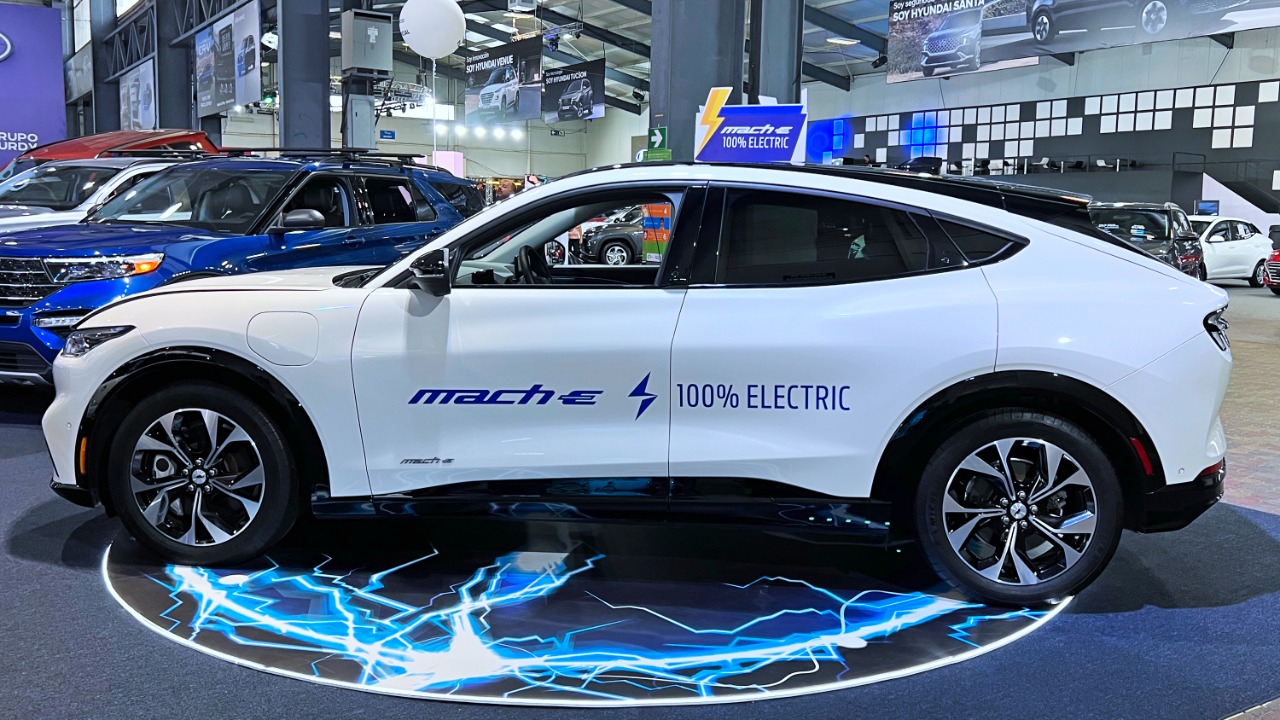
The Mustang Mach-E has been a dominant force in Ford’s 2025 sales, significantly outpacing the gas-powered Mustang model. This electric SUV has not only managed to eclipse its gas counterpart but has also set a new benchmark for Ford’s electric vehicle (EV) lineup. The Mach-E’s impressive sales performance is a testament to the growing consumer preference for electric vehicles, a trend that has been gaining momentum in recent years.
During the first quarter of 2025, the Mach-E continued to excel in sales, alongside the Bronco, another strong performer in Ford’s lineup. This period marked a significant milestone for the Mach-E, as it began to outshine the gas Mustang, a model that has long been a staple of Ford’s offerings. This shift in sales dynamics underscores the increasing popularity of electric vehicles and the potential they hold for the future of the automotive industry.
Decline in Gas-Powered Mustang Sales

While the Mach-E has been thriving, the gas-powered Mustang has been experiencing a downturn. In the first quarter of 2025, sales for the gas model crashed by 32%, a significant decline that contrasts sharply with the success of the Mach-E and the Bronco. This downturn is indicative of the challenges faced by traditional gas vehicles in an increasingly electric-focused market.
Throughout 2025, the gas Mustang continued to fall behind its electric counterpart in overall sales. This trend is a clear indication of the shifting consumer preferences and the growing demand for electric vehicles. As more consumers opt for electric models like the Mach-E, the gas Mustang’s market share is likely to continue shrinking.
Analysts attribute the decline in gas Mustang sales to several factors. The rising fuel prices and increasing environmental concerns have made consumers more conscious about their vehicle choices. The gas Mustang, despite its iconic status and performance capabilities, has been unable to compete with the appeal of electric vehicles like the Mach-E, which offer lower running costs and a smaller carbon footprint. This shift in consumer behavior is a clear reflection of the broader market trends, where electric vehicles are increasingly becoming the preferred choice.
Furthermore, the gas Mustang’s decline can also be linked to the changing demographics of car buyers. Younger consumers, who are more likely to be concerned about environmental sustainability, are becoming a larger portion of the car-buying public. These consumers are more likely to opt for electric vehicles, contributing to the decline in sales for traditional gas vehicles. The gas Mustang’s struggle to maintain its market share is a testament to these shifting demographics and their impact on the automotive industry.
Production Milestones for the Mach-E
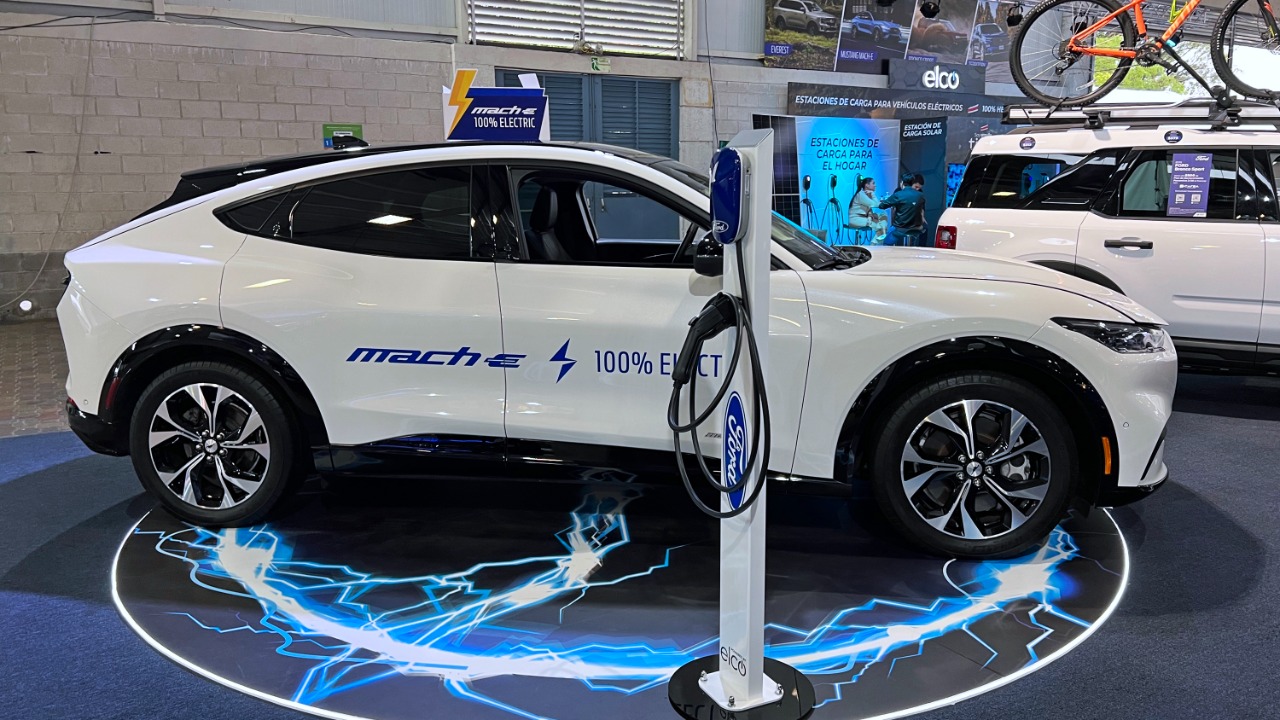
Amid the Mach-E’s sales success, Ford celebrated a significant production milestone. On November 30, 2022, the company produced its 150,000th Mustang Mach-E, a testament to the model’s popularity and the growing demand for electric vehicles. This milestone marked a key step in Ford’s transition towards electric vehicles and underscored the Mach-E’s role as a leading model in this transition.
The production of the 150,000th Mach-E not only marked a significant milestone for Ford but also highlighted the rapid pace of the electric vehicle market’s growth. The Mach-E’s production milestone was achieved in less than three years since its launch, a testament to the model’s popularity and the increasing demand for electric vehicles. This rapid production pace underscores the potential of electric vehicles to disrupt traditional automotive manufacturing.
Moreover, the Mach-E’s production milestone is a reflection of Ford’s commitment to electric vehicles. The company has invested heavily in the development and production of electric models, with the Mach-E being a key part of this strategy. The success of the Mach-E, as evidenced by its production milestones, validates Ford’s strategy and its focus on electric vehicles. As Ford continues to invest in electric vehicle technology, the Mach-E is likely to continue playing a pivotal role in the company’s transition to a more sustainable future.
Financial Challenges with Electric Vehicles

Despite the success of the Mach-E, Ford’s transition to electric vehicles has not been without challenges. On April 25, 2024, the company reported a massive loss on every electric vehicle it sold. This financial setback highlights the difficulties faced by automakers as they navigate the transition to electric vehicles, balancing the need for innovation with the financial realities of the market.
Despite the growing popularity of electric vehicles, automakers like Ford face significant financial challenges in their transition to electric. The high costs of developing and manufacturing electric vehicles, coupled with the need to invest in charging infrastructure and battery technology, have put a strain on Ford’s finances. The company’s reported loss on every electric vehicle sold in 2024 highlights these financial challenges and the complexities of transitioning to electric vehicles.
However, Ford’s financial challenges with electric vehicles should be viewed in the context of a long-term investment. The company is betting on the future of electric vehicles, and while the transition may be financially challenging in the short term, the potential long-term benefits could be substantial. As the market for electric vehicles continues to grow, Ford’s investment in models like the Mach-E could pay off, helping the company secure a strong position in the future automotive market.
Market Shifts and Broader Implications
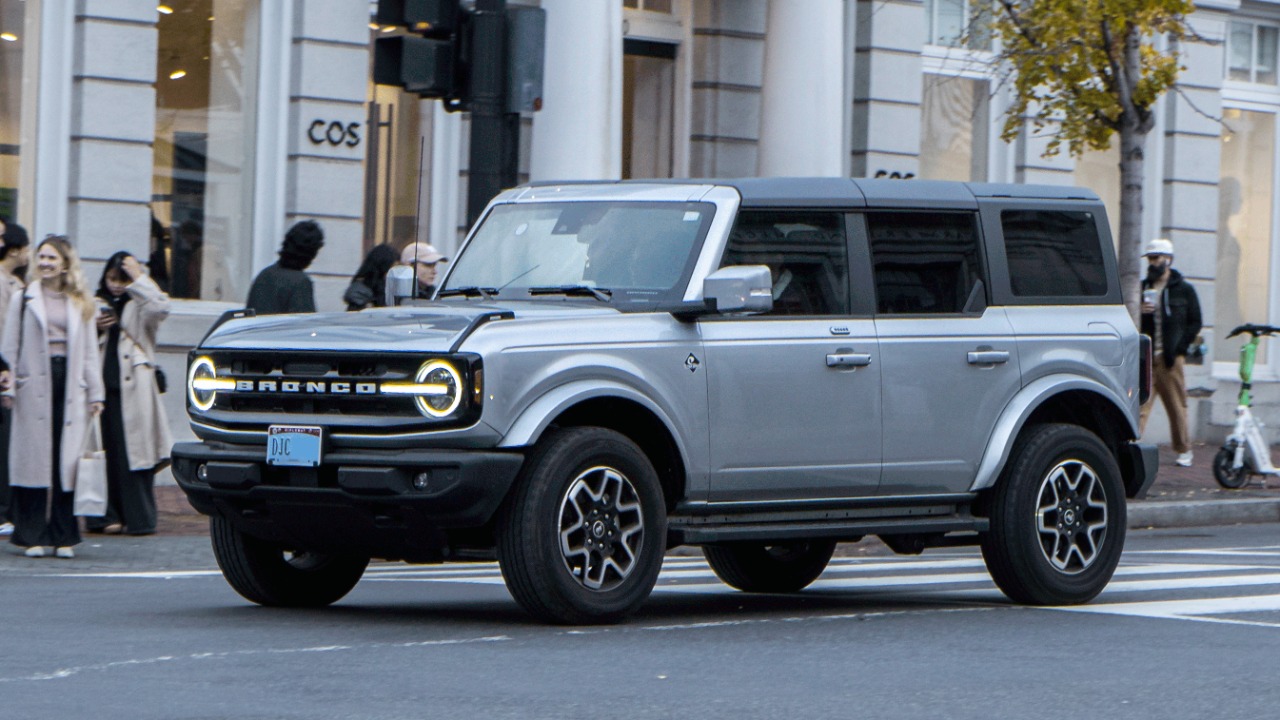
The contrast between the strong sales of the Mach-E and Bronco and the downturn in gas Mustang sales during Q1 2025 highlights the shifting dynamics of the automotive market. As consumers increasingly opt for electric models, traditional gas vehicles are facing a decline in demand. This shift suggests a broader pivot away from gas models, a trend that is likely to continue as more automakers invest in electric vehicle technology.
The dominance of the Mach-E in 2025 sales signals a significant shift in consumer preferences. As more consumers opt for electric vehicles, models like the Mach-E are likely to continue outperforming their gas counterparts. This shift not only reflects the changing dynamics of the automotive market but also underscores the potential of electric vehicles to reshape the industry.
Historical Context of Mustang Evolution
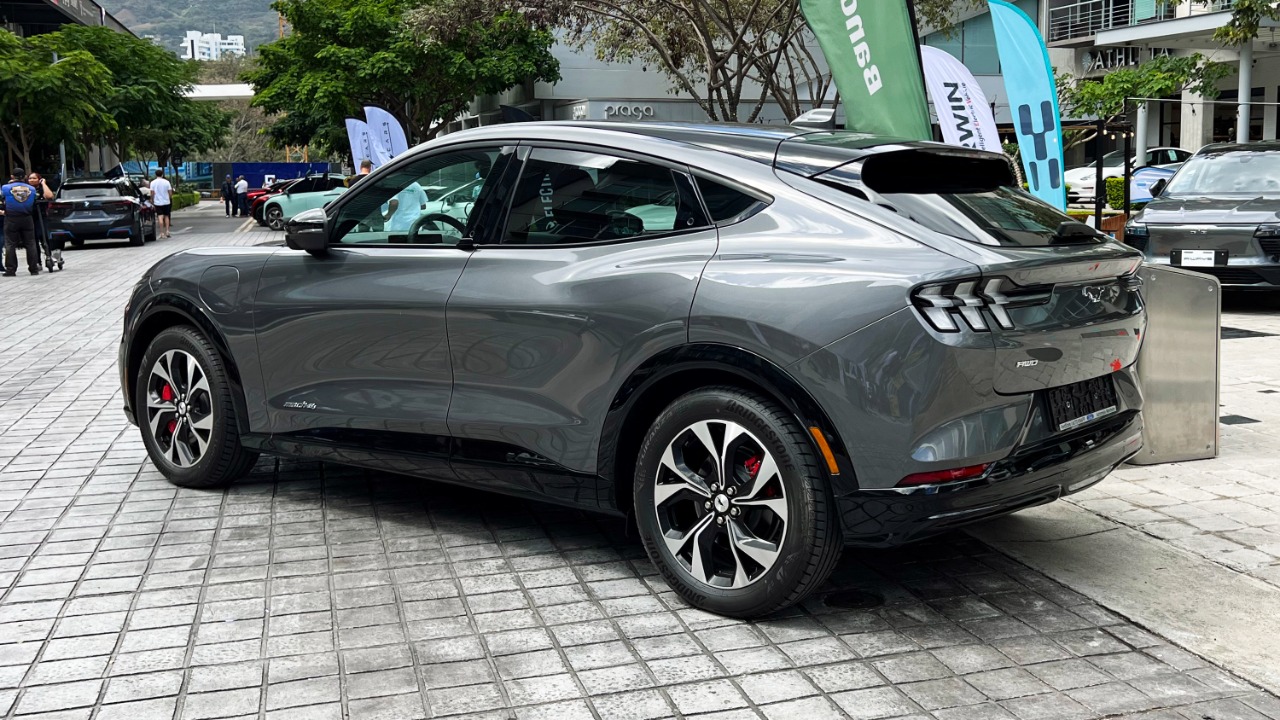
The production of the 150,000th Mach-E on November 30, 2022, marked a key step in Ford’s transition to electric vehicles. This milestone underscores the brand’s commitment to electric vehicles and the role of models like the Mach-E in driving this transition. As Ford continues to invest in electric vehicle technology, the Mach-E is likely to remain a key player in the brand’s lineup.
However, the transition to electric vehicles has not been without challenges. As revealed on April 25, 2024, Ford reported a massive loss on every electric vehicle it sold. Despite these financial challenges, the brand has continued to invest in models like the Mach-E, underscoring its commitment to the future of electric vehicles. As Ford navigates these challenges, the success of the Mach-E serves as a beacon of the potential that electric vehicles hold for the future of the automotive industry.
