We often marvel at the genius of Albert Einstein, a physicist who revolutionized our understanding of the universe. Yet, even this formidable mind was perplexed by a grand scientific problem, one that continues to challenge modern physicists: the unification of gravity and quantum mechanics. This enigma has remained unsolved for nearly a century, resisting the best efforts of the world’s brightest scientific minds.
The Life and Legacy of Albert Einstein
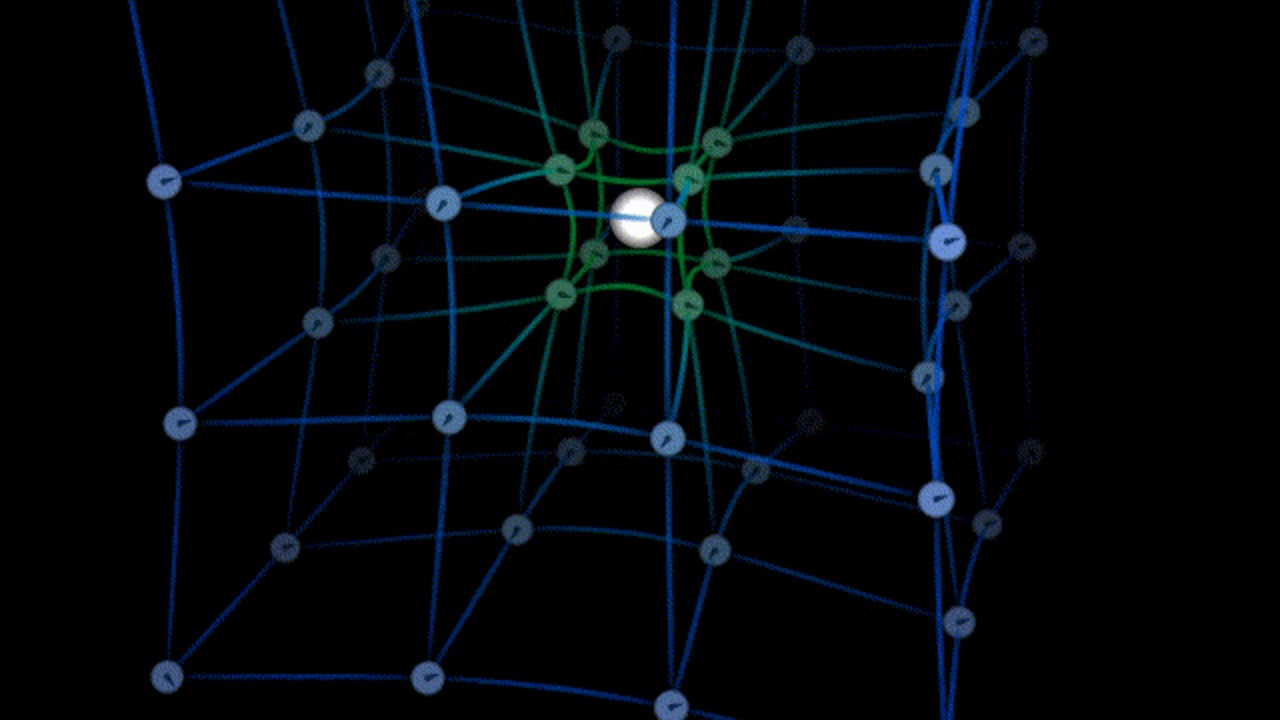
Albert Einstein, born in 1879 in Germany, is renowned for his significant contributions to the field of physics. He is most famously known for his Theory of General Relativity, which redefined our understanding of gravity. This theory proposed that massive objects cause a distortion in space-time, which is perceived as gravity—a radical departure from the previous Newtonian view of gravity as a force.
Einstein’s Theory of General Relativity has had profound implications on modern physics and cosmology, shaping our understanding of the universe’s structure and the behavior of celestial bodies. Despite its success, however, Einstein spent the latter part of his life struggling to reconcile this theory with the emerging field of quantum mechanics, an issue that remains unresolved to this day.
Quantum Mechanics: The Underpinning of Modern Physics
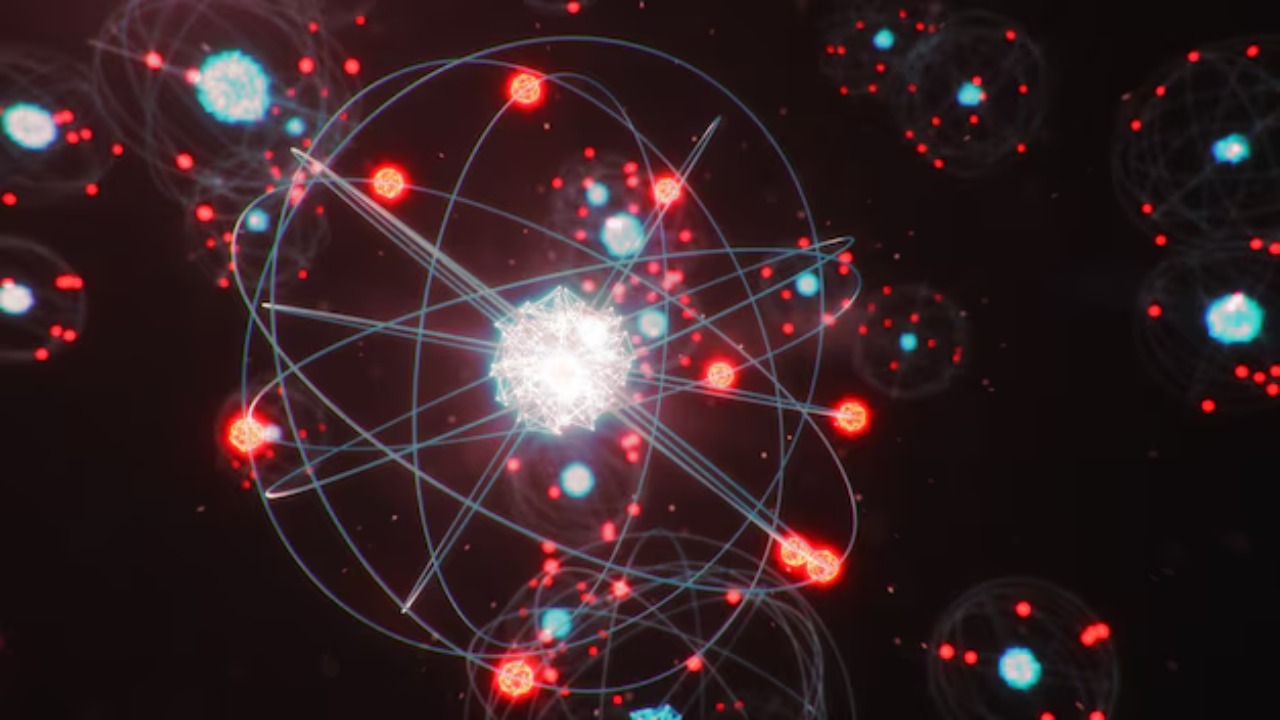
Quantum mechanics, the scientific theory that explains the behavior of matter and energy on the microscopic scale, has become the underpinning of modern physics. Its principles and methods are fundamental to our understanding of a wide range of physical phenomena, from the structure of atoms to the properties of solids.
However, the quantum world is notorious for its inherent oddities and contradictions. Quantum particles can exist in multiple states simultaneously, a phenomenon known as superposition, and their properties remain uncertain until they are measured. These counterintuitive aspects of quantum mechanics have led to philosophical debates about the nature of reality and the role of the observer, adding an extra layer of complexity to the task of unifying it with gravity.
The Quest for Quantum Gravity
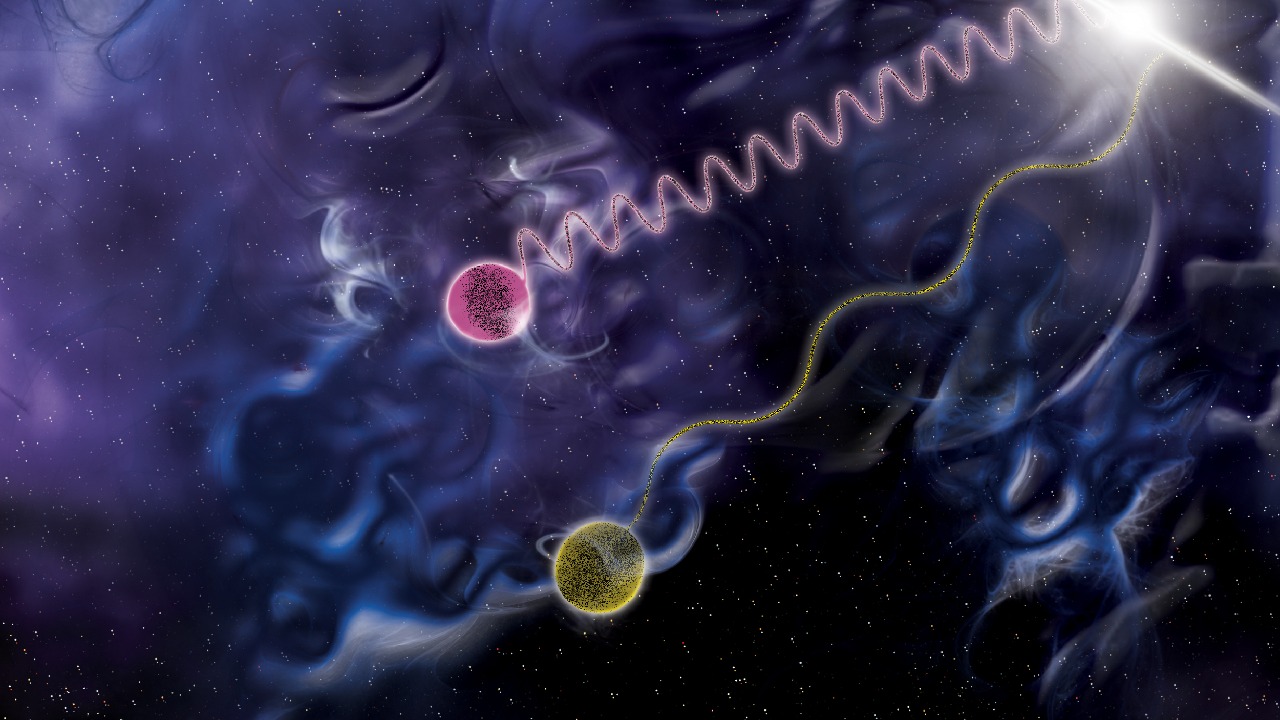
Unifying gravity and quantum mechanics—often referred to as quantum gravity—is one of the most significant challenges in theoretical physics. This quest has largely been driven by a need for a consistent framework that can accurately describe all four fundamental forces of nature: gravity, electromagnetism, and the strong and weak nuclear forces.
Various attempts have been made to solve this problem, with theories such as string theory and loop quantum gravity proposed as potential solutions. However, these theories are still in the developmental stage and have yet to provide a definitive answer to the problem of quantum gravity.
The Contemporary Landscape of Quantum Gravity Research
The current state of quantum gravity research is dynamic, with many physicists actively working on proposed theories and new ideas. Notable scientists in the field include Carlo Rovelli, a pioneer of loop quantum gravity, and Edward Witten, a leading figure in string theory.
If a unified theory of quantum gravity is found, it would revolutionize our understanding of the universe. It could potentially explain phenomena such as black holes and the big bang, which remain largely mysterious within the current theoretical framework. Furthermore, it could also pave the way for innovative technologies and applications, much like how the development of quantum mechanics led to the invention of lasers and transistors.
Why Einstein’s Grand Problem Still Matters

The problem of unifying gravity and quantum mechanics remains as relevant today as it was in Einstein’s time. It represents a fundamental gap in our scientific understanding, a piece missing from the puzzle of the universe. As such, it continues to be a vital focus for the scientific community, driving much of the research in theoretical physics.
A solution to this problem could have profound implications for our understanding of the universe and the future of physics. It could redefine our concept of space and time, shed light on the nature of reality, and even challenge some of our most deeply held beliefs. In short, solving the grand problem that stumped Einstein could usher in a new era of scientific enlightenment.
