Recent studies have revealed that the Moon is rusting, a surprising phenomenon attributed to “wind” from Earth carrying water and oxygen necessary for rust formation. This interaction, influenced by Earth’s magnetotail, challenges previous assumptions about the Moon’s composition and exposure to Earth’s atmosphere. The discovery highlights the Moon’s dynamic relationship with Earth, showcasing an unexpected example of planetary interaction (Scientific American; MSN).
Understanding Lunar Rust Formation
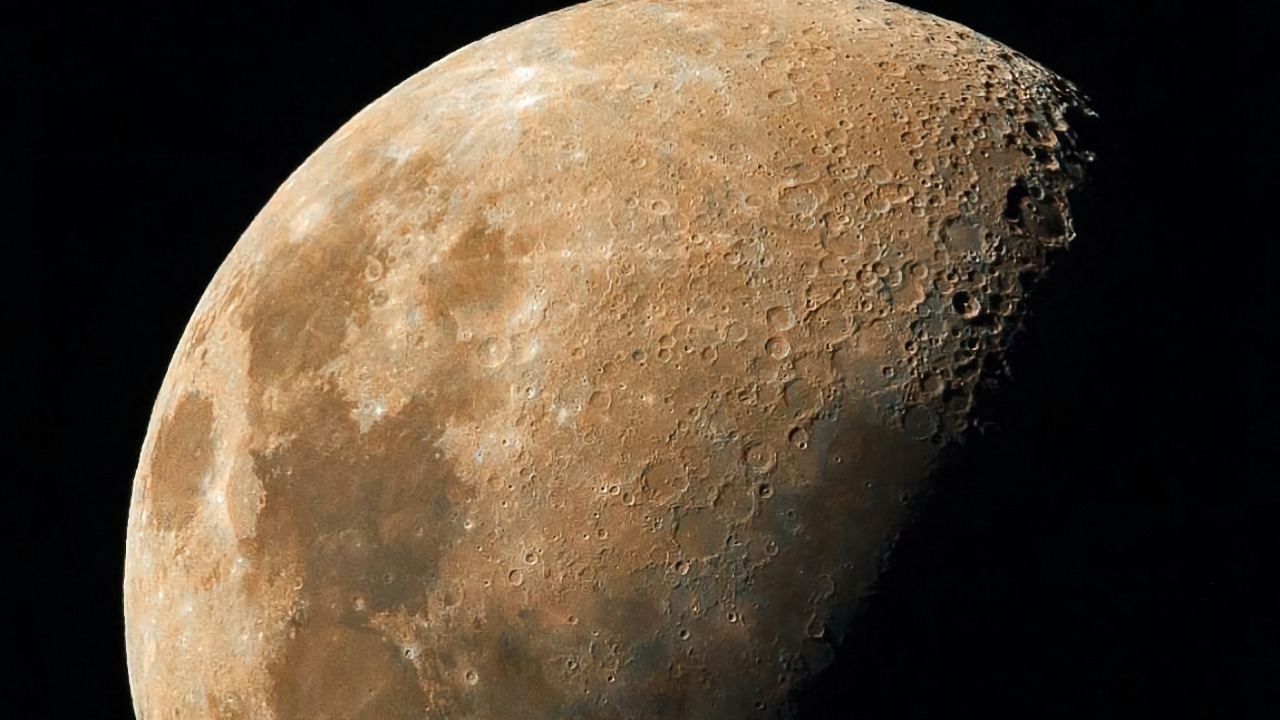
The presence of hematite, a form of rust, has been detected on the Moon, particularly at higher latitudes. This discovery is intriguing because the formation of rust typically requires both oxygen and water, elements that the Moon lacks in significant quantities (Scientific American). The detection of hematite suggests that these elements must be coming from an external source, prompting further investigation into their origins.
Researchers have been puzzled by how these essential components for rust formation could reach the Moon. The lack of a substantial atmosphere on the Moon makes it an unlikely candidate for rust formation, yet the evidence of hematite is undeniable. This paradox has led scientists to explore the possibility that these elements are being delivered from Earth, carried by forces previously underestimated in their reach and impact (MSN).
Role of Earth’s Magnetotail

Earth’s magnetotail, an extension of its magnetic field, plays a crucial role in delivering oxygen to the Moon’s surface. This phenomenon occurs during specific periods when the Moon passes through the magnetotail, which happens for about five days each month. During this time, the magnetotail facilitates the transfer of oxygen ions to the Moon, providing one of the essential components for rust formation (Scientific American).
The influence of the magnetotail is most pronounced during these five days, creating a unique window where the Moon is exposed to Earth’s atmospheric elements. This interaction highlights the interconnectedness of Earth and its lunar neighbor, revealing a previously unknown pathway for material exchange between the two celestial bodies (MSN).
In addition to oxygen, the magnetotail also influences the Moon’s surface by shielding it from solar wind during its passage. This temporary shield allows for a unique environment where the Moon is less bombarded by solar particles, potentially affecting the surface chemistry and aiding in the preservation of water molecules. This interaction not only facilitates the delivery of oxygen but also creates conditions that might enhance the likelihood of rust formation by reducing the disruptive effects of solar radiation (Scientific American).
Moreover, the magnetotail’s influence extends beyond just the physical transfer of particles. It represents a dynamic electromagnetic connection between Earth and the Moon, which could have broader implications for understanding space weather interactions. These interactions might affect not only the Moon’s surface but also the planning of future lunar missions, as understanding these electromagnetic dynamics could be crucial for ensuring the safety and success of equipment and astronauts operating in this environment (MSN).
Water Blown in the Lunar Winds
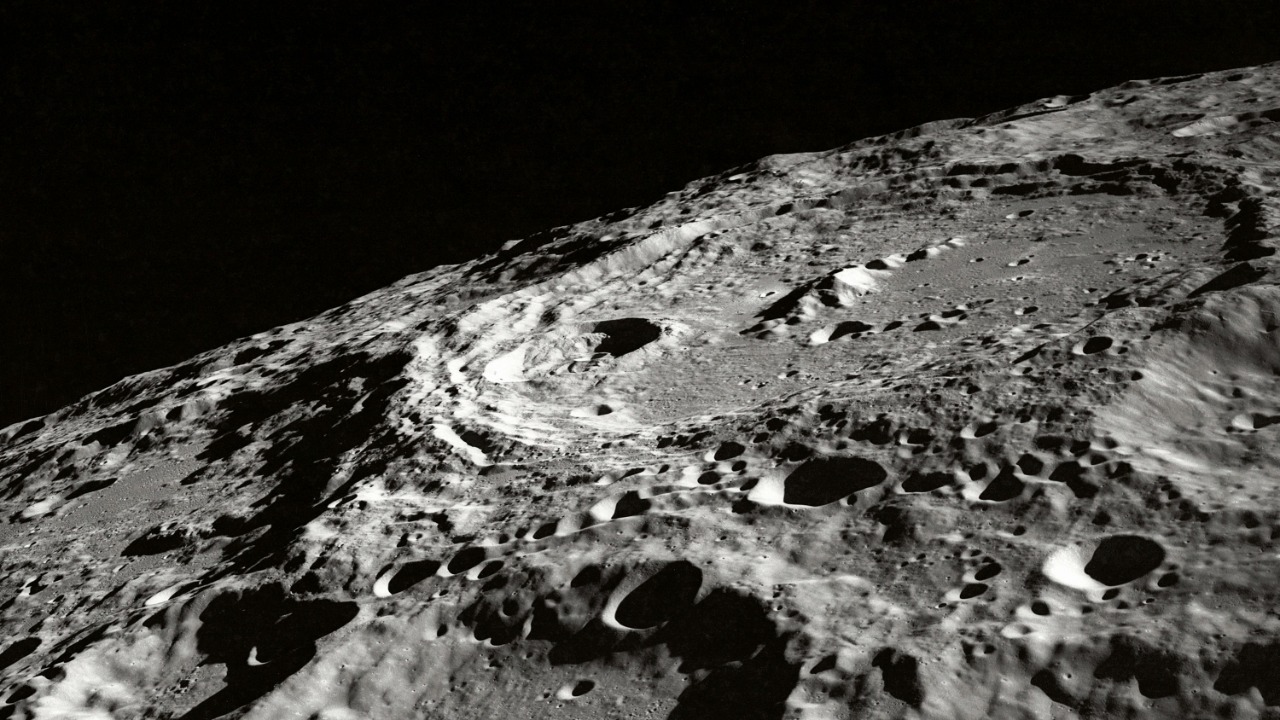
Recent findings suggest that water molecules are present on the Moon’s surface, potentially transported by solar wind or originating from Earth. This unexpected presence of water, combined with oxygen from Earth’s atmosphere, provides the necessary components for rust formation on the Moon (Nature). The discovery of water on the Moon has been a significant development, challenging previous assumptions about its arid environment.
The presence of water, even in small quantities, is crucial for the formation of rust. The combination of water and oxygen, both potentially delivered by Earth’s magnetotail and solar winds, creates the perfect conditions for hematite to form. This finding not only sheds light on the Moon’s geological processes but also opens up new avenues for understanding the complex interactions between Earth and its satellite (Scientific American).
Implications for Lunar Exploration
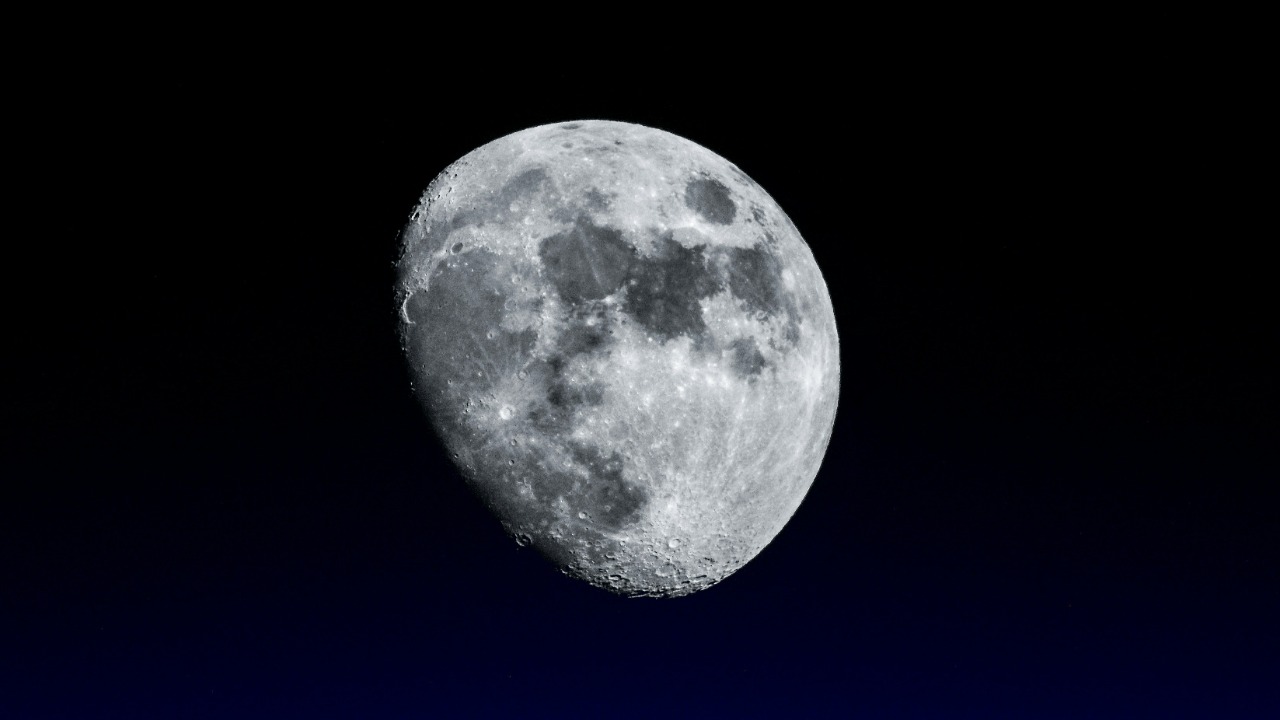
The discovery of rust on the Moon could have significant implications for future lunar missions, affecting both scientific understanding and resource management. The presence of hematite suggests that the Moon’s surface is more dynamic than previously thought, potentially influencing the strategies for future exploration and utilization of lunar resources (MSN).
Understanding the Moon’s interaction with Earth’s atmosphere may also provide insights into the history of both bodies and their evolutionary processes. This knowledge could be crucial for developing sustainable exploration strategies and for understanding the broader implications of planetary interactions within our solar system (Scientific American).
The presence of rust on the Moon suggests that there may be more complex chemical processes occurring on its surface than previously understood. This could lead to a reevaluation of the Moon’s geological history and its potential for hosting other unexpected minerals. For future lunar exploration, this means that missions may need to be equipped with more sophisticated instruments capable of detecting and analyzing these subtle chemical changes, which could provide new insights into the Moon’s past and its ongoing interactions with Earth (MSN).
Furthermore, the discovery of rust could influence the search for water and other resources on the Moon. Understanding how water and oxygen are transported and preserved on the lunar surface could inform strategies for resource extraction and utilization, which are critical for long-term human presence on the Moon. This knowledge might also aid in the development of technologies for in-situ resource utilization, which is essential for sustainable lunar bases and could serve as a model for future exploration of other celestial bodies (Scientific American).
