The world stands on the brink of a momentous event as Earth’s rotation is expected to accelerate, resulting in the shortest day in history. This unforeseen quickening of our planet’s spin has left scientists both perplexed and intrigued, challenging the well-established trend of Earth’s gradual rotational slowdown.
The Phenomenon of Earth’s Rotation

Earth’s rotation is a fundamental aspect of our planet’s dynamics, dictating the length of our days and nights. Normally, Earth completes one full rotation on its axis approximately every 24 hours. This rotation, combined with Earth’s orbit around the Sun, creates the familiar cycle of day and night. However, the length of a day is not fixed and can fluctuate due to various factors, including gravitational interactions with the Moon and other celestial bodies.
Historically, Earth’s rotation has been gradually slowing down, a phenomenon attributed to tidal friction caused by the gravitational pull of the Moon. This deceleration results in longer days over millennia. Yet, recent observations indicate a deviation from this pattern, with Earth’s rotation unexpectedly accelerating. This anomaly has profound implications, potentially affecting timekeeping, satellite operations, and sensitive technologies reliant on precise timing.
Scientific Explanation Behind the Acceleration

The sudden acceleration of Earth’s rotation has led scientists to explore various theories and hypotheses to explain this phenomenon. Some experts suggest that changes in atmospheric pressure, possibly influenced by climate change, could be altering the planet’s angular momentum. Seismic activities, such as large-scale earthquakes, might also contribute by redistributing Earth’s mass and affecting its rotational speed.
Additionally, the interplay of external forces, such as gravitational interactions with celestial bodies, and internal dynamics, such as the movement of Earth’s molten core, could be influencing this unexpected speed-up. Geophysicists and astronomers are actively investigating these factors. Leading experts are keenly observing the situation, sharing insights and raising questions about how these forces might be working together to affect Earth’s rotation.
Impact on Global Systems
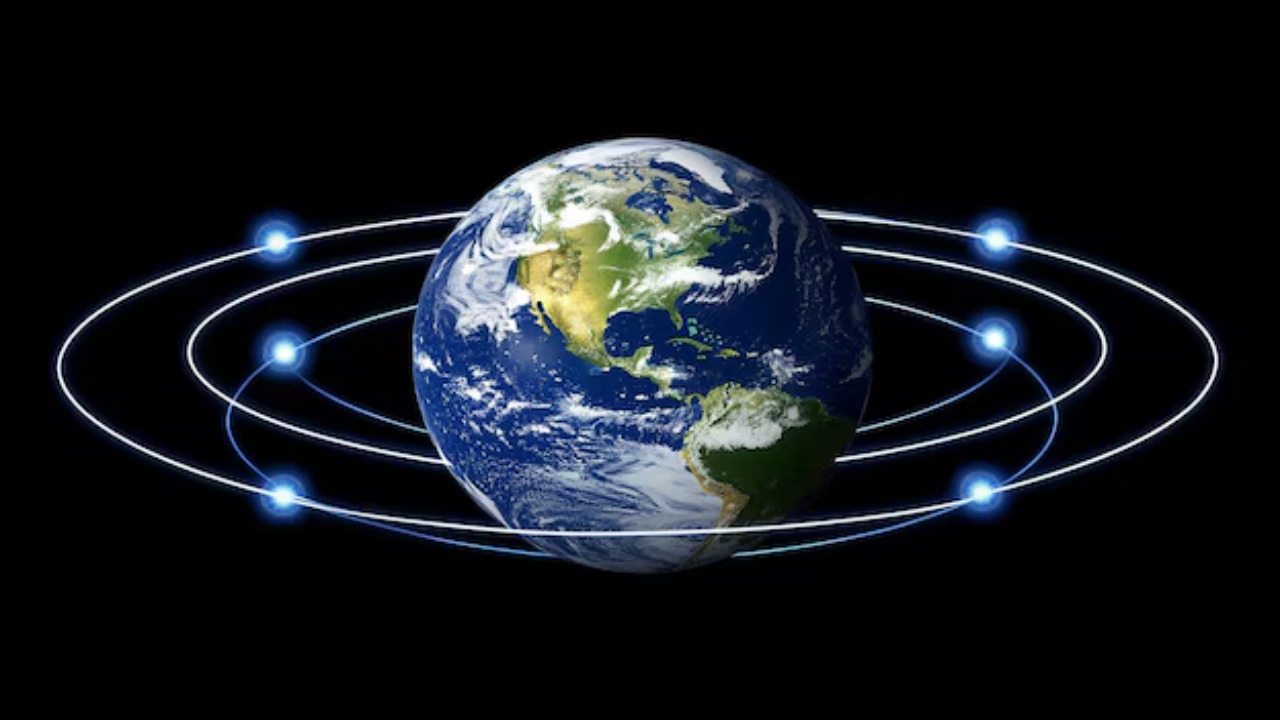
The acceleration in Earth’s rotation has significant implications for global systems, particularly in timekeeping and calendar systems. A shorter day could necessitate adjustments, such as the introduction of leap seconds, to maintain the accuracy of atomic clocks and ensure synchronization with astronomical time. These adjustments are critical for various applications, including global positioning systems (GPS) and international communication networks.
Moreover, the technology sector might face challenges as satellite systems, which rely on precise timing for navigation and data transmission, must adapt to the altered rotational dynamics. The environmental impact of this acceleration is less clear, but some speculate that changes in rotation could influence weather patterns or disrupt animal migration, affecting ecosystems worldwide.
Public and Scientific Reactions
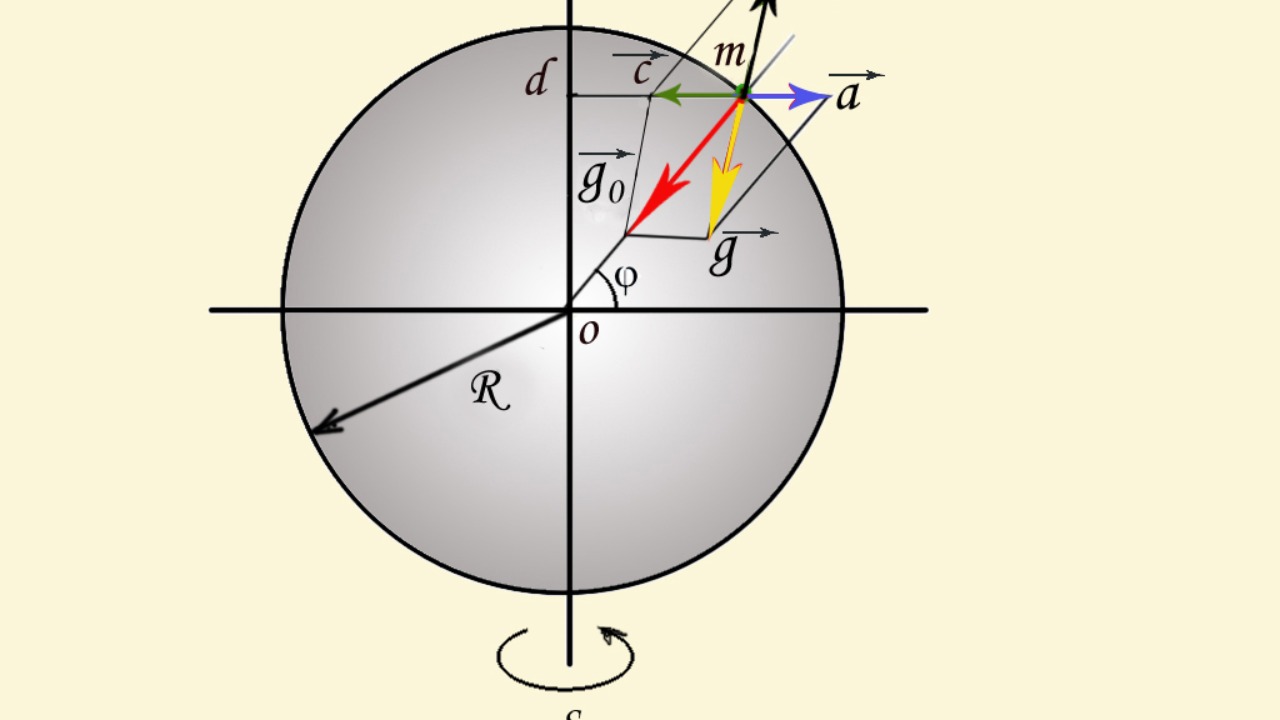
The scientific community is responding with both excitement and concern to this unexpected event. While some researchers view it as a unique opportunity to study Earth’s dynamic processes, others express caution about the potential long-term implications. Public interest in this phenomenon is growing, with widespread media coverage across various platforms capturing the imagination of audiences worldwide.
As scientists continue to monitor the situation, plans for future research and observation are underway. This will help determine whether this acceleration is a temporary anomaly or indicative of a more significant shift in Earth’s rotational behavior. The potential for ongoing changes in Earth’s rotation underscores the importance of maintaining vigilant observation and study.
Looking Ahead
In light of this unprecedented event, scientists and policymakers are contemplating strategies to prepare for potential future changes in Earth’s rotation. The need for a robust framework to respond to such unexpected phenomena is becoming increasingly apparent. This includes enhancing our predictive capabilities and improving our understanding of the complex forces influencing Earth’s dynamics.
The possibility of further changes in Earth’s rotational speed highlights the importance of continued research in Earth sciences. By deepening our understanding of planetary dynamics, we can better anticipate and respond to changes that impact both our technological systems and natural environments. This event serves as a reminder of the intricate and ever-evolving nature of our planet, urging continued exploration and discovery.
