Groundbreaking research published recently suggests that plate tectonics, the geological phenomenon that shapes our planet’s surface, may have played a pivotal role in the emergence of life on Earth. This discovery not only sheds light on Earth’s unique path to life but also provides a critical framework for astrobiologists in their search for signs of life on other worlds, emphasizing the potential of tectonic activity as a universal biomarker for habitable exoplanets.
The Role of Plate Tectonics in Earth’s Geology
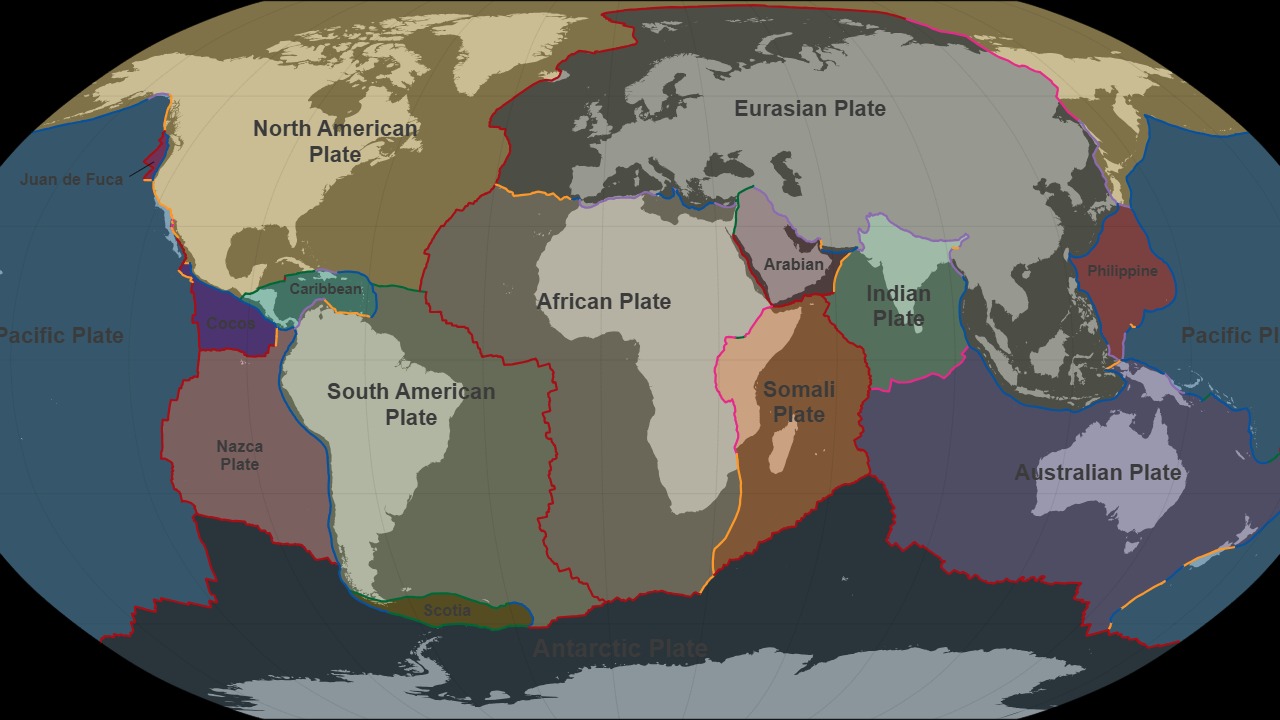
Plate tectonics is the theory that explains the large-scale motions of Earth’s lithosphere. The lithosphere, Earth’s outermost shell, is divided into several large and small plates that move relative to each other. These plates interact at their boundaries, leading to various geological phenomena such as earthquakes, volcanic activity, and the creation of mountain ranges and ocean trenches.
One of the key processes involved in plate tectonics is the recycling of Earth’s crust. This occurs through subduction, where one tectonic plate is forced under another, and seafloor spreading, where new crust is formed at divergent boundaries. These processes have maintained a dynamic surface on Earth over billions of years. Evidence from Earth’s geological record, such as ancient mountain ranges and ocean basins, suggests that plate tectonics has been active for at least 3 billion years, according to Live Science.
Linking Plate Tectonics to the Origins of Life
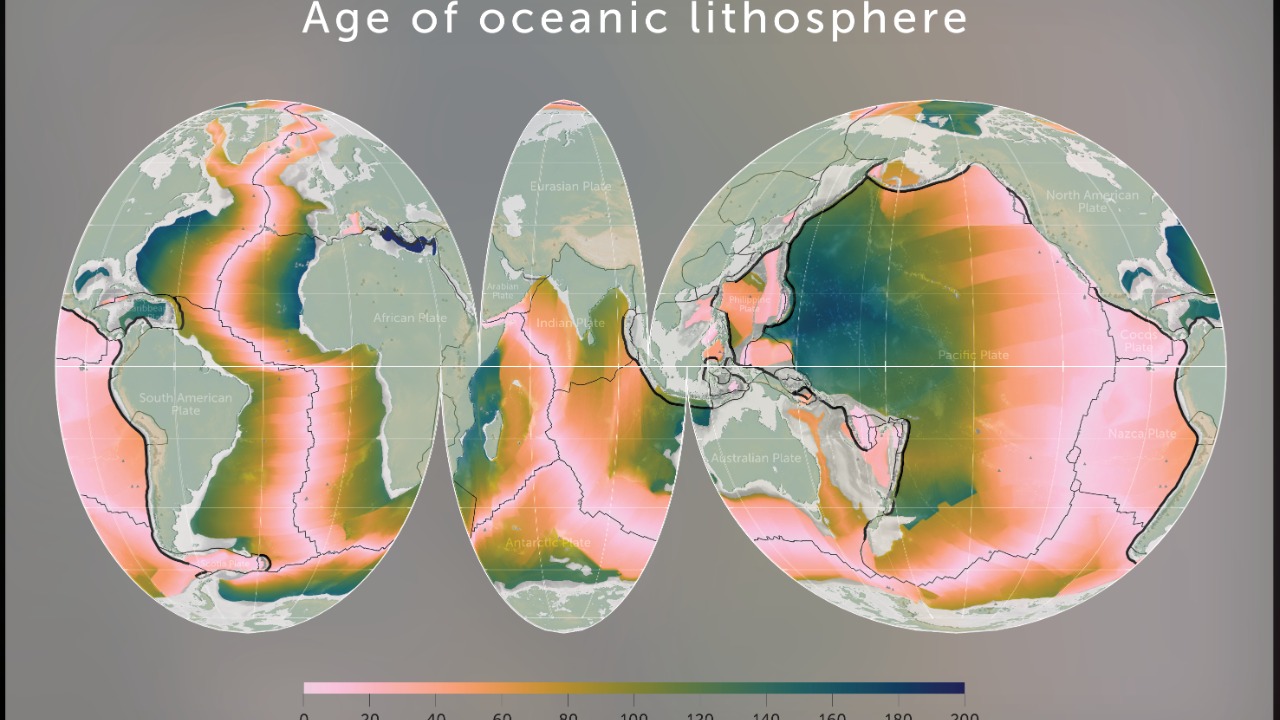
Plate tectonics may have played a crucial role in the origins of life by concentrating essential minerals and chemicals in hydrothermal vents. These underwater structures, formed by tectonic activity, could have provided the energy and building blocks necessary for the development of early microbial life.
Additionally, tectonic activity may have regulated Earth’s climate by cycling carbon dioxide. This process could have prevented runaway greenhouse effects and stabilized temperatures conducive to life. Research findings also suggest that plate collisions may have triggered significant oxygenation events, such as the Great Oxidation Event around 2.4 billion years ago, which enabled the evolution of complex life forms.
Further supporting the link between plate tectonics and the origins of life, studies have shown that tectonic activity can create a diverse range of habitats, such as deep-sea trenches and hydrothermal vents, which harbor unique ecosystems. These environments, often isolated from the rest of the biosphere, can host extremophiles, organisms that thrive in extreme conditions. This diversity of life forms and habitats suggests that plate tectonics could have facilitated the evolution of life in various niches, increasing the overall resilience and adaptability of life on Earth.
Moreover, the role of plate tectonics in the carbon cycle is crucial. By facilitating the burial of organic matter and the release of carbon dioxide through volcanic activity, plate tectonics has a direct impact on the global carbon cycle. This cycle is fundamental to life as we know it, influencing climate, atmospheric composition, and the availability of nutrients. The interplay between plate tectonics and the carbon cycle could have created a stable environment for life to flourish.
Evidence from Earth’s Historical Record
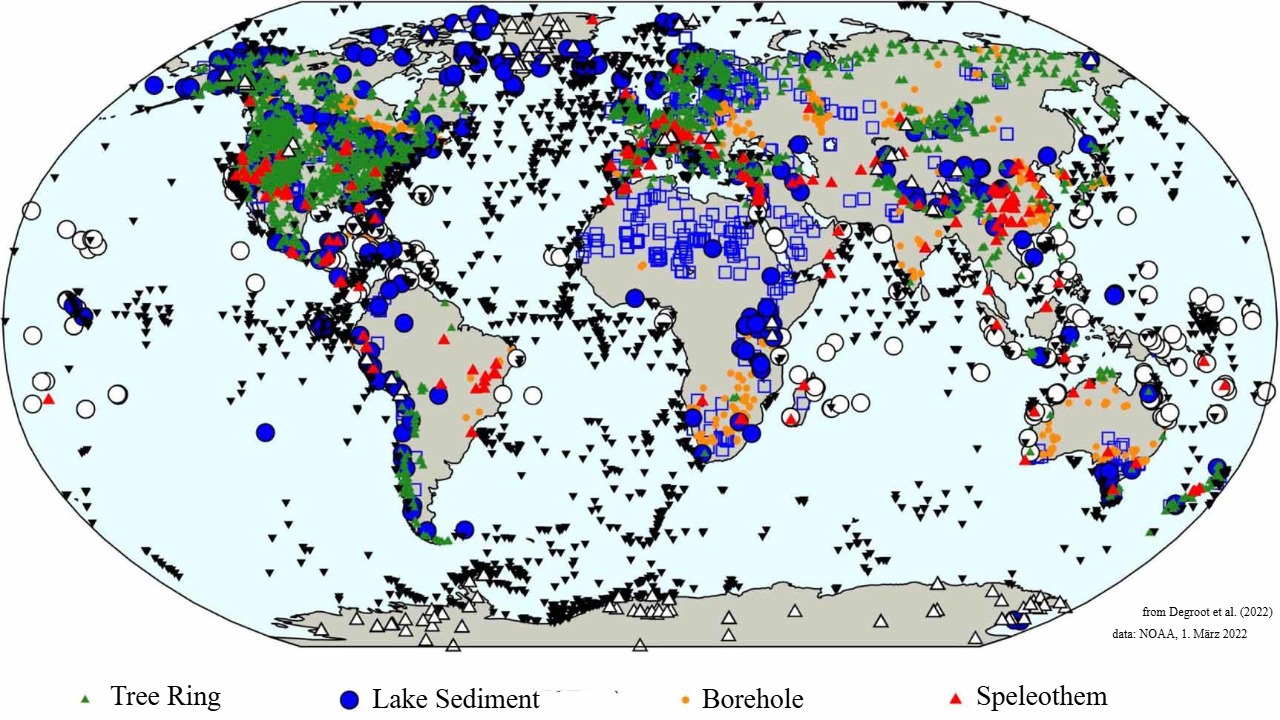
Geological proxies like zircon crystals from Western Australia, dated to 4.4 billion years ago, indicate early tectonic activity and the presence of liquid water, both essential for life. In contrast, the absence of plate tectonics on Mars and Venus led to stagnant lids and uninhabitable surfaces, highlighting the importance of a mobile crust for life.
Studies of supercontinents like Rodinia, which formed around 1.1 billion years ago, also provide evidence for the role of plate tectonics in life’s evolution. The formation and breakup of such supercontinents would have significantly influenced nutrient distribution, potentially supporting evolutionary bursts.
Another compelling piece of evidence comes from the analysis of ancient rocks known as greenstones. These rocks, formed from volcanic activity associated with plate tectonics, contain traces of early life in the form of microfossils and chemical signatures. Greenstone belts, found in regions like Western Australia and South Africa, provide a window into the early Earth and the conditions that may have fostered life.
Furthermore, the study of ancient glaciations, known as ‘Snowball Earth’ events, also underscores the importance of plate tectonics. These extreme ice ages, which may have covered the entire planet in ice, were likely ended by the buildup of carbon dioxide from volcanic activity, a process regulated by plate tectonics. The termination of these glaciations would have created conditions suitable for the explosion of life, as evidenced by the Cambrian explosion that followed the last major Snowball Earth event.
Implications for Habitability Beyond Earth

Plate tectonics might be a rare feature in the solar system, with only Earth exhibiting active plates. This uniqueness suggests that plate tectonics could be a requirement for long-term life support. Astrobiological models now consider plate tectonics as a criterion for evaluating exoplanet habitability, focusing on rocky worlds in habitable zones.
Ongoing missions like NASA’s Europa Clipper, set to launch in 2024, aim to assess if subsurface tectonics on icy moons could mirror Earth’s life-enabling processes. This mission underscores the growing recognition of plate tectonics as a potential indicator of habitability beyond Earth.
Considering the potential universality of plate tectonics, astrobiologists are exploring how tectonic activity could influence the habitability of exoplanets. For instance, plate tectonics could drive the formation of magnetic fields by facilitating the convection of molten iron within a planet’s core. A strong magnetic field could protect a planet’s atmosphere from solar wind erosion, preserving its potential for life.
Moreover, the study of icy moons in our solar system, such as Jupiter’s moon Europa and Saturn’s moon Enceladus, has revealed signs of tectonic-like activity. These icy worlds, despite their harsh surface conditions, may harbor subsurface oceans kept warm by tidal heating, a form of tectonic activity. The potential for life in these subsurface oceans further underscores the importance of tectonic activity for habitability.
Challenges and Ongoing Research
Despite the compelling evidence, debates continue about when plate tectonics began on Earth. Some evidence suggests it started as early as 4 billion years ago, while other estimates propose a later start around 3 billion years. Resolving this debate is crucial for understanding the timing and conditions of life’s emergence.
Researchers are also using laboratory simulations and computer models to test how tectonic forces could synthesize organic compounds under early Earth conditions. International collaborations, such as those from the Deep Carbon Observatory, are advancing our understanding of deep-Earth processes tied to life’s emergence.
One of the challenges in understanding the role of plate tectonics in life’s emergence is the difficulty in studying the deep Earth. The extreme conditions of pressure and temperature make direct observations challenging. However, advancements in technology, such as deep drilling projects and seismic imaging techniques, are providing new insights into the deep Earth and its processes.
Another area of ongoing research is the study of ‘false positives’ in the search for life. For instance, volcanic activity, a product of plate tectonics, can produce gases like methane, which is also a potential biosignature. Distinguishing between biological and geological sources of such gases is a significant challenge in astrobiology.
Searching for Tectonic Signatures on Exoplanets

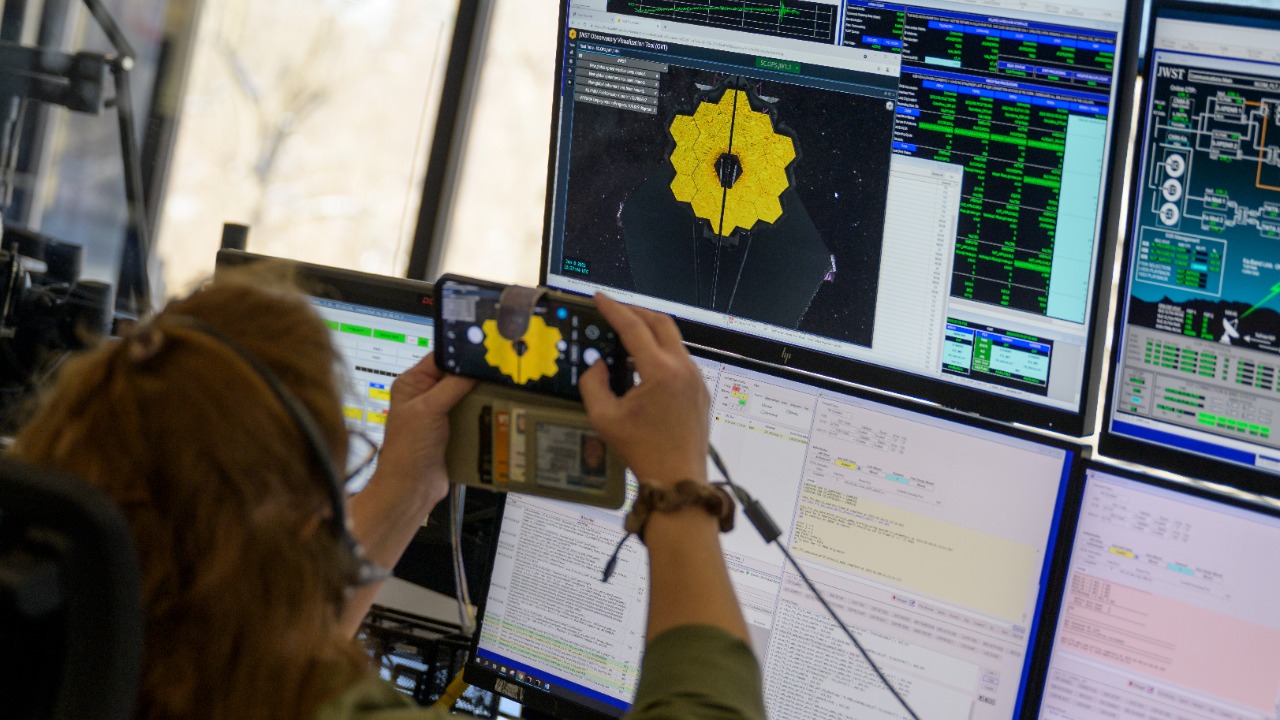
Scientists are developing methods to detect signs of tectonic activity on exoplanets. One approach involves observing atmospheric compositions for signs of volcanic outgassing, which plate tectonics would produce on habitable worlds. Telescope observations from the James Webb Space Telescope, for instance, could identify potential tectonic activity through spectral analysis of exoplanet atmospheres.
Confirming tectonics on a distant planet could prioritize it for biosignature searches, revolutionizing the hunt for extraterrestrial life. As our understanding of plate tectonics’ role in life’s emergence deepens, so too does our hope of finding life elsewhere in the universe.
Another promising method for detecting tectonic activity on exoplanets is the study of their surface features. Future telescopes, equipped with high-resolution imaging capabilities, could potentially observe surface features like mountain ranges and rift valleys, indicative of tectonic activity. However, this method presents significant technical challenges, given the vast distances and the small size of exoplanets relative to their host stars.
Moreover, the study of exoplanet seismic activity, or ‘exoseismology,’ could provide direct evidence of tectonic activity. While currently beyond our technological reach, future advancements could enable the detection of exoplanet quakes, similar to how seismology has revealed the inner workings of Earth’s tectonic activity.
