The Earth’s magnetic field, a silent guardian against harmful solar radiation, has been behaving strangely in recent years. This has sparked many questions and concerns about the implications of such anomalies for our planet. Let’s delve deeper into the intricacies of Earth’s magnetic field and its unusual behavior.
An Overview of Earth’s Magnetic Field
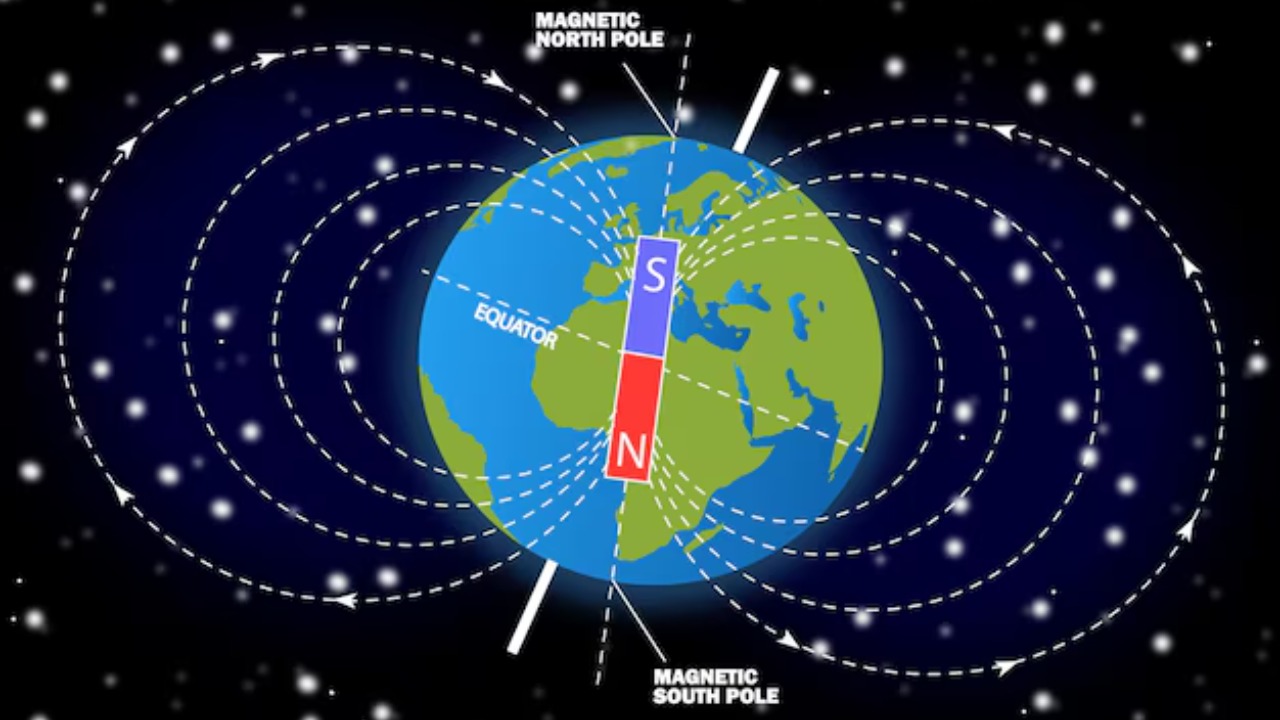
The magnetic field of Earth is a complex and dynamic phenomenon that plays a critical role in shielding our planet. It serves as a protective barrier against charged particles from the sun, deflecting them away from the Earth’s surface. This protective shield is generated by the movement of molten iron within the Earth’s outer core, creating a dynamo effect.
Not only does the magnetic field provide a shield, but it also helps in navigation, both for humans and migratory animals. Birds, sea turtles, and certain types of fish rely on Earth’s magnetic field to orient themselves and navigate long distances. Despite its crucial importance, the magnetic field is not static; it varies both in strength and direction over time. This dynamic nature, while generally predictable, occasionally displays anomalies raising concerns among scientists.
The Anomalies in Earth’s Magnetic Field

Several instances have been recorded where Earth’s magnetic field has shown erratic behavior. One of the most significant anomalies is the rapid movement of the magnetic North Pole. Over the last century, the magnetic North Pole has been drifting at an average speed of 10 kilometers per year. However, in recent years, this speed has nearly doubled, a rate much faster than predicted by scientists.
The causes behind these anomalies are not entirely understood, but one theory suggests that they may be due to changes in the flow patterns of the molten iron within the Earth’s outer core. These changes can cause disruptions in the generated magnetic field, leading to anomalies. If these disruptions continue, they could potentially lead to a reversal of the Earth’s magnetic poles, a phenomenon known to have occurred several times in Earth’s history, with the last reversal taking place around 780,000 years ago. Read more about these anomalies in this book.
The South Atlantic Anomaly
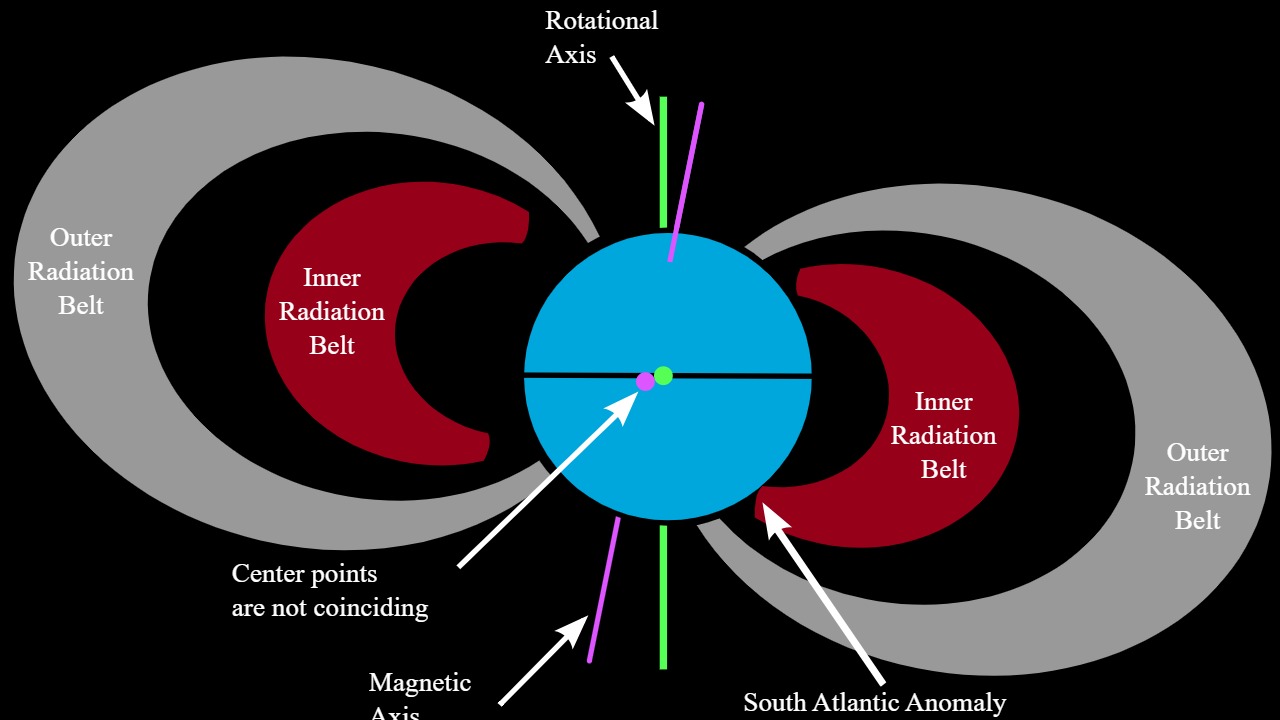
The South Atlantic Anomaly (SAA) is a significant dip in the Earth’s magnetic field strength, which currently extends over much of South America and the southern Atlantic Ocean. This area is unique because it is the only place where the Earth’s inner Van Allen radiation belt comes closest to the Earth’s surface. This results in an increased flux of energetic particles in this region and exposes orbiting satellites to higher-than-usual levels of radiation.
The SAA is of particular concern to international space agencies as it inflicts damages to satellites and spacecrafts that pass through it. When these satellites and spacecrafts pass through the SAA, the increased radiation levels can cause technical malfunctions and compromise the function of onboard electronics. The International Space Station also has to take extra precautions when passing through the SAA. More about this anomaly can be found in this journal.
Black Anti-Auroras: A Rare Phenomenon
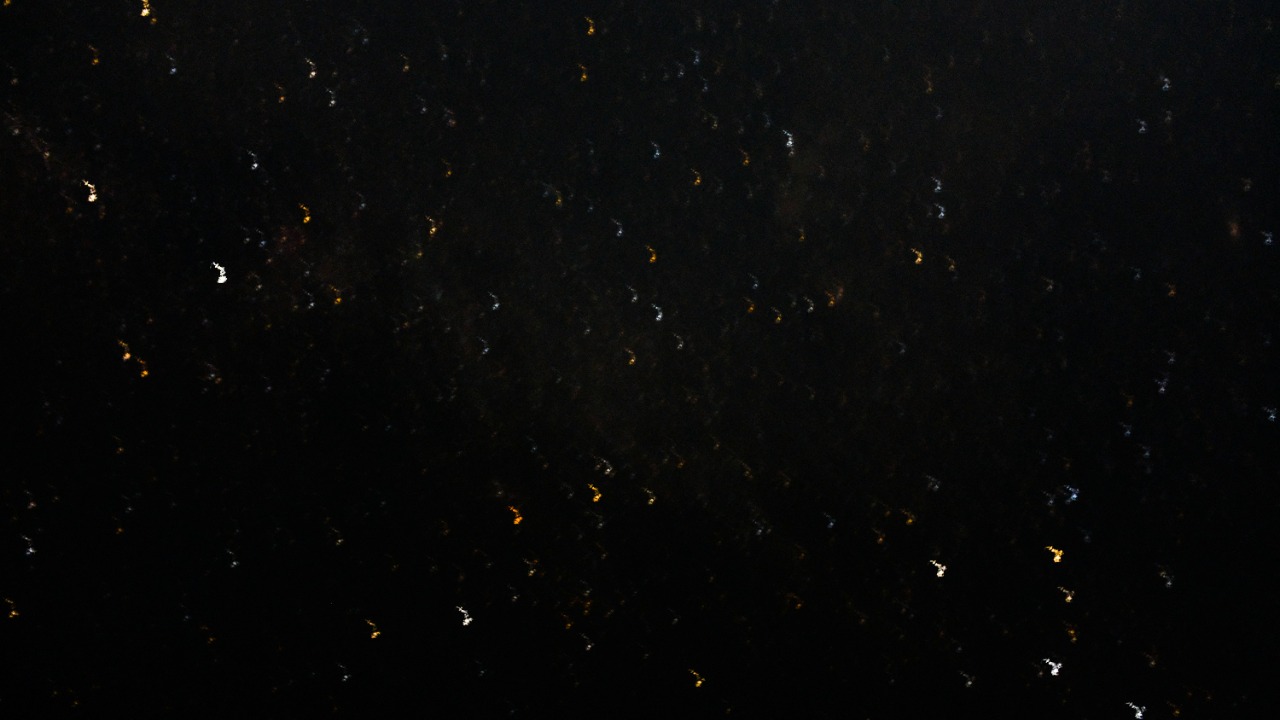
Black anti-auroras, also known as black auroras, are a rare and less understood phenomenon associated with Earth’s magnetic field. Unlike the bright, colorful auroras that light up the polar skies, black anti-auroras appear as dark spots or arcs against the brighter background of a traditional aurora. They are formed by particle precipitation patterns that leave gaps in the otherwise bright aurora, creating a ‘negative image’.
These rare events provide essential clues about the Earth’s magnetic field and the processes that generate auroras. More can be learned about this rare phenomenon in this article.
Effects of Magnetic Field Fluctuations on Life

Changes in the Earth’s magnetic field have been known to influence the behavior of various species on Earth. Many migratory animals, like birds and sea turtles, use the Earth’s magnetic field for navigation. Changes in the magnetic field might lead to changes in the migratory patterns of these animals. Some studies have even suggested that fluctuations in the Earth’s magnetic field could influence human behavior and health, potentially affecting everything from mood to cognitive function.
More severe changes, like a full reversal of the magnetic field, could have more drastic effects. In such an event, the strength of the magnetic field decreases significantly, potentially allowing harmful solar radiation to reach the Earth’s surface. While such an event is unlikely to happen soon, it remains a concern for scientists. This article provides an interesting read on this topic.
Scientific Research and Future Implications

Researchers are constantly monitoring the Earth’s magnetic field and studying its anomalies. By understanding these anomalies, scientists can better predict future changes and potentially mitigate their effects. Current research involves studying historical records of the Earth’s magnetic field, monitoring its current state, and simulating future scenarios using computer models.
While the thought of the Earth’s magnetic field behaving erratically can be unsettling, it’s important to note that the Earth’s magnetic field has been changing throughout its history, and life has continued to thrive. However, understanding these changes and their potential implications is essential for our future on this planet. For more detailed information on this subject, you can refer to this research paper.
