The Earth’s climate is a dynamic entity, continuously evolving over billions of years with alternating periods of extreme heat and cold. Recent scientific studies indicate that the Earth is subtly tilting towards its next ice age, a process influenced by various factors from Earth’s axial tilt to global climate change.
The Science Behind Earth’s Tilt
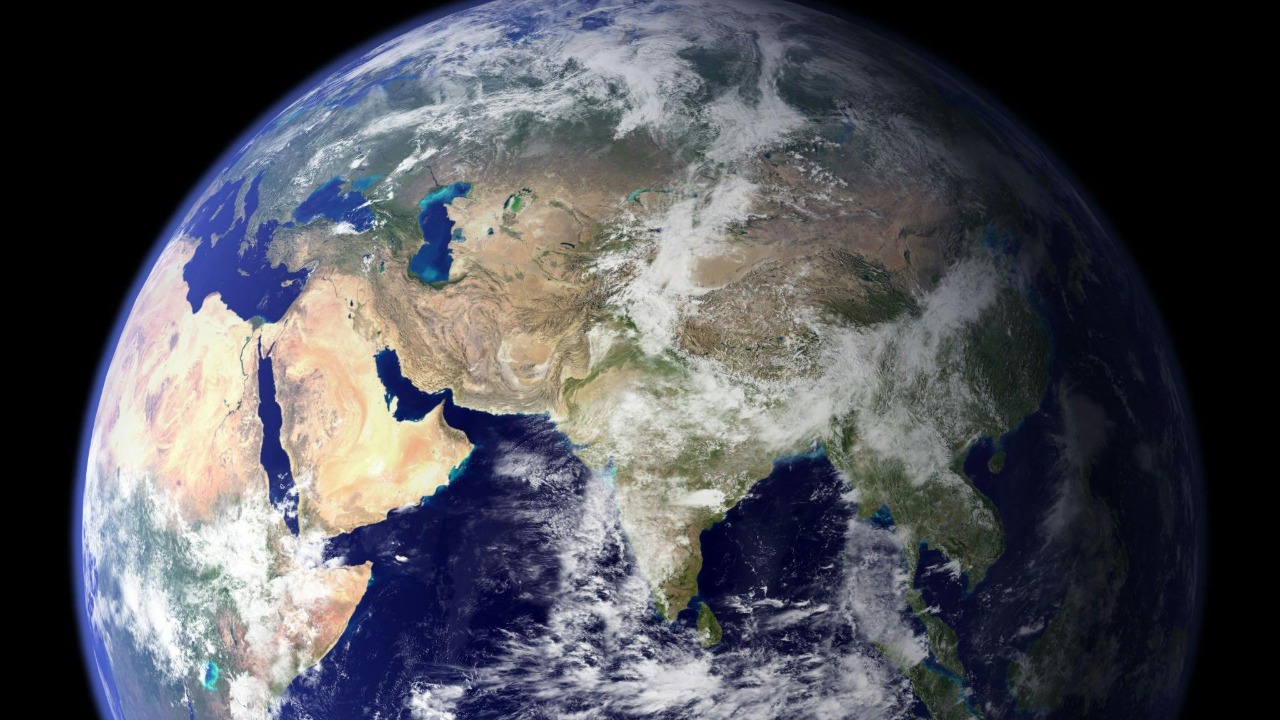
The Earth’s climate is directly tied to its axial tilt. As our planet orbits the sun, it does so at a slight incline, or tilt, relative to the sun. This tilt ranges from 22.1 to 24.5 degrees over a cycle of about 41,000 years. When the tilt is greater, the Earth experiences more variance in climate and extreme seasonal changes.
One of the key factors in Earth’s climate oscillations are Milankovitch cycles. These cycles are a series of periodic variations in Earth’s orbital eccentricity, axial tilt, and precession. They have a profound effect on Earth’s long-term climate patterns, including the onset and duration of ice ages.
Indications of Earth’s Gradual Tilt Towards an Ice Age
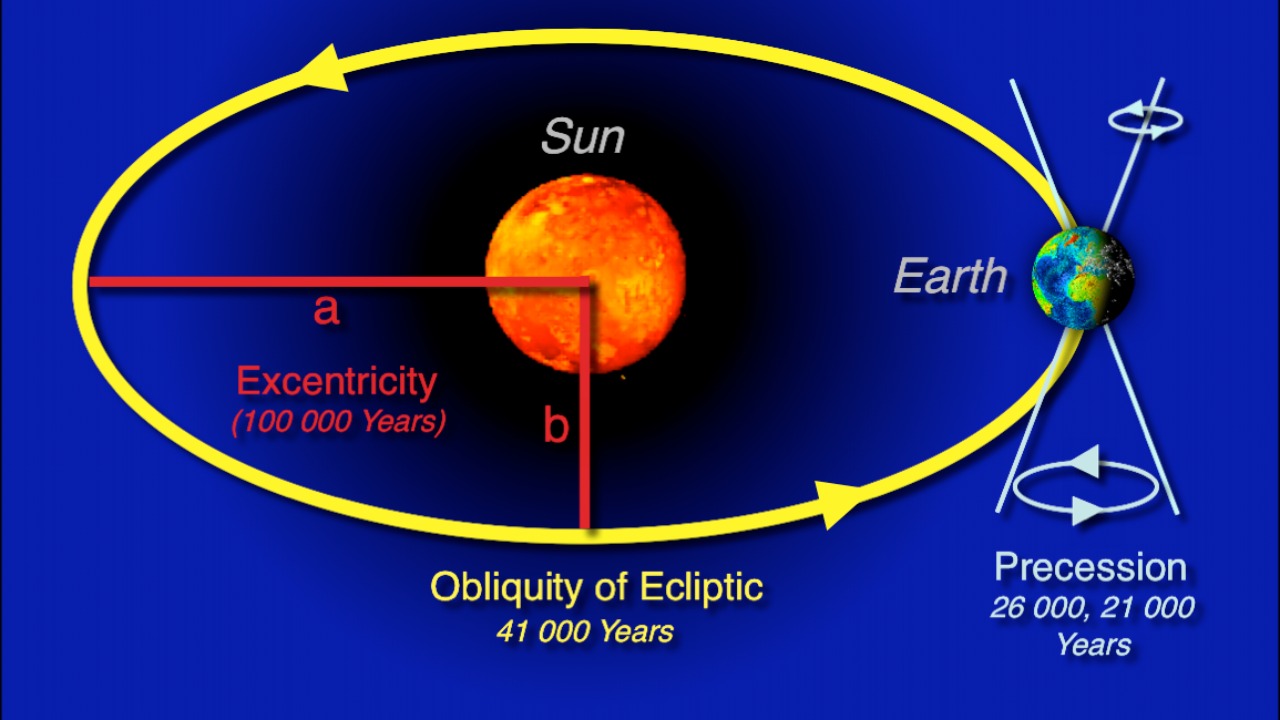
Scientific evidence suggests that Earth is gradually tilting, hinting at another ice age. This tilt influences the amount of solar energy the Earth receives, which ultimately determines the planet’s climate. A decrease in solar energy due to an increase in tilt can result in colder weather.
For instance, sediment cores from the ocean floor show patterns consistent with Milankovitch cycles. These patterns suggest that the Earth is currently in a phase of its cycle that would typically precede an ice age. Moreover, studies of ice cores from Antarctica show similar indications of a shift towards colder conditions.
How This Tilt Might Lead to the Next Ice Age
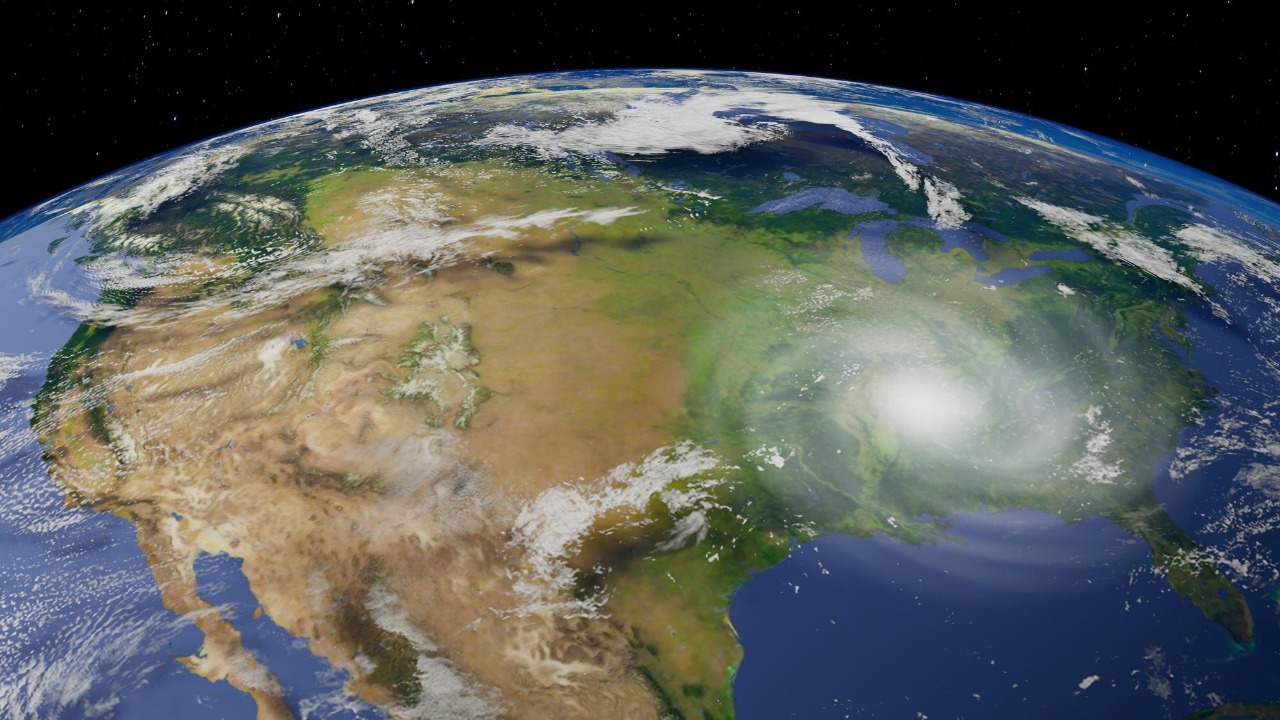
Looking back at the history of Earth’s climate, there’s a clear connection between Earth’s tilt and ice ages. During periods of maximum tilt, or obliquity, the Earth experiences warmer summers and colder winters. Over time, this can lead to the build-up of massive ice sheets, signaling the onset of an ice age.
The timeline and impact of the next ice age, however, are less certain. Some models suggest that the next major ice age could occur within the next 10,000 years, as explained in this Space.com article. Yet, the potential impact of such an event is largely unknown and would depend on a variety of factors, including the extent of global warming at that time.
Climate Change’s Influence on Earth’s Tilt and Rotation
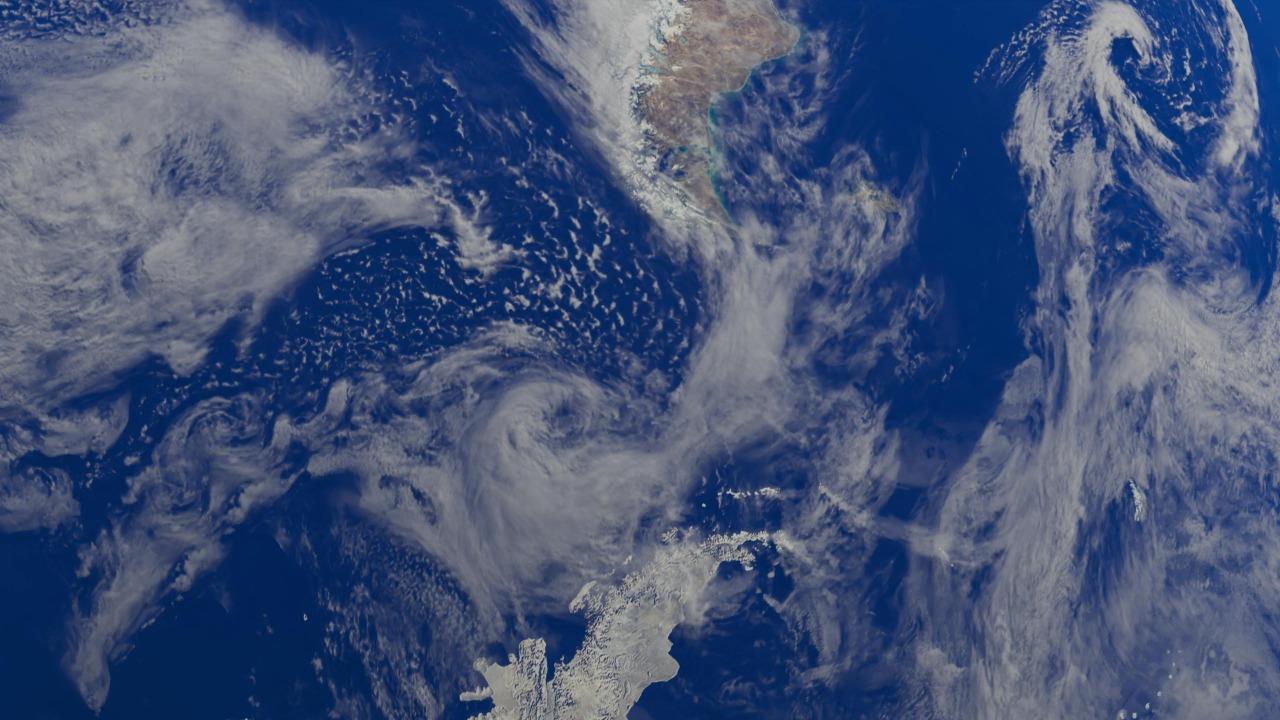
Human-induced climate change could be impacting Earth’s tilt and rotation. As polar ice melts and sea levels rise, the distribution of Earth’s mass changes. This can cause the Earth to wobble on its axis, potentially altering its tilt and rotation.
Research published in Earth.com indicates that climate change is already having an impact on Earth’s rotation. This could have significant implications for the onset of the next ice age, potentially accelerating or delaying it.
The Clash Between Ice Age and Global Warming
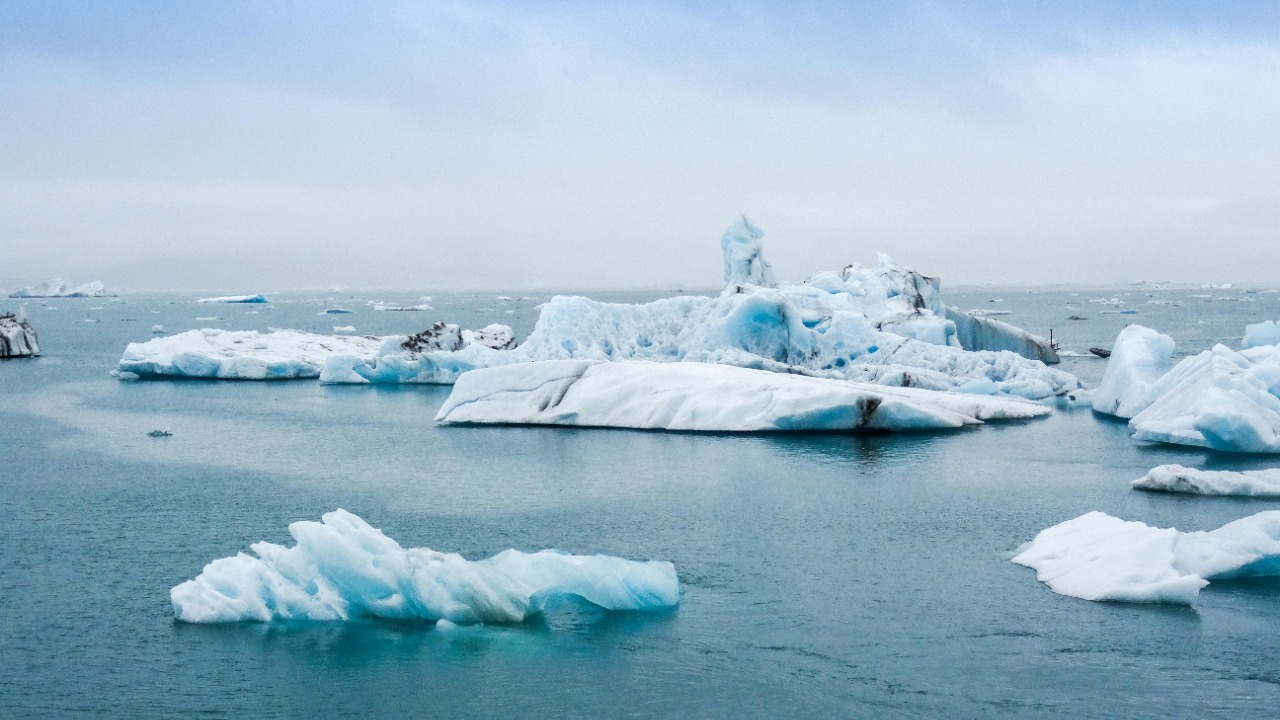
There is a seeming paradox between Earth tilting towards an ice age and the ongoing crisis of global warming. On one hand, Earth’s tilt and other natural cycles suggest a cooling trend. On the other hand, human actions are causing a rapid increase in global temperatures, which could counteract this cooling trend.
Current scientific models and predictions present various outcomes of this clash. Some models suggest that human-induced warming could potentially delay or even prevent the next ice age. However, this is largely speculative as the complex interplay between natural climate cycles and anthropogenic warming is still not fully understood. As such, the future of our planet’s climate remains uncertain.
