A recent long-range drone attack on a Russian military plant has marked a significant escalation in the ongoing Ukraine-Russia conflict. This development raises critical questions about the evolving strategies and technological capabilities of both nations, as well as the potential implications for global security dynamics.
The Significance of the Drone Attack
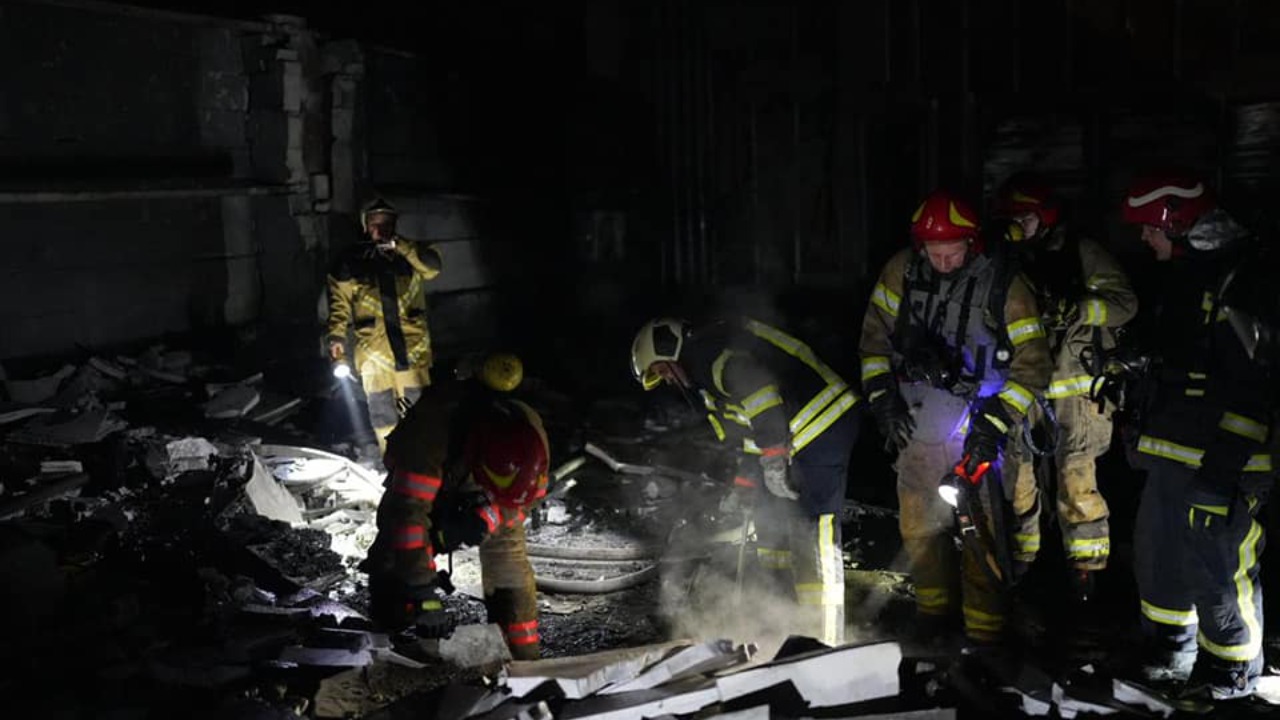
The attack targeted a prominent Russian military plant, employing advanced drone technology to successfully bypass Russian defense systems. The immediate aftermath saw increased military readiness on both sides and a flurry of diplomatic activity as global powers sought to understand the implications. This incident underscores the evolving nature of warfare, where traditional boundaries are increasingly challenged by technological innovations.
Strategically, this attack represents a significant escalation in the conflict, indicating a shift towards more sophisticated and long-range operations. By targeting a critical military asset within Russia, Ukraine is not only demonstrating its growing capabilities but also sending a clear message about its resolve. The use of drones, which offer precision and reduced risk to personnel, highlights how technology is reshaping military strategies in the region.
The advancement of drone technology has revolutionized modern warfare, offering nations the ability to conduct surveillance and execute strikes with unprecedented precision. This incident is a testament to the growing importance of drone technology in contemporary military conflicts, where control of the skies can significantly influence the outcome on the ground.
Historical Context of the Ukraine-Russia Conflict
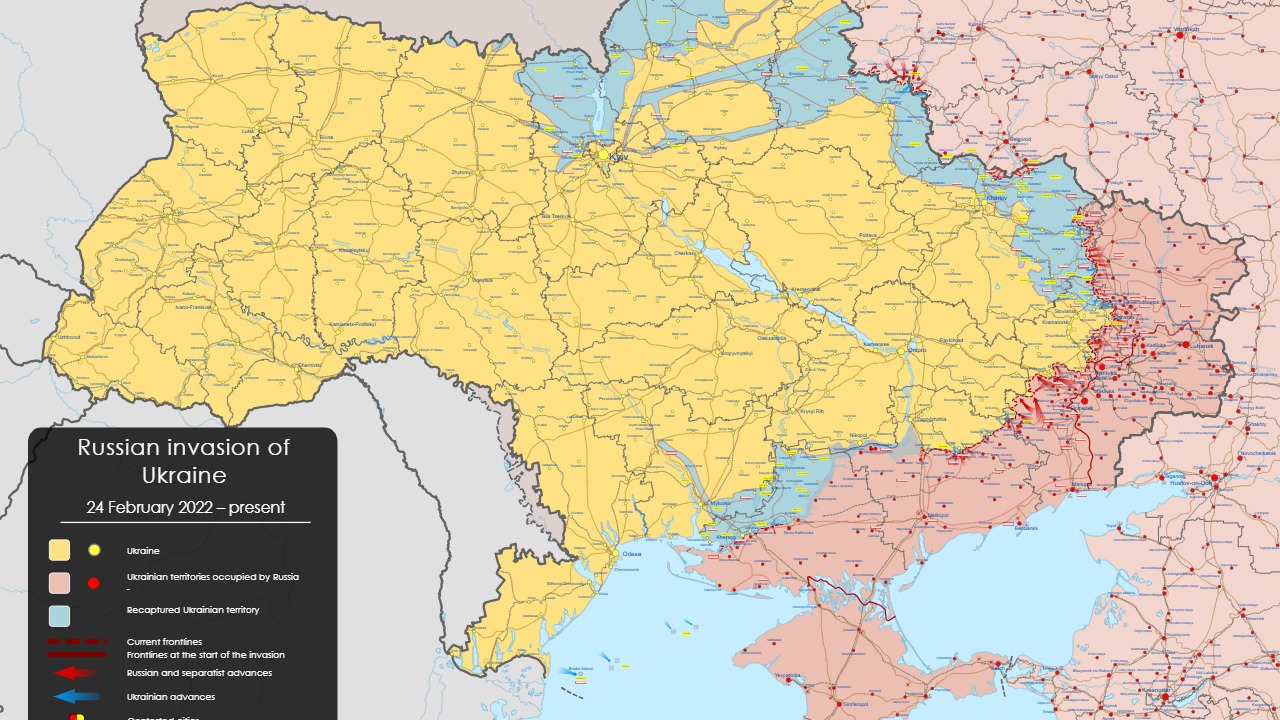
The Ukraine-Russia conflict has a complex history, with key events shaping its trajectory. The annexation of Crimea in 2014 marked a turning point, leading to ongoing tensions and sporadic escalations. Over the years, various confrontations have occurred, each contributing to the current state of affairs. Understanding these historical milestones is crucial to comprehending the current dynamics at play.
Past escalations have often resulted in temporary ceasefires or diplomatic efforts to de-escalate the situation. However, they have also led to periods of intense military activity and increased international involvement. The international community has responded to these developments with a mix of sanctions, diplomatic pressure, and, in some cases, military support for Ukraine.
Global powers have consistently played a significant role in the conflict, with NATO and the European Union issuing statements and implementing measures aimed at deterring further aggression. The ongoing developments demand close attention from the international community, as they have far-reaching implications for regional stability and global security dynamics.
Military and Technological Developments

The evolution of drone warfare has been a game-changer in military strategy, allowing for targeted operations with minimal risk to personnel. The recent attack on the Russian military plant illustrates how advancements in drone technology are being leveraged to achieve strategic objectives. This shift is prompting nations to reevaluate their defense capabilities and adapt their strategies accordingly.
Russia’s military capabilities, while formidable, have shown vulnerabilities in the face of evolving technological threats. The attack highlights potential weaknesses in its defense systems, prompting questions about the effectiveness of its current military infrastructure. This incident serves as a reminder that even the most advanced defense systems must continually evolve to address emerging threats.
Ukraine, on the other hand, has demonstrated strategic innovation by adapting its military tactics to incorporate cutting-edge technology. This adaptability has been crucial in countering Russia’s numerical and technological advantages, showcasing Ukraine’s resilience and strategic acumen in the face of ongoing challenges.
Implications for Global Security
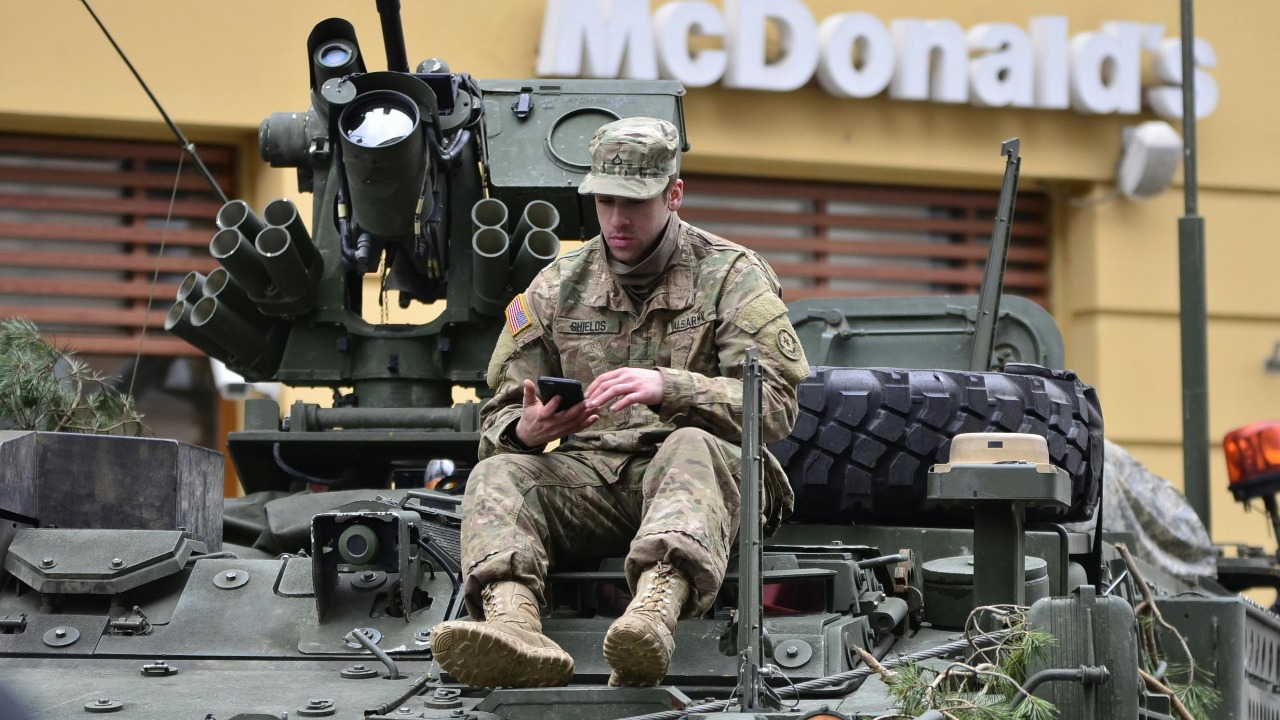
The recent escalation has significant implications for regional stability, threatening to destabilize neighboring countries and potentially drawing them into the conflict. The proximity of the conflict to NATO member states raises concerns about the potential for a broader regional confrontation, necessitating vigilance and preparedness from the international community.
NATO and other international alliances play a crucial role in deterring further escalation, with their collective military capabilities serving as a counterbalance to aggressive actions. The ongoing conflict underscores the importance of these alliances in maintaining stability and preventing a wider-scale conflict.
Looking ahead, the future of the Ukraine-Russia conflict remains uncertain. Various scenarios are possible, ranging from a drawn-out stalemate to a potential resolution through diplomatic means. The international community must remain engaged, leveraging diplomatic channels and strategic partnerships to navigate the complexities of this evolving situation.
Diplomatic and Political Ramifications

The recent drone attack complicates ongoing peace talks, with both sides likely to reassess their negotiating positions in light of the escalation. This development could stall potential diplomatic breakthroughs, underscoring the challenges of achieving a lasting resolution in a complex and volatile conflict.
Politically, the attack has significant repercussions within both Russia and Ukraine. In Russia, it may lead to increased militarization and a tightening of internal security measures. In Ukraine, the incident could bolster national unity and resolve, while also influencing domestic political dynamics as leaders navigate the challenges of a prolonged conflict.
On the global stage, countries are carefully positioning themselves in response to the conflict, balancing strategic interests with diplomatic considerations. The international community’s response will be crucial in shaping the trajectory of the conflict and determining the prospects for peace in the region. For further insights into the unfolding situation, readers may refer to this detailed analysis.
