SpotitEarly, a standout participant in the Startup Battlefield competition, has developed a groundbreaking cancer detection system that combines the olfactory prowess of dogs with advanced AI technology. This innovative approach aims to facilitate non-invasive, early-stage cancer screening by analyzing breath or urine samples for scents associated with common cancers such as breast and lung cancer. By merging biological and machine learning techniques, SpotitEarly positions itself as a leader in accessible diagnostics, offering a promising solution for early cancer detection.
Company Origins and Founding

SpotitEarly was founded around 2023 with a mission to provide affordable early cancer detection, particularly in underserved areas. Although specific details about the CEO’s name and the exact founding location are not provided, the company’s inception was driven by the pressing need for accessible healthcare solutions. The initial funding rounds included a seed investment of $2.5 million from investors focused on biotech innovations, underscoring the potential impact of SpotitEarly’s technology (source).
The team behind SpotitEarly is a diverse group of professionals, including veterinarians, AI specialists, and oncologists, who collaborate to refine the core concept. This multidisciplinary approach ensures that the technology is both scientifically robust and practically applicable, setting the stage for significant advancements in cancer diagnostics (source).
The Role of Canine Detection
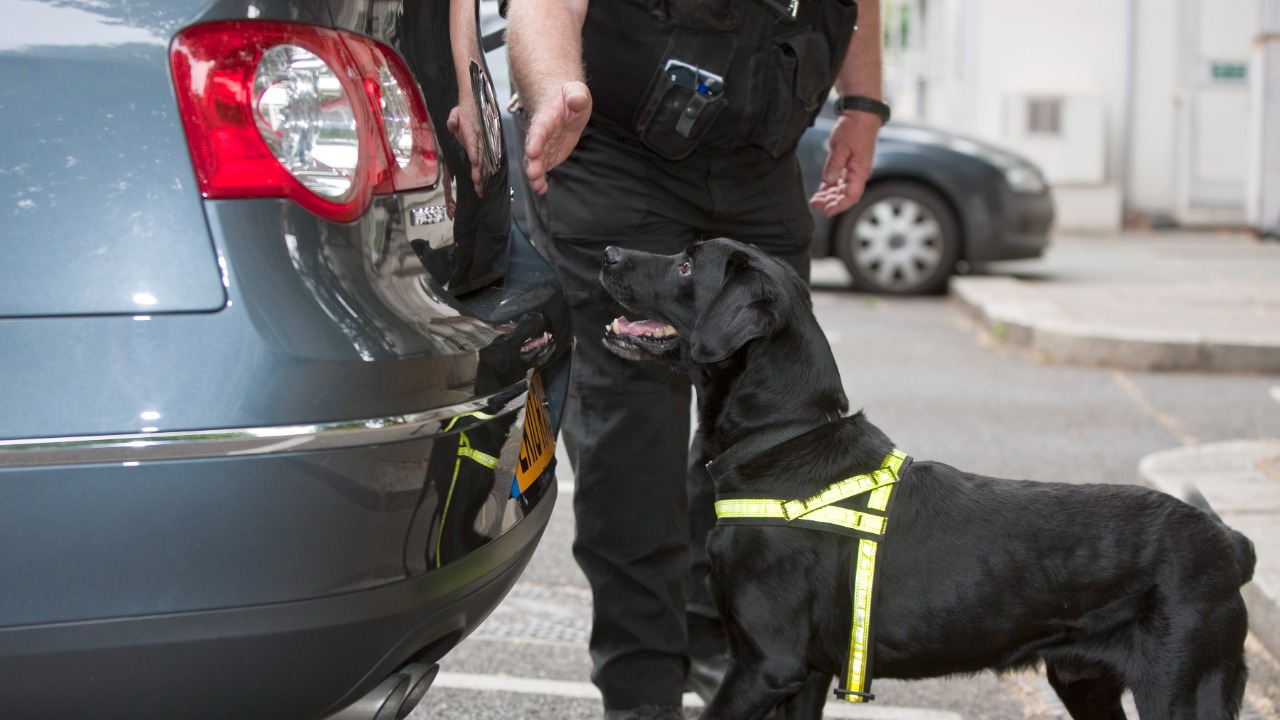
Dogs play a crucial role in SpotitEarly’s cancer detection system due to their extraordinary sense of smell, which can detect volatile organic compounds (VOCs) at parts per trillion. This capability forms the foundation of the company’s screening process, allowing for the identification of cancer-related scents in biological samples (source).
SpotitEarly selects specific dog breeds, such as Labrador Retrievers, for their reliability in scent work. These dogs undergo a rigorous six-month training program to hone their detection skills. In pilot tests, the dogs demonstrated a remarkable 92% accuracy rate in detecting colorectal cancer samples, showcasing their potential as a non-invasive diagnostic tool (source).
Integrating AI with Canine Capabilities

The integration of AI into SpotitEarly’s detection system enhances the precision and scalability of the technology. The AI system processes data from dog alerts, using machine learning algorithms to pattern-match scents and improve diagnostic accuracy. This approach helps reduce false positives and increases the reliability of the screening process (source).
SpotitEarly has developed a proprietary AI model trained on datasets from over 5,000 patient samples. This extensive training allows the AI to simulate dog training virtually, eliminating the need for live animals and making the system more scalable. By leveraging AI, SpotitEarly aims to make cancer detection more accessible and cost-effective (source).
Training Protocol for Dogs and AI
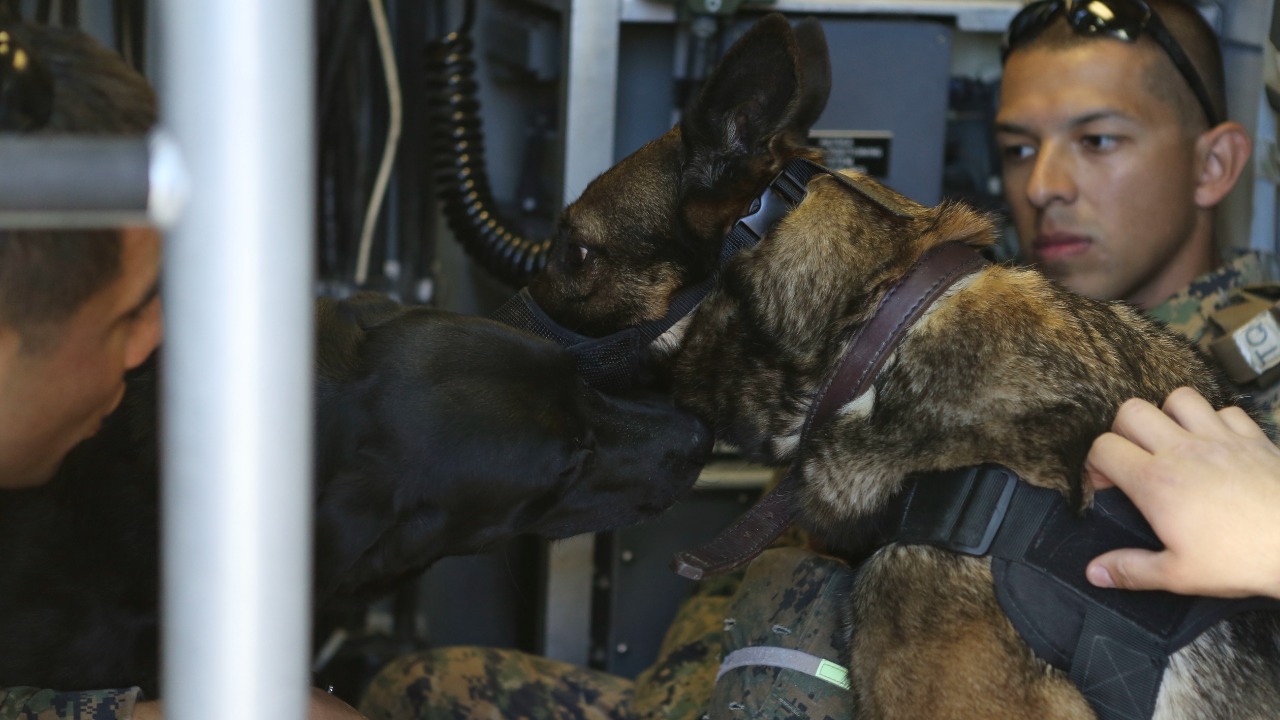
The training regimen for SpotitEarly’s detection system begins with exposing dogs to synthetic cancer scents, followed by real biological samples. This step-by-step approach ensures that the dogs are well-prepared to identify cancer-related VOCs in various samples. Collaboration with veterinary experts is crucial to maintaining the welfare of the dogs, including providing rest periods and health monitoring during training sessions (source).
The AI training phases involve fine-tuning neural networks based on dog response data, achieving a 95% concordance rate. This high level of accuracy demonstrates the effectiveness of combining canine detection with AI technology, paving the way for more reliable cancer screening methods (source).
Targeting Common Cancers
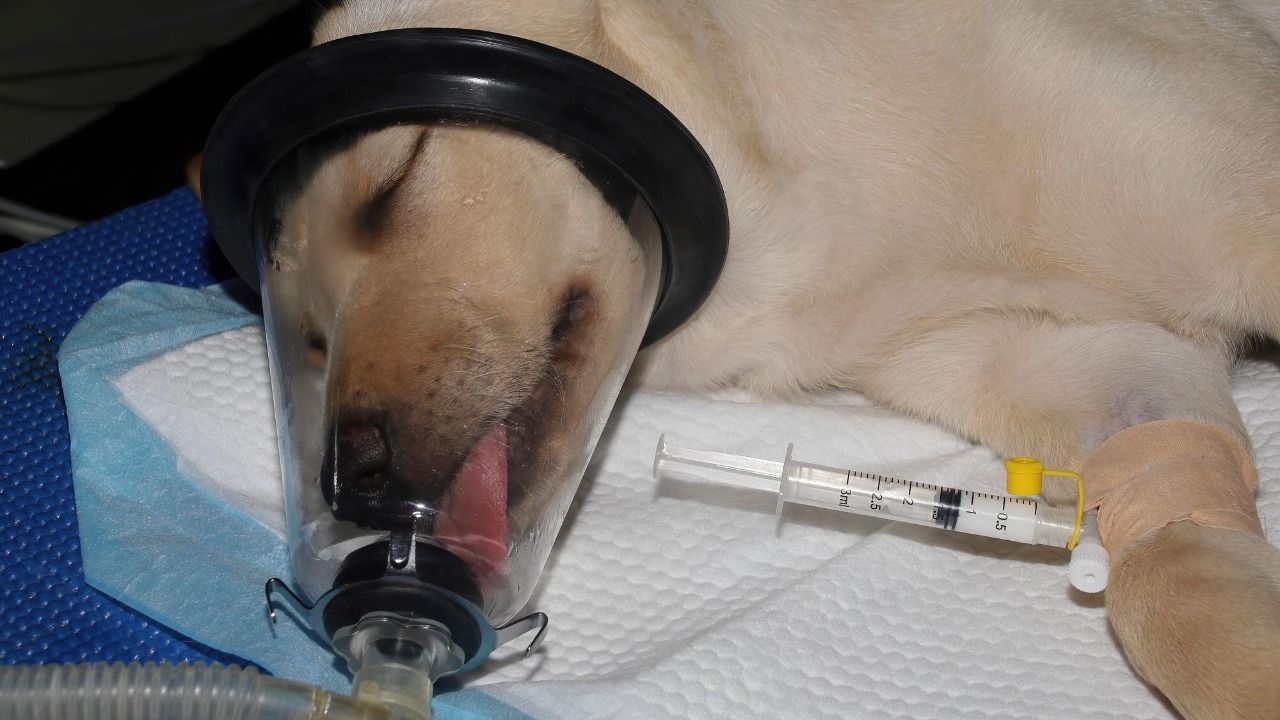
SpotitEarly’s detection system focuses on identifying specific VOC biomarkers in breath samples for breast cancer detection. This method offers early-stage sensitivity, which is crucial for improving patient outcomes. The technology also has applications in lung cancer screening, particularly for high-risk smokers, using non-invasive urine tests (source).
In colorectal cancer trials, the system achieved a 90% specificity rate in initial human studies. This level of accuracy highlights the potential of SpotitEarly’s technology to revolutionize cancer diagnostics, providing a reliable and accessible screening option for various types of cancer (source).
Participation in Startup Battlefield

SpotitEarly’s selection for the 2025 Startup Battlefield event underscores its innovative approach to cancer detection. Competing among 100 global startups for $100,000 in prizes, the company showcased live dog demonstrations and AI analytics during its pitch presentation on October 9, 2025. This opportunity allowed SpotitEarly to highlight the unique capabilities of its hybrid detection model (source).
Feedback from judges praised the innovation of combining canine detection with AI, although questions about scalability were raised. This feedback provides valuable insights for SpotitEarly as it continues to refine its technology and explore ways to expand its reach and impact (source).
Clinical Validation and Results

SpotitEarly has partnered with hospitals to conduct pilot studies, reporting an overall accuracy of 88% across 1,200 participants. These promising results demonstrate the potential of the company’s detection system to provide reliable cancer screening in clinical settings. The technology is currently under FDA exploratory status, with Phase II trials planned for 2026 involving 500 patients (source).
Patient testimonials highlight the life-saving potential of early detections, with 15 cases leading to successful treatments. These stories underscore the importance of accessible cancer diagnostics and the impact SpotitEarly’s technology can have on patient outcomes (source).
Challenges in Hybrid Detection
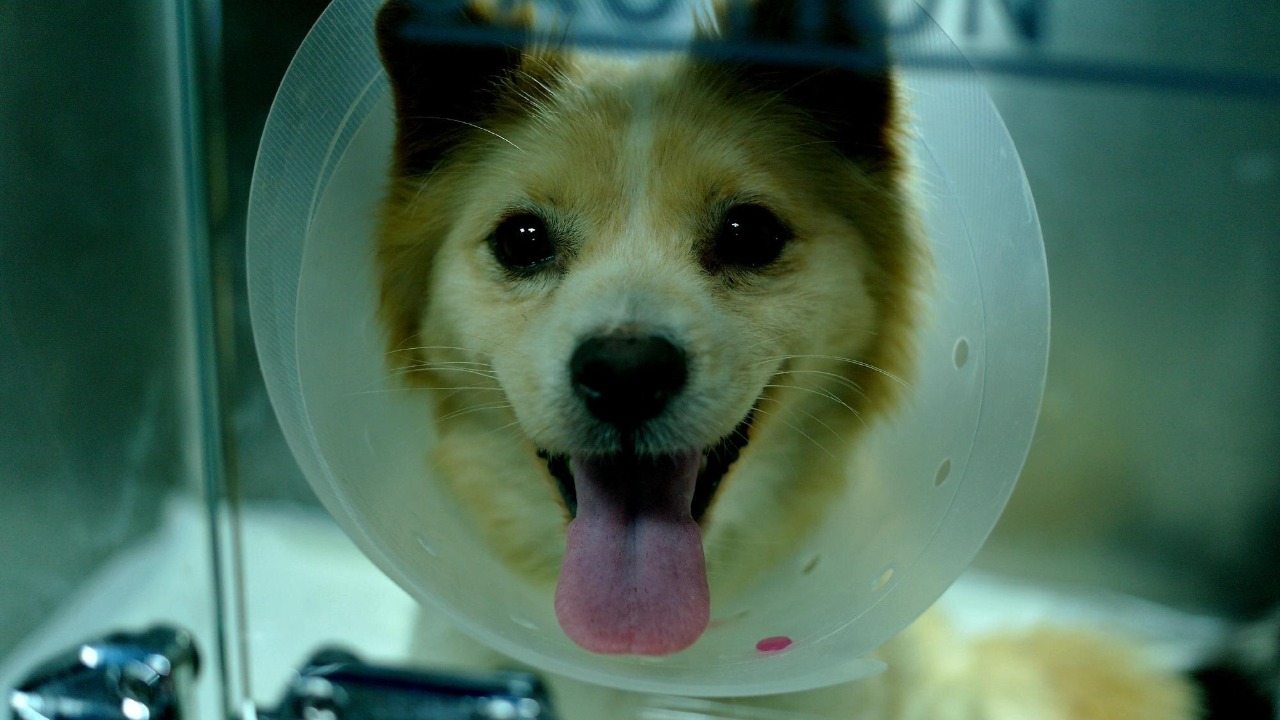
SpotitEarly faces several challenges in maintaining the effectiveness of its hybrid detection system. Logistical hurdles include ensuring the health and well-being of the dogs and standardizing AI interpretations across diverse environments. These challenges highlight the complexity of integrating biological and technological components in a cohesive system (source).
Ethical concerns regarding animal involvement are addressed through SpotitEarly’s protocols for the retirement and adoption of trained dogs. Additionally, the company is working to reduce the cost of its tests, currently priced at $150, with a goal of bringing it under $50 through AI optimization. These efforts aim to make the technology more accessible and sustainable (source).
Future Expansion and Impact

SpotitEarly plans to expand globally, targeting clinics in Europe and Asia by 2027 with localized training programs. This expansion aims to increase the accessibility of cancer diagnostics worldwide, particularly in regions with limited healthcare resources. The company is also exploring the potential to detect additional cancers, such as prostate cancer, based on ongoing VOC research (source).
The broader healthcare impact of SpotitEarly’s technology is significant, with an estimated 20% increase in early detections for low-resource settings. By providing a reliable and cost-effective screening option, SpotitEarly has the potential to transform cancer diagnostics and improve patient outcomes on a global scale (source).
