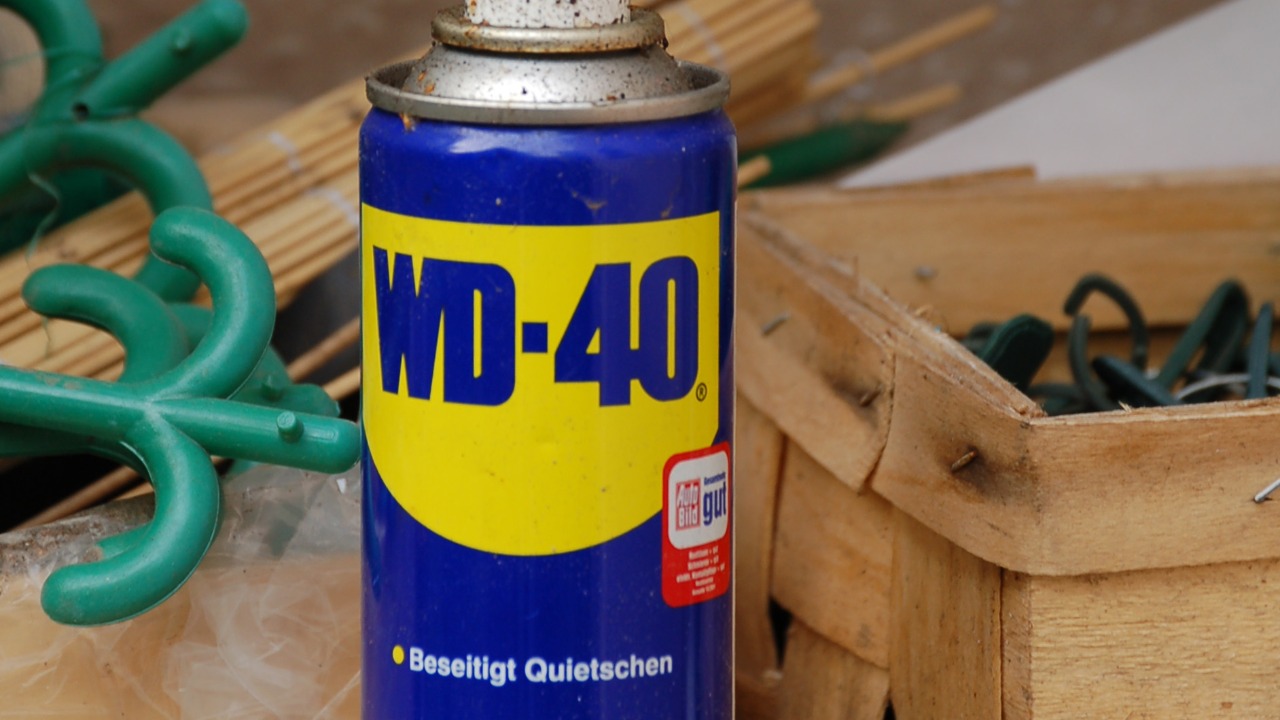

Winter after winter, the same tip circulates: spray WD-40 on your shovel or car and the snow will slide right off. The idea is appealing because it promises less scraping, fewer sore shoulders, and faster cleanups. I set out to separate what actually works from what is wishful thinking, looking at how WD-40 behaves on metal and plastic surfaces and how real users say it performs in the cold.
What emerges is a more nuanced picture than a simple yes or no. WD-40 can change how snow and ice behave on tools and body panels, but the effect is limited, short-lived, and comes with tradeoffs for your gear, your driveway, and the environment around it.
Why people spray WD-40 on shovels in the first place
The WD-40 snow hack survives because it taps into a real frustration: wet, heavy snow that clings to the blade, forcing you to stop every few passes to knock it off. The logic is straightforward. WD-40 is a water-displacing lubricant, so if it can leave a slick film on a shovel, it should reduce friction and keep slush from bonding to the surface. That promise shows up in local winter prep pieces that mention using a light coating of lubricant or non-stick spray on tools to help snow slide more easily, a claim echoed in coverage that compares WD-40 with kitchen sprays on snow gear such as snow shovels.
Online, the idea has taken on a life of its own. In one widely shared life-hack thread, users describe spraying a thin layer of WD-40 on the front and back of the shovel blade before a storm, then reporting that the first few passes through powder feel noticeably smoother and cleaner, with less buildup on the edge, a pattern that shows up in a popular LifeProTips discussion. The appeal is not just the physics, it is the convenience: many households already have a can of WD-40 in the garage, so the barrier to trying the trick is low.
What WD-40 itself recommends for snow and ice
To understand how far this hack can go, I look first at what the manufacturer says. WD-40’s own winter guidance focuses on using its products to loosen frozen locks, free up stuck hinges, and help remove ice from moving parts, not as a primary snow-removal coating. In its cold-weather advice, the company highlights using a spray to help break the bond between ice and metal on things like door mechanisms and tools, describing how a thin film can help shed moisture and make it easier to clear frozen buildup from locks and handles.
Elsewhere, the brand’s winter tips emphasize preparation and technique over miracle coatings, pointing drivers toward proper snow brushes, de-icing tools, and safe clearing patterns around vehicles and walkways, while positioning its lubricant as a helper for moving parts and stubborn ice rather than a full-surface treatment for driveways or entire car bodies, a distinction that shows up in its broader snow-clearing guidance. Taken together, the official messaging suggests WD-40 can assist in specific spots where metal meets ice, but it stops short of endorsing the viral idea of soaking a shovel or car in the product to keep snow from sticking everywhere.
Real-world shovel tests: short-term help, clear limits
When I look at user experiments, a consistent pattern emerges: WD-40 can make a difference on a shovel, but the effect is modest and fades quickly. In one comparison, a metal shovel treated with a light coat of lubricant shed the first layer of snow more cleanly than an untreated blade, with less clumping and fewer stops to knock off packed slush, a result that mirrors anecdotal reports in local coverage of side-by-side shovel trials. However, as the work continued and the blade scraped against concrete or asphalt, the thin film wore off, and the treated shovel began to behave more like the control.
Longtime winter veterans also point out that not all snow behaves the same. In a discussion among cold-climate residents, several people report that a freshly sprayed shovel glides better through dry, powdery snow but offers little advantage once the temperature rises and the flakes turn heavy and wet, a nuance that comes through in older debates about WD-40 on snow shovels. Some users say they prefer silicone sprays or graphite-based coatings because they last longer and attract less grit. The consensus from these real-world tests is that WD-40 can give you a brief head start, especially at the beginning of a storm, but it is not a set-it-and-forget-it solution for an entire driveway session.
Community wisdom and local concerns
Beyond performance, there is a growing conversation about whether spraying lubricant all over winter tools is a good idea for the places where people live. In community forums, residents trade tips about keeping snow from bonding to shovels and plow blades, but they also raise questions about runoff, pets, and groundwater when petroleum-based products are used liberally on outdoor surfaces. In one town discussion, neighbors weigh the convenience of a slick shovel against worries about overspray on walkways and lawns, with some urging others to limit how much lubricant they use on snow gear in shared spaces, a tension that surfaces in a local East Lyme winter thread.
That community skepticism is echoed in broader online conversations where people compare WD-40 with alternatives like silicone sprays, car wax, or even cooking oil. Some argue that a one-time application of a more durable, purpose-made coating on a shovel or snow pusher is less messy and less likely to drip onto driveways and into storm drains. Others say they have shifted to non-stick plastic shovels or ergonomic pushers instead of relying on chemical shortcuts, preferring to solve the sticking problem with design rather than repeated sprays.
Using WD-40 on cars: what actually happens
The leap from shovels to cars is where the risks start to outweigh the potential benefits. In practice, a light mist of WD-40 on specific trouble spots, such as door seals, locks, or wiper arms, can help prevent them from freezing solid and can make it easier to break loose thin ice, a use case that aligns with winter maintenance videos showing targeted applications on exposed metal and rubber around vehicles, including demonstrations in cold-weather car-care tutorials. On those small surfaces, the product’s water-displacing properties can be helpful, especially when combined with proper snow brushing and de-icing tools.
Coating large painted areas, however, is another story. Automotive finishes are engineered to shed water and resist contamination on their own, and modern clear coats are not designed to be saturated with general-purpose lubricants. In some how-to clips, detailers warn that heavy overspray can leave a greasy film that attracts dirt, smears under wiper blades, and may interfere with later waxing or sealant application, concerns that surface in winter-focused vehicle detailing videos. On glass, a slick residue can reduce visibility and cause wipers to chatter. The net effect is that while WD-40 can help free frozen components, using it as a broad anti-snow coating on body panels or windshields is more likely to create new problems than to meaningfully reduce snow buildup.
What WD-40 is (and is not) designed to do
Part of the confusion comes from misunderstanding what WD-40 actually is. The product was originally formulated as a water-displacing spray for metal surfaces, combining light oils and solvents to push moisture away, loosen stuck parts, and provide short-term corrosion protection. In user explanations, people familiar with its chemistry stress that it is not a heavy-duty lubricant or a long-lasting protective wax, but a thin, penetrating film that evaporates and wears off relatively quickly, a distinction that is spelled out in technical answers to questions like what WD-40 is and is not.
That matters for snow removal because the product’s strengths are localized and temporary. On a shovel, it can help for the first few passes, but it is not engineered to bond to plastic or metal in a way that survives repeated scraping on concrete. On a driveway, it is even less appropriate. The spray is not a de-icer and will not melt packed snow or ice in any meaningful way, so using it in place of shoveling, plowing, or proper ice melt is ineffective and potentially messy. Understanding its intended role helps set realistic expectations: WD-40 is a useful tool for freeing frozen locks or hinges, not a magic coating that makes winter accumulation slide off every surface.
Better strategies to keep snow from sticking
When I compare the WD-40 hack with other options, more sustainable strategies come into focus. For shovels, many experienced users recommend starting with a smooth, clean blade and then applying a more durable non-stick treatment, such as a silicone spray or a purpose-made polymer coating, which can last through multiple storms without constant reapplication. Some winter guides also point to non-stick pan sprays as a quick, food-safe option for metal blades, though they note that these oils can go rancid or attract dirt if left on too long, a tradeoff that shows up in discussions of cooking spray versus lubricant on snow tools.
For cars, the most effective approach remains mechanical rather than chemical. Clearing snow promptly with a soft-bristled brush, using a proper ice scraper on glass, and parking under cover when possible all reduce the need for any spray-on shortcuts. Some winter drivers also apply a quality wax or paint sealant before the season, which can make it harder for slush and road grime to cling to body panels and can speed up post-storm rinsing. On social media, cold-climate owners share routines that combine pre-season detailing, careful brushing, and targeted use of lubricants only on vulnerable parts, a pattern visible in winter prep posts such as a recent snow-season checklist.
In the end, WD-40 can play a small supporting role in winter, especially on moving parts and, for a short time, on shovel blades. It does not, however, live up to the viral promise of making snow slide effortlessly off every surface, and using it aggressively on cars or driveways introduces more downsides than benefits. A combination of smart tool choices, timely clearing, and purpose-built coatings offers a more reliable way to keep winter work manageable without leaving a greasy trail behind.
More from MorningOverview