The Ark of the Covenant is one of the most intriguing and mysterious artifacts in religious history. Allegedly holding the stone tablets of the Ten Commandments, its existence has been debated for centuries. Delving into historical, archaeological, and modern perspectives, this examination seeks to determine whether the Ark of the Covenant is a mere legend or a real historical artifact.
Historical Background and Religious Significance
Biblical Descriptions and Accounts
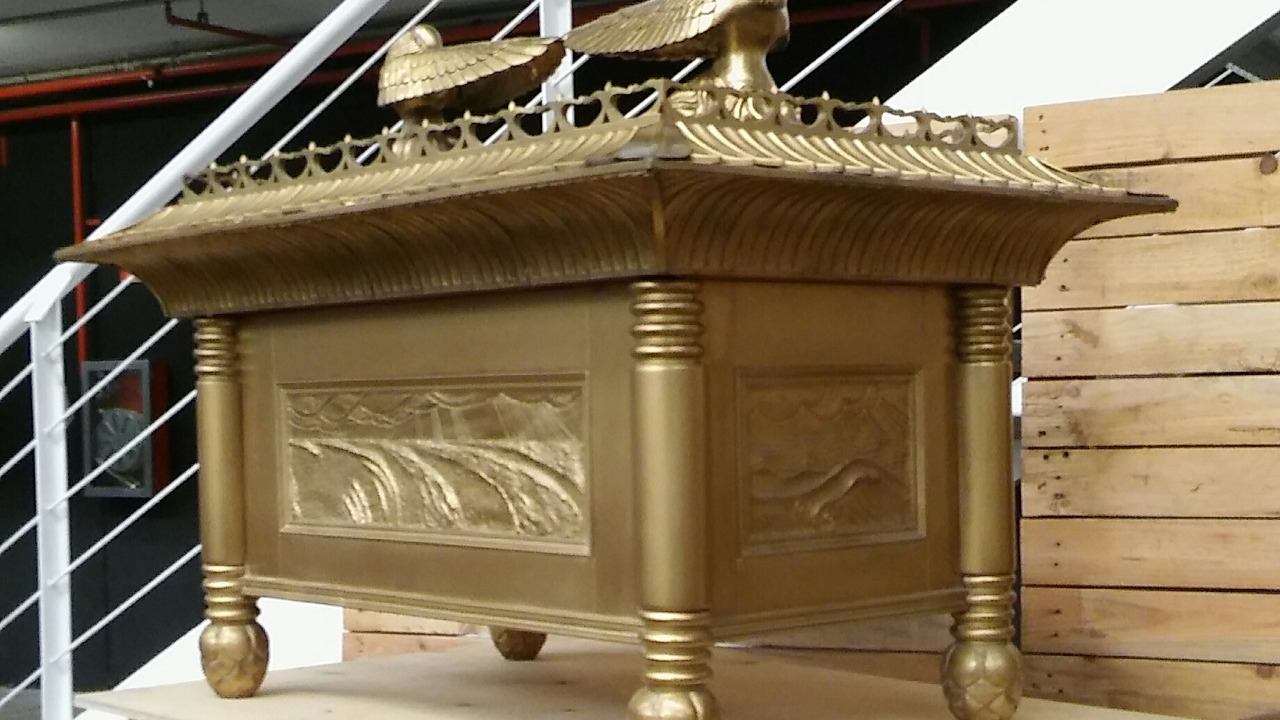
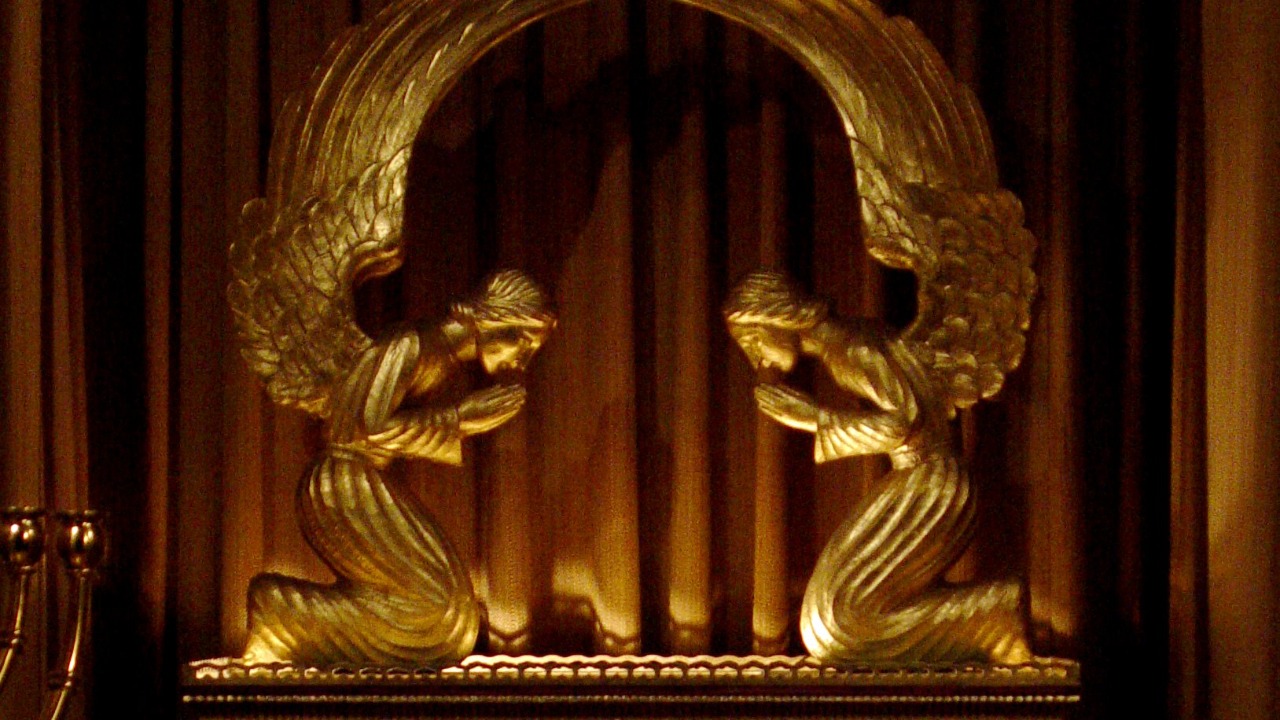
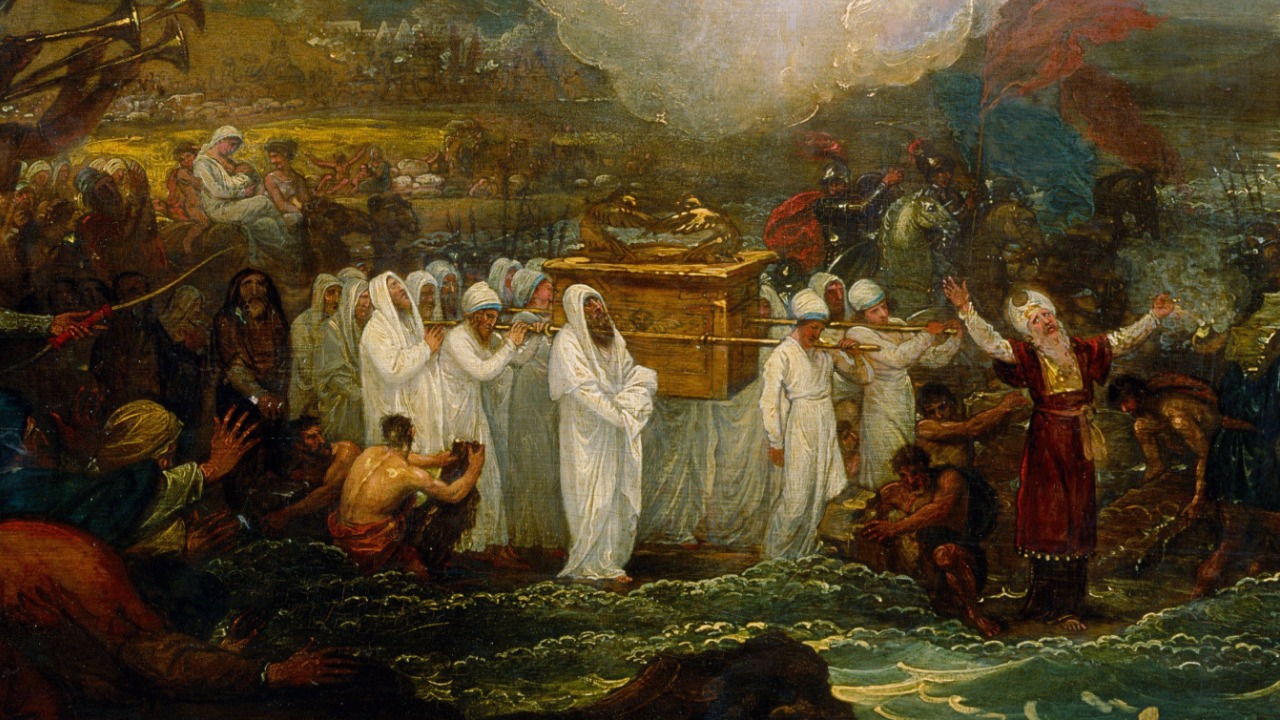
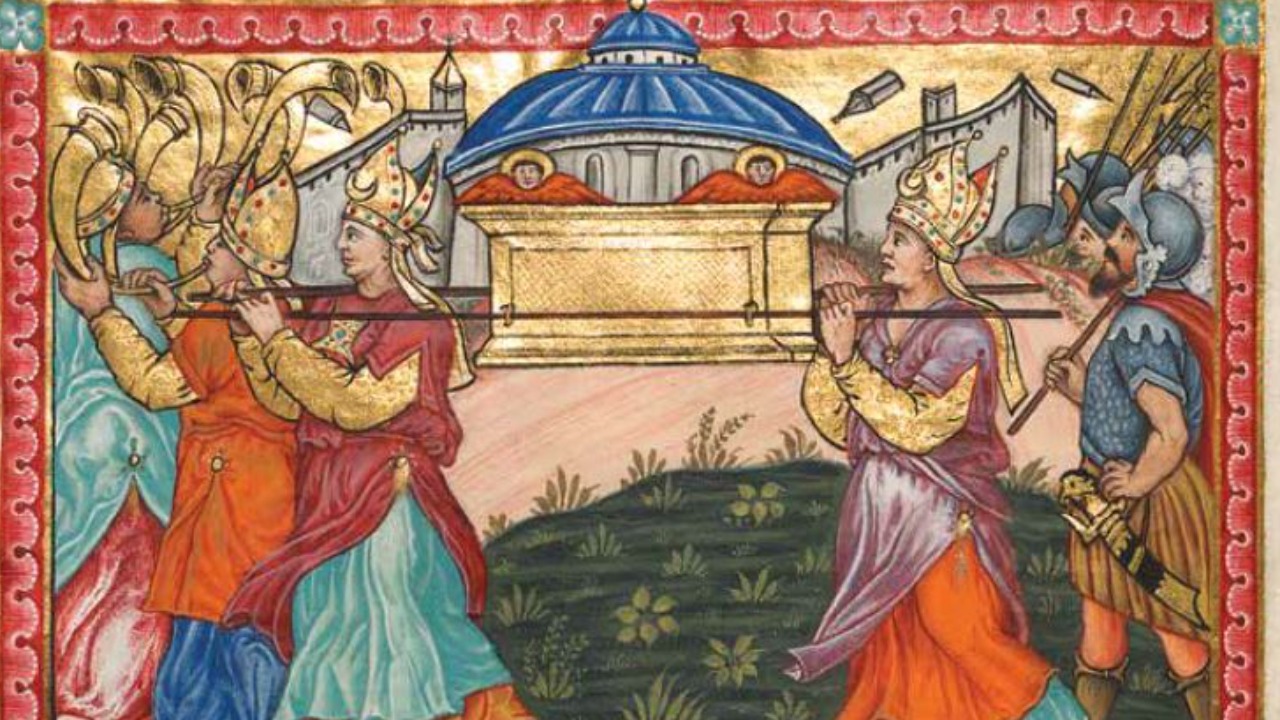
The Hebrew Bible offers detailed descriptions of the Ark of the Covenant, portraying it as a sacred chest made of acacia wood and overlaid with gold. According to biblical texts, it was crafted under the guidance of Moses and housed in the Tabernacle during the Israelites’ journey through the desert. The Ark played a pivotal role in various biblical events, such as the crossing of the Jordan River and the fall of Jericho, signifying its importance to the Israelites as a symbol of divine presence and guidance.
Despite its detailed description in religious texts, the Ark’s actual existence remains a topic of debate. Its religious significance is profound, as it was believed to be the physical manifestation of God’s covenant with the Israelites. This central role in the Old Testament has led to numerous interpretations and theories regarding its powers and purpose.
Legends and Myths Surrounding the Ark
Throughout history, the Ark of the Covenant has been enveloped in a blend of fact and myth. Various cultures and religions have contributed their own interpretations and stories about the Ark. For instance, some legends claim that the Ark possessed supernatural powers, such as the ability to destroy enemies or summon divine protection. These stories often depict the Ark as a tool of divine intervention, blurring the lines between historical fact and myth.
The Ark’s journeys and eventual disappearance have only fueled further speculation. Some narratives suggest that it was hidden away to protect its sanctity, while others propose that it was taken by different groups during ancient conquests. The lack of concrete evidence has left much room for speculation and myth-making.
Archaeological Investigations

Major Excavations and Findings
Archaeological efforts to uncover the Ark of the Covenant have been numerous, yet inconclusive. Various expeditions have attempted to locate the Ark, often focusing on sites mentioned in biblical texts or ancient writings. Notably, some archaeologists have explored areas such as the Temple Mount in Jerusalem, where the Ark was believed to have been housed. Despite these efforts, no definitive evidence has been found, leaving its existence shrouded in mystery.
One of the most significant findings was a stone platform discovered near the Temple Mount, which some believe could have been a resting place for the Ark. While intriguing, these findings remain speculative, and the lack of direct evidence has limited their impact on the broader archaeological community. More detailed discussions of these findings can be explored in this article.
Challenges in Archaeological Verification
Authenticating artifacts related to the Ark of the Covenant poses significant challenges. The political and religious significance of the Ark complicates excavation efforts, as sites of interest are often located in politically sensitive areas. Furthermore, religious beliefs and traditions may influence the interpretation of findings, adding another layer of complexity to the research.
Despite these challenges, archaeologists continue to pursue leads, driven by the enduring allure of the Ark. However, the lack of definitive evidence and the potential for political and religious interference have led many to remain skeptical about the possibility of ever verifying the Ark’s existence.
Modern Claims and Theories
The CIA and the Ark’s Alleged Locations
In recent years, the Ark of the Covenant has captured the attention of modern agencies, including the CIA. Allegations have surfaced regarding the agency’s interest and files related to the Ark’s location. A USA Today article reported on resurfaced documents that suggest the CIA had been monitoring potential sites where the Ark might be hidden.
While these claims intrigue many, their validity remains questionable. The sources of these allegations are often difficult to verify, and without concrete evidence, they remain speculative at best. This element of mystery continues to fuel the public’s fascination with the Ark, keeping it in the realm of legend and intrigue.
Alternative Theories and Speculations
Numerous alternative theories have been proposed regarding the Ark’s current whereabouts. Some suggest that it was taken to Ethiopia, where it is said to reside in the Church of Our Lady Mary of Zion. Others claim that it was hidden in secret chambers beneath the Temple Mount in Jerusalem. These theories are often supported by circumstantial evidence, leading to further speculation and debate.
The role of conspiracy theories in modern narratives about the Ark cannot be ignored. These theories often captivate the public imagination, blending historical facts with speculative fiction. A discussion on the influence of conspiracy theories on the Ark’s story can be found in this detailed exploration.
Cultural Impact and Legacy
Influence on Popular Culture
The Ark of the Covenant has left a lasting mark on popular culture, frequently appearing in films, books, and media. Perhaps most famously, it was central to the plot of Steven Spielberg’s film “Raiders of the Lost Ark,” where it was depicted as a powerful artifact sought after by various groups. This portrayal has cemented the Ark’s status as a symbol of mystery and power in the global cultural consciousness.
Beyond cinema, the Ark has been referenced in numerous literary works and television shows, often serving as an enigmatic symbol of divine mystery and historical intrigue. Its representation in popular culture reflects humanity’s enduring fascination with ancient artifacts and the quest for the unknown.
The Ark’s Impact on Religious and Secular Thought
The Ark of the Covenant has also played a significant role in religious and secular thought. Its theological implications have sparked discussions and debates among scholars and religious leaders, particularly regarding its role in biblical narratives and its significance in contemporary faith practices. The Ark’s story challenges believers to reflect on the nature of divine intervention and the mysteries of ancient history.
In secular contexts, the Ark serves as a point of contention between believers and skeptics. Discussions surrounding the Ark’s existence often touch on broader themes of faith, history, and the boundaries of scientific inquiry. These debates can be explored further in forums such as this Reddit discussion.
Scientific and Skeptical Perspectives
Scientific Examinations of Biblical Claims
Scientific approaches to validating the biblical narratives of the Ark of the Covenant often involve archaeological research and historical analysis. Scholars and researchers strive to corroborate the biblical accounts with tangible evidence, though such endeavors are fraught with challenges. The scientific community remains divided on the possibility of proving the Ark’s existence, given the lack of verifiable evidence.
Despite these challenges, the pursuit of scientific validation remains an important aspect of broader historical and religious studies. Efforts to bridge the gap between faith and empirical evidence continue to drive research, offering insights into the complex relationship between history and belief.
Debates in the Atheist and Secular Communities
The existence of the Ark of the Covenant is a frequent topic of discussion among atheist and secular communities, often serving as a lens through which broader issues of faith and history are examined. Skeptics question the validity of the biblical accounts, arguing that the lack of evidence raises doubts about the Ark’s existence.
These debates highlight the tension between religious belief and empirical evidence, prompting discussions about the nature of historical truth and the role of faith in interpreting ancient texts. The implications of these debates extend beyond the Ark itself, influencing broader conversations on the intersection of faith, history, and science. For a deeper dive into these discussions, refer to this academic analysis.
