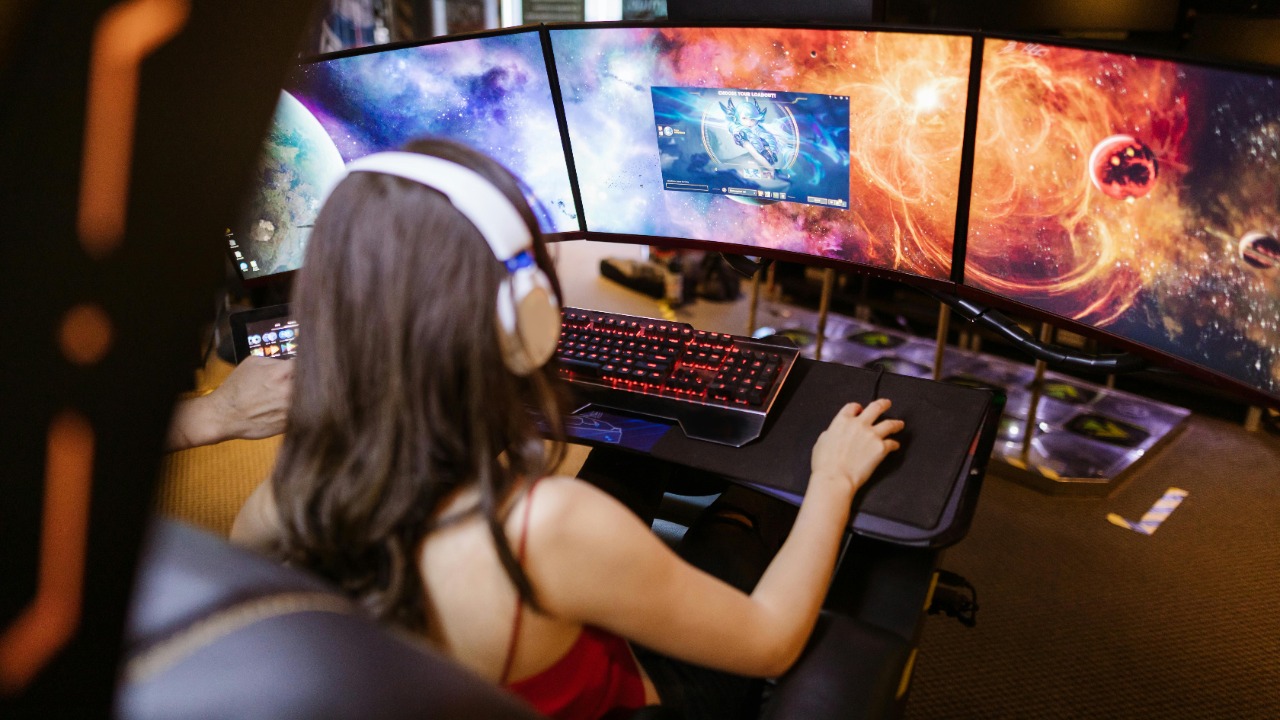

With the rise of immersive gaming experiences, many players are considering curved monitors as an upgrade to their gaming setups. Curved monitors promise to enhance visual engagement and reduce eye strain, but are they truly better for gaming? This exploration delves into the benefits and drawbacks of curved monitors, helping you decide if they are worth the investment.
The Science Behind Curved Monitors
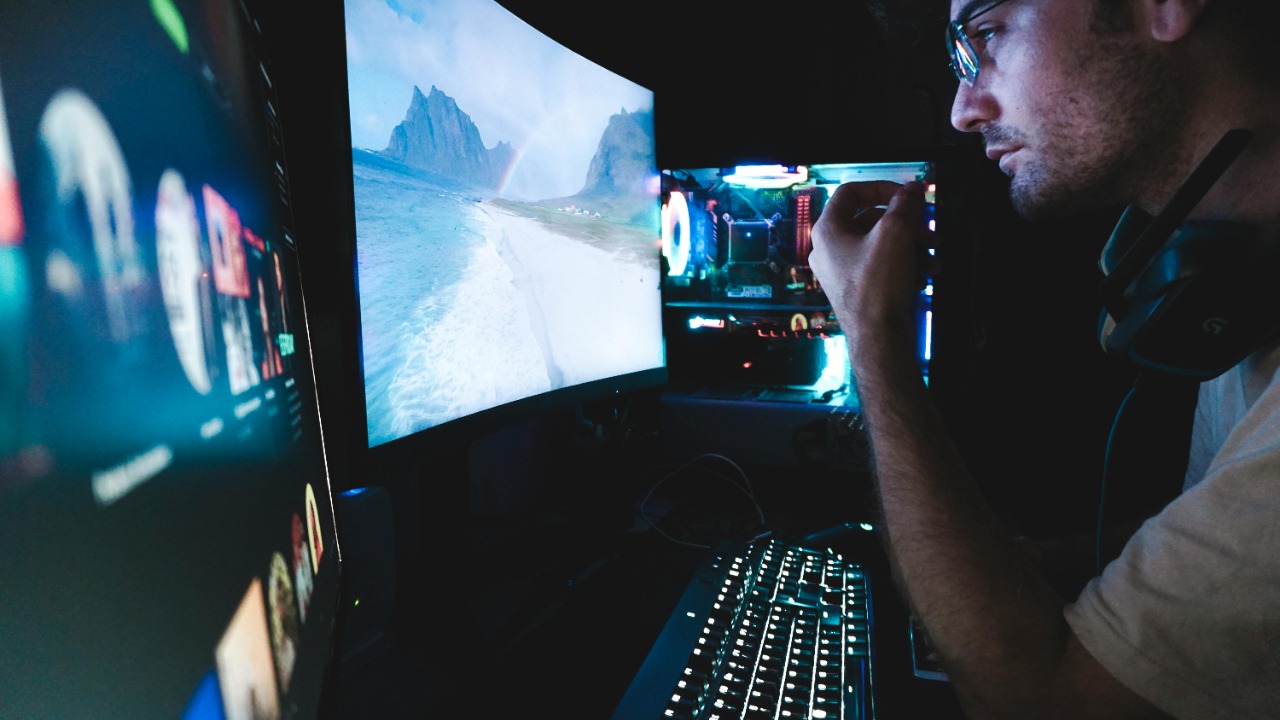
Visual Ergonomics:
Curved monitors are designed to mimic the natural curvature of the human eye, potentially reducing eye strain and providing a more comfortable viewing experience. The screen’s curve can create a more uniform distance from the eyes to various parts of the screen, which may help alleviate the discomfort associated with prolonged screen time. This ergonomic advantage is particularly appealing for gamers who spend extended hours in front of their screens.
Field of View (FOV):
Another significant advantage is the expanded field of view (FOV) that curved monitors offer. By wrapping the display around the viewer’s peripheral vision, these monitors can create a more immersive gaming experience. This enveloping effect can make the virtual environment feel larger and more engaging, drawing players deeper into the game world.
Depth Perception:
Studies have suggested that curved screens can enhance depth perception, contributing to a more realistic and engaging gaming environment. The slight curvature adds a sense of dimensionality that flat screens may lack, allowing for a more nuanced visual experience that can be particularly beneficial in games with complex graphics and detailed environments.
Benefits of Curved Monitors for Gaming
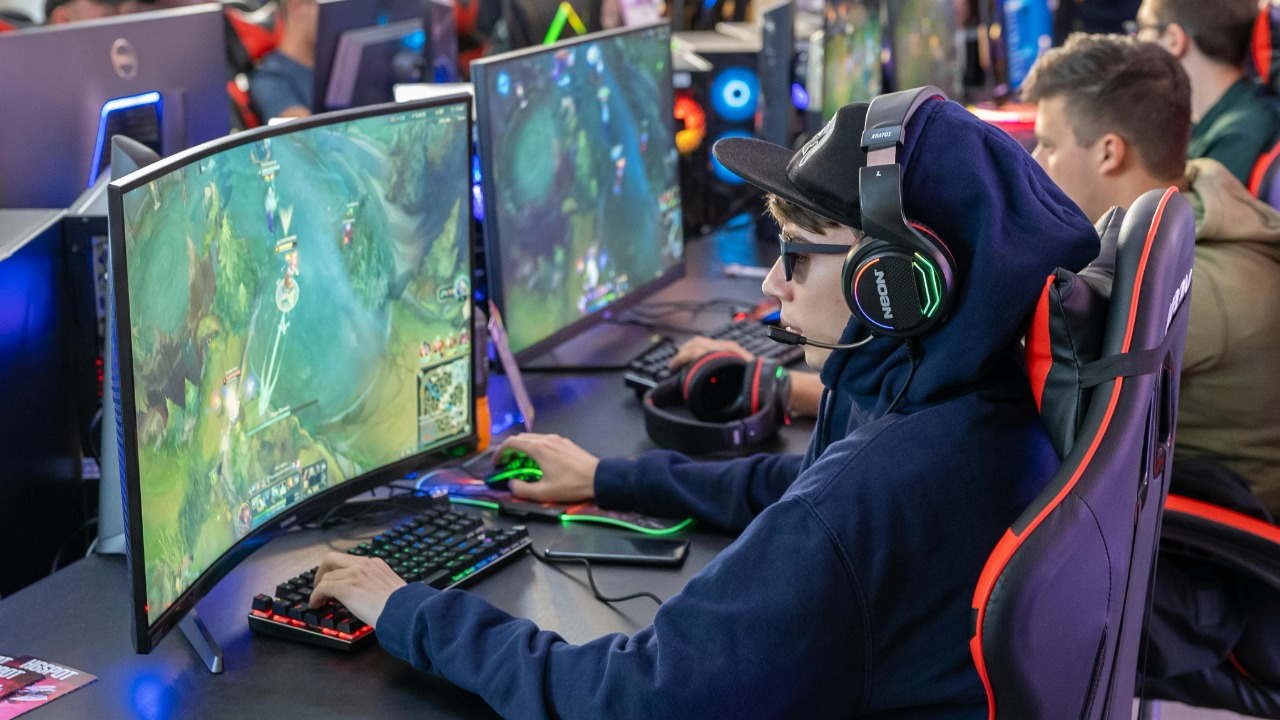
Immersive Experience:
The curvature of the screen can draw gamers into the action, providing a more captivating and engrossing experience compared to flat screens. By aligning with the natural shape of the human eye, curved monitors create a panoramic effect that enhances the sense of immersion, making players feel as though they are part of the game.
Reduced Glare and Reflections:
Curved monitors are also effective in minimizing glare and reflections. The curved design helps direct ambient light away from the screen, enhancing visibility and comfort during long gaming sessions. This feature is especially beneficial in brightly lit environments where reflections can be distracting.
Aesthetic Appeal:
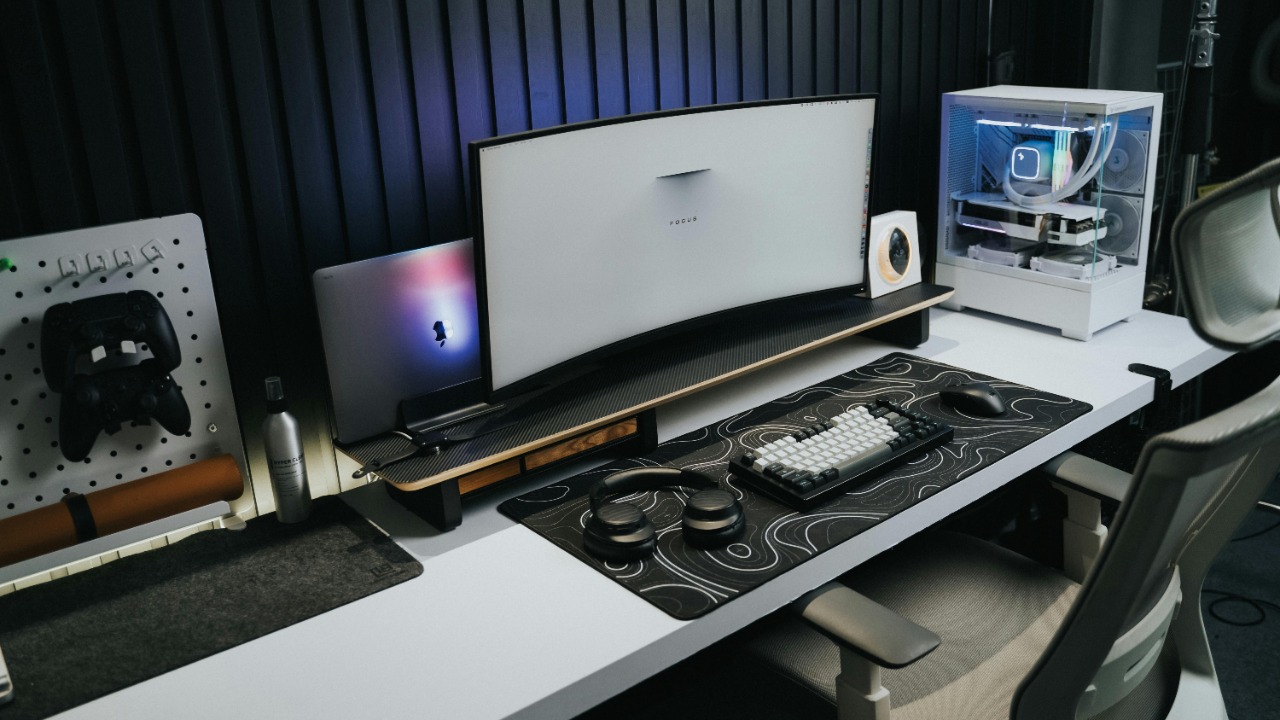
Beyond functional advantages, curved monitors offer a sleek and futuristic look that can enhance the overall aesthetic of a gaming setup. Their modern design can complement high-tech gaming rigs, adding to the visual appeal of a gamer’s personal space.
Drawbacks of Curved Monitors for Gaming
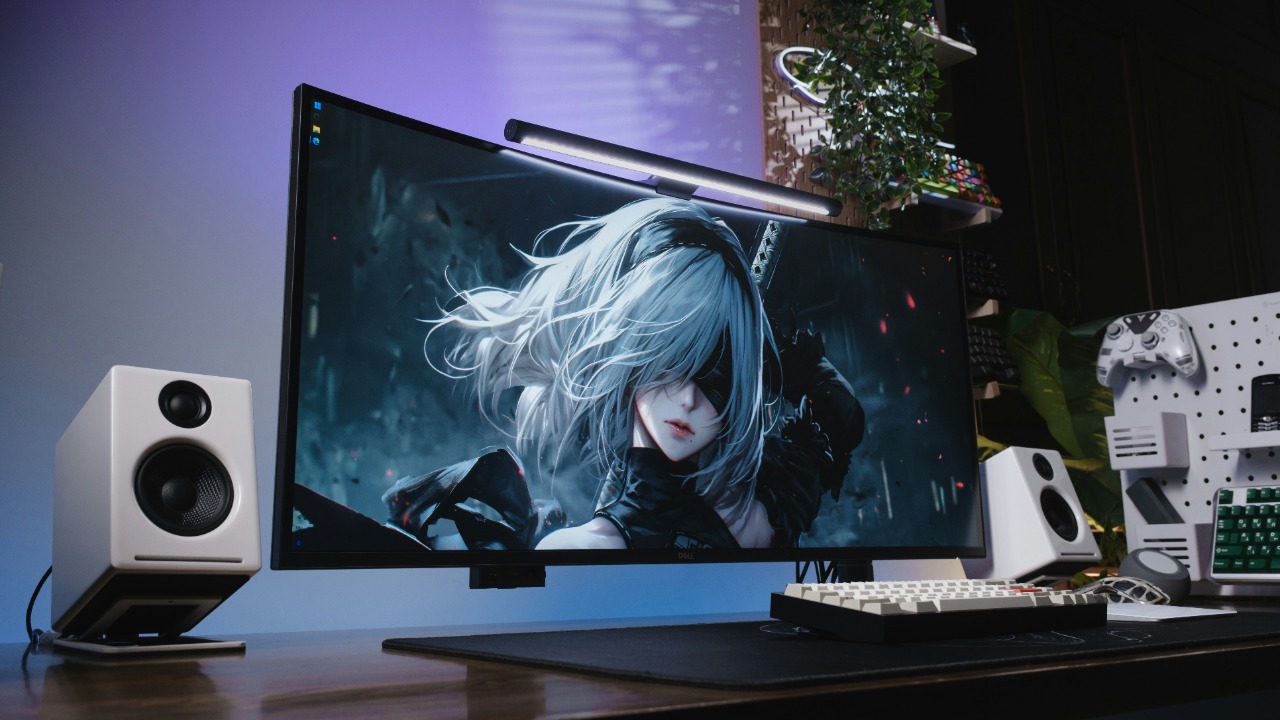
Price and Accessibility:
One of the primary drawbacks of curved monitors is their higher cost compared to flat models. This price difference can make them less accessible to budget-conscious gamers. High-quality curved monitors often come with a premium price tag, which may deter some from investing in this technology.
Limited Viewing Angles:
The benefits of curved monitors are primarily experienced when sitting directly in front of the screen. This limitation means that they are less suitable for group gaming or larger spaces where viewers might be seated at various angles. The optimal viewing experience is restricted to a specific sweet spot, which can be a constraint for some users.
Compatibility Issues:
Curved monitors may also present compatibility issues with older games or software that do not support the wider aspect ratios. This can impact the gaming experience, as some content may appear stretched or distorted, detracting from the visual quality and gameplay.
Comparing Curved vs. Flat Monitors in Gaming Scenarios
First-Person Shooters (FPS):
In first-person shooters (FPS), curved monitors can enhance the immersive experience by providing a more comprehensive view of the gaming environment. The expanded FOV can give players an advantage by allowing them to see more of the surrounding area, potentially improving situational awareness and reaction times.
Strategy and Role-Playing Games (RPGs):
For strategy and role-playing games (RPGs), the advantages of curved monitors are less pronounced. While the immersive qualities can enhance the visual experience, the benefits in terms of gameplay are minimal. These games often rely heavily on map navigation and strategic planning, where a flat screen may suffice.
Multiplayer Online Games:
In competitive multiplayer games, where rapid response times and clear visuals are crucial, the benefits of curved monitors can vary. While the immersive qualities can enhance the gaming experience, the limited viewing angles and potential compatibility issues with older games may not justify the investment for some players.
Final Thoughts: Is a Curved Monitor Right for You?
Personal Preferences:
When considering whether a curved monitor is right for you, it is essential to evaluate your own gaming habits and preferences. If you prioritize immersion and aesthetic appeal, a curved monitor might be worth the investment. However, if cost and versatility are more important, a flat monitor may be a better fit.
Future-Proofing:
As technology advances, curved monitors may become more mainstream, and prices could decrease over time. Investing in a curved monitor now could be a way to future-proof your gaming setup, ensuring compatibility with upcoming games and technologies.
Making an Informed Choice:
When purchasing a curved monitor, consider factors such as screen size, curvature radius, and resolution to ensure it meets your gaming needs. Researching and understanding these elements will help you make an informed decision that aligns with your gaming setup and lifestyle.