As the world of fitness continues to evolve, creatine supplements have become a hot topic among enthusiasts and professionals alike. This article delves into the science, benefits, controversies, and overall verdict on these popular supplements.
Understanding Creatine Supplements

Creatine supplements are widely used in the fitness industry, particularly among athletes and gym-goers. These supplements are designed to aid in muscle growth and recovery, making them a popular choice for those looking to enhance their physical performance. The science behind creatine involves its role in producing adenosine triphosphate (ATP), the body’s primary energy source. When muscles contract, ATP is used, and creatine helps to replenish these energy stores.
The popularity of creatine supplements can be attributed to their potential benefits and the scientific backing they have received. However, it’s important to understand that while creatine can aid in muscle growth and recovery, it is not a magic solution and should be used in conjunction with a balanced diet and regular exercise.
The Benefits of Creatine Supplements

Creatine supplements have been shown to enhance performance, particularly in high-intensity workouts. They work by increasing the body’s stores of phosphocreatine, which is used to produce ATP during high-intensity exercise. This can lead to improved strength, power, and muscle size. Additionally, creatine supplements may aid in muscle recovery by reducing muscle damage and inflammation following intense exercise.
Interestingly, creatine can be particularly beneficial for women. According to a report by Greatist, creatine supplements can help women improve their strength and lean muscle mass, making them a valuable addition to a fitness regimen.
Further research has also indicated that creatine supplements may have cognitive benefits. A study cited by Greatist found that creatine supplementation can improve short-term memory and reasoning skills. This is particularly beneficial for individuals who are sleep-deprived or aging, as these groups often experience cognitive decline. This cognitive enhancement is believed to be due to increased energy availability in the brain, similar to the mechanism that allows creatine to improve physical performance.
Moreover, creatine supplements may also have therapeutic benefits. Some research suggests that they could potentially help manage neurological diseases, such as Parkinson’s and Huntington’s. While more research is needed in this area, these findings suggest that the benefits of creatine supplements may extend beyond the realm of physical fitness.
The Controversy Surrounding Creatine Supplements

Despite the potential benefits, creatine supplements have been the subject of debate and controversy. Some critics argue that the effectiveness of these supplements is overstated, while others raise concerns about potential side effects and risks associated with their use. Common side effects can include stomach cramping, nausea, and diarrhea, particularly when taken in large doses. There are also concerns about the long-term effects of creatine use, with some suggesting it could potentially harm the kidneys over time.
Reports from both NPR and Voice of Alexandria delve into these controversies, highlighting the ongoing debate about the true effectiveness and potential risks of creatine supplements.
One of the major controversies surrounding creatine supplements is the question of purity. As reported by NPR, not all creatine supplements are created equal. Some products on the market may be contaminated with harmful substances, such as heavy metals or other banned substances. This raises concerns about the safety and quality of these supplements, and underscores the importance of purchasing from reputable sources.
Another point of contention is the lack of long-term studies on creatine use. While short-term use appears to be safe for most people, the Voice of Alexandria highlights that the long-term effects are still largely unknown. This uncertainty can make it difficult for individuals to make informed decisions about whether to use creatine supplements.
The Verdict on Creatine Supplements
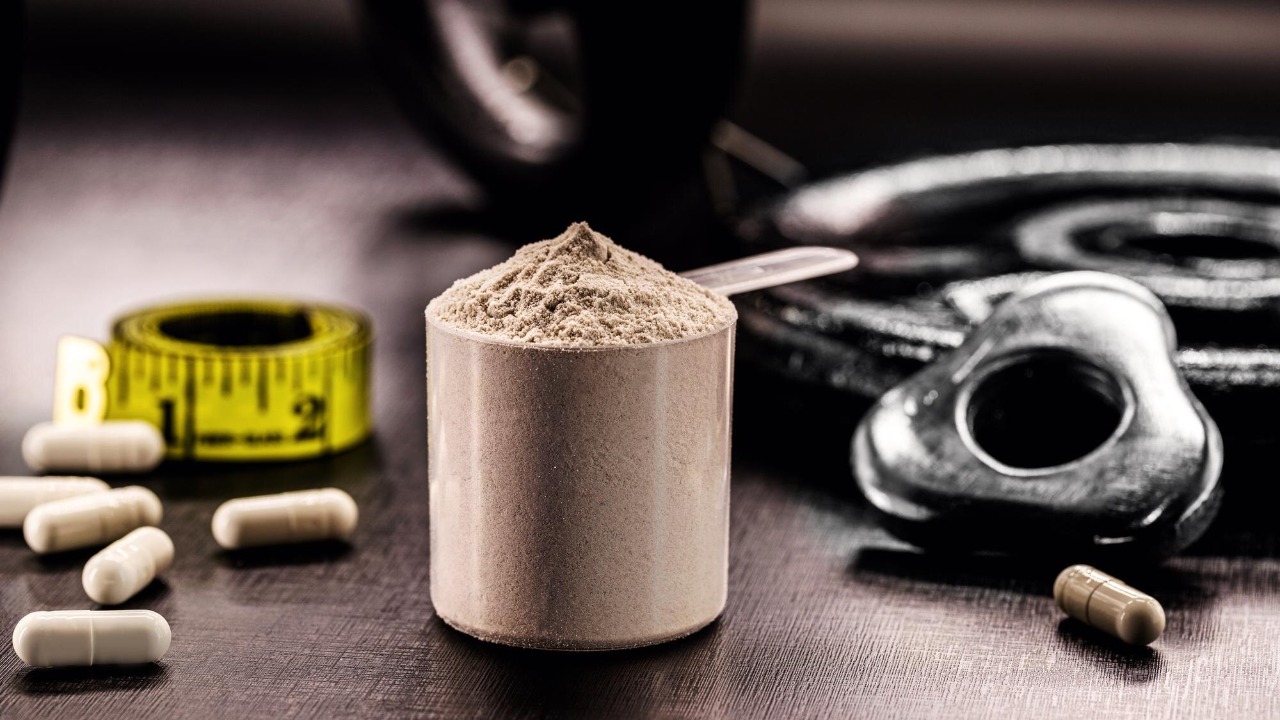
So, do creatine supplements live up to their hype? The answer to this question largely depends on individual needs and goals. For those looking to enhance their performance in high-intensity workouts, creatine supplements can be a valuable tool. However, it’s important to remember that these supplements are not a magic solution and should be used as part of a balanced diet and regular exercise regimen.
Overall, the consensus among experts seems to be that while creatine supplements can offer benefits, they should be used responsibly and with an understanding of their potential side effects. As with any supplement, it’s always best to consult with a healthcare professional before starting a new regimen.
Despite the controversies and potential side effects, many experts agree that creatine supplements can be a valuable addition to a fitness regimen when used correctly. According to NPR, creatine is one of the most researched supplements in the world, and the majority of studies have found it to be both safe and effective for short-term use. However, it’s crucial to remember that supplements are not a substitute for a healthy diet and regular exercise.
Ultimately, the decision to use creatine supplements should be made on an individual basis, taking into account personal fitness goals, overall health, and potential risks. As Voice of Alexandria advises, it’s always best to consult with a healthcare professional before starting any new supplement regimen, including creatine.
