Recent advancements in DNA analysis have uncovered startling revelations about the survival of ancient human lineages. Contrary to prior beliefs that these groups went extinct, evidence suggests that their genetic material persists in modern humans. These findings are challenging our understanding of human history in profound ways.
The Science Behind DNA Analysis

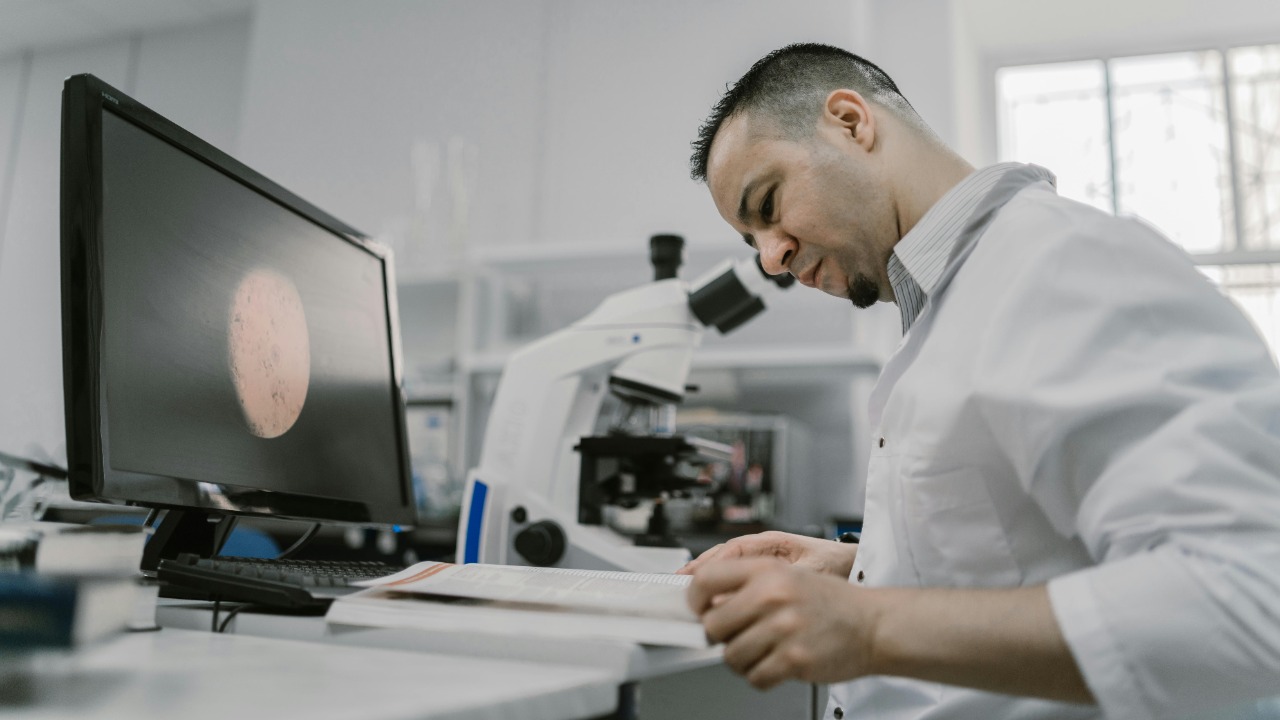
DNA sequencing and analysis have revolutionized our knowledge of ancient human history. Techniques such as next-generation sequencing and CRISPR have enabled scientists to examine genetic material at an unprecedented level of detail. By extracting ancient DNA samples from fossils, researchers can construct a genetic map of our ancestors, revealing links between extinct species and modern humans.
Modern technology has significantly advanced our ability to trace ancient human lineages. The development of sophisticated algorithms allows for the comparison of DNA sequences, identifying genetic variations that indicate shared ancestry. These advancements have been crucial in uncovering the hidden legacy of extinct human species and their contributions to our genetic makeup.
Discoveries of Extinct Human Lineages
Among the most well-known extinct human species are the Neanderthals and Denisovans. Once thought to have vanished without a trace, recent DNA analyses suggest that their genetic material survives in contemporary human populations. Studies have shown that non-African humans carry approximately 1-2% of Neanderthal DNA, while Denisovan DNA is found in some populations in Asia and Oceania.
These groundbreaking findings have revealed specific genetic traits inherited from ancient populations, such as immunity to certain diseases and adaptations to high-altitude environments. For instance, the EPAS1 gene, which aids in oxygen uptake, is thought to be a Denisovan contribution to the Tibetan people. These discoveries highlight the complex and intertwined history of human evolution.
The Hybridization of Ancient and Modern Humans
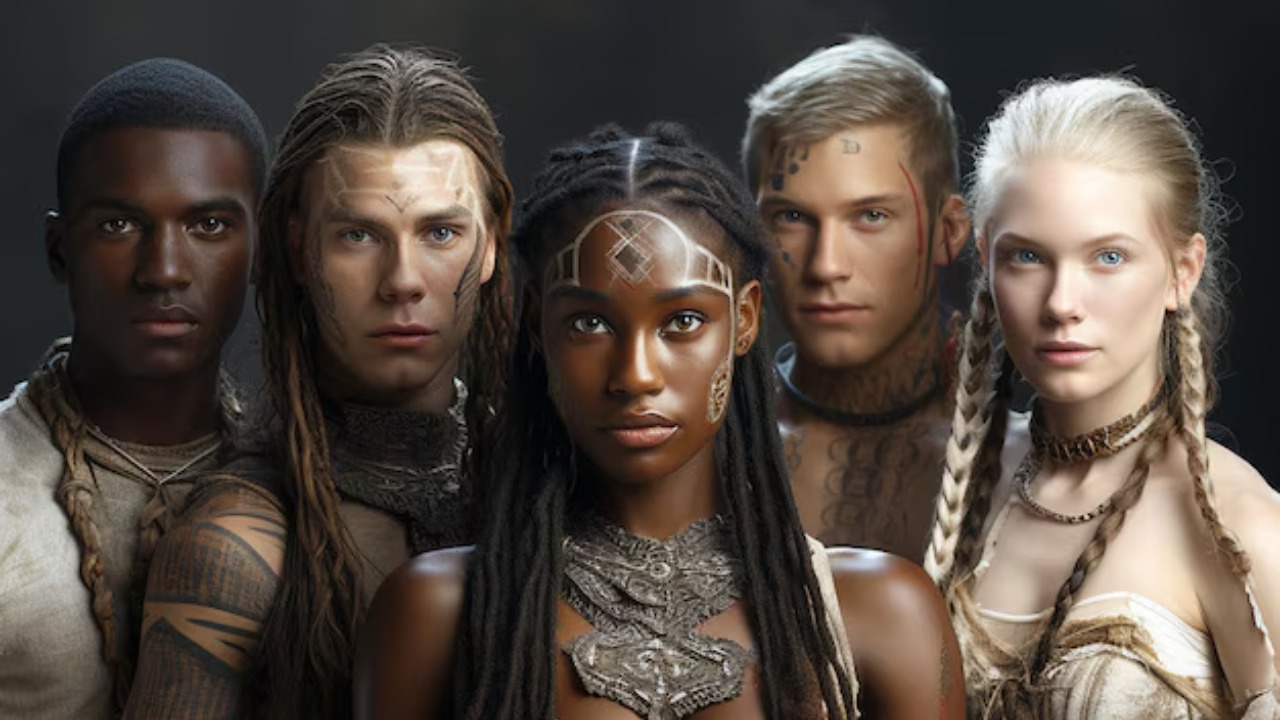
Interbreeding events between modern humans and extinct species played a vital role in shaping our genetic diversity. The hybridization of these groups has left a lasting impact on the human genome, contributing to a broader range of genetic variations that influence our physiology and behavior today. These events have been documented through studies of ancient DNA, painting a picture of a past where distinct human groups coexisted and interbred.
Examples of hybrid ancestry can be seen in contemporary human populations. The presence of Neanderthal and Denisovan DNA in modern humans is a testament to these ancient interactions, providing insights into how our ancestors adapted to their environments. Such genetic diversity has been crucial for human survival and evolution.
Implications for Our Understanding of Human History
These discoveries challenge traditional views on human evolution and migration. The persistence of extinct human DNA in modern populations suggests a more complex history than previously thought, involving multiple waves of migration and interbreeding. This new genetic evidence necessitates a reevaluation of our understanding of human history and the factors that have shaped it.
The influence of extinct human DNA on modern physiology and behavior is an area of active research. Certain genetic variations may have provided advantages in specific environments, impacting traits such as skin pigmentation, immunity, and even cognitive abilities. These insights not only reshape our understanding of the past but also inform our perspective on human diversity today.
Ethical and Philosophical Considerations
The uncovering of extinct human DNA in living populations raises important ethical questions. The manipulation of ancient DNA in modern contexts poses potential risks and consequences, necessitating a careful consideration of the ethical implications. As we delve deeper into our genetic past, it is crucial to balance scientific curiosity with responsibility.
Philosophical questions about identity and the definition of what it means to be human also arise. The blending of ancient and modern DNA blurs the lines of distinct human categories, prompting us to reconsider our place in the natural world. These debates are essential as we continue to explore the boundaries of genetic research and its impact on our understanding of humanity.
Future Directions in Genetic Research
The future of genetic research holds exciting potential for uncovering unknown aspects of human ancestry. As DNA technology continues to advance, researchers may discover other unknown extinct human lineages and further refine our understanding of human evolution. The integration of genetic data with archaeological and anthropological evidence will provide a more comprehensive view of our past.
International collaboration will play a crucial role in advancing the field of genetic archaeology. By sharing data and resources, scientists can work together to piece together the complex puzzle of human history. The continued exploration of our genetic heritage promises to reveal new insights into the origins of humanity and the forces that have shaped us.
