The innovative use of DIY lasers to detect microbes and viruses has the potential to revolutionize medical diagnostics and environmental monitoring. These new techniques offer incredible possibilities for speed, accuracy, and non-destructive testing.
The Science of Lasers

Lasers, which stands for Light Amplification by Stimulated Emission of Radiation, are devices that emit light through a process of optical amplification. They work by exciting atoms in a medium such as gas, liquid, or a solid, to a higher energy state. When these atoms return to their normal state, they emit photons, which are then amplified to produce a beam of light.
There are many types and uses of lasers, from simple pointers used in presentations to complex systems used in industry and medicine. For instance, gas lasers like helium-neon lasers are commonly used for barcode scanners, while solid-state lasers are used in machining and materials processing. Even in the field of medicine, lasers are used for procedures like LASIK eye surgery, skin treatments, and even the detection of microbes and viruses.
Lasers and Microbiology: An Unexpected Partnership
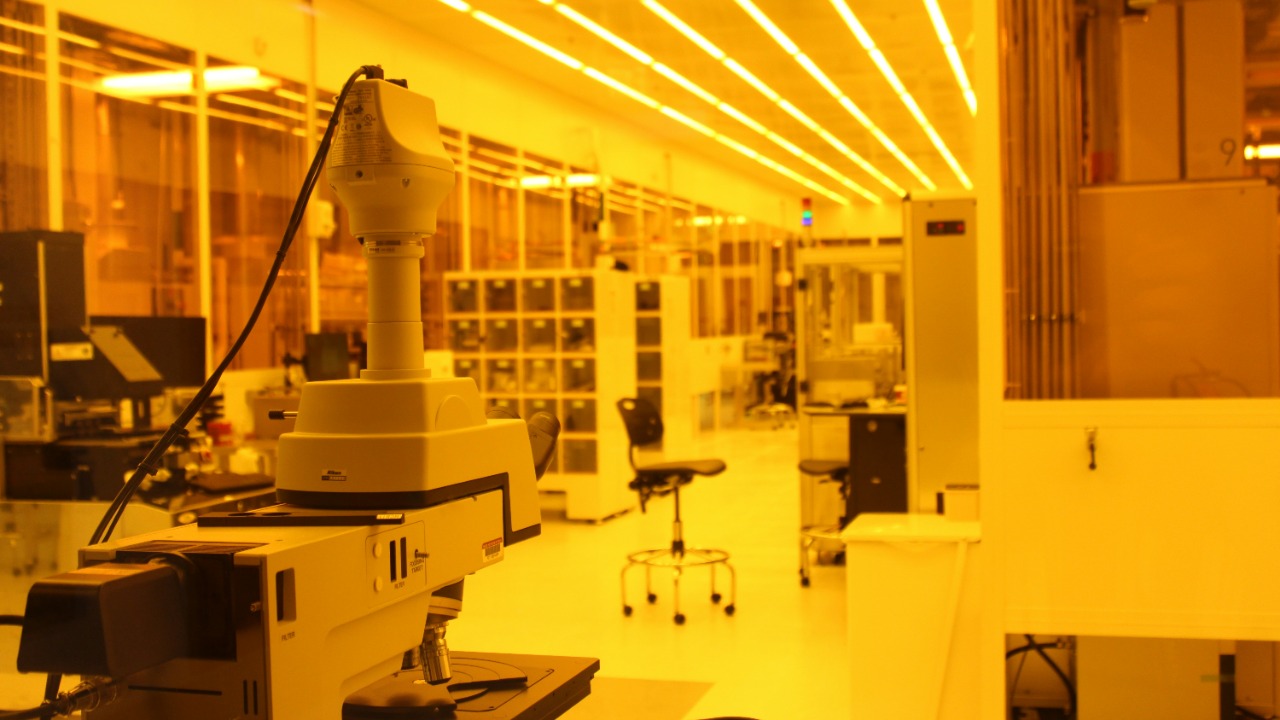
The intersection of laser technology and microbiology has opened up new avenues for research and innovation. By using lasers, scientists can detect and analyze microbes and viruses in a non-destructive way, preserving the integrity of the samples.
There have been several notable studies and innovations in this field. For example, a study published in the Journal of the American Medical Association explored the use of laser-induced fluorescence for detecting skin cancers. Similarly, research published in Nature Communications has shown the potential of using lasers for the detection of airborne microparticles, including microbes.
Understanding Microbes and Viruses

Microbes, including bacteria and viruses, are tiny organisms that can have a significant impact on human health and the environment. While some microbes are beneficial, aiding in digestion or contributing to natural processes like decomposition, others can cause diseases, from common colds to severe conditions like meningitis or pneumonia.
Viruses, on the other hand, are smaller than bacteria and cannot survive without a host. They are responsible for a range of diseases, including the flu, HIV/AIDS, and even COVID-19. The ability to quickly and accurately detect these microbes and viruses is crucial for both human health and environmental monitoring.
How Lasers Detect Microbes and Viruses

The detection of microbes and viruses using lasers involves two main processes: scattering and fluorescence. When a laser beam strikes a microbe or virus, the light is scattered in different directions. This scattered light can be analyzed to identify the size, shape, and even the type of microbe or virus present.
In addition to scattering, lasers can also induce fluorescence in microbes and viruses. This happens when the laser light excites certain molecules within the microbe or virus, causing them to emit light at a different wavelength. By analyzing this emitted light, scientists can potentially identify the type of microbe or virus present in a sample.
The Advantages of Using Lasers in Microbe Detection
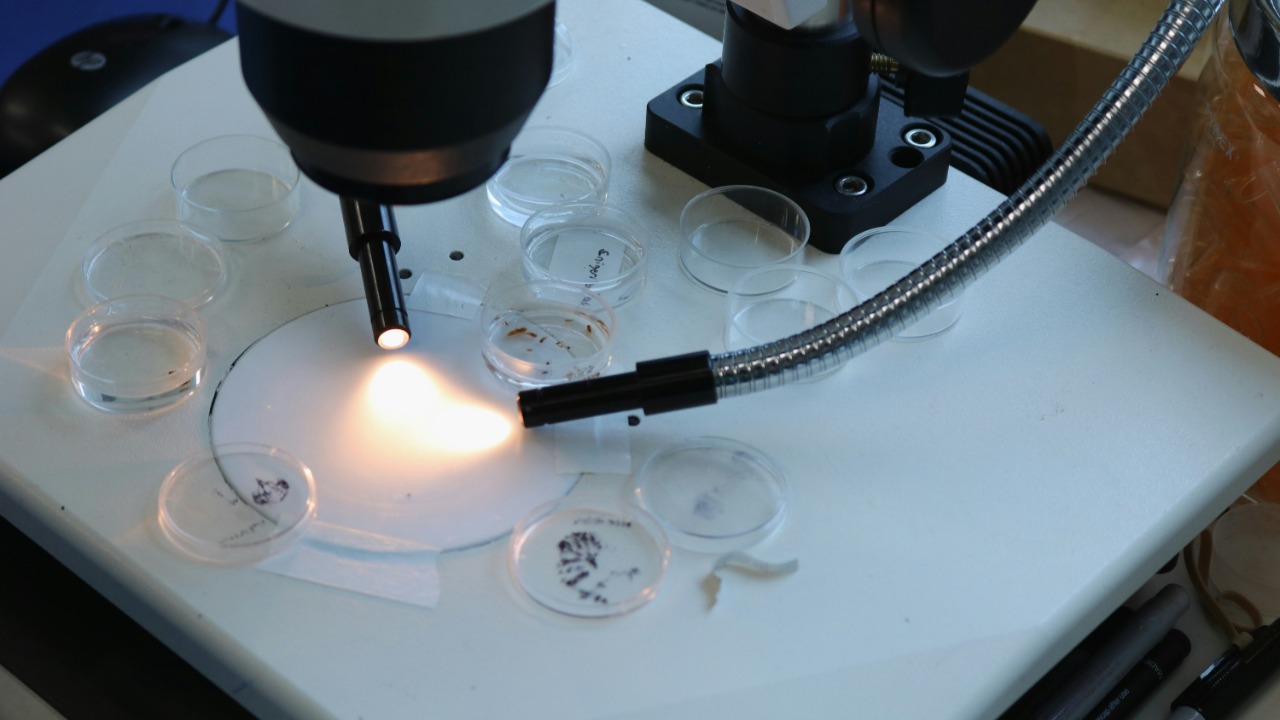
One of the key advantages of using lasers for microbe detection is the speed and accuracy with which they can analyze samples. Unlike traditional methods, which may require growing cultures or time-consuming lab work, lasers can provide instant results.
Another significant advantage is the non-destructive nature of laser-based detection. Because lasers analyze the scattered or emitted light from microbes and viruses, there is no need to destroy or alter the sample. This allows for further analysis or testing if needed.
Current Research and Developments
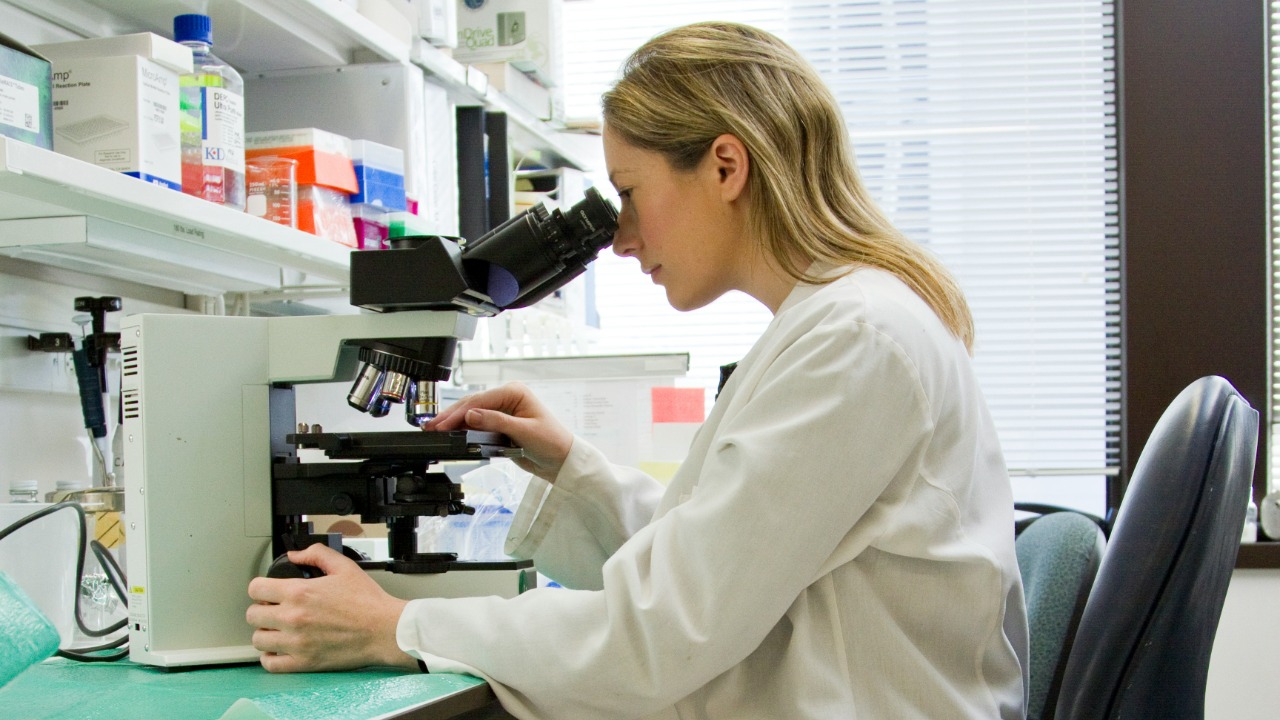
There are several ongoing studies exploring the potential of laser-based microbe detection. For example, a study published in Environmental Microbiology investigates the use of lasers to detect harmful cyanobacteria in water samples.
There are also numerous innovations and breakthroughs in the field. The development of portable laser systems for field testing, for instance, could revolutionize how we monitor environmental pollution or disease outbreaks. These advancements could lead to faster, more accurate detection of harmful microbes and viruses.
DIY Lasers for Microbe Detection: Feasibility and Accessibility
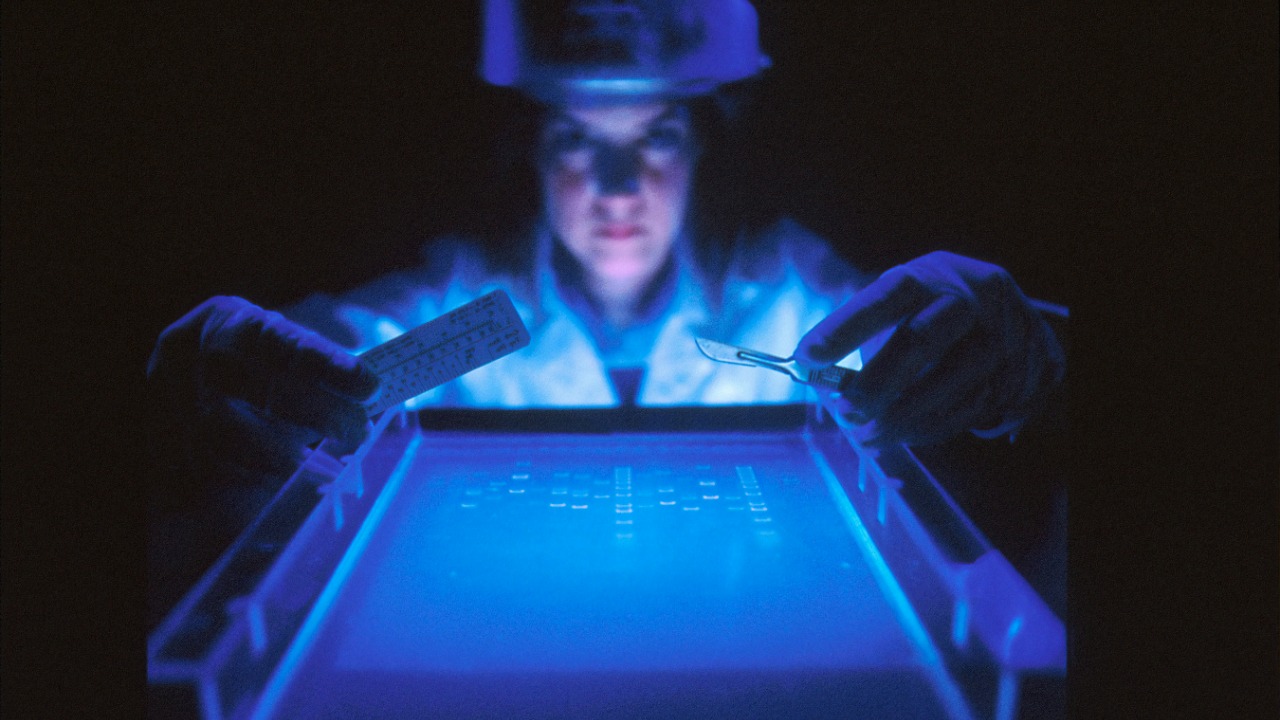
While laser-based microbe detection may seem like something out of a high-tech lab, the reality is that DIY laser setups for microbe detection are becoming increasingly feasible. Advances in technology have made lasers more accessible and affordable, opening up possibilities for amateur scientists and enthusiasts.
However, setting up a DIY laser for microbe detection does require some technical skill and understanding of both lasers and microbiology. In addition, while the cost of lasers has come down significantly, it can still be a significant investment for some individuals.
Potential Applications and Implications
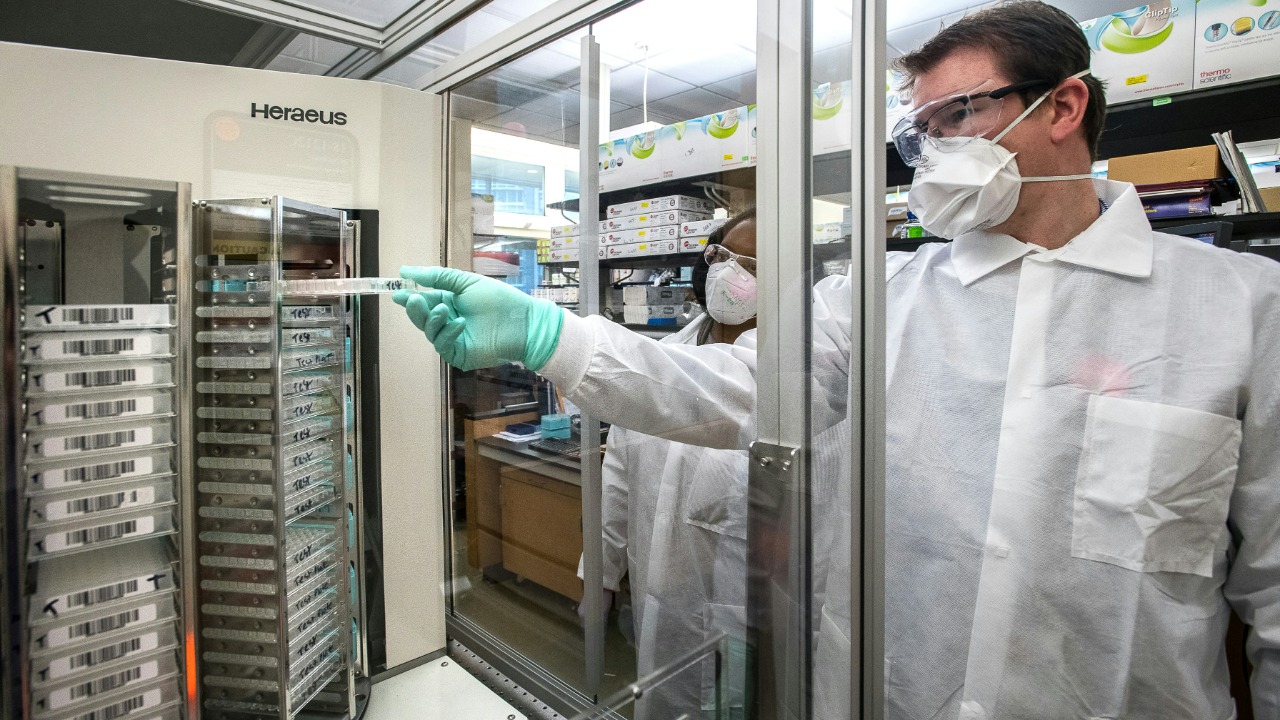
The use of lasers for microbe detection has vast potential applications in many fields. In medicine, it could lead to faster diagnosis and more targeted treatments for diseases caused by bacteria and viruses. For environmental monitoring, it could offer a non-destructive way to monitor for harmful microbes in water, soil, or air.
Moreover, the feasibility of DIY laser setups could lead to a democratization of science, allowing more people to contribute to research and monitoring efforts. This could have significant implications for biosecurity, as more widespread monitoring could help detect and respond to outbreaks or biological threats more quickly.
Challenges and Future Outlook

Despite the potential of lasers for microbe detection, there are several challenges to address. One of the main technical challenges is improving the sensitivity and specificity of laser-based detection. While lasers can detect microbes and viruses, distinguishing between different types can be difficult.
There are also ethical issues to consider, particularly around the use of DIY setups. Ensuring the responsible use of such technology is crucial to prevent misuse or accidental spread of harmful microbes. However, with continued research and development, the future of DIY lasers in microbe and virus detection looks promising.
