The 2025 Nobel Prize in Physiology or Medicine has been awarded for the groundbreaking discovery of immune cells that prevent the body from attacking itself. This significant achievement highlights the identification of regulatory T cells, known as T-reg cells, which play a crucial role in maintaining immune balance. Announced in early October 2025, the prize underscores decades of research into these protective cells, marking a pivotal moment in understanding the immune system’s complexities.
The Nobel Prize Announcement
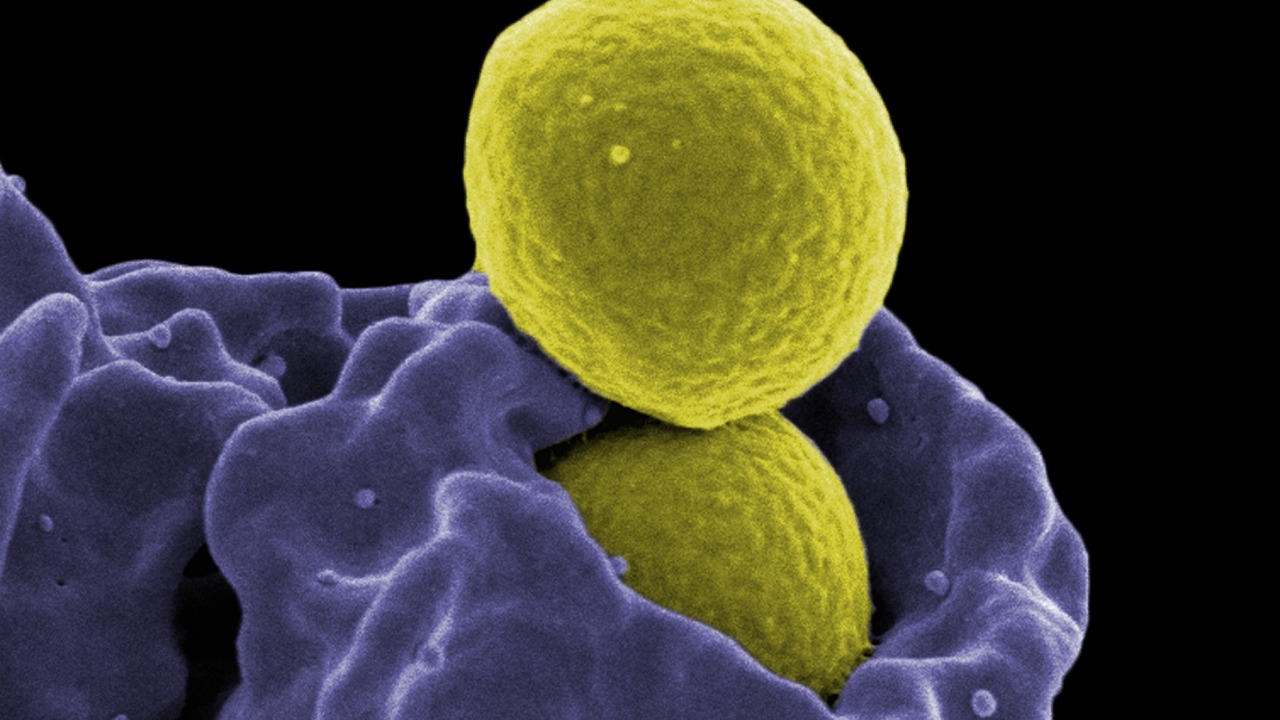
The announcement of the Nobel Prize in Physiology or Medicine on October 6, 2025, celebrated the discovery of immune cells that stop the body from attacking itself. This achievement, which secured the prestigious award, was detailed in a report by Science News. The recognition of these cells underscores their vital role in immune regulation and the prevention of autoimmune diseases.
Further coverage on October 7, 2025, by Science News Explores explained how the discovery of these cells, which halt the body’s self-attack, earned the Nobel Prize. This breakthrough in understanding immune regulation has been pivotal in advancing medical research. An article titled “Nobel Prize 2025 in Medicine: How Scientists Unlocked the Body’s Immune Secrets,” published on October 7, 2025, by Vajiram and Ravi, also highlighted the award’s focus on immune regulation.
Discovery of Regulatory Immune Cells
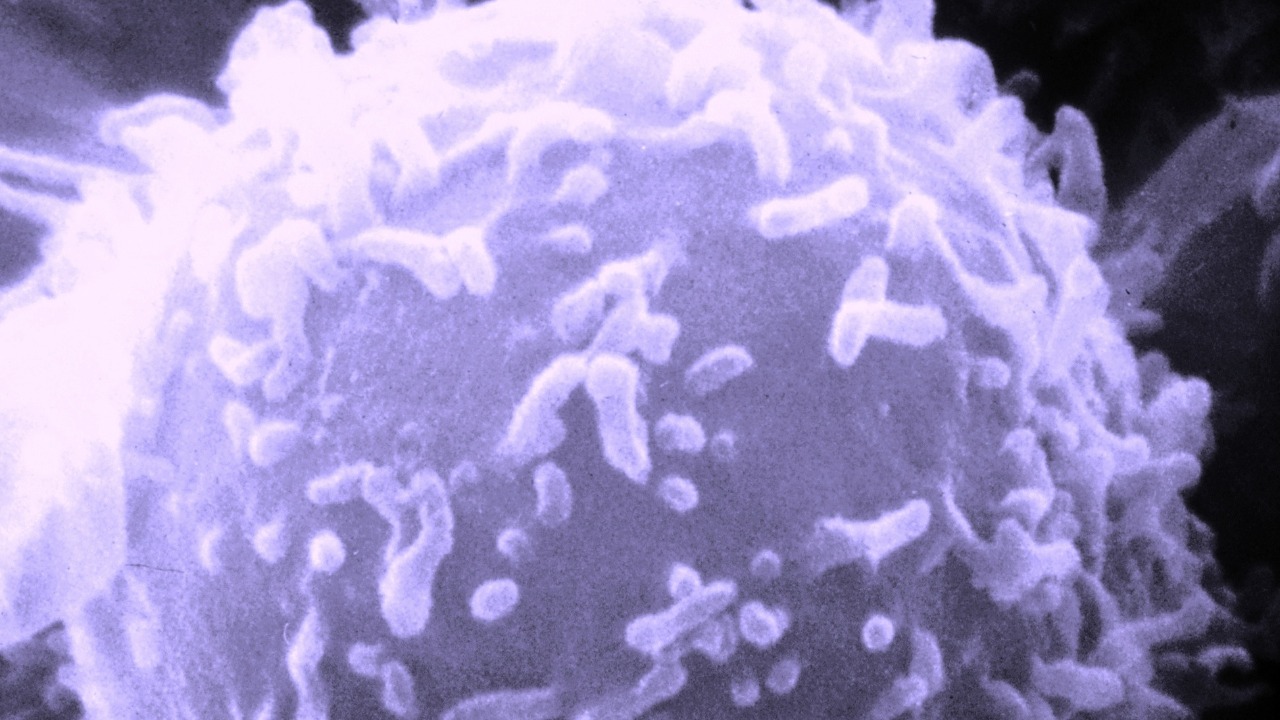
The discovery of regulatory T cells, or T-reg cells, marks a significant advancement in understanding how the immune system maintains balance. These cells are crucial in preventing autoimmune responses by stopping the body from attacking itself, as reported by Science News. Their role in maintaining immune tolerance ensures that the body does not mistakenly target its own tissues, a breakthrough that has profound implications for treating autoimmune diseases.
According to Science News Explores, these regulatory cells are central to the 2025 Nobel Prize, as they unlock the body’s immune secrets. The identification of these protective cells has been a cornerstone in understanding how the immune system can be regulated to prevent self-harm, offering new pathways for medical interventions.
Significance for Autoimmune Diseases
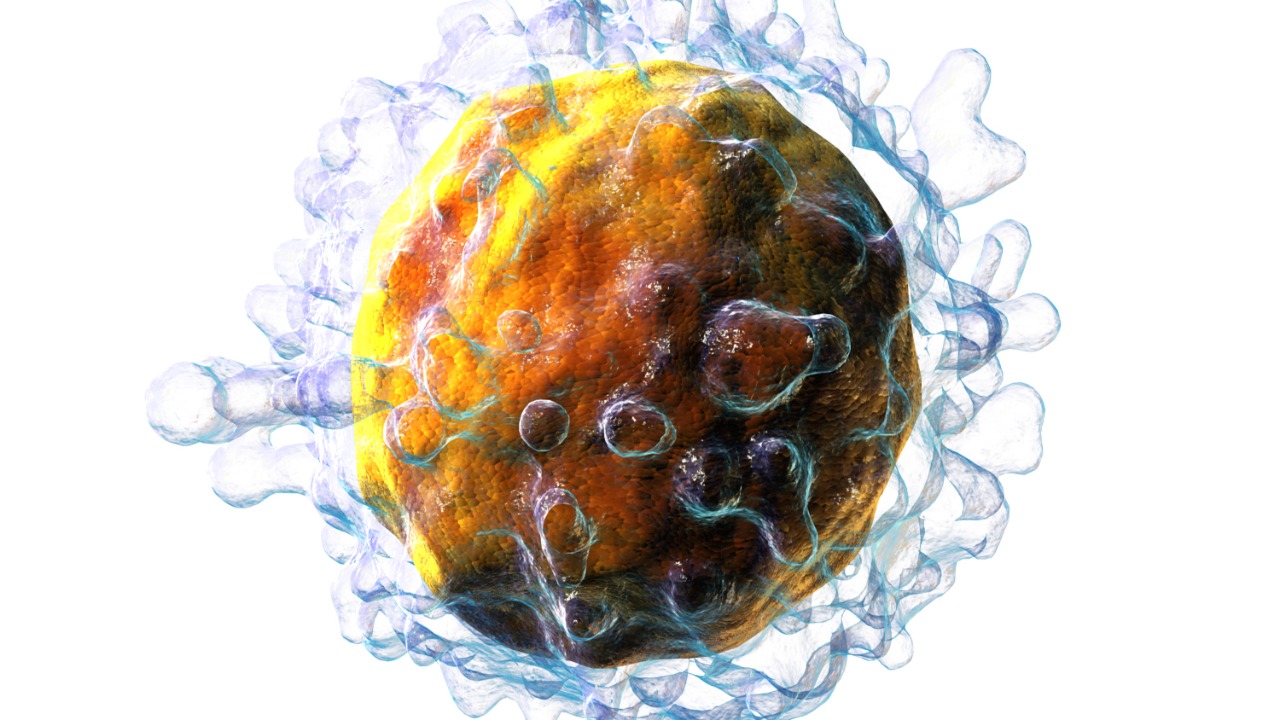
The discovery of regulatory T cells directly addresses conditions where the immune system attacks healthy tissues. As noted by Science News, these cells play a pivotal role in managing autoimmune disorders by preventing the immune system from turning against the body itself. This Nobel-winning discovery opens new avenues for developing therapies that harness these cells to treat autoimmune diseases effectively.
Understanding these immune secrets could lead to innovative therapies that utilize regulatory cells to prevent bodily self-harm, as highlighted by Vajiram and Ravi. The potential to manipulate these cells offers hope for patients suffering from autoimmune conditions, providing a foundation for future medical breakthroughs.
Autoimmune diseases, such as rheumatoid arthritis, type 1 diabetes, and multiple sclerosis, are characterized by the immune system’s erroneous attack on the body’s own tissues. The discovery of regulatory T cells offers a promising avenue for therapeutic intervention in these conditions. By enhancing the function or number of these cells, it may be possible to restore immune tolerance and prevent the damaging effects of autoimmune attacks. This approach could lead to treatments that are more targeted and have fewer side effects compared to current immunosuppressive therapies, which often compromise the entire immune system, leaving patients vulnerable to infections.
Moreover, the ability to modulate regulatory T cells could revolutionize the management of autoimmune diseases by providing personalized medicine strategies. As noted by Science News, understanding the mechanisms by which these cells operate allows researchers to develop therapies that specifically enhance their regulatory functions. This could lead to the development of biomarkers that predict disease progression and treatment response, offering a more precise approach to managing autoimmune conditions.
Broader Impact on Medicine
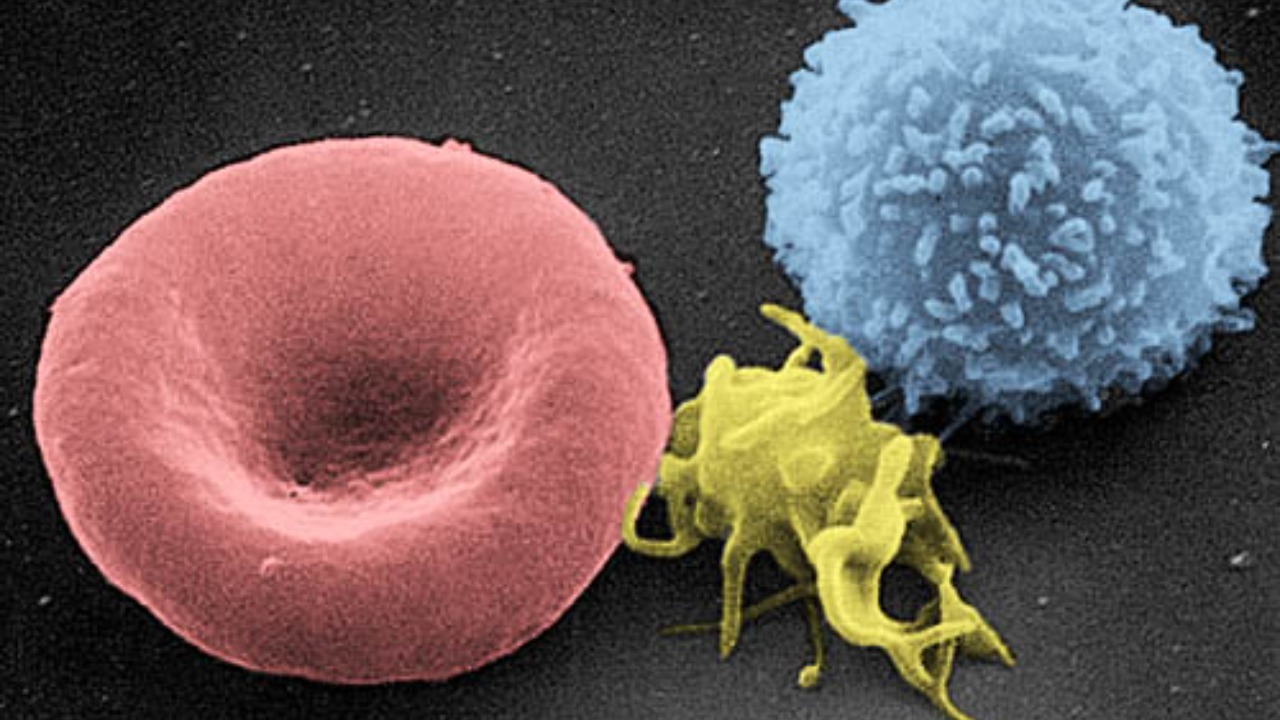
The 2025 Nobel Prize in Medicine emphasizes the importance of preventing immune system overreactions, as reported by Science News. The discovery of immune cells that regulate responses to avoid self-attack has transformative implications for medical research, offering insights into how the immune system can be controlled to prevent diseases.
This finding, which secured the Nobel Prize, reveals how specific cells regulate immune responses, as detailed by Science News Explores. The prize highlights transformative insights into the body’s immune mechanisms, influencing future medical research and potentially leading to new treatments for a variety of immune-related conditions.
The implications of this discovery extend beyond autoimmune diseases, potentially transforming the treatment of a wide array of conditions where immune regulation is crucial. For instance, in organ transplantation, the ability to control immune responses could reduce the risk of rejection, allowing for more successful transplants and improved patient outcomes. As highlighted by Science News Explores, the manipulation of regulatory T cells could lead to therapies that promote tolerance to transplanted organs without the need for lifelong immunosuppression.
Furthermore, the insights gained from studying regulatory T cells could inform cancer immunotherapy strategies. By understanding how these cells suppress immune responses, researchers could devise methods to inhibit their function in the tumor microenvironment, thereby enhancing the body’s ability to attack cancer cells. This dual potential for both enhancing and suppressing immune responses underscores the versatility of regulatory T cells in medical research, as noted by Vajiram and Ravi. Such advancements could pave the way for novel treatments that are both effective and tailored to individual patient needs, marking a significant leap forward in personalized medicine.
