The recent discovery of a planet with rings larger than those of Saturn is a game-changer in our understanding of celestial bodies and their properties. This new finding not only expands the horizons of astronomical exploration but also presents intriguing possibilities for the study of planetary systems. Let’s delve into the characteristics of this new planet, the technology that made this discovery possible, and its implications for future space exploration.
Unveiling the New Planet: An Overview
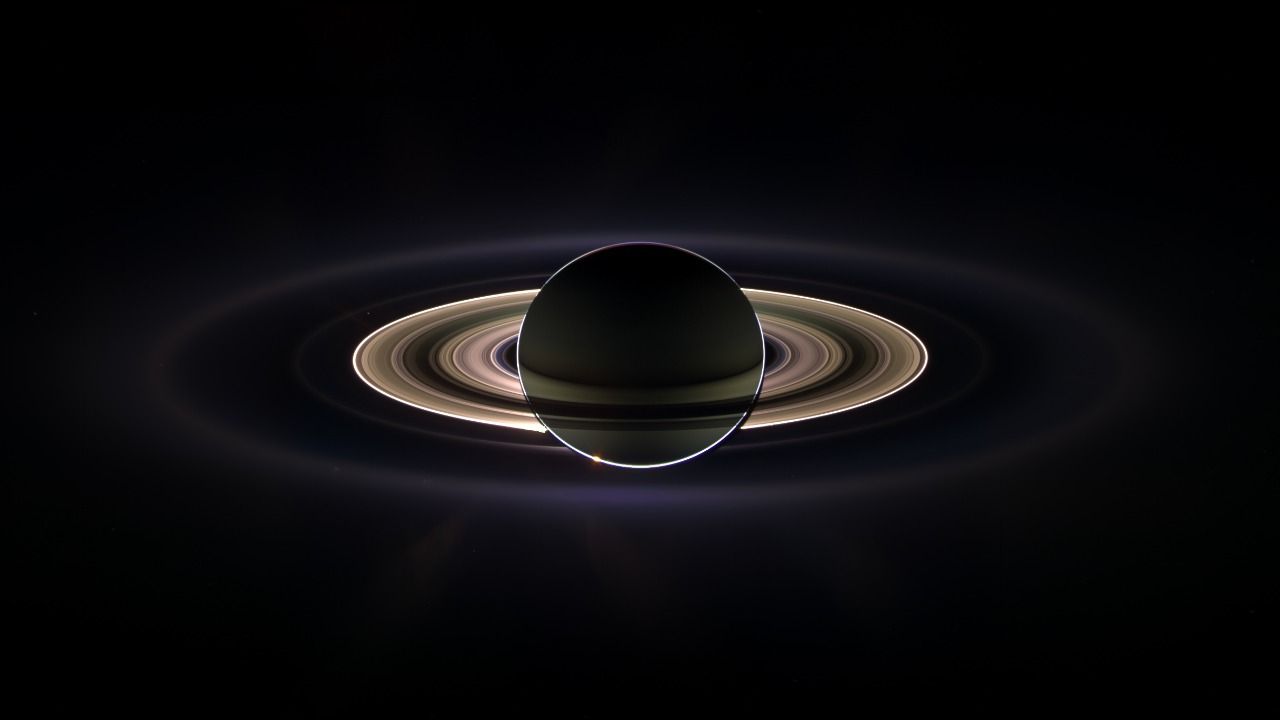
The newly discovered planet is a gas giant, similar in many ways to our solar system’s Saturn. It is located several hundred light-years away from Earth, a testament to the advanced technology that made its sighting possible. The planet orbits a star similar to our Sun, albeit much younger. This young age is particularly intriguing, as it suggests the planet’s enormous ring system is relatively new.
What sets this planet apart from those identified previously is its massive ring system. The rings are not only larger than Saturn’s but are also composed of more diverse materials. This diversity suggests a complex history of the planet’s formation and evolution.
The Magnificent Rings: A Comparative Analysis

The size and structure of the planet’s rings are awe-inspiring. They are significantly larger than Saturn’s rings, extending several millions of kilometers from the planet’s surface. The composition of the rings is unique, with a variety of ice particles, dust, and rocky debris. This eclectic mix is different from Saturn’s rings, which are primarily composed of ice.
The reason for the enormous size of the new planet’s rings remains a topic of scientific debate. Some theories propose that the planet’s strong gravitational pull might have captured asteroids or comets, adding to the rings’ size and diversity. More research is needed to confirm these hypotheses and gain a deeper understanding of this fascinating planetary feature.
Instruments of Discovery: The Technology Behind the Find

The discovery of this new planet was made possible due to the advancements in astronomical technology. Powerful telescopes capable of viewing distant celestial bodies were crucial in this discovery. Additionally, advanced imaging techniques, including infrared imaging, played a crucial role in identifying the planet’s rings.
For instance, infrared imaging was vital in detecting the heat emitted by the dust particles in the planet’s rings. These particles, warmed by the star the planet orbits, glow in the infrared spectrum, thus making them detectable despite their enormous distance from Earth.
Similarities to J1407b: The Super Saturn
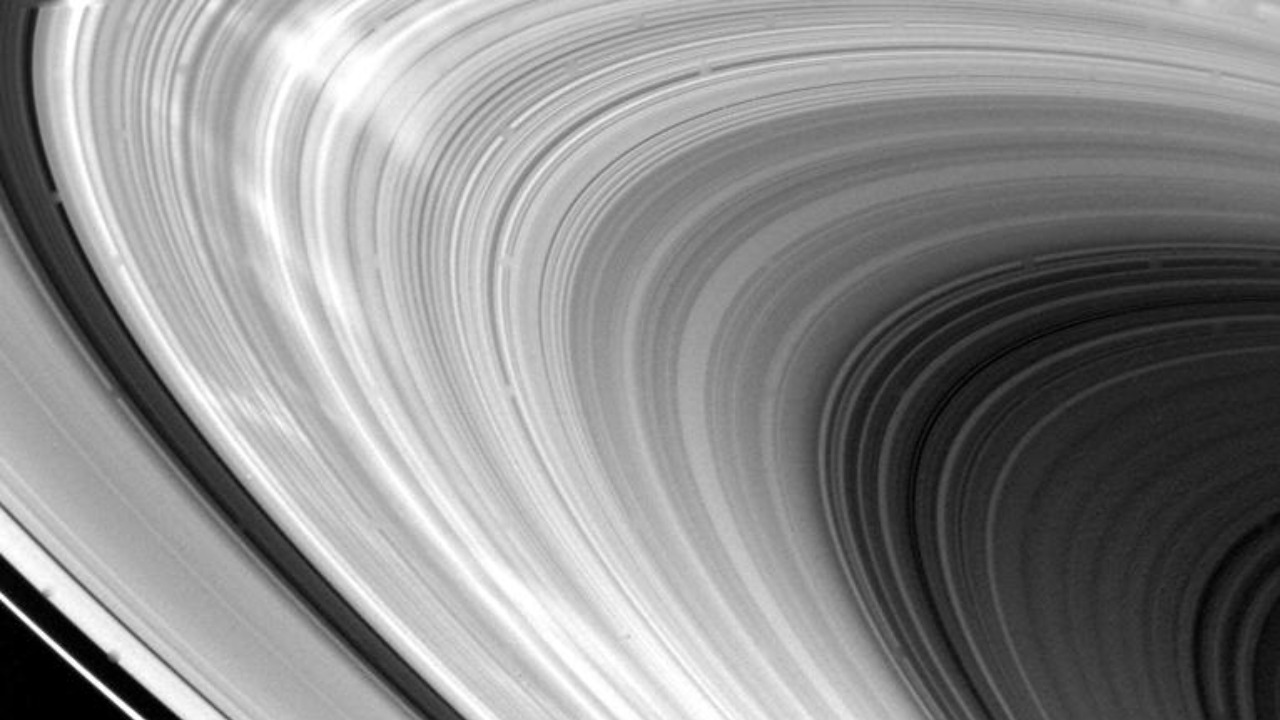
The newly discovered planet shares striking similarities with J1407b, another celestial body known for its vast ring system. Both planets have enormous rings, significantly larger than Saturn’s. However, the new planet’s ring system is even more extensive and diverse than J1407b’s.
The existence of exomoons within the new planet’s ring system, similar to J1407b’s, is a possibility that scientists are exploring. These moons, if present, could provide valuable insights into the processes involved in planetary formation and evolution.
Implications for Space Exploration and Astronomy
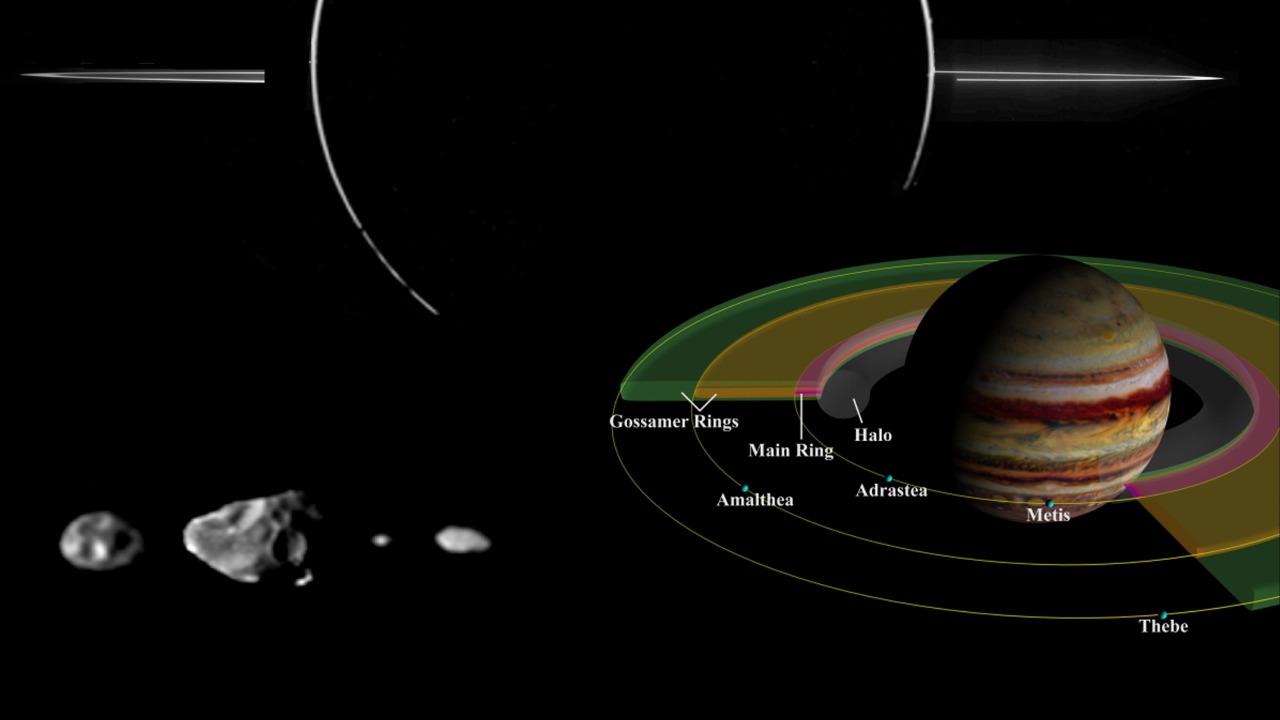
The discovery of a planet with larger rings than Saturn has profound implications for space exploration. It opens up new avenues for studying planetary systems and their formation. Moreover, it motivates the search for other planets with large rings, as these may be more common than previously thought.
From an astronomical perspective, this discovery enriches our understanding of the diversity of planetary systems. It challenges our conventional view of what a planetary system can look like and encourages astronomers to reconsider the factors involved in planetary formation. This new knowledge could be instrumental in the continued search for habitable planets and potential extraterrestrial life.
