Around 74,000 years ago, the Toba supervolcano on the Indonesian island of Sumatra erupted, releasing an enormous amount of volcanic material into the atmosphere. This event, known as the Toba catastrophe, is hypothesized by some scientists to have had a dramatic impact on the global climate and human populations. Did a supervolcano almost end humanity?
The Toba Eruption: A Geological Perspective
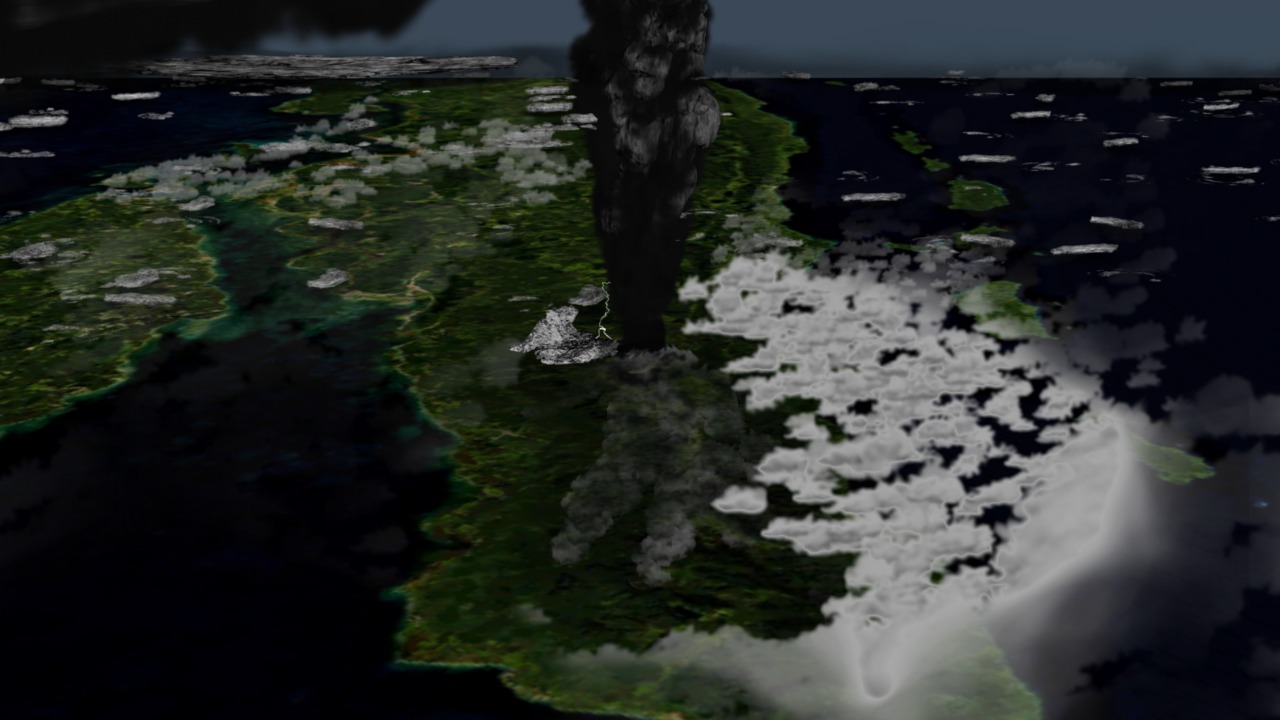
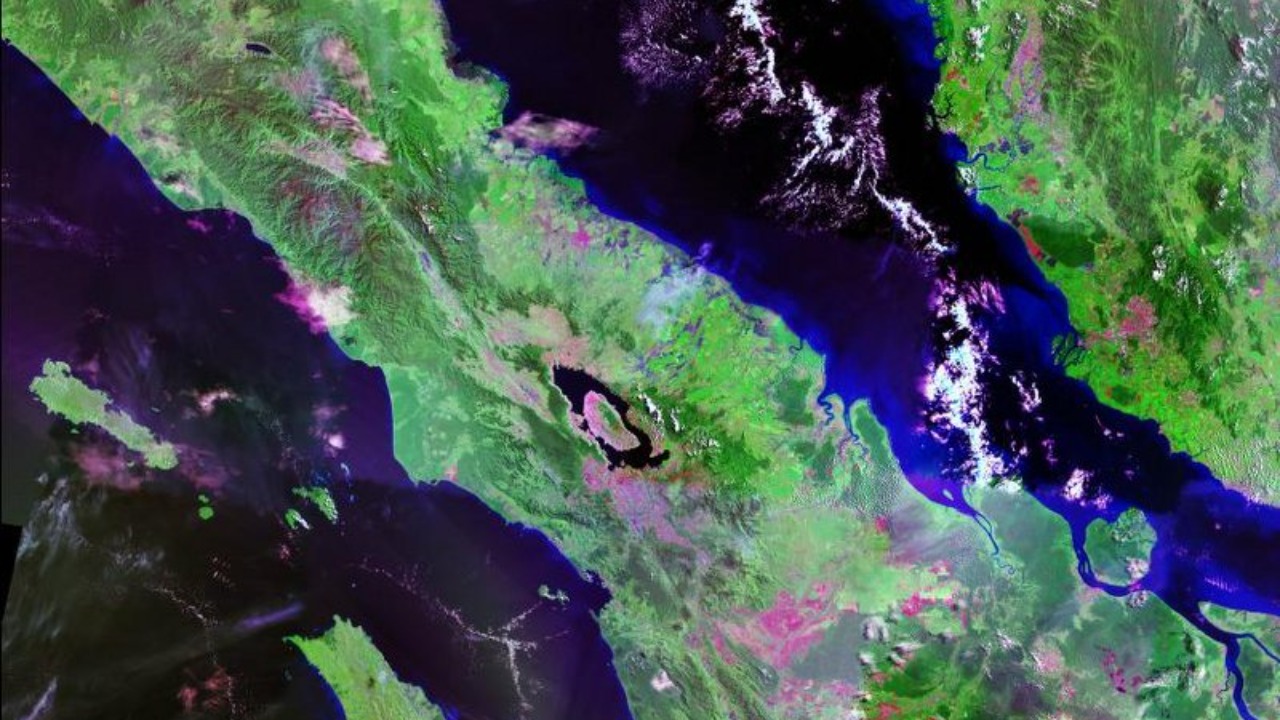
The Toba supervolcano, located in present-day Indonesia, is one of the largest volcanic structures on Earth. Its eruption, classified as a “super-eruption,” is believed to have released approximately 2,800 cubic kilometers of volcanic material. This monumental geological event left behind the massive Lake Toba caldera, which spans nearly 100 kilometers in length. Geological evidence, such as ash layers found in ice cores and ocean sediments, supports the magnitude and global reach of the eruption.
In the immediate aftermath of the Toba eruption, the environment experienced significant changes. The release of volcanic ash and gases into the atmosphere likely led to a significant reduction in sunlight reaching the Earth’s surface. This would have resulted in a sharp decline in temperatures and disrupted weather patterns. The environmental consequences were profound, affecting ecosystems and biodiversity across the globe.
Impact on Climate and Environment
The Toba eruption is thought to have triggered a “volcanic winter,” a period of global cooling that lasted for several years. This phenomenon occurs when volcanic ash and sulfur dioxide are ejected into the atmosphere, forming aerosols that reflect sunlight away from the Earth’s surface. The evidence for this dramatic cooling period is found in ice cores, which show a significant drop in temperatures during the time following the eruption.
The environmental changes brought about by the Toba eruption had far-reaching effects. Ecosystems across the globe experienced disruptions, with many species facing challenges in adapting to the rapidly changing climate. The cooling period would have led to reduced growing seasons and altered habitats, impacting both plant and animal life.
The Toba Catastrophe Theory: Human Survival

The Toba catastrophe theory posits that the eruption caused a near-extinction event for early humans. According to this theory, the drastic environmental changes led to a population bottleneck, dramatically reducing the number of surviving humans. Genetic evidence suggests a significant reduction in human genetic diversity around this time, which supports the idea of a bottleneck in human evolution.
However, the extent of the impact on human populations remains a subject of debate among scientists. Some researchers argue that while the Toba eruption undoubtedly caused environmental hardships, humans were able to adapt and survive. Others believe that the genetic evidence is not conclusive and that the population bottleneck could have been caused by other factors. The debate continues as new research sheds light on human resilience in the face of environmental challenges.
Comparisons with Modern Supervolcanoes
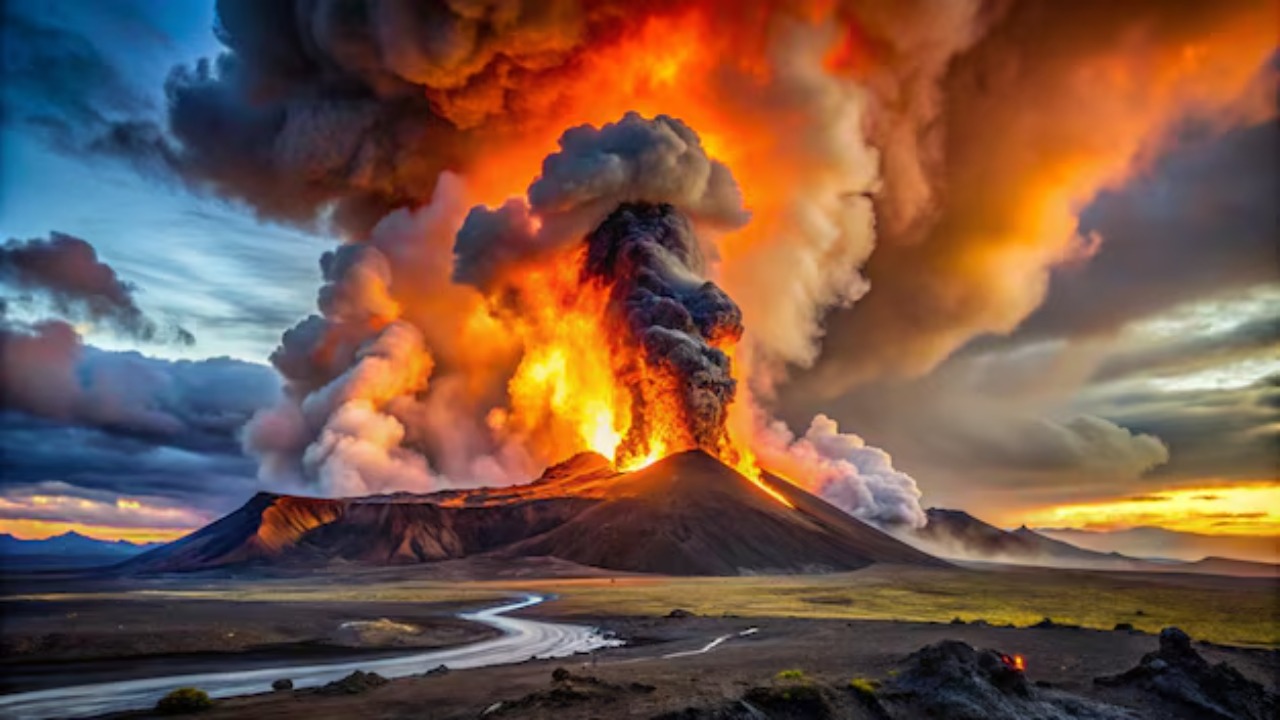
Today, several supervolcanoes are monitored for potential eruptions, including the famous Yellowstone caldera in the United States. While Yellowstone has not erupted in over 640,000 years, its potential to cause widespread disruption remains a concern. Similarities between Toba and modern supervolcanoes include their capacity for massive eruptions and their ability to impact global climates.
However, there are notable differences in our understanding and preparedness today. Modern technology and scientific research have improved our ability to monitor volcanic activity and assess potential threats. Efforts are ongoing to better understand the signs of an impending eruption and develop strategies to mitigate the impacts on human populations and infrastructure.
Lessons Learned and Future Implications
Studying the Toba eruption provides valuable insights into the potential consequences of supervolcanic events. Understanding how past eruptions affected the environment and human populations can help us prepare for future geological threats. Research into supervolcanoes highlights the importance of continued scientific investigation and technological advancements in monitoring and predicting volcanic activity.
In preparing for future supervolcanic events, the role of scientific research and technology is crucial. By investing in early warning systems and developing contingency plans, we can mitigate the potential impacts of a supervolcano eruption. As we learn from past events like Toba, we become better equipped to face the challenges of an ever-changing geological landscape.
