Recent discoveries of etchings on a desert wall have the potential to fundamentally alter our understanding of early human migration. This archaeological evidence, analyzed in 2025, is prompting experts to reconsider long-held theories on the dispersal of early Homo sapiens.
The Site and Its Etchings

The etchings were found on a wall in a desert region, the exact location of which has been kept confidential to protect the site. The arid conditions of the desert have helped preserve these markings, allowing for their discovery and subsequent analysis. The physical characteristics of the etchings, including their patterns and depth, suggest they were created using stone tools, a common practice among early humans.
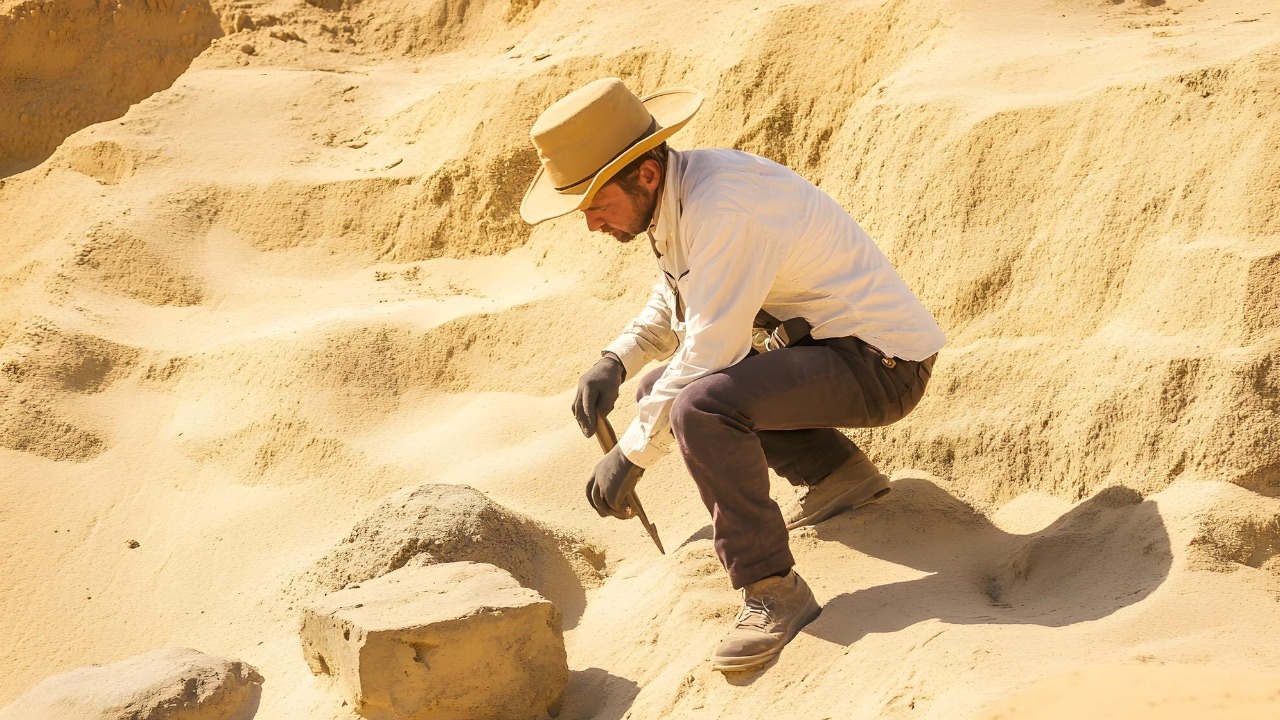
The site was uncovered during fieldwork conducted by a team of archaeologists. The initial discovery was a surprise, as the team was not specifically searching for signs of early human activity. However, the etchings immediately caught their attention due to their distinct patterns and the unusual location of their discovery.
According to Popular Mechanics, the etchings are not only remarkable for their age but also for their complexity. They depict a variety of motifs, including human figures, animals, and abstract symbols, which could provide valuable insights into the cognitive abilities and cultural practices of early humans. The diversity of the etchings also suggests that the site was used over an extended period, possibly serving as a meeting point or a place of cultural exchange for different groups of early humans.
The desert environment, while harsh, has played a crucial role in the preservation of the etchings. The lack of moisture and minimal human interference have kept the etchings relatively intact, allowing archaeologists to study them in their original context. The site’s isolation has also helped protect it from modern vandalism, ensuring that the etchings remain as they were left by our ancestors thousands of years ago.
Archaeological Significance
Through the use of dating techniques such as radiocarbon and stratigraphic analysis, the etchings have been tied to the 2025 reporting timeline. This places them within a significant period of early human history, potentially offering new insights into the lives and movements of our ancestors.
When compared to known prehistoric art forms, the etchings display unique features that suggest cultural or migratory influences. These differences may indicate a previously unknown group of early humans or a unique cultural practice, further emphasizing the importance of this discovery.
The etchings’ archaeological significance extends beyond their potential to shed light on early human migration. They also provide a rare glimpse into the artistic and symbolic practices of early humans. The etchings’ intricate designs and motifs suggest a level of cognitive sophistication and cultural complexity that challenges traditional views of early human societies. The presence of both figurative and abstract symbols could indicate the use of symbolic communication, a key aspect of human culture and cognition.
Moreover, the etchings’ unique features could help archaeologists identify cultural connections or differences between early human groups. The presence of certain motifs or styles could indicate cultural exchange or divergence, providing valuable clues about the social dynamics and interactions of early human societies. This could potentially lead to a more nuanced understanding of early human culture and society.
Implications for Human Migration Theories
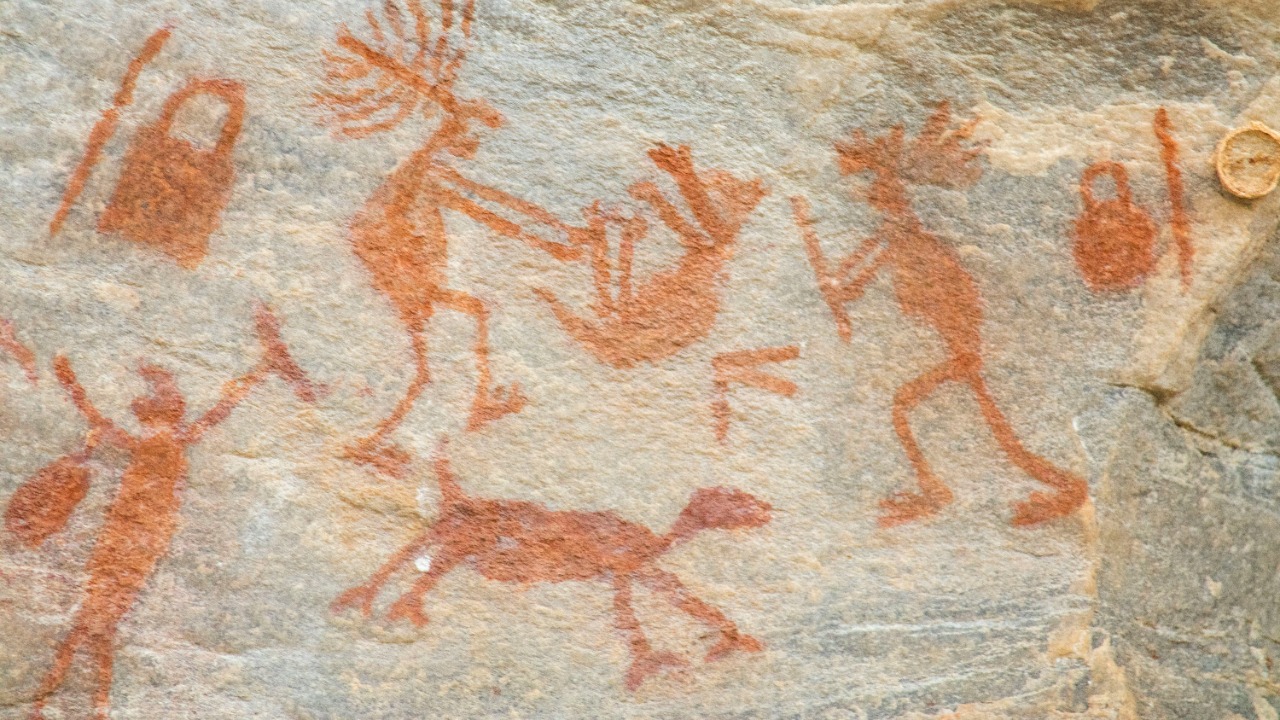
The motifs or symbols found within the etchings indicate an earlier human presence in the desert region than previously documented. This could suggest that early humans migrated to or through this area earlier than previously believed, potentially altering our understanding of early human migration routes.
The site’s positioning could also provide clues to migration routes. For example, if the site is located near a coast, it could suggest a coastal migration route from Africa to Eurasia. Alternatively, if the site is inland, it could indicate an inland migration route. These possibilities are currently being explored by researchers.
The discovery of the etchings also poses challenges to existing models of human migration, such as the “Out of Africa” hypothesis. This theory suggests that all modern humans descended from a single group of Homo sapiens who emigrated from Africa over 60,000 years ago. However, the etchings could provide evidence of alternative timelines or routes of migration.
Expert Interpretations

Archaeologists specializing in migration studies have weighed in on the etchings’ authenticity and meaning. While some believe the etchings are a significant discovery that could reshape our understanding of early human migration, others caution that more research is needed before definitive conclusions can be drawn.
Interdisciplinary perspectives have also been sought, with geneticists correlating the findings with DNA evidence of ancient populations. This could help confirm the age and origin of the etchings, providing further evidence to support or challenge existing theories of human migration.
Experts in the field of prehistoric art have also been intrigued by the etchings. According to some, the etchings’ complexity and diversity suggest a high level of artistic skill and cultural sophistication. This could challenge traditional views of early human societies as simple and primitive, suggesting instead that they were capable of complex symbolic thought and cultural expression. However, others argue that the etchings’ meaning and significance can only be fully understood within their specific cultural and environmental context, which requires further research.
Anthropologists have also shown interest in the etchings, viewing them as potential sources of information about early human social structures and belief systems. The etchings’ motifs and patterns could reflect social norms, religious beliefs, or cosmological views, providing a unique window into the minds and societies of our early ancestors. However, interpreting these symbols is a complex task that requires a deep understanding of early human cultures and their symbolic systems.
Preservation and Future Research

Efforts are currently underway to protect the site from environmental degradation in the desert. Documentation methods used in 2025, such as high-resolution photography and 3D scanning, are being employed to record the etchings in their current state.
Future research will likely involve advanced imaging techniques and comparative studies with similar global sites. This could help researchers better understand the etchings and their significance, potentially leading to further discoveries about early human migration.
Given the etchings’ archaeological significance, their preservation is a top priority. Measures are being taken to protect the site from natural erosion and human interference. These include the installation of protective barriers and the implementation of strict access regulations. In addition, efforts are being made to raise public awareness about the importance of preserving archaeological sites, with the aim of discouraging vandalism and illicit activities.
Future research at the site will likely involve a multidisciplinary approach, combining archaeological analysis with insights from anthropology, art history, and other related fields. This could help researchers gain a more comprehensive understanding of the etchings and their cultural context. In addition, comparative studies with other prehistoric art sites could reveal patterns or connections that shed new light on early human migration and culture. The potential for future discoveries at the site is vast, making it a focal point for ongoing research in the field of early human history.
Broader Historical Context

The etchings can be related to other desert-based artifacts that have influenced migration narratives in the past. For example, rock art found in other desert regions has provided valuable insights into the lives and movements of early humans.
Indigenous groups in the region may also view the site’s historical role in a unique light. Understanding their perspectives could provide additional context for the etchings and their significance, further enriching our understanding of early human history.
As we continue to explore and understand our past, discoveries like these etchings serve as a reminder of the complexity and richness of human history. They challenge our existing narratives and prompt us to reconsider our understanding of early human migration. As research continues, we can expect to gain even more insights into our ancestors and their journeys across the globe.
For more information on this discovery and its implications, visit Popular Mechanics.
