Dense industrial forests, managed primarily for timber production, have been identified as a significant factor in increasing the risk of megafires. These forests often lack the natural thinning processes that reduce fire hazards, leading to more severe and uncontrollable wildfires. Implementing thinning practices could be a vital strategy to mitigate these risks and protect ecosystems and communities.
The Anatomy of Industrial Forests
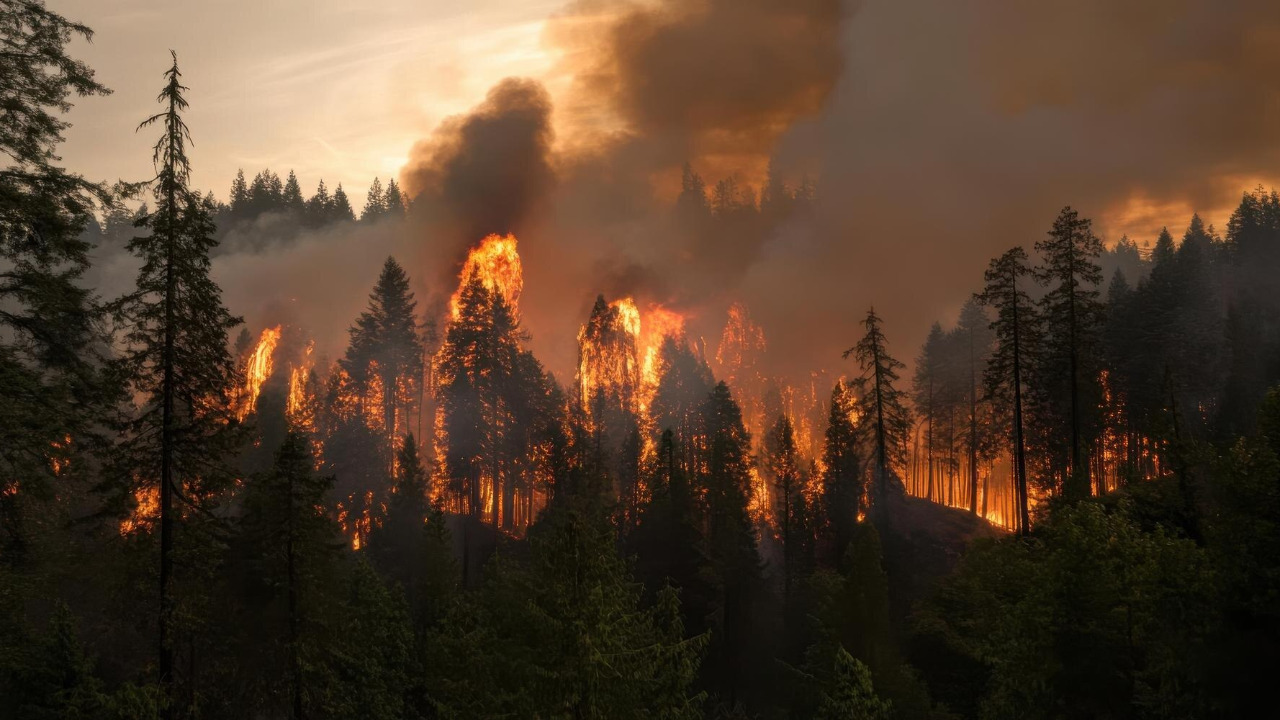
Industrial forests are characterized by dense planting schemes and uniform species selection, primarily aimed at optimizing timber yield. These forests are often monocultures, with the same species planted over large areas, which contributes to uniform growth patterns and density. Such management practices, while economically beneficial, can lead to forests that are more vulnerable to pests, diseases, and fire. The dense arrangement provides ample fuel for fires, making them more likely to escalate into large-scale events.
In contrast, natural forests typically exhibit a rich tapestry of biodiversity, featuring various tree species and ages. This diversity promotes ecological balance and natural processes like decomposition and natural thinning, which help keep fuel loads in check. Natural forests have evolved to cope with periodic fires, which can clear out underbrush and dead trees, reducing the likelihood of megafires. In comparison, the lack of diversity and natural fire management in industrial forests can lead to an accumulation of combustible material, increasing the risk of severe wildfires.
Understanding Megafire Risk
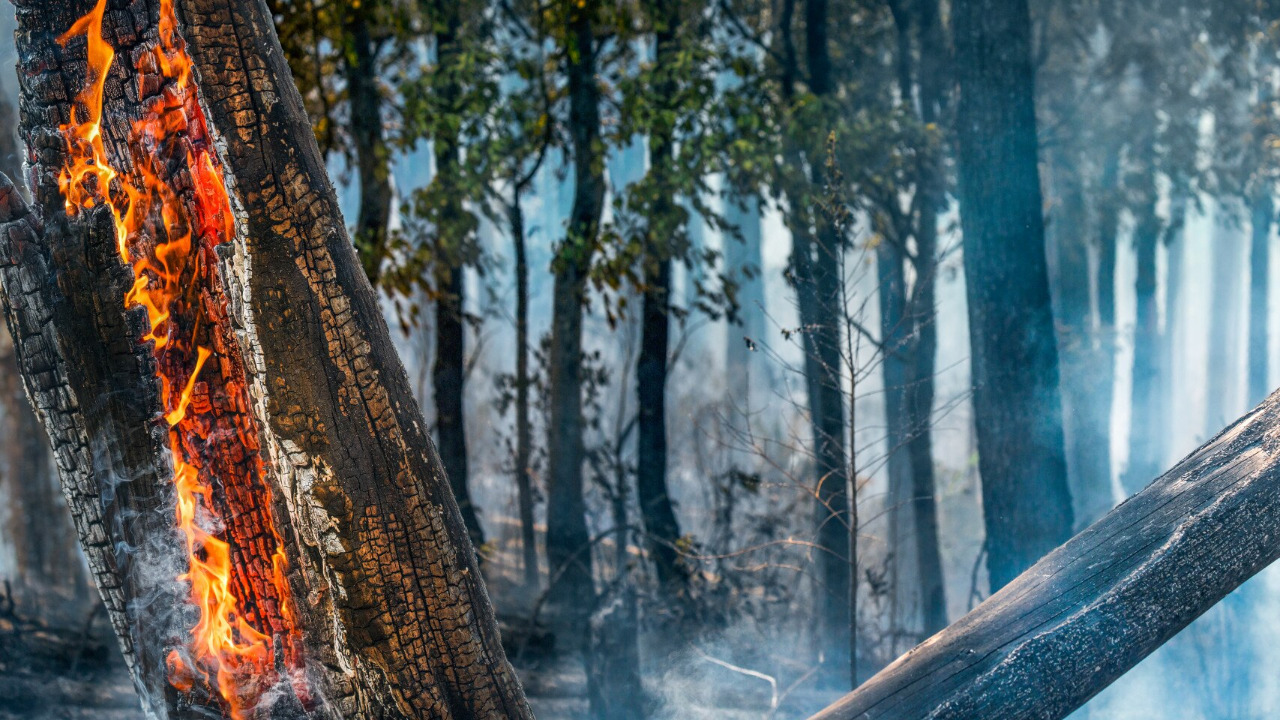
The risk of megafires in industrial forests is exacerbated by a combination of factors. High fuel loads, a byproduct of dense planting and lack of natural thinning, create ideal conditions for fires to ignite and spread. Climate change further intensifies these conditions by increasing temperatures and prolonging dry periods, making forests more susceptible to ignition. Fire suppression practices, often used to protect timber assets, can inadvertently lead to the buildup of fuel, as smaller fires that would naturally reduce fuel loads are quickly extinguished.
The economic and environmental consequences of megafires are profound. From an economic perspective, the costs associated with firefighting efforts, timber loss, and damage to infrastructure can be staggering. Environmentally, megafires can lead to significant biodiversity loss, as entire ecosystems may be unable to recover from the devastation. Additionally, the release of carbon emissions from burning forests contributes to climate change, creating a feedback loop that further exacerbates fire risks. According to a study by The Nature Conservancy, the impact of these fires on carbon emissions is significant and poses a long-term threat to climate stability.
The Role of Thinning in Fire Mitigation
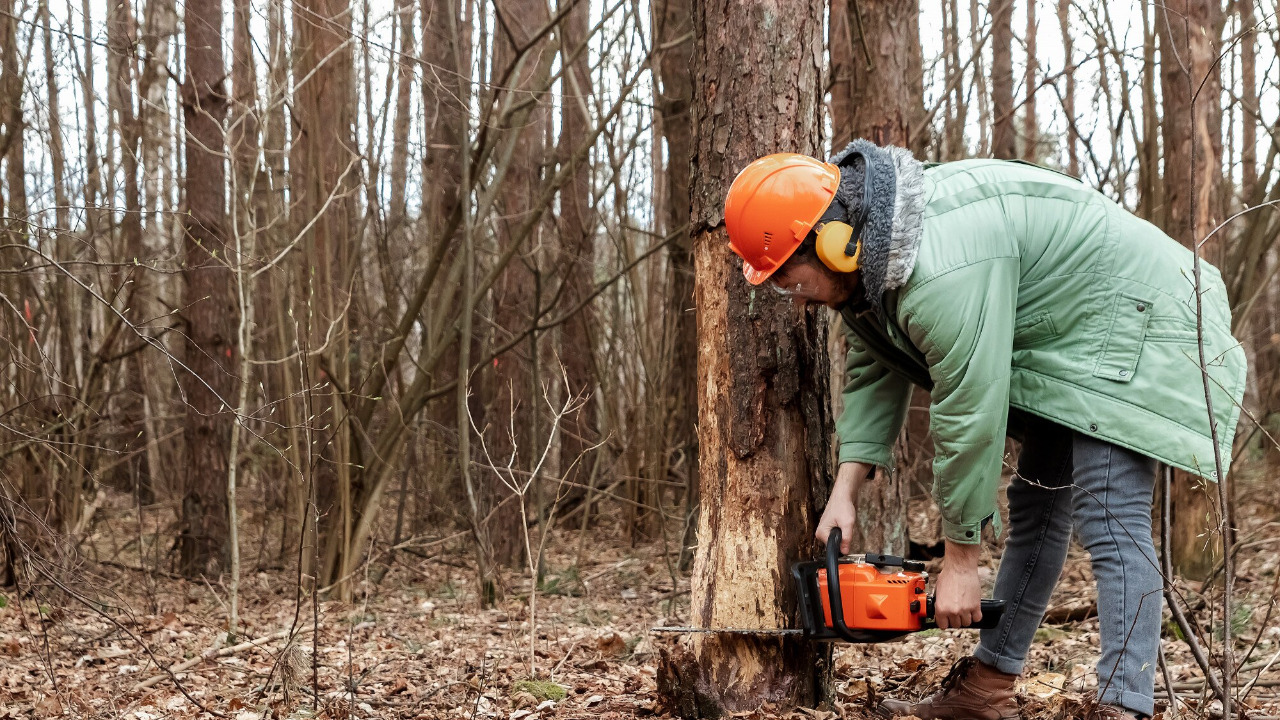
Thinning is a forest management practice that involves selectively removing trees to reduce stand density and fuel loads. By decreasing the number of trees, thinning lowers the intensity of potential fires and increases the resilience of forests to withstand fire events. This practice can help restore some of the natural fire management processes seen in more diverse and ecologically balanced forests. Thinning not only reduces the risk of megafires but also promotes healthier forest ecosystems by allowing more light and nutrients to reach the remaining trees and understory vegetation.
There are several success stories that highlight the effectiveness of thinning in reducing fire risks. For instance, in certain regions of the Western United States, forest managers have implemented thinning practices that have successfully reduced fire intensity and protected nearby communities. These case studies demonstrate that with careful planning and execution, thinning can play a crucial role in mitigating the risk of megafires while enhancing the ecological health of forests.
Challenges and Considerations in Thinning Practices
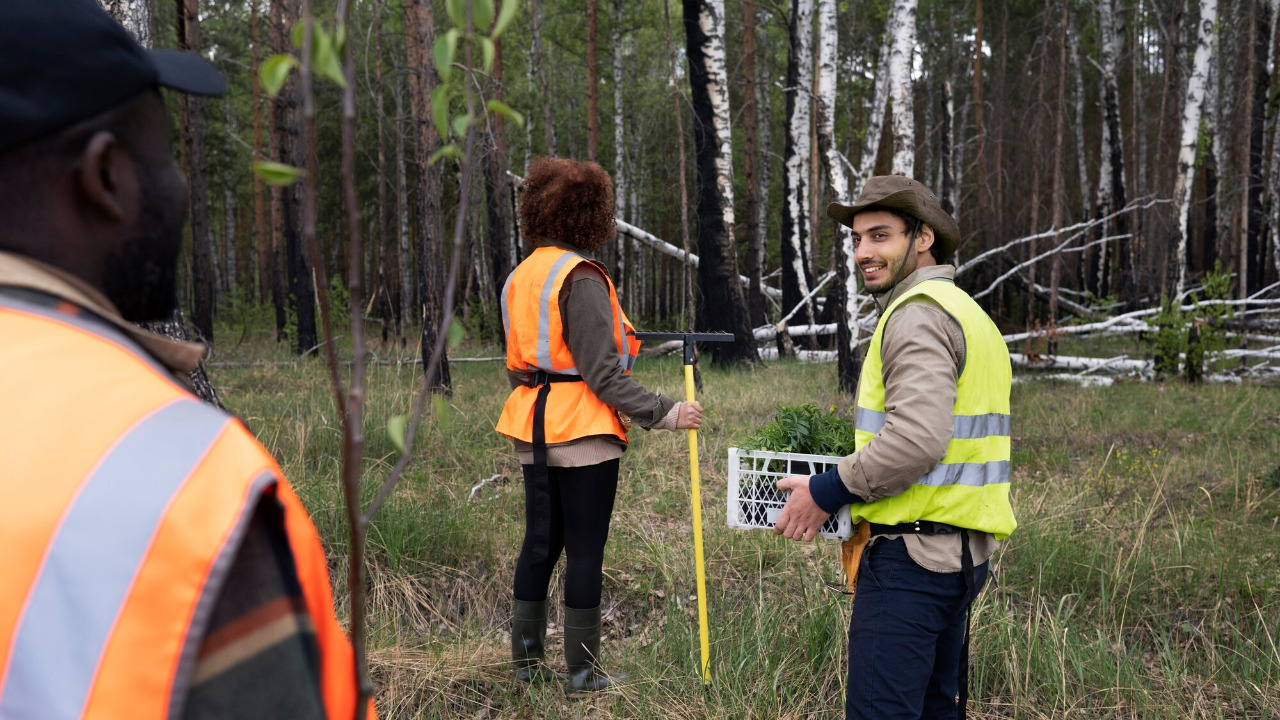
Despite its benefits, implementing thinning practices on a large scale presents several economic and logistical challenges. The financial costs associated with thinning can be substantial, as it requires considerable labor and equipment. Additionally, the infrastructure needed to support thinning operations, such as roads and transportation networks, can be expensive to develop and maintain. Forest managers must carefully balance the costs of thinning with the long-term benefits of reduced fire risk and improved forest health.
Thinning also has potential ecological and social impacts that must be considered. While thinning can improve forest health, it may also disrupt wildlife habitats and alter ecosystem dynamics. Moreover, gaining community and stakeholder support for thinning initiatives can be challenging, as people may have differing views on forest management practices. Effective communication and education efforts are essential to building consensus and ensuring that thinning practices are implemented in a way that respects both ecological and social considerations. A study published in Ecological Applications emphasizes the importance of stakeholder engagement in successful forest management interventions.
Future Directions for Forest Management

To support sustainable forest management and fire prevention strategies, robust policy and legislative frameworks are needed. Current policies often prioritize timber production over ecological health, but there is growing recognition of the need for a more balanced approach. Policymakers can play a vital role in promoting sustainable practices by providing incentives for thinning and other fire mitigation strategies. Legislation that emphasizes the importance of ecological health alongside economic objectives can help ensure that forest management practices are sustainable and effective in the long term.
Emerging technologies and innovative approaches hold promise for enhancing forest management efficiency. For example, advancements in remote sensing and data analytics can provide forest managers with detailed insights into forest conditions, enabling more targeted and effective thinning interventions. Additionally, new techniques such as prescribed burns and mechanical thinning are being explored as complementary strategies to traditional thinning practices. These innovations, as highlighted in a study published in Ecological Applications, offer exciting opportunities to improve the resilience of industrial forests and reduce the risk of megafires.
