The DeLorean DMC-12, a stainless-steel bodied supercar, was launched in 1981 by the DeLorean Motor Company in Northern Ireland. Despite its iconic gull-wing doors and innovative design, the company faced financial difficulties and production issues, leading to its bankruptcy in 1982 after producing just 9,000 units.
Origins of the DeLorean Dream
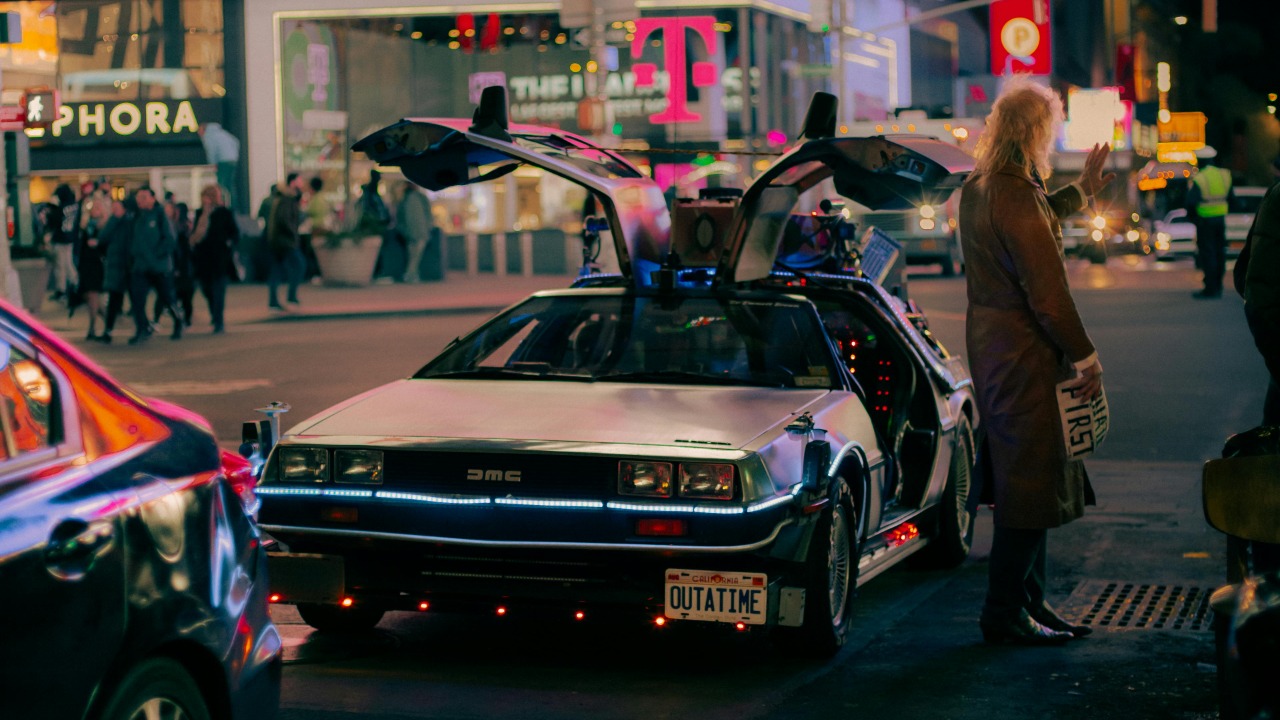
John DeLorean, a former General Motors executive, left his position in 1973 with a dream to create an ethical sports car free from corporate influence. This led to the establishment of the DeLorean Motor Company (DMC) in 1975. The British government, through the Northern Ireland Development Agency, provided initial funding to boost job creation in Belfast.
The company selected the Dunmurry factory site in Northern Ireland for its potential to create 2,000 jobs, a significant boost for the region’s economy which was facing troubles at the time. This decision was part of DeLorean’s larger vision to create a car that was not only innovative but also contributed positively to society.
John DeLorean’s vision for his dream car was not just about creating a unique sports car, but also about challenging the status quo of the automotive industry. He wanted to break away from the traditional corporate structure and create a company that valued innovation and ethical practices. His goal was to produce a car that was not only visually striking but also environmentally friendly, reliable, and safe. This was a bold move at a time when the industry was dominated by large corporations that prioritized profits over innovation.
DeLorean’s decision to set up the factory in Northern Ireland was also influenced by the British government’s promise of financial support. The government saw the potential of the DeLorean Motor Company to revitalize the local economy and was willing to invest heavily in its success. This partnership was seen as a win-win situation, with the government hoping to reduce unemployment and stimulate economic growth, and DeLorean gaining the financial backing he needed to realize his dream.
Design and Innovation
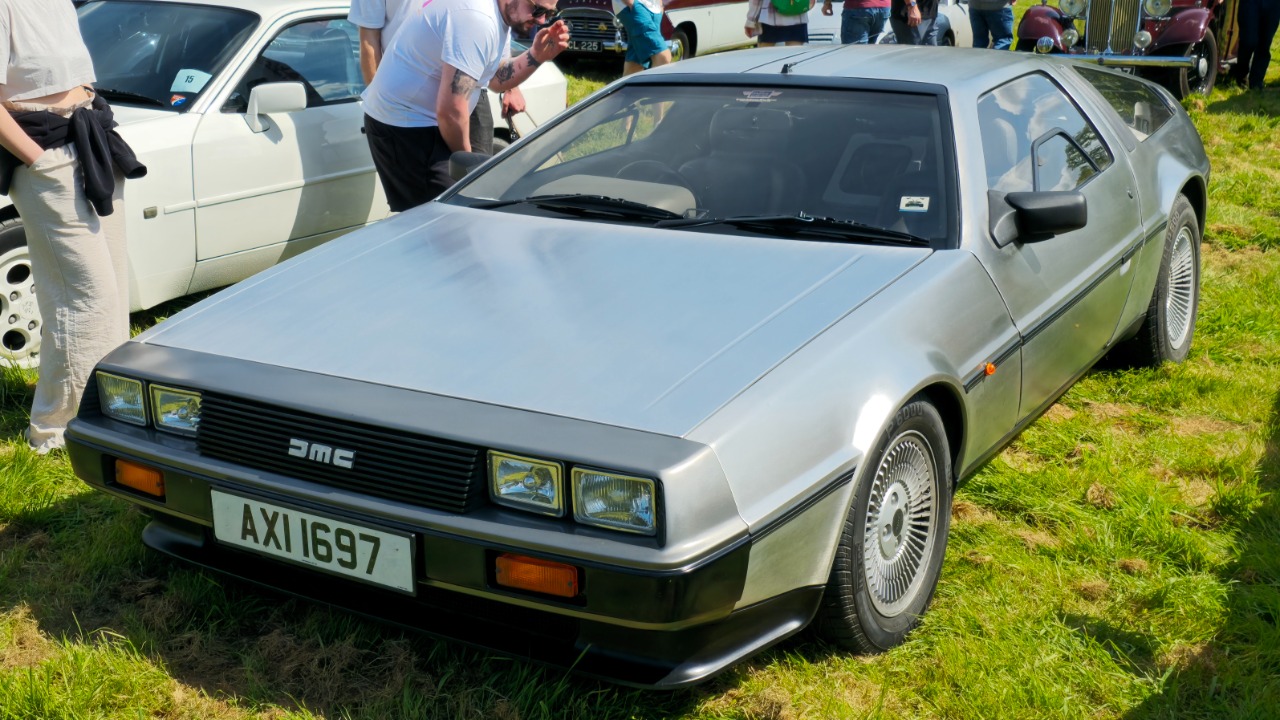
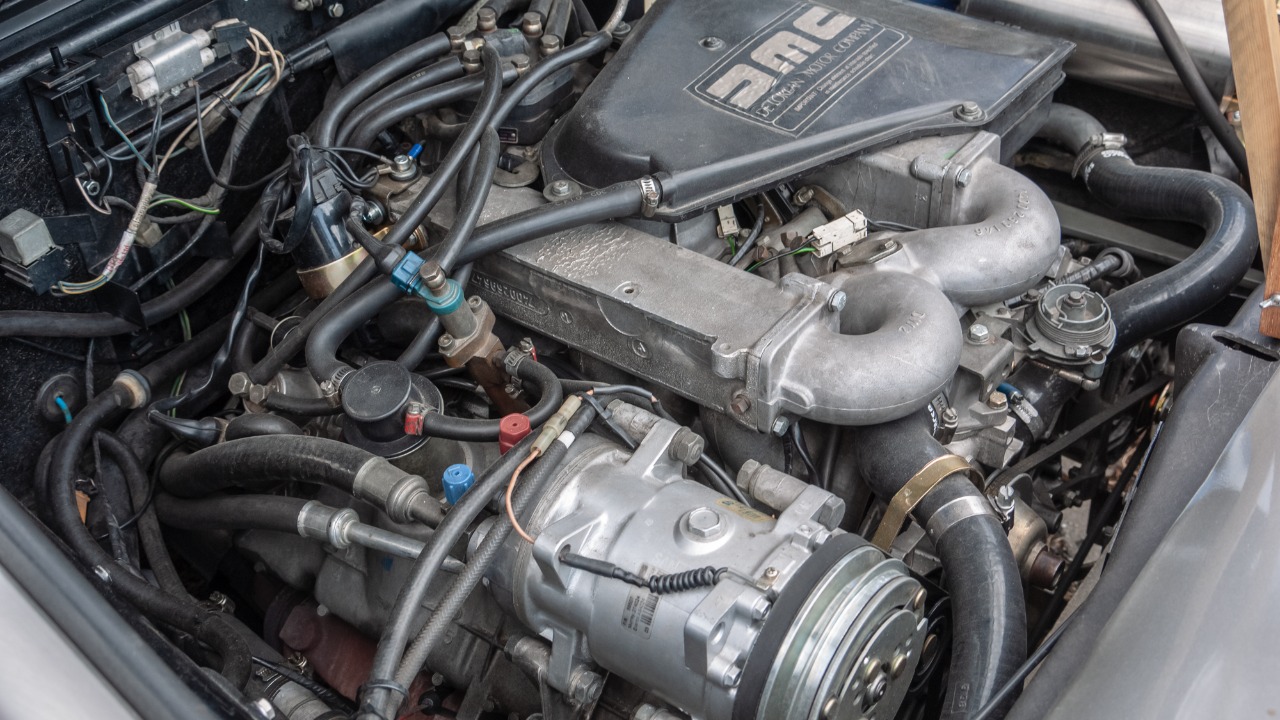
The DMC-12 was known for its signature features, including its brushed stainless-steel body panels that eliminated the need for paint and its gull-wing doors that were inspired by futuristic aesthetics. The engineering choices were equally innovative, with a fiberglass underbody for lightweight construction and a mid-engine layout using a Renault V6 engine producing 130 horsepower.
The car’s angular, wedge-shaped silhouette was the work of designer Giorgetto Giugiaro at Italdesign. This design was intended to evoke a sense of innovation and exclusivity, setting the DMC-12 apart from other sports cars of the era.
The DMC-12’s design was a reflection of DeLorean’s vision for a futuristic and distinctive sports car. The stainless-steel body was not only aesthetically pleasing but also practical, as it was resistant to rust and corrosion. The gull-wing doors, while visually striking, were also designed with functionality in mind. They required less lateral space to open than traditional car doors, making it easier for passengers to enter and exit the vehicle in tight parking spaces.
The car’s engineering was also groundbreaking. The use of a fiberglass underbody was a novel approach that reduced the car’s weight, improving its performance and fuel efficiency. The mid-engine layout, while common in high-performance sports cars, was unusual for a car in the DMC-12’s price range. This design choice was a testament to DeLorean’s commitment to delivering a true sports car experience to his customers.
Production Challenges
The factory opened in 1980, but the production of the DMC-12 was plagued by delays due to supply chain issues and labor disputes in Northern Ireland. The company had set a target production rate of 12,000 cars per year, but actual output struggled to reach 300 units monthly amid quality control problems.
The company relied heavily on government subsidies, receiving over £100 million from the UK. These funds were intended to support operations, but they also fueled scrutiny over mismanagement, adding to the company’s challenges.
The production of the DMC-12 was a complex process that required precise coordination of various components and systems. The company faced numerous challenges in sourcing parts, managing labor relations, and maintaining quality control. The factory in Dunmurry was a new facility, and the workforce was largely inexperienced in car manufacturing. This led to a steep learning curve and contributed to the production delays and quality issues that plagued the company.
The reliance on government subsidies also proved to be a double-edged sword. While the funds were crucial for keeping the operation afloat, they also attracted public scrutiny and criticism. The company was accused of mismanagement and wasteful spending, further exacerbating its financial and operational challenges. The pressure to meet production targets and justify the government’s investment added to the company’s woes.
Financial Downfall
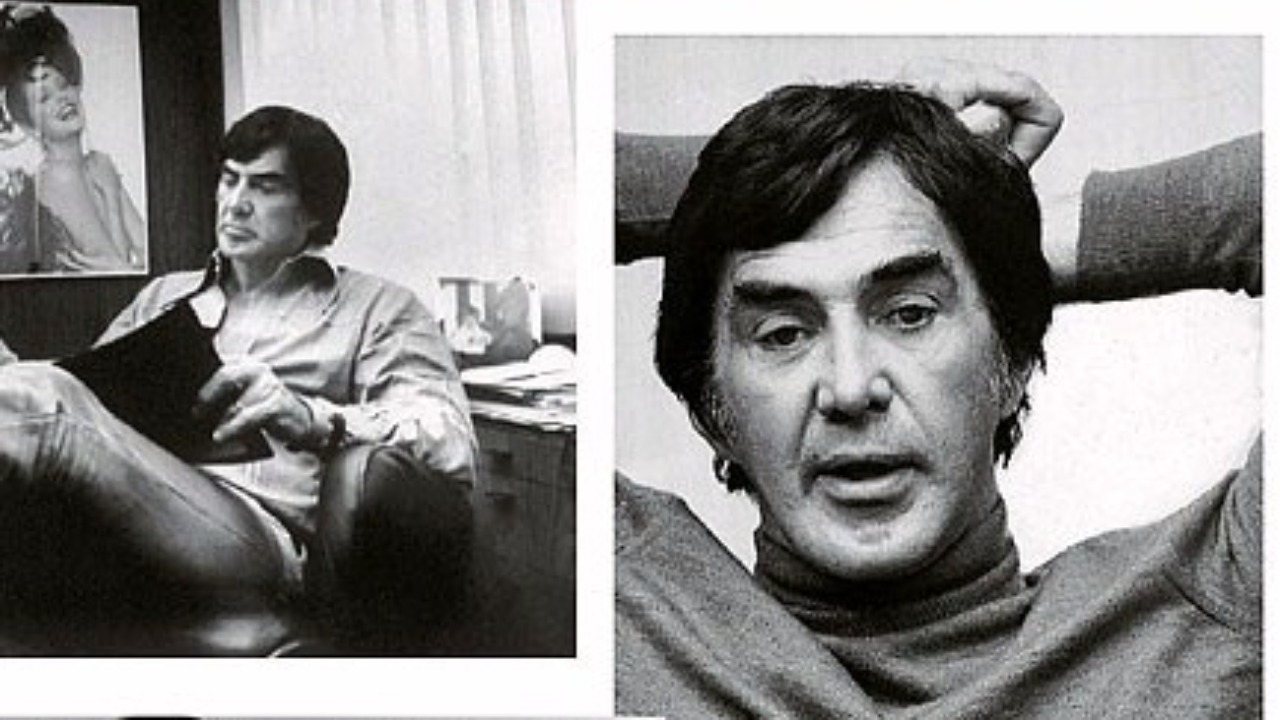
In 1982, John DeLorean was arrested in a cocaine trafficking sting operation orchestrated by the FBI. The authorities alleged a $24 million deal, but DeLorean was acquitted on entrapment grounds. This scandal, however, further tarnished the company’s reputation.
The company declared insolvency on October 26, 1982, after burning through £180 million in investments while selling fewer than 9,000 cars at $25,000 each. The aftermath saw the liquidation of assets, including the closure of the Dunmurry plant and the loss of 1,500 jobs, marking a major economic setback for Northern Ireland.
John DeLorean’s arrest in 1982 was a major blow to the company’s image and credibility. The high-profile nature of the case and the media attention it garnered cast a shadow over the company’s operations. Despite DeLorean’s acquittal, the damage to the company’s reputation was irreparable. The scandal also led to a loss of confidence among investors and customers, further exacerbating the company’s financial troubles.
The company’s insolvency was a tragic end to DeLorean’s dream. The closure of the Dunmurry plant resulted in the loss of jobs and had a significant impact on the local economy. The failure of the DeLorean Motor Company served as a cautionary tale about the risks and challenges of trying to disrupt the established automotive industry.
Cultural Legacy and Revival Attempts
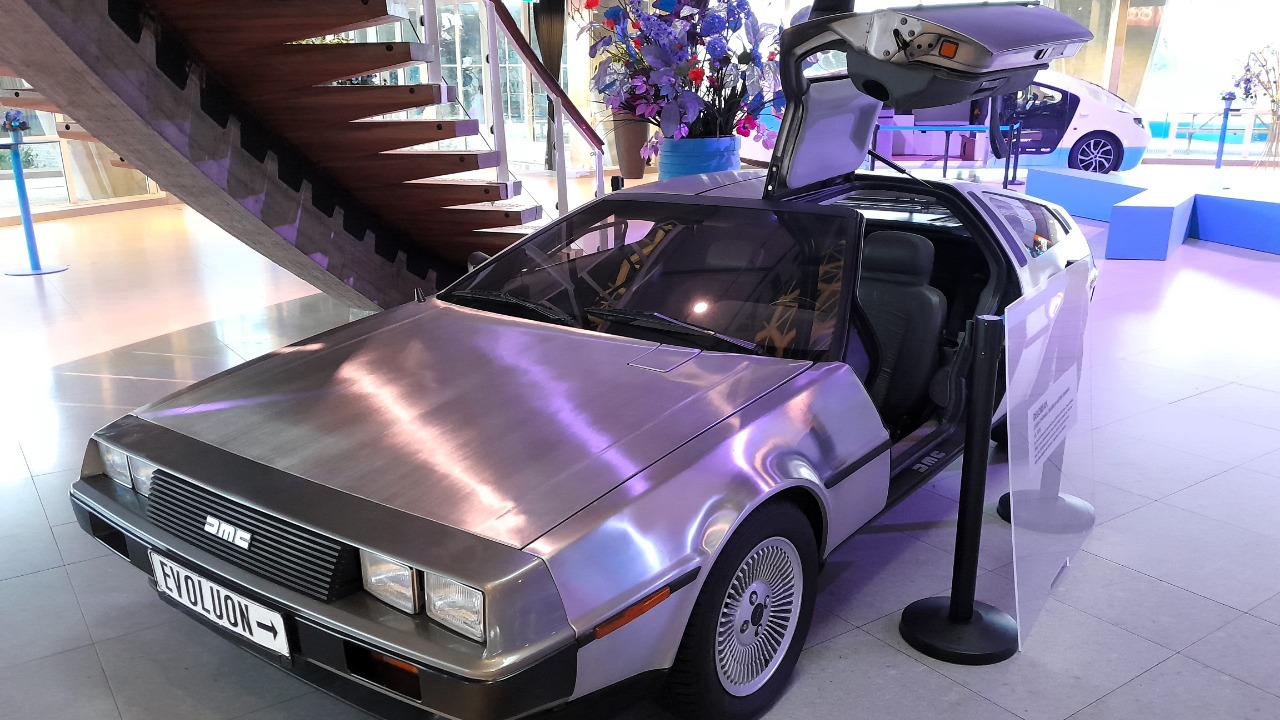
Despite its financial failure, the DMC-12 found a place in pop culture through its role as the time machine in the 1985 film Back to the Future. This boosted demand for surviving models and kept the DeLorean name alive.
In 1995, Stephen Wynne founded a new DeLorean Motor Company in Texas to restore and parts-source original DMC-12s. More recently, in 2024, an announcement was made for an electric Alpha5 revival priced at $150,000 with a 300-mile range. This new model aims to honor the original’s stainless-steel design, keeping the DeLorean dream alive for a new generation of car enthusiasts.
Source: HotCars
