
Google DeepMind has unveiled new AI models that significantly enhance the capabilities of robots by enabling them to search the web to complete tasks. This development represents a major advancement in the integration of AI and robotics, allowing robots to handle complex tasks by leveraging online resources. Such a transformative leap in technology underscores the potential for AI to support and optimize robotic functions in unprecedented ways.
Google DeepMind’s Gemini AI Models
The Gemini AI models are the latest innovation from Google DeepMind, specifically designed to enhance the capabilities of robotics. These models incorporate agentic AI, which empowers robots to execute tasks autonomously by utilizing web data. This marks a significant step forward in AI’s ability to assist and optimize robotic functions, as noted by The Verge. The integration of agentic AI allows robots to perform tasks with a level of independence that was previously unattainable, as they can now access and process information from the web in real-time.
According to Silicon Republic, the unveiling of these models signifies a major advancement in the field of AI and robotics. By enabling robots to autonomously search the web for information, the Gemini models enhance the decision-making processes of robots, allowing them to perform tasks more efficiently and effectively. This development is a testament to the growing capabilities of AI in supporting and optimizing robotic functions.
These models are built on a foundation of deep learning and neural networks, which allow them to process vast amounts of data quickly and efficiently. The Gemini AI models are designed to mimic human-like decision-making processes, enabling robots to not only perform tasks but also to learn from their experiences. This learning capability is crucial for adapting to new environments and challenges, making the robots more versatile and capable over time. As these models continue to evolve, they are expected to further blur the lines between human and machine capabilities, offering unprecedented levels of autonomy and efficiency in robotic systems.
Robots Leveraging Web Search
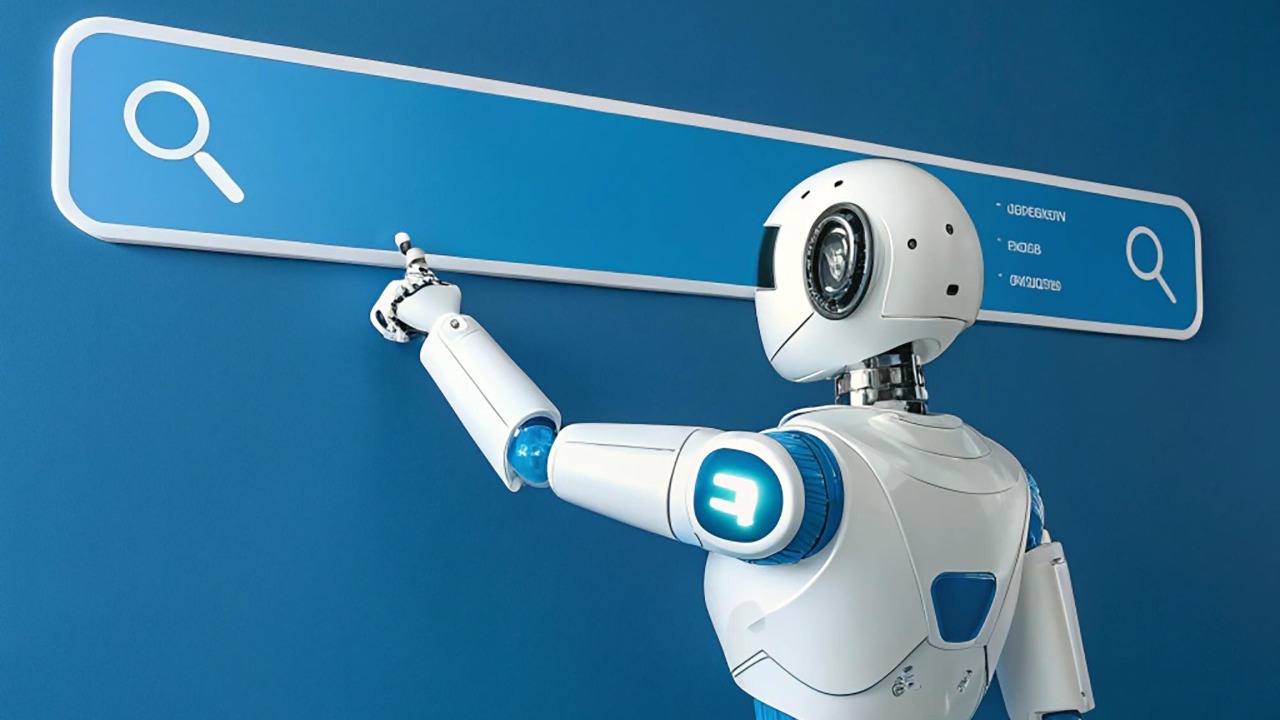
The new AI models empower robots to perform intricate tasks, such as sorting laundry, by accessing information online. This capability is highlighted by Financial Times, which reports that robots can now utilize web search capabilities to access real-time data, enhancing their decision-making processes and task execution. This development signifies a shift towards more intelligent and independent robotic systems that can solve problems by consulting online resources.
By leveraging web search capabilities, robots can access a wealth of information that enhances their ability to perform complex tasks. As reported by India Today, this advancement allows robots to adapt to new situations and challenges by accessing and processing information from the web. This capability not only enhances the functionality of robots but also paves the way for future innovations in the field of AI and robotics.
In addition to performing household tasks, these AI-enhanced robots have the potential to revolutionize industries such as manufacturing and logistics. By accessing real-time data, robots can optimize production lines, manage inventory, and even predict maintenance needs before they become critical issues. This proactive approach to problem-solving can lead to significant cost savings and efficiency improvements for businesses. Furthermore, the ability to access and analyze data from the web allows robots to stay updated with the latest industry trends and standards, ensuring that they operate at peak performance levels.
Impact on Robotics and AI Integration

The integration of web-searching capabilities into AI models signifies a convergence of internet technologies and robotics, potentially revolutionizing the industry. As noted by Seeking Alpha, this advancement in AI models could lead to more autonomous and versatile robotic applications across various sectors, including domestic and industrial settings. The ability to utilize the web for task completion enhances the adaptability and functionality of robots, paving the way for future innovations.
This development highlights the growing importance of AI in enhancing robotic capabilities and efficiency. By integrating web-searching capabilities into AI models, robots can now perform tasks with greater autonomy and versatility. This advancement is a significant step forward in the integration of AI and robotics, as it allows robots to access and process information from the web in real-time, enhancing their ability to perform complex tasks and adapt to new situations.
The integration of AI and robotics is not only transforming how tasks are completed but also how industries operate. In healthcare, for example, robots equipped with these AI models could assist in surgeries by providing real-time data and insights, potentially improving patient outcomes. In agriculture, AI-driven robots could analyze weather patterns and soil conditions to optimize planting and harvesting schedules, leading to increased yields and sustainability. These applications highlight the transformative potential of AI in enhancing the capabilities of robots across various sectors, driving innovation and efficiency in ways previously thought impossible.
The Future of Web-Enabling AI in Robotics

As AI models continue to evolve, the potential applications for web-enabled robots are vast, encompassing numerous fields and industries. According to The Verge, future developments may see robots not only completing tasks but also learning and improving through continuous web interaction and data acquisition. This ongoing evolution of AI and robotics integration highlights the growing importance of AI in enhancing robotic capabilities and efficiency.
The future of web-enabled AI in robotics is promising, as it opens up new possibilities for the development of more intelligent and autonomous robotic systems. As reported by India Today, the ongoing advancements in AI and robotics integration are paving the way for future innovations that will enhance the functionality and adaptability of robots. This development underscores the potential for AI to revolutionize the field of robotics, as it enables robots to access and process information from the web in real-time, enhancing their ability to perform complex tasks and adapt to new situations.
Looking ahead, the continuous development of web-enabled AI in robotics could lead to the creation of robots that not only perform tasks but also engage in complex problem-solving and decision-making processes. This evolution could see robots taking on roles traditionally reserved for humans, such as customer service representatives or even educators, where they could provide personalized learning experiences by accessing and curating educational content from the web. As AI technology advances, the ethical implications and societal impacts of increasingly autonomous robots will need to be carefully considered, ensuring that these innovations benefit humanity as a whole.
