In the mysterious depths of the ocean, hydrothermal vents serve as unique ecosystems that harbor extraordinary life forms. Among these are green-glowing bacteria that thrive in extreme conditions, offering insights into both the adaptability of life and the potential for biotechnological applications. The fascinating world of these luminescent microorganisms reveals their significance in scientific research, sparking curiosity about the potential for life in extreme environments.
The Enigmatic World of Hydrothermal Vents
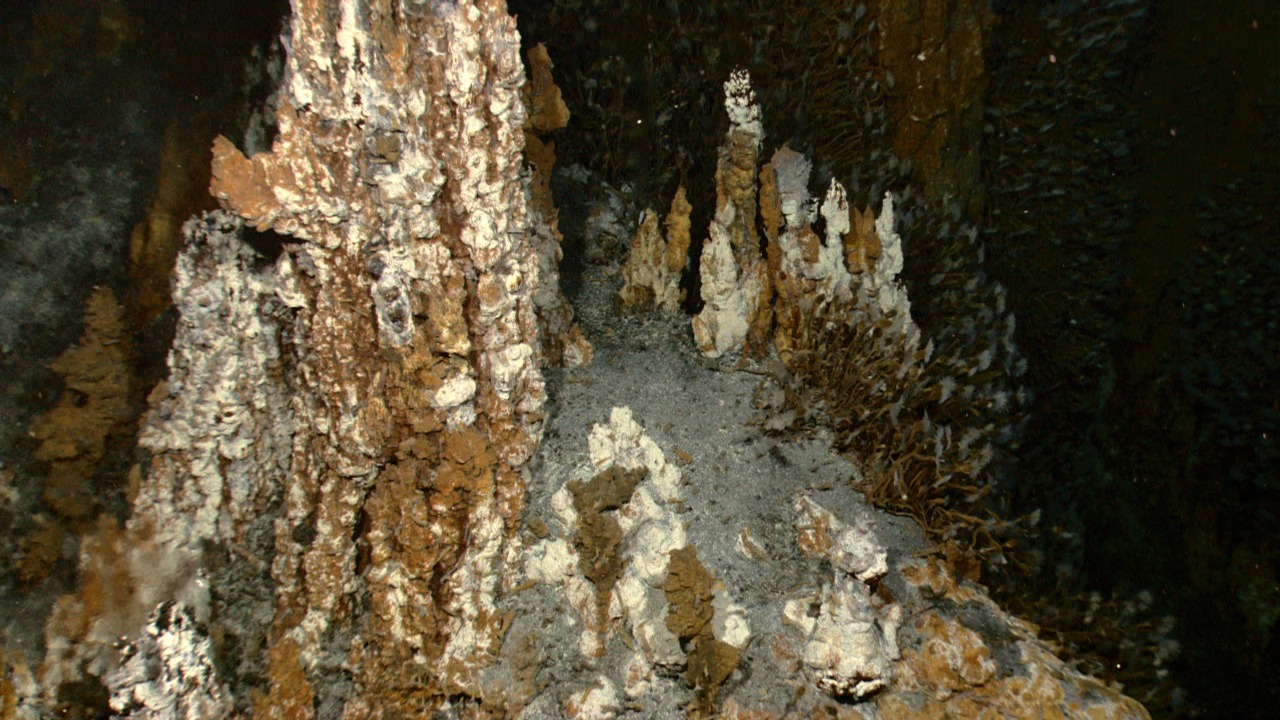
Hydrothermal vents are geological formations on the ocean floor where geothermal activity heats water to high temperatures. These vents create a unique physical and chemical environment, characterized by high pressure, intense heat, and a rich array of minerals. The vents are often classified into two categories: black smokers, which emit dark, mineral-rich plumes, and white smokers, which are cooler and release lighter, mineral-laden fluids. Both types of vents offer distinct habitats for a variety of marine organisms.
The significance of hydrothermal vents in marine biology cannot be overstated. These ecosystems support a unique biodiversity that includes organisms such as tube worms, giant clams, and the green-glowing bacteria of interest. Studying these communities provides critical insights into deep-sea ecosystems and evolutionary biology. The ability of life to thrive in such extreme conditions challenges our understanding of biological limits and raises questions about the potential for life in similar environments on other planets.
Green-Glowing Bacteria: Nature’s Luminescent Marvels
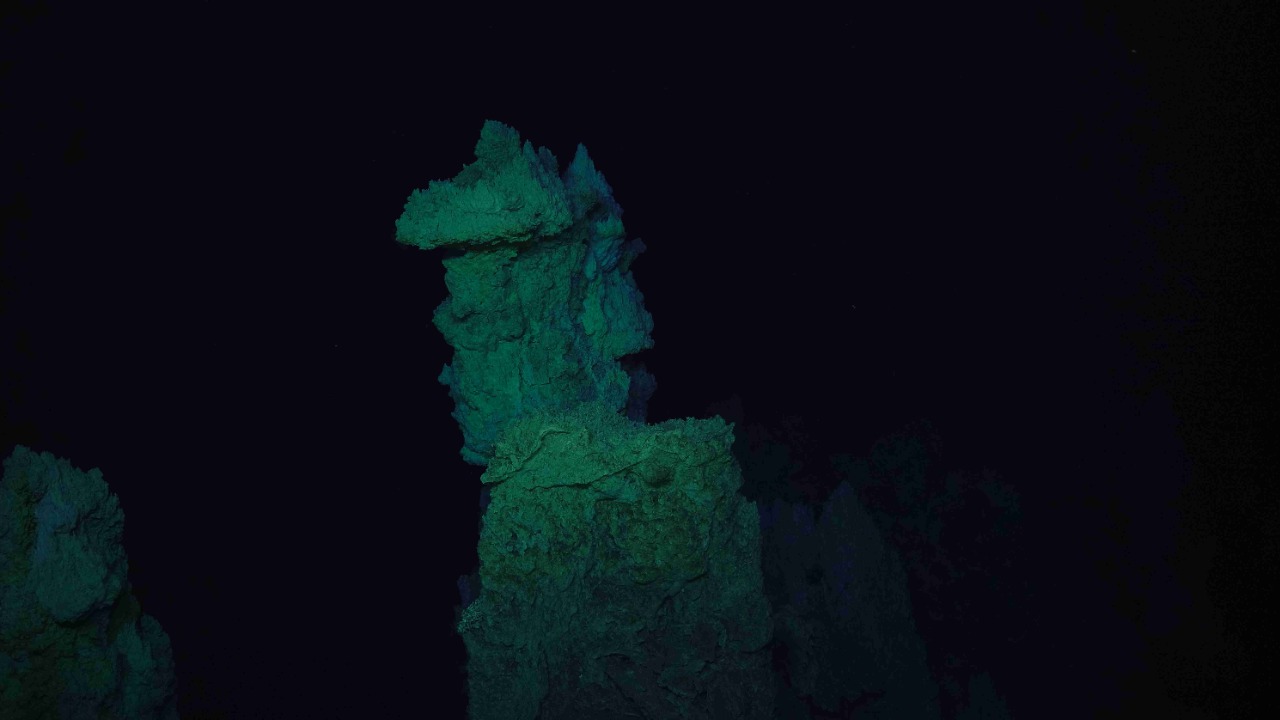
Green-glowing bacteria, also known as bioluminescent bacteria, are a remarkable example of nature’s ingenuity. Their bioluminescence serves as a survival mechanism, allowing them to attract prey, deter predators, or communicate with each other. These bacteria emit light through a chemical reaction involving the enzyme luciferase, which interacts with a substrate called luciferin, resulting in the emission of light. This phenomenon can also be observed in other bioluminescent organisms, such as fireflies and certain species of jellyfish.
The adaptations of green-glowing bacteria to extreme environments are equally fascinating. Their metabolic processes enable them to thrive in the high-pressure, high-temperature conditions found at hydrothermal vents. These bacteria often form symbiotic relationships with other vent organisms, providing them with essential nutrients in exchange for protection and access to resources. This symbiosis highlights the complex interdependence of life forms in these extreme environments.
Scientific and Technological Implications

Research into the bioluminescence of green-glowing bacteria has far-reaching scientific and technological implications. In the medical field, their luminescent properties are being explored for potential uses in medical imaging and diagnostics, offering a non-invasive method to illuminate and track cellular processes. Additionally, bioluminescent bacteria are being utilized in the development of biosensors and environmental monitoring tools, providing real-time data on pollution levels and ecosystem health.
Beyond practical applications, these bacteria contribute significantly to our understanding of life’s origins. The study of their metabolic processes offers insights into prebiotic chemistry and the conditions on early Earth that may have led to the emergence of life. Furthermore, their ability to thrive in extreme environments informs astrobiology, supporting the hypothesis that life could exist in similar conditions elsewhere in the universe.
Challenges and Future Directions
Despite their importance, hydrothermal vent ecosystems face significant environmental threats. Deep-sea mining and climate change pose risks to these fragile habitats, potentially disrupting the delicate balance of their ecosystems. Conservation efforts and international regulations are needed to protect these unique environments and the life forms they support.
Looking to the future, there are numerous opportunities for research into deep-sea microbial communities. The unexplored potential of these communities holds promise for discovering new biochemical processes and compounds. Technological advancements in deep-sea exploration and sampling will be crucial in uncovering these mysteries and expanding our understanding of life in extreme environments.
Deep-Sea Vents and Human Curiosity
Deep-sea exploration has long captured the human imagination, sparking scientific curiosity and leading to groundbreaking discoveries. Historical expeditions, such as those conducted by the Alvin submersible, have revealed the wonders of hydrothermal vent ecosystems and inspired public interest in the mysteries of the deep. Scientific outreach programs continue to engage audiences, fostering a sense of wonder and appreciation for the natural world.
The broader impact of studying deep-sea vents extends beyond marine biology. These ecosystems contribute to the fields of ecology, evolution, and environmental science, providing valuable insights into the complex interactions within ecosystems and the adaptability of life. By inspiring future generations of scientists and explorers, the study of hydrothermal vents encourages a deeper understanding of our planet and the potential for life beyond Earth.
