Advancements in technology have made it possible to detect tsunamis early using deep-sea sensors, enabling us to mitigate the potential devastation of these natural disasters. This innovative technology has revolutionized our understanding of geophysical events leading to tsunamis and our ability to respond effectively.
The Science Behind Tsunami Detection
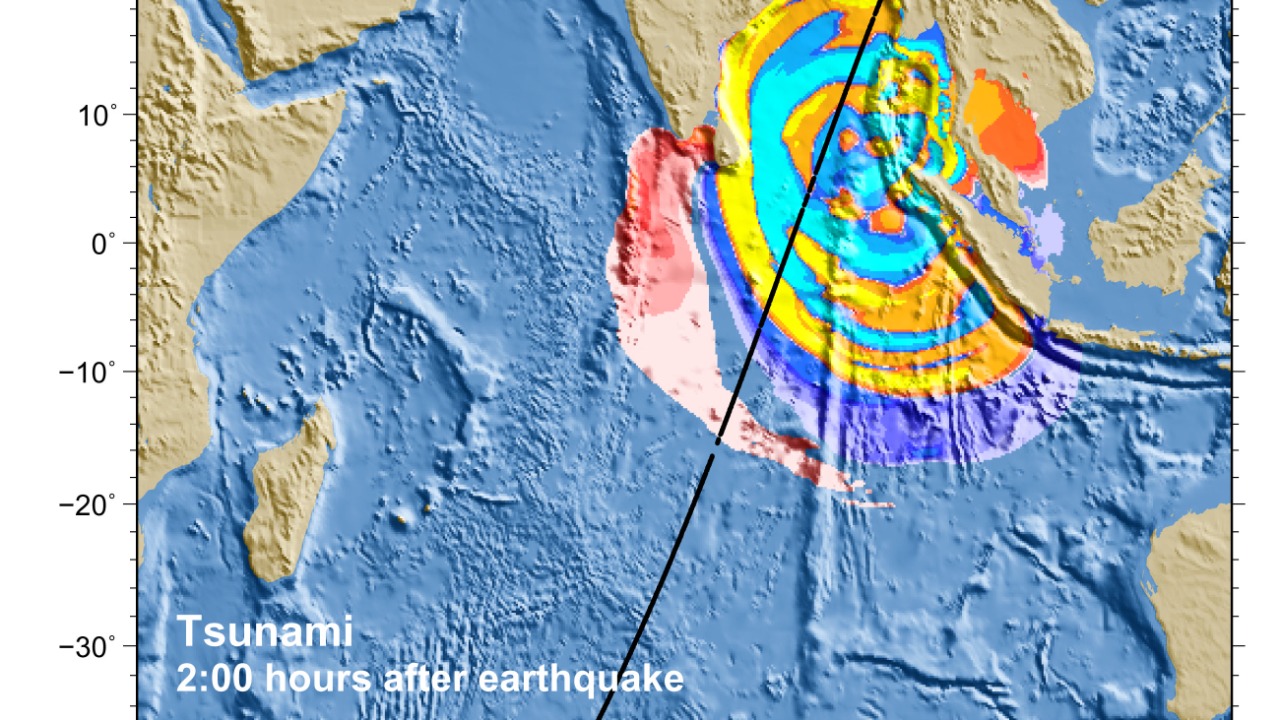
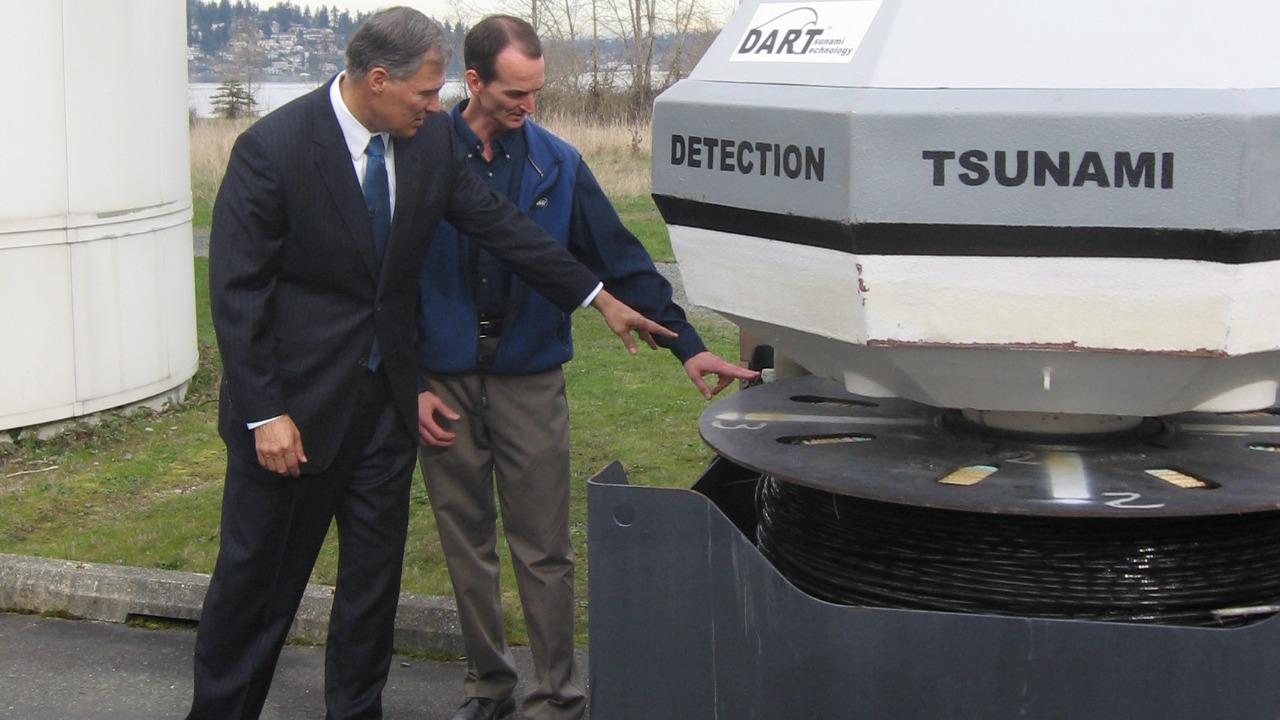
Tsunamis are triggered by seismic activities beneath the ocean floor which cause a sudden displacement of water. Deep-sea sensors are designed to detect these seismic activities. These devices, installed on the seafloor, measure pressure changes in the water column above them. When a tsunami occurs, these sensors capture the changes in water pressure caused by the incoming waves, even when the waves are still several hours away from shore.
The sensors transmit this data to early warning systems in real-time. Utilizing sophisticated algorithms, these systems analyze the data and predict the size, speed, and arrival time of the tsunami. This information is then relayed to emergency services and the public, providing valuable time for evacuation and disaster preparation. Early Warning Systems for Disasters provides a comprehensive look at this process.
The Evolution of Tsunami Early Warning Systems
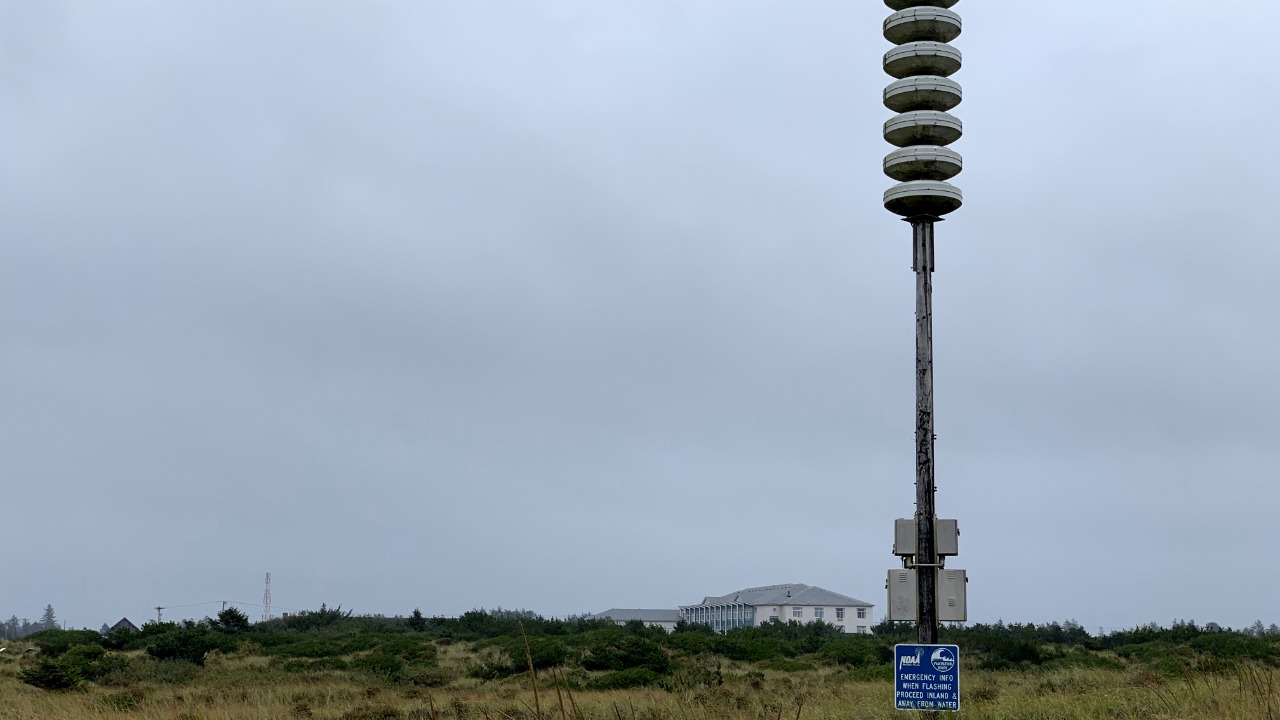
Historically, tsunami detection was limited to observations of unusual sea behavior and rudimentary seismic data. This often led to late warnings or false alarms, resulting in unnecessary panic or, worse, failure to evacuate in time. It was not until the mid-20th century that the first tsunami warning systems were put into place, primarily in response to the devastating tsunamis in the Pacific Ocean.
Over the past few decades, the incorporation of deep-sea sensors into these systems has significantly improved their accuracy and response time. Modern warning systems can now provide accurate warnings hours in advance, allowing for more effective evacuation and disaster response strategies. A recent article discusses these improvements in depth.
The Implementation of Deep-Sea Sensors in India
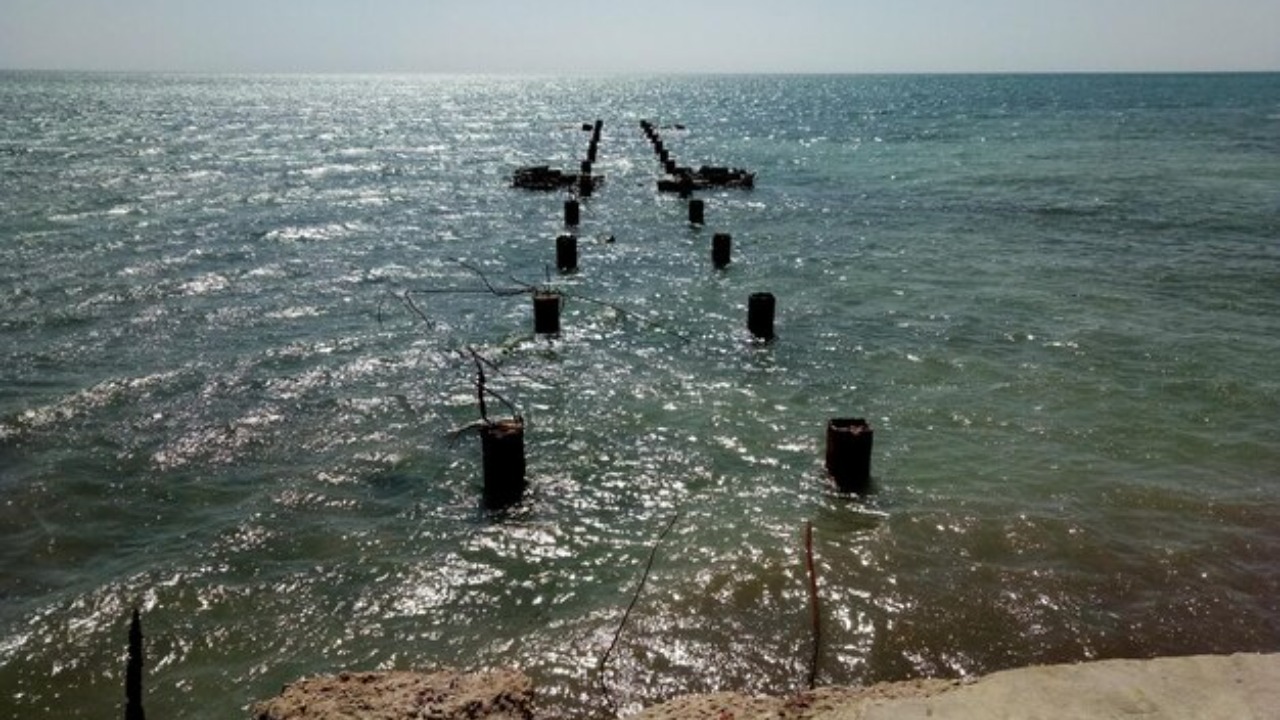
In recent years, India has made significant strides in improving its tsunami and earthquake early warning system. This includes the development of a network of deep-sea sensors in the Indian Ocean, a region with a history of deadly tsunamis. The Times of India covered this ambitious project in detail.
Implementing this network of sensors was not without challenges. From dealing with the harsh conditions of the deep sea to ensuring reliable data transmission, the project required intricate planning and execution. However, the successful implementation of these sensors has significantly improved India’s ability to detect and respond to tsunamis.
The Global Impact of Early Tsunami Detection
Early tsunami detection has a profound global impact, potentially saving countless lives and infrastructures. For instance, the early detection and warning of the 2011 Tohoku tsunami in Japan allowed for the successful evacuation of many coastal areas, undoubtedly saving lives.
Further improvements in detection technology could revolutionize disaster management worldwide. For instance, research published in Marine Geophysical Research discusses the potential of next-generation deep-sea sensors in providing even earlier and more accurate warnings.
The Future of Deep-Sea Sensor Technology
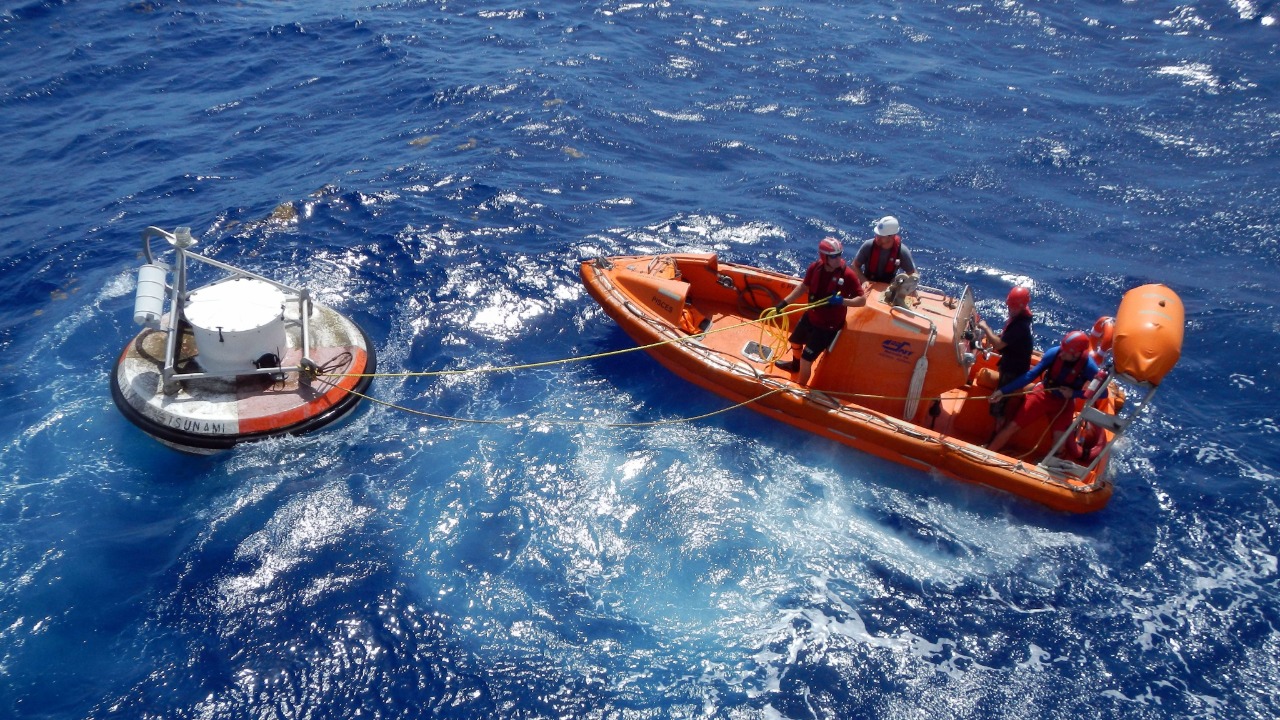
Considering the current advancements in deep-sea sensor technology, the future seems promising. Researchers are exploring ways to enhance the sensitivity and durability of these sensors, as well as their data transmission capabilities. The ultimate goal is to create a global network of sensors that can provide real-time data on seismic activities across the world’s oceans.
Beyond tsunami detection, these advancements could also find applications in other areas, such as climate change research, oceanography, and marine biology. A study in the Marine Technology Society Journal discusses these potential applications. As technology continues to evolve, these developments will undoubtedly play a crucial role in shaping a safer future.
