
Deep-sea exploration remains one of the last great scientific frontiers on our planet, holding the potential for significant discoveries and advancements. High-tech robots, equipped to withstand the colossal pressure and inhospitable conditions of the deep sea, play a crucial role in this exploration, mapping uncharted trench caves and uncovering the mysteries of our oceans.
The Need for Deep-Sea Exploration
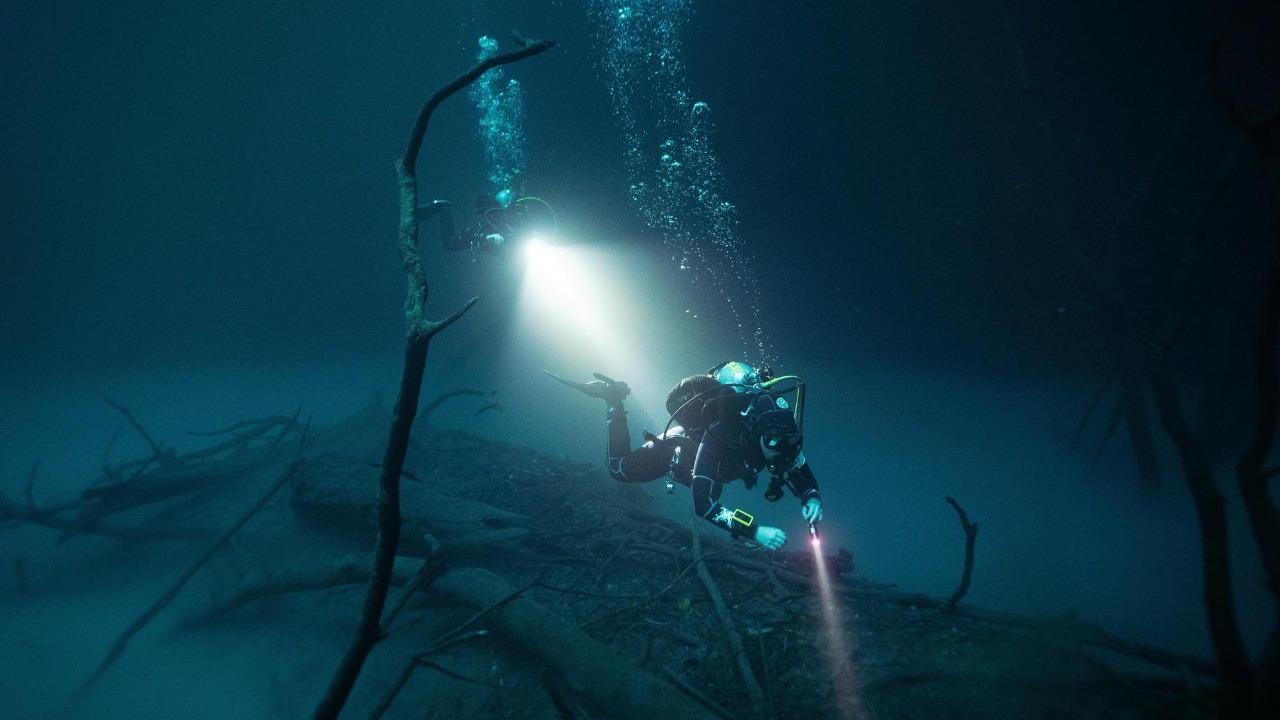
The deep sea, one of the most challenging environments on Earth, holds a wealth of undiscovered species, geological features, and resources. Yet, it remains largely unexplored due to its extreme conditions such as high pressure, low temperatures, and lack of light. Exploring this final frontier is vital for scientific understanding, conservation efforts, and potential resource extraction. In particular, mapping uncharted trench caves is a critical part of this exploration.
Trench caves pose a unique challenge and opportunity. They are formed by complex geological processes and often host unique ecosystems. Mapping these structures can provide valuable data on biodiversity, geological history, and potential mineral resources. By exploring these underwater caves, we can gain a more nuanced understanding of our planet’s history and future.
Innovative Robots for Deep-Sea Mapping
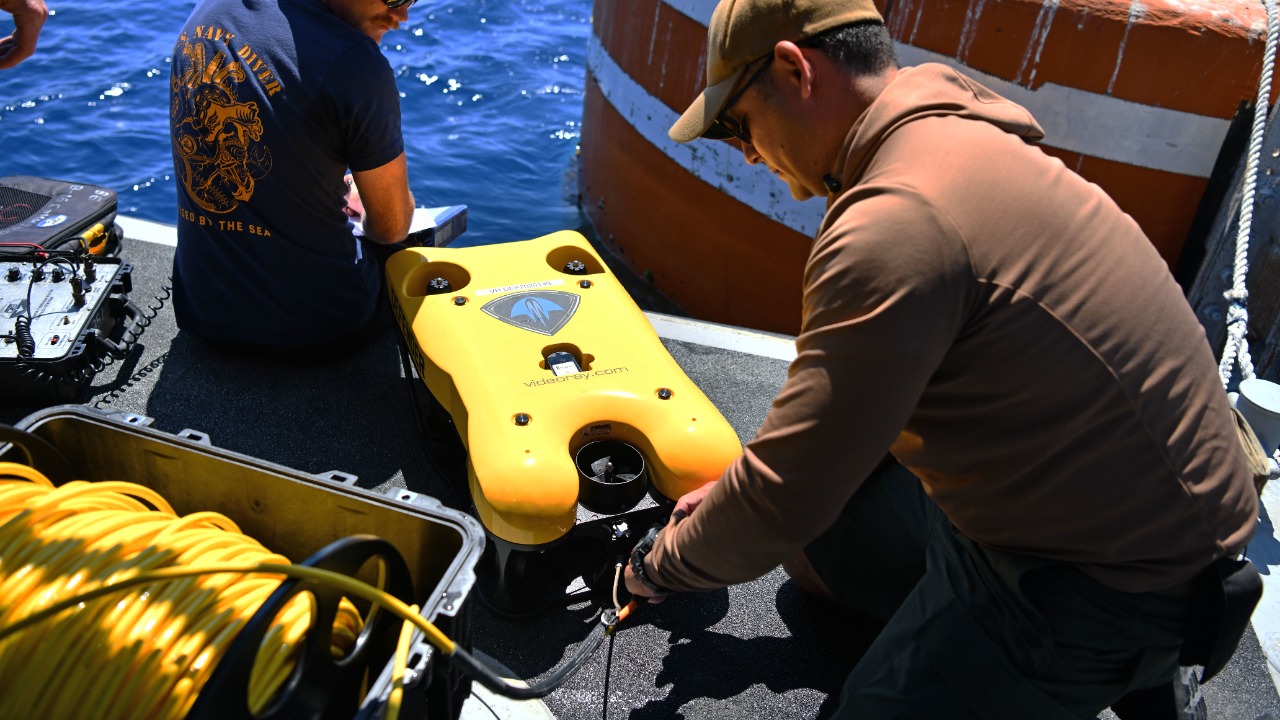
Modern deep-sea exploration heavily relies on advanced robots capable of surviving the harsh conditions of the sea floor. These robots come in various forms, from remotely operated vehicles (ROVs) to autonomous underwater vehicles (AUVs), each designed to conduct specific tasks. One of the most fascinating features of these robots is their ability to shape-shift and withstand high pressure, an innovation that has revolutionized underwater exploration.
Shape-shifting robots can adapt their form to navigate challenging terrain, allowing them to delve deeper into trench caves than ever before. Their pressure-withstanding abilities are equally impressive, capable of surviving the immense pressures of the deep sea, nearly 1000 times greater than at sea level. This combination of adaptability and durability has opened the door to previously inaccessible depths. For more information on these innovative robots, check out this article.
Case Study: Nereus and the Mariana Trench
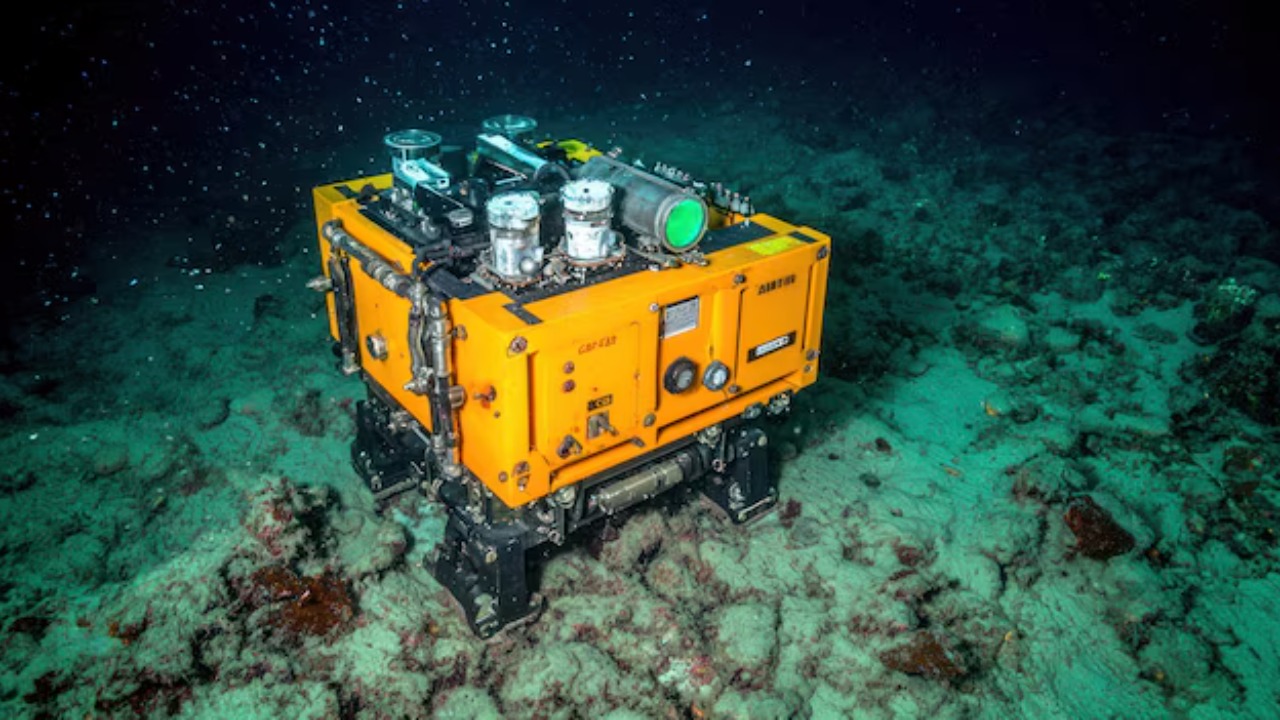
One of the most notable deep-sea robots is Nereus, a hybrid ROV/AUV built for extreme deep-sea exploration. Nereus was designed to operate at depths of up to 11,000 meters, making it one of the few machines capable of reaching the deepest parts of the ocean.
In 2009, Nereus embarked on a mission to explore the Mariana Trench, the deepest part of the world’s oceans. Despite the enormous challenges, Nereus successfully navigated the trench, collecting valuable data and even discovering new species. The mission highlighted the potential of robotic technology in deep-sea exploration. To learn more about Nereus and its groundbreaking mission, take a look at this detailed account.
NASA’s Interest in Deep-Sea Exploration

Deep-sea exploration is not just of interest to marine biologists and geologists; it also captures the attention of space agencies like NASA. The extreme conditions of the deep sea are analogous to those found on other planets and moons, providing an invaluable testing ground for extraterrestrial exploration.
NASA’s involvement in deep-sea research reflects the intersection of space and ocean exploration. By studying the Earth’s deep-sea environments, scientists can gain insights into the potential conditions on other celestial bodies, such as Jupiter’s moon Europa, which is believed to have a deep, subsurface ocean. This BBC article offers more on why NASA is exploring the deepest oceans on Earth.
The Future of Deep-Sea Exploration
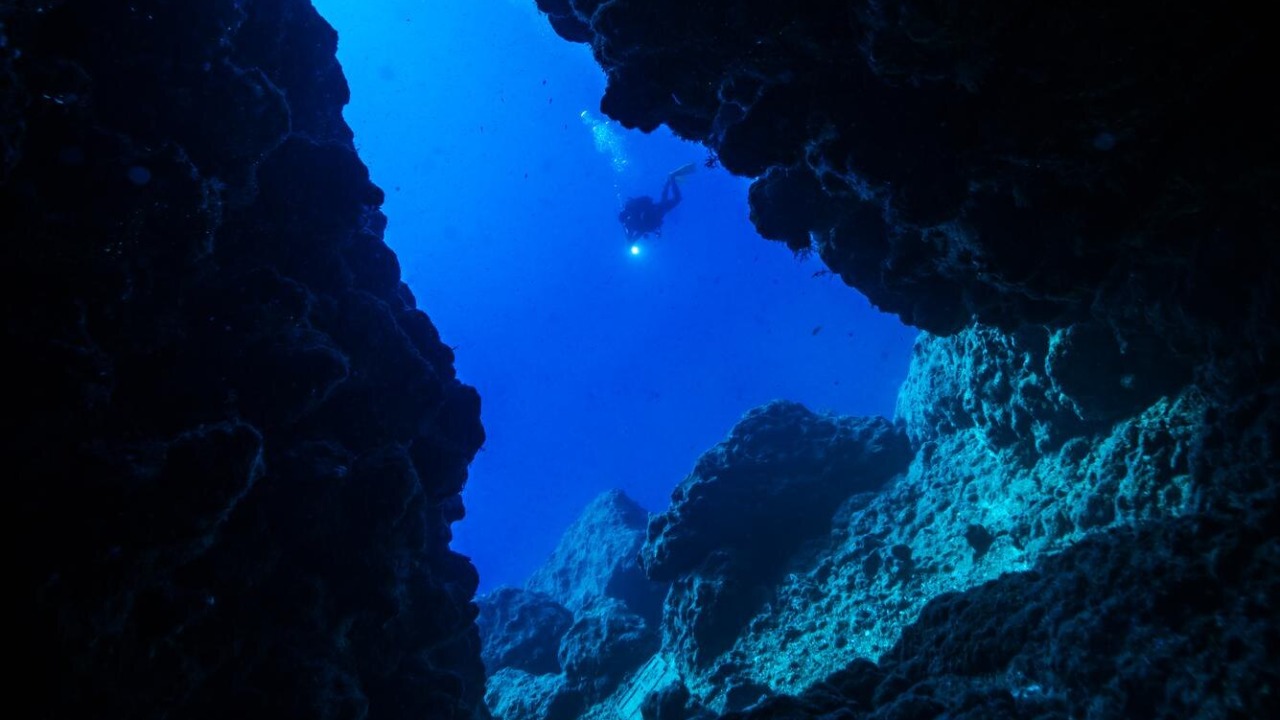
As technology advances, so too does our capacity for deep-sea exploration. Future robots will likely be even more resilient, versatile, and autonomous, enabling them to explore further and collect more detailed data. These technological advances could revolutionize our understanding of the Earth’s underwater ecosystems and resources.
For instance, we could see more comprehensive mapping of underwater caves, leading to new discoveries in biology and geology. We could also find more efficient ways to extract resources from the deep sea, balancing economic benefits with environmental preservation. The future of deep-sea exploration is undoubtedly exciting, as highlighted in this overview.
