After decades of eluding human detection, a deep-sea fish with a transparent skull has finally been captured on camera. This remarkable creature offers fresh insights into the unique biology of deep-sea inhabitants, and sheds light on the vast marine biodiversity waiting to be discovered in the ocean depths.
Unveiling the Mysterious Deep-Sea Creature

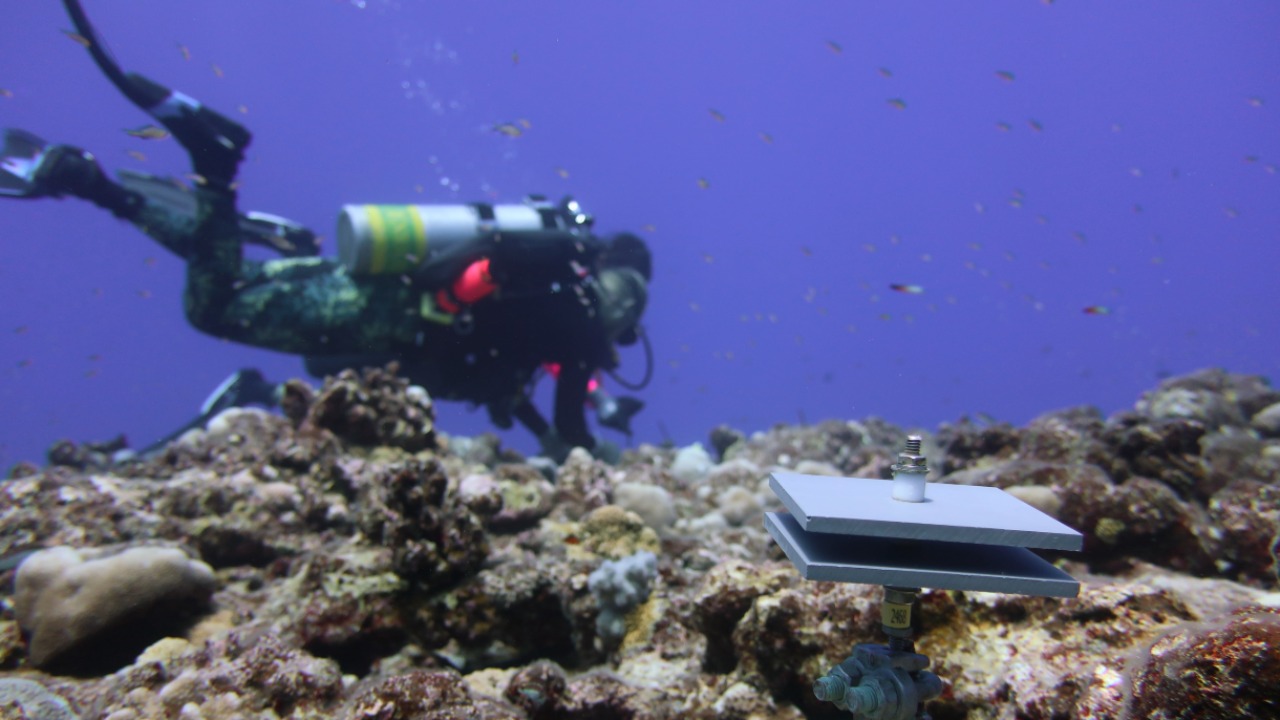
The elusive fish, known scientifically as the Barreleye or Macropinna microstoma, was captured by the advanced technology of the Monterey Bay Aquarium Research Institute (MBARI). Using remotely operated vehicles (ROVs), equipped with high-definition cameras and powerful lighting, researchers could delve into the dark, pressurized world of the deep sea. This is where the Barreleye thrives, in depths reaching up to 2,500 meters in the Pacific Ocean. The MBARI’s exploration of this environment has been key in uncovering the rich biodiversity that lies beneath the ocean’s surface.
Deep-sea exploration is fraught with challenges, but it’s also a treasure trove of scientific discovery. As we delve deeper, we uncover more about the myriad species that inhabit these unfathomable depths. Each discovery, like this transparent-skull fish, not only expands our knowledge about marine life but also highlights the importance of preserving these unique ecosystems.
The Fish with a Transparent Skull: A Biological Marvel
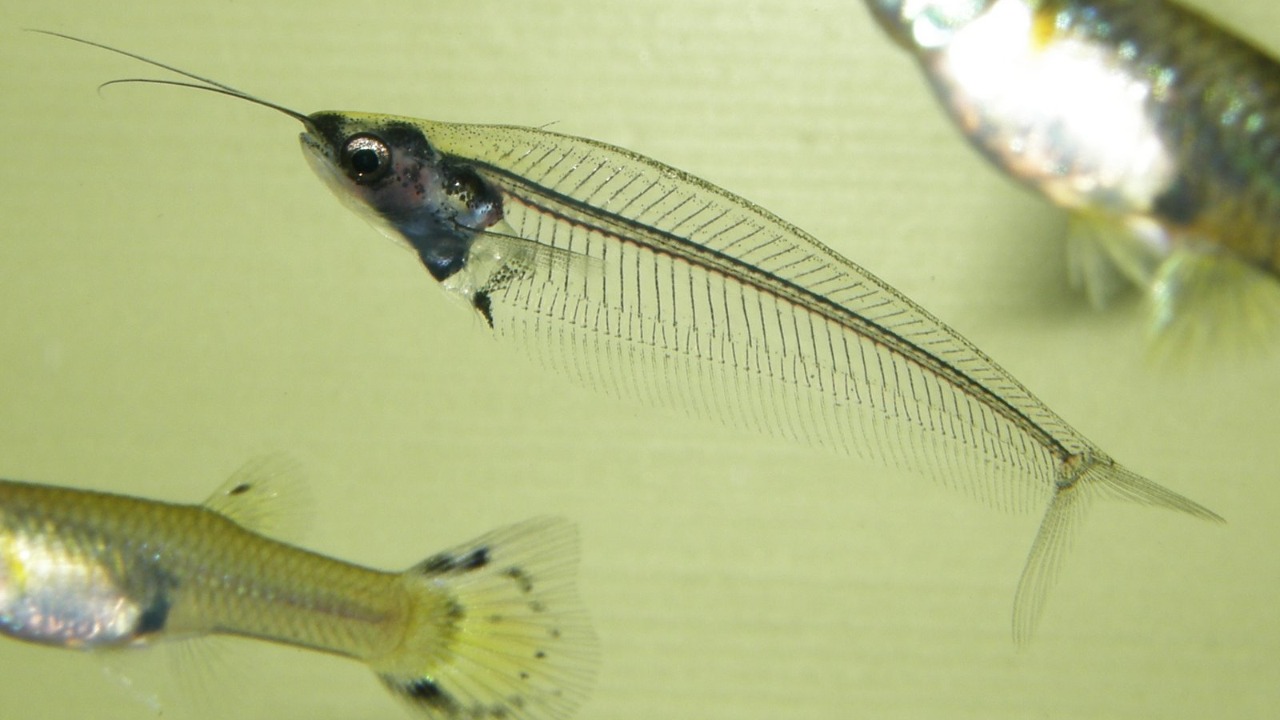
The Barreleye’s most striking feature is undoubtedly its transparent skull. Inside this clear dome, two tubular eyes point upwards, scanning for the silhouettes of available prey. This unique structure allows the fish to look up at the faint light filtering down from the ocean’s surface, perfect for spotting food in its dark, deep-sea home. The transparent skull also protects the sensitive eyes from the stinging cells of the siphonophores, a type of deep-sea invertebrate that the Barreleye often feeds on.
Other deep-sea creatures, such as the colossal squid, have developed extraordinary anatomical adaptations to survive in the extreme depths. The colossal squid, for instance, has the largest eyes in the animal kingdom, enabling it to detect the slightest movements in the pitch-black deep. These unique adaptations, from transparent skulls to giant eyes, illustrate the incredible diversity and complexity of life in the deep sea.
The Significance of the Discovery in Marine Science
This remarkable discovery not only adds to our understanding of marine biodiversity but also provides valuable insights into the process of evolution and adaptation strategies. The Barreleye’s unique anatomy, particularly its transparent skull, is a testament to nature’s ability to adapt to the extreme conditions of the deep sea. The knowledge gained from these discoveries can be valuable in the study of other marine organisms and may even have applications in human medicine and technology.
A deeper understanding of the deep sea’s biodiversity also informs our approaches to conservation. As we discover more about these unique creatures and the crucial role they play in the marine ecosystem, the need to protect these habitats becomes even more apparent. This discovery is a significant step in advancing our exploration methodologies, bringing us closer to the mysteries of the deep sea.
Challenges and Future Prospects in Deep-Sea Exploration

Despite the technological advancements in deep-sea exploration, challenges persist. The pressure, temperature, and lack of light in the deep sea make it a demanding environment to explore. However, innovations in ROV technology and imaging systems are aiding in overcoming these obstacles, enabling us to venture deeper and capture clearer images of the inhabitants of the deep.
With these advancements, the future of deep-sea exploration looks promising. There is an entire world beneath the ocean surface waiting to be discovered. As we continue to push the boundaries of exploration, we can expect to discover more unique creatures like the Barreleye, further expanding our understanding of the deep-sea ecosystem and its rich biodiversity.
Conservation Efforts and the Importance of Protecting Marine Life

Marine conservation efforts are more critical than ever, with a growing understanding of the significance of marine biodiversity in maintaining the health of our planet. The United Nations declared the decade 2021-2030 as the Decade of Ocean Science for Sustainable Development, highlighting the importance of preserving the ocean and its biodiversity.
Discoveries like the transparent-skull fish play a crucial role in raising awareness about the richness of marine life and the need for its protection. Renowned naturalist Sir David Attenborough, in his Radio Davos podcast, emphasized the urgent need for global cooperation in preserving marine life, stating that we’re all dependent on the health of the oceans. As we continue to unravel the mysteries of the deep sea, let’s also strive to protect these remarkable creatures and their habitats for future generations.
