Tesla’s CyberCab, a revolutionary fleet of self-driving taxis, is poised to reshape the landscape of the electric vehicle (EV) industry. This innovative concept has the potential to reinforce Tesla’s stronghold in the EV market, heralding a new era of urban transportation.
Understanding CyberCab: The Future of Urban Transport
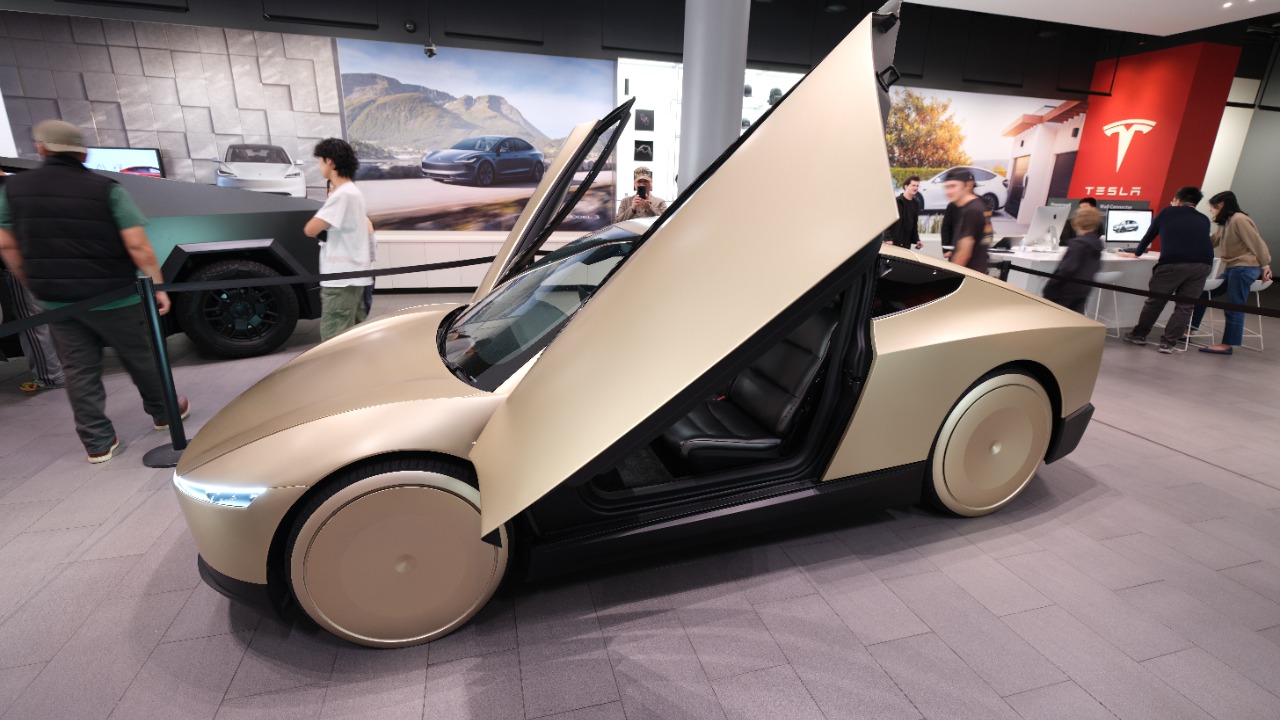
The CyberCab concept is part of Tesla’s broader vision to revolutionize urban transport. Envisioned as a fleet of self-driving taxis, CyberCab aims to drastically reduce the need for personal car ownership. This goes hand in hand with Tesla’s overall objective of promoting sustainable energy and reducing carbon emissions.
This radical concept is more than just a pipe dream. Tesla’s advancements in autonomous driving technology, along with its proven track record in the EV market, make this a feasible goal. The disruptive innovation that Tesla and Elon Musk are known for could very well change the face of urban transportation with the CyberCab.
Tesla’s Advancements in Autonomous Driving Technology
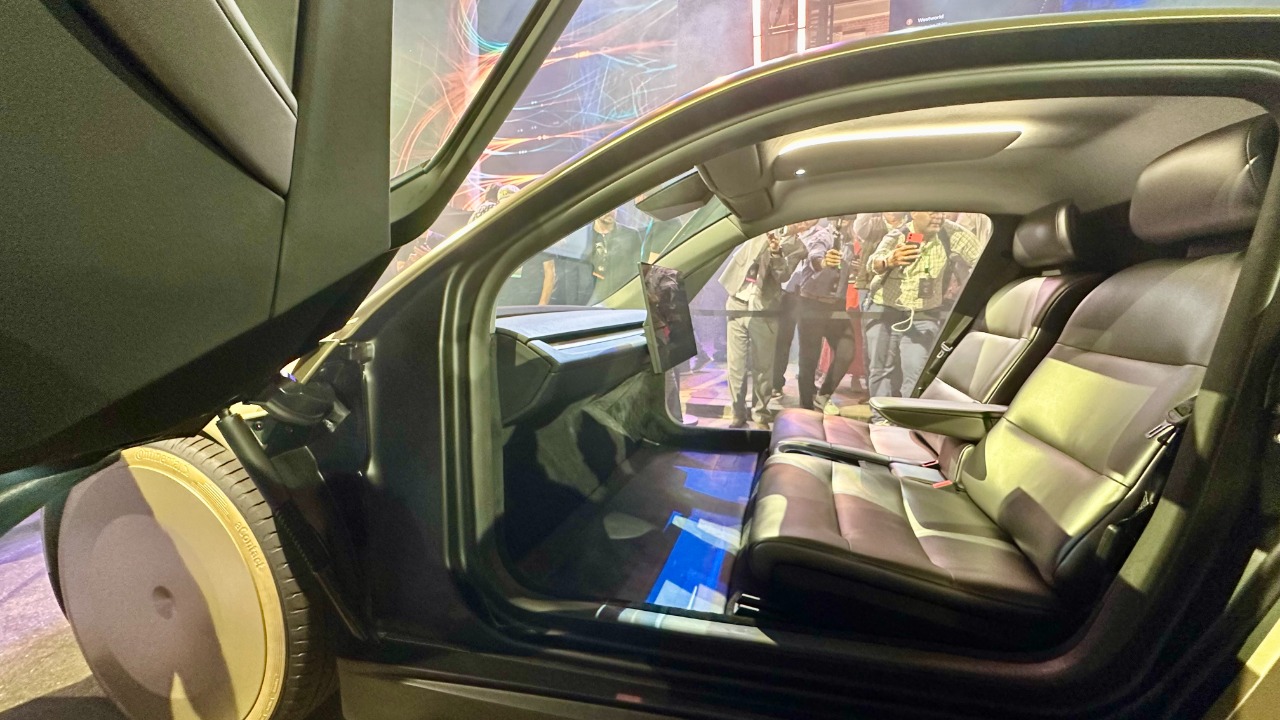
Tesla’s progress in developing autonomous driving technology is key to the realization of the CyberCab. Tesla’s Autopilot and Full Self-Driving (FSD) features are integral components of this vision. These features, which include advanced sensor coverage and deep learning technologies, are designed to adapt to diverse road conditions and driver behaviors.
As of now, Tesla’s Autopilot feature is already capable of performing tasks such as steering, braking, and accelerating within its lane. The company’s FSD feature, still under development, aims to enable complete autonomy without human intervention. The technological advancements that Tesla has made in this area are impressive and bode well for the CyberCab initiative.
How CyberCab Contributes to Tesla’s Competitive Advantage

The CyberCab initiative is a strategic move that could further cement Tesla’s leadership in the EV market. By providing an autonomous taxi service, Tesla could disrupt existing taxi and ride-sharing services, gaining a significant competitive advantage.
Furthermore, the CyberCab could provide an additional revenue stream for Tesla, beyond the sale of electric cars. If successful, this could enhance the company’s profitability and contribute to its market dominance. The market implications of a successful CyberCab fleet could be monumental for Tesla.
CyberCab’s Potential Effects on the EV Market and Society
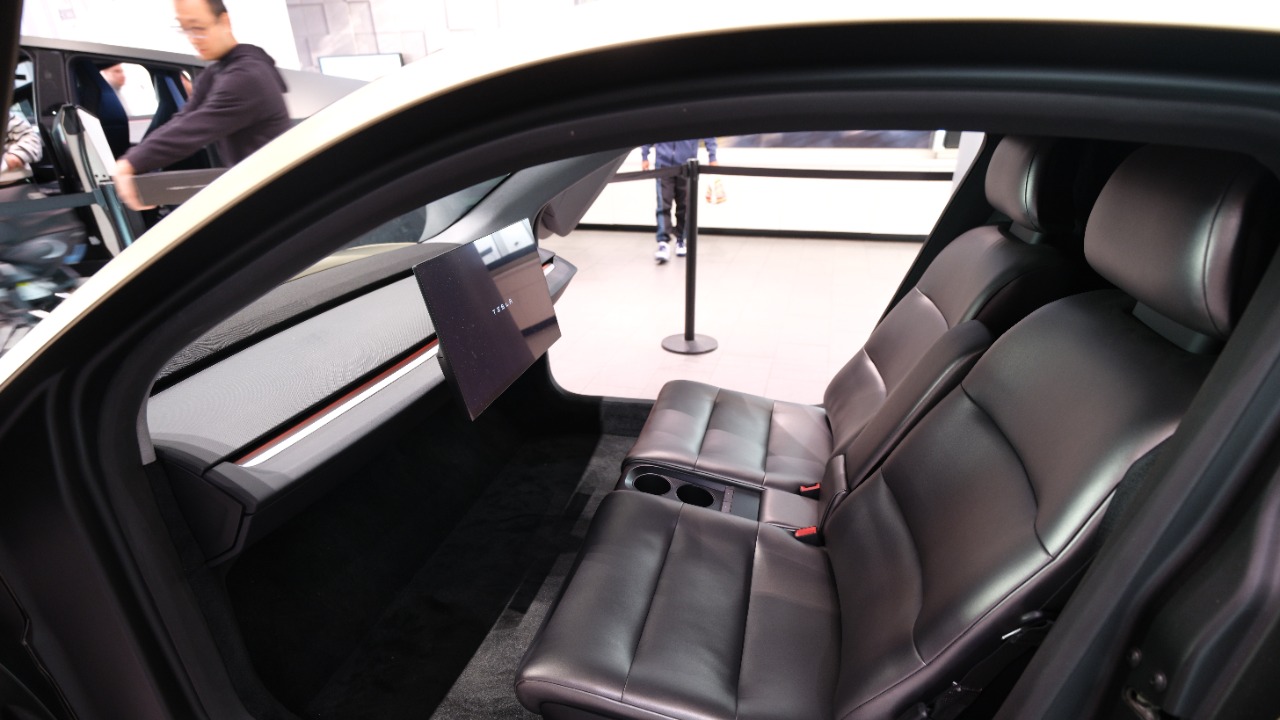
The success of CyberCab could have far-reaching effects on the EV market and society as a whole. A fleet of self-driving taxis could stimulate the adoption of EVs, thereby accelerating the transition to sustainable energy. This could also contribute to a reduction in carbon emissions and an improvement in urban air quality.
Moreover, the CyberCab could transform urban mobility, providing an efficient and eco-friendly transport solution for city dwellers. The potential social and environmental benefits of this technology are immense. This revolution in urban transport could fundamentally change how we view and use transportation.
Challenges and Potential Roadblocks Facing CyberCab
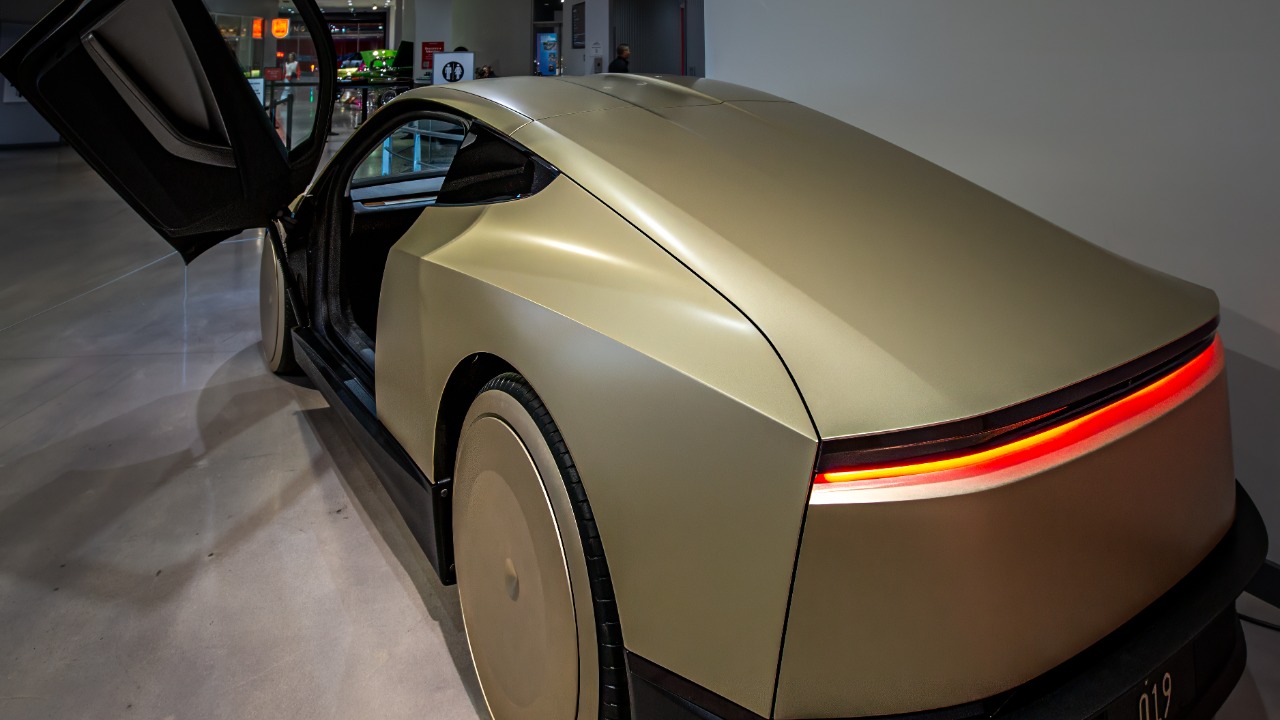
Despite the potential benefits, there are several challenges that could slow down the implementation of the CyberCab. Technical challenges such as perfecting the autonomous driving technology are still a work in progress. Regulatory obstacles also pose a significant hurdle, as the legal framework for self-driving cars is still being developed in many jurisdictions.
Additionally, safety concerns and public acceptance of autonomous vehicles are major issues that need to be addressed. Convincing the public to trust a self-driving taxi service will be a significant challenge. However, Tesla’s track record in safety and its commitment to continuous improvement could help overcome these obstacles.
