The discovery of the Giant Crystal Cave in Naica, Mexico, has captivated scientists and adventurers alike with its breathtaking selenite formations. Recent studies reveal that these crystals are growing at a faster rate than previously anticipated, challenging our understanding of geological processes. This development invites a closer examination of how these rapid changes could reshape our geological comprehension.
The Marvel of Naica Cave
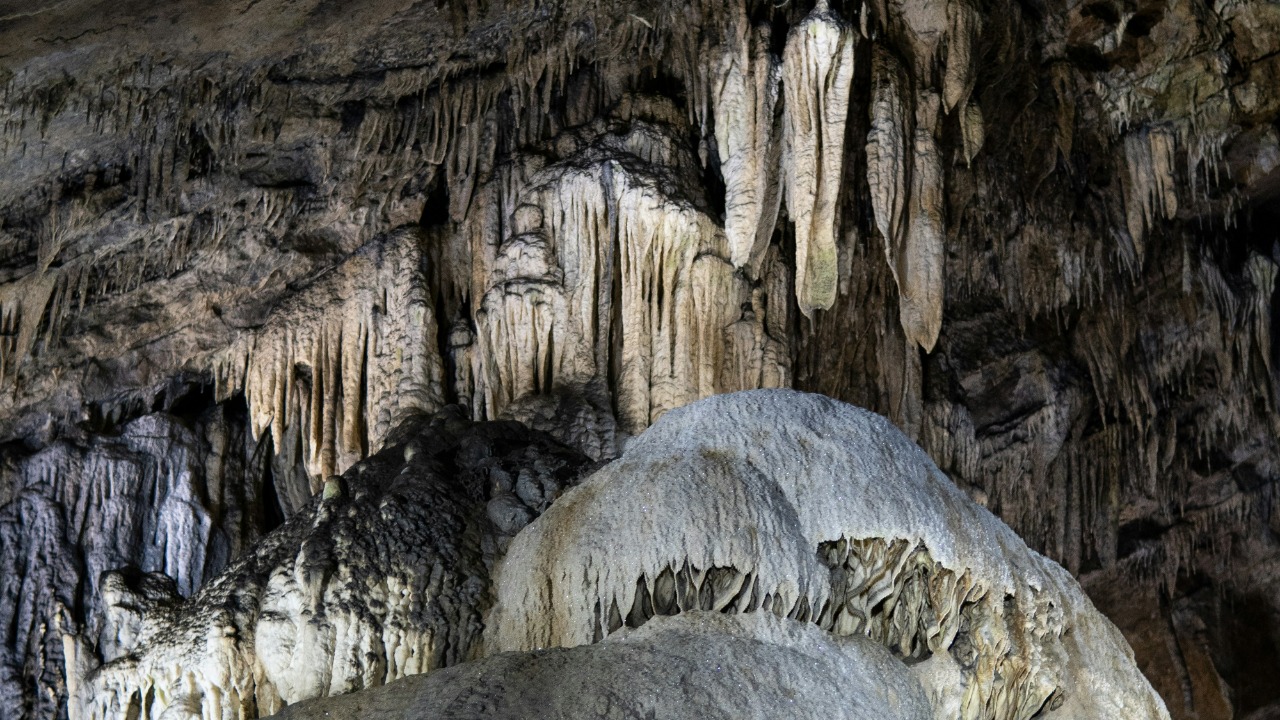
The Giant Crystal Cave in Naica is a geological wonder located in the Chihuahua region of Mexico. Known for its vast selenite crystals, some of which measure over 11 meters in length, the cave offers a unique glimpse into Earth’s subterranean beauty. The cave’s environment is characterized by extreme conditions with temperatures reaching 58°C (136°F) and humidity levels approaching 100%, creating a challenging yet fascinating setting for scientific exploration.
Discovered in 2000 by miners working for the Peñoles Company, the cave initially piqued the interest of the scientific community due to its immense crystals. Initial investigations focused on the cave’s formation, credited to the region’s volcanic activity and the presence of mineral-rich groundwater. These factors combined over millions of years, resulting in the stunning selenite formations we see today.
Local geology plays a critical role in the cave’s development. The interplay of volcanic activity and water has created a unique environment conducive to crystal growth. The region’s geothermal activity heats the groundwater, which becomes saturated with minerals, allowing the gradual formation of these gigantic crystals.
Understanding Crystal Growth
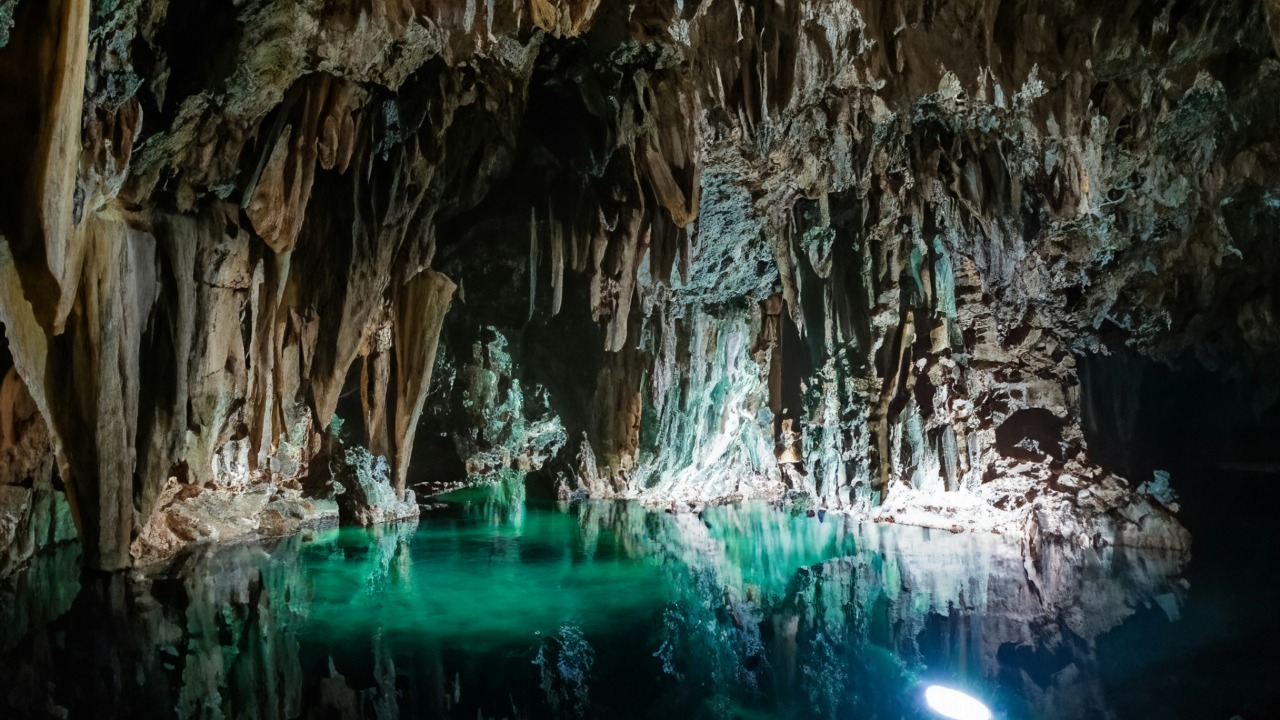
Crystal formation is a process driven by several factors, including temperature, pressure, and mineral saturation. Typically, the growth of crystals like those in Naica is a slow process, taking thousands to millions of years. However, recent findings suggest that the growth rates of these crystals are faster than previously thought, challenging existing geological models.
Recent measurements and data analysis have unveiled this surprising acceleration in growth. Studies utilizing advanced techniques such as radiometric dating and spectroscopic analysis indicate that conditions within the cave have shifted, potentially accelerating the crystal formation process. This newfound understanding prompts a reevaluation of geological timelines and models, suggesting that the Earth’s processes may be more dynamic than once believed.
The implications of this accelerated growth are significant. Understanding the factors influencing these changes could offer new insights into Earth’s geological history and the conditions that foster crystal formation. This knowledge may also have broader applications, influencing how scientists interpret other geological formations experiencing rapid changes.
The Science Behind Accelerated Growth
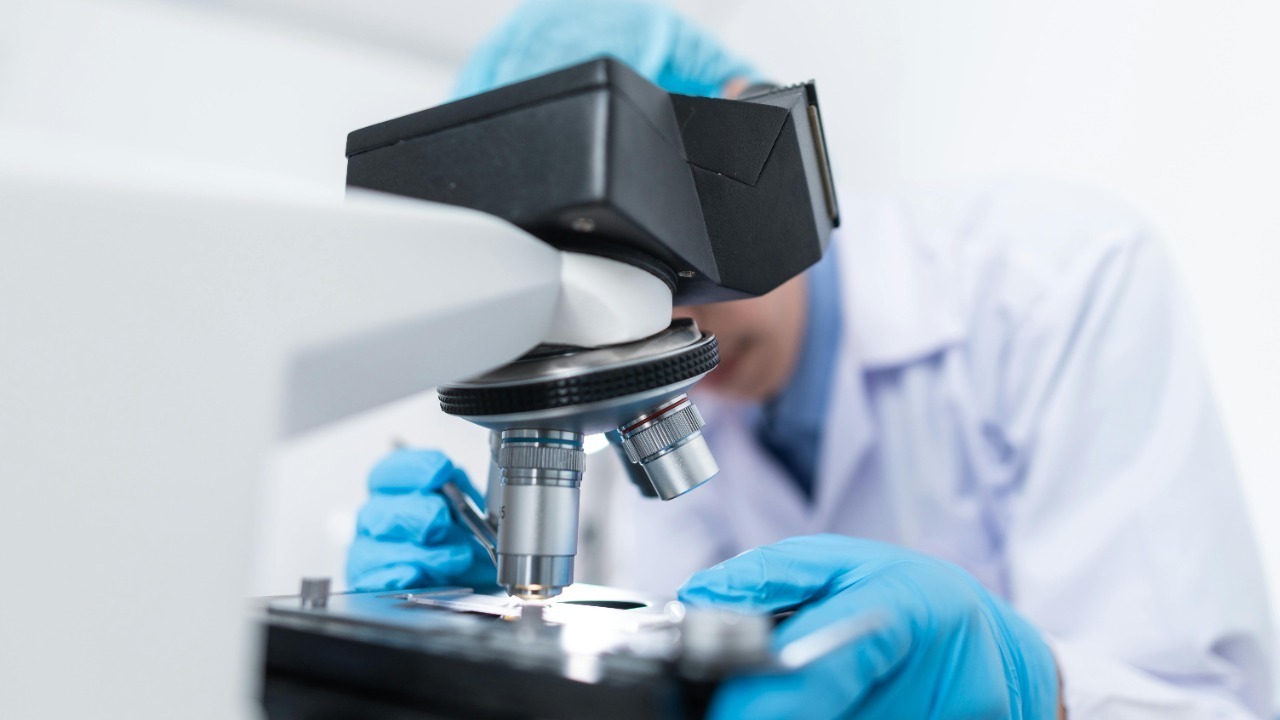
Several hypotheses have emerged to explain the unexpected growth rates observed in the Giant Crystal Cave. Environmental changes, such as fluctuations in temperature or mineral composition, could be contributing factors. Additionally, alterations in the cave’s hydrology may have increased mineral saturation levels, facilitating rapid crystal growth.
Researchers employ various methodologies to study and measure crystal growth in such extreme environments. Techniques such as laser scanning, thermal imaging, and water chemistry analysis provide valuable data, enabling scientists to piece together the complex puzzle of crystal formation. These methodologies are critical for monitoring changes within the cave and understanding the underlying processes driving accelerated growth.
Experts in the field offer diverse perspectives on the future growth of these crystals. While some anticipate continued rapid growth, others caution that changes in environmental conditions could slow or even halt the process. Ongoing research and observation will be essential in unraveling the mysteries of the Giant Crystal Cave and its remarkable formations.
Challenges and Risks of Studying Crystal Caves
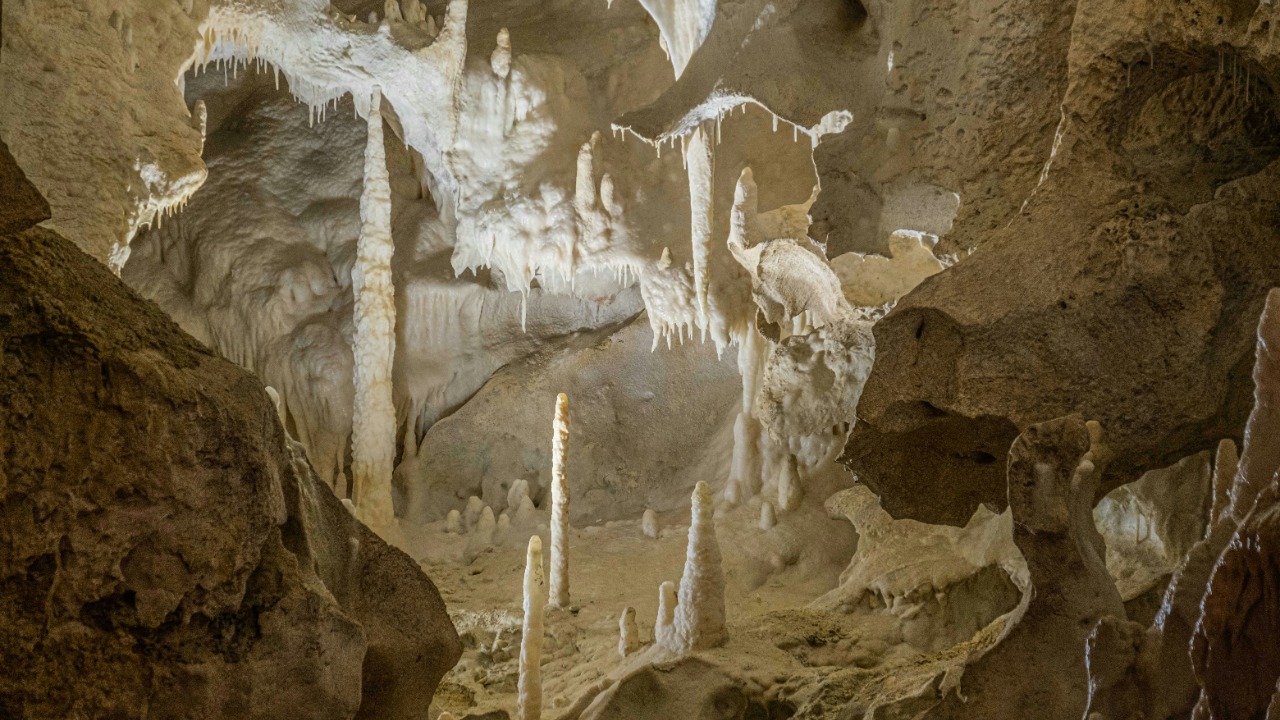
The extreme conditions within the Giant Crystal Cave pose significant risks to researchers. With temperatures and humidity levels at the limits of human endurance, working in the cave requires specialized equipment and protocols to ensure safety. These hazards not only challenge researchers physically but also complicate the logistics of conducting scientific studies.
Preservation concerns are also paramount, as human activity within the cave can profoundly impact its delicate ecosystem. The presence of researchers, equipment, and even visitors poses a threat to the pristine conditions necessary for crystal growth. Efforts to balance scientific exploration with conservation are ongoing, emphasizing the need for sustainable practices in such sensitive environments.
Technological and logistical challenges further complicate research efforts. The remote location and harsh conditions necessitate innovative solutions to transport equipment and personnel safely. Additionally, ensuring accurate data collection in such extreme environments demands cutting-edge technology and meticulous planning.
Broader Implications for Geology and Earth Sciences
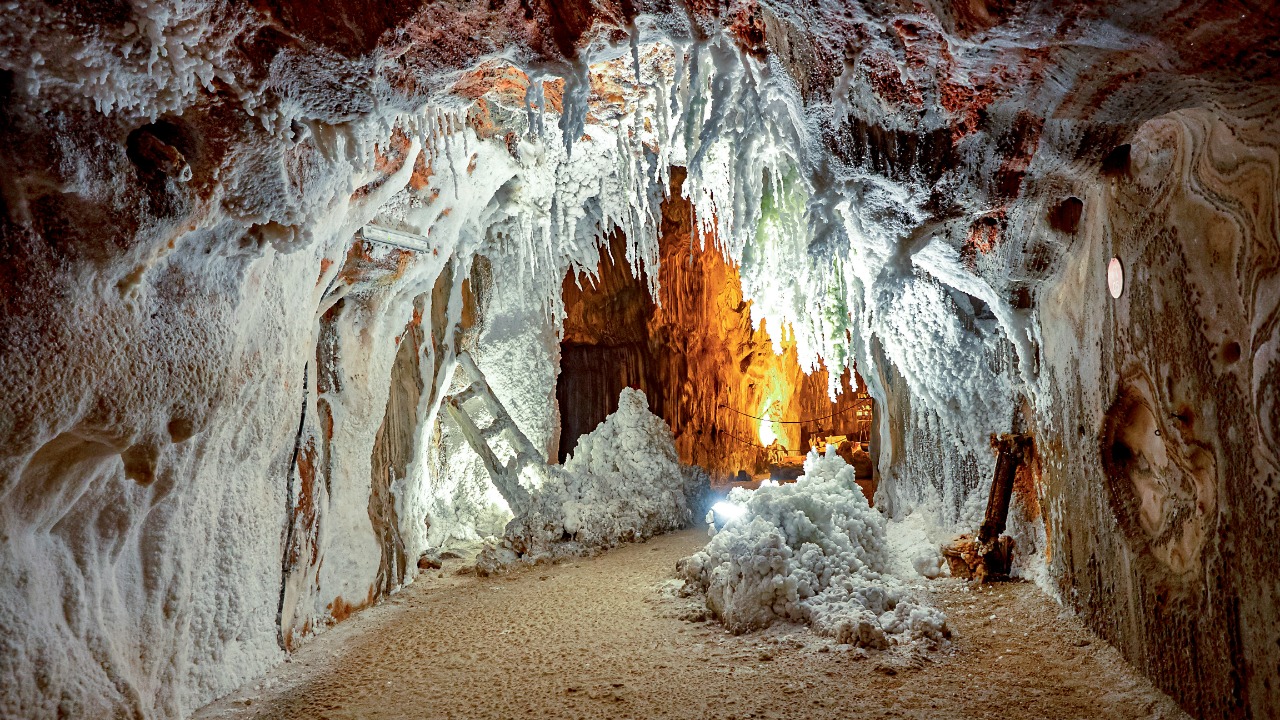
The findings from the Giant Crystal Cave carry significant implications for geology and Earth sciences. As our understanding of crystal formation evolves, it could influence broader geological theories and models. The accelerated growth observed in Naica suggests that similar processes might occur in other geological formations, prompting a reevaluation of our understanding of Earth’s dynamic systems.
Comparisons with other geological formations worldwide experiencing rapid changes, such as the sinking of Hawaii, highlight the complex interplay of environmental factors influencing Earth’s geology. These formations provide valuable case studies for scientists seeking to understand the mechanisms driving rapid geological changes.
Interdisciplinary research is crucial for uncovering new insights into Earth’s geological history. By integrating knowledge from fields such as mineralogy, hydrology, and geochemistry, scientists can develop a more comprehensive understanding of the processes shaping our planet. The discoveries in Naica underscore the importance of collaborative research efforts in advancing our knowledge of Earth’s dynamic systems.
