
Imagine a future where the daily commute involves both highways and airways. This vision is becoming a reality with the development of vehicles that can both fly and drive. A breakthrough in this field is being claimed by several companies, pushing the boundaries of transportation technology.
The Vision of Flying Cars
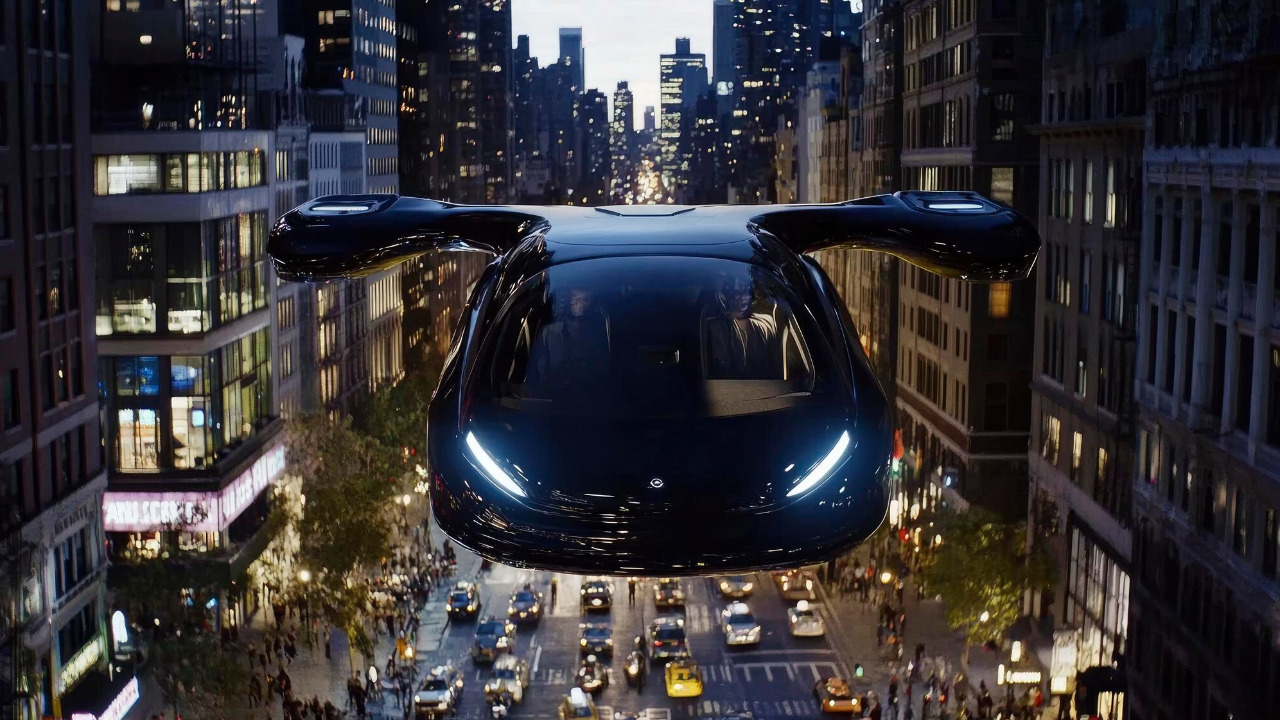
The concept of flying cars has long captured the imagination of futurists and the general public alike. From the whimsical flying cars in “The Jetsons” to the iconic DeLorean in “Back to the Future,” popular culture has often teased us with images of a sky filled with personal flying vehicles. Historically, these ideas have remained largely in the realm of fiction due to technological and regulatory constraints. However, recent advancements in technology have brought us closer than ever to making this dream a reality.
Key technological advancements have played a substantial role in the progress toward viable flying cars. Innovations in battery technology, lightweight materials, and propulsion systems have significantly enhanced the feasibility of such vehicles. Companies like Alef Aeronautics have been at the forefront, introducing aircraft that blur the line between traditional cars and aircraft. Alef Aeronautics recently released footage showcasing a flying car, demonstrating its capabilities and reigniting interest in this futuristic mode of transport.
Design and Functionality
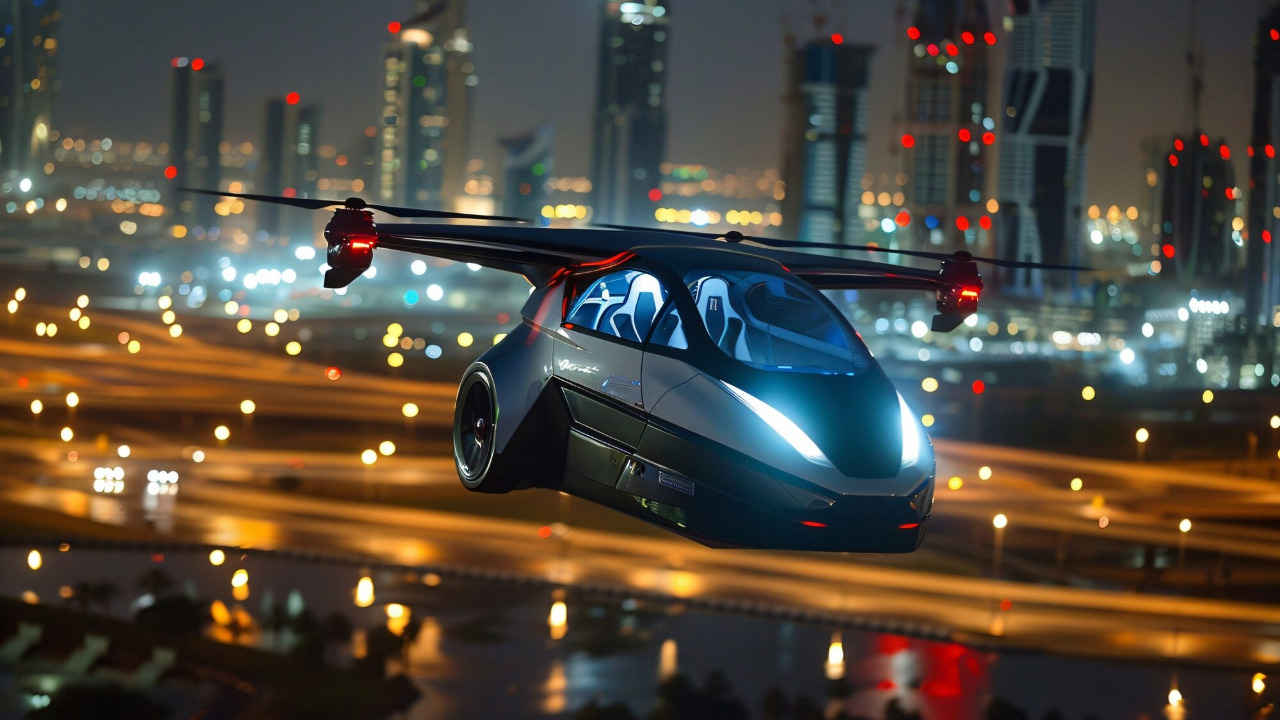
The design of flying-and-driving vehicles is unlike anything seen before. These vehicles are equipped with sophisticated propulsion systems that allow them to transition seamlessly between driving on roads and flying in the air. Aerodynamic structures are crucial for efficiency and stability during flight. For instance, Alef Aeronautics’ models feature rotor blades that are ingeniously incorporated into the car’s body, minimizing drag and optimizing lift.
Safety is paramount in the development of flying cars. Manufacturers must ensure that these vehicles adhere to both aviation and road safety standards. This involves extensive testing and compliance with regulations set by bodies such as the Federal Aviation Administration. Safety features include advanced collision avoidance systems, redundant power sources, and emergency landing protocols. The user experience is also a key consideration, with designs emphasizing intuitive controls and comfortable interiors to ensure that operating a flying car is as seamless as possible.
Regulatory and Infrastructure Challenges
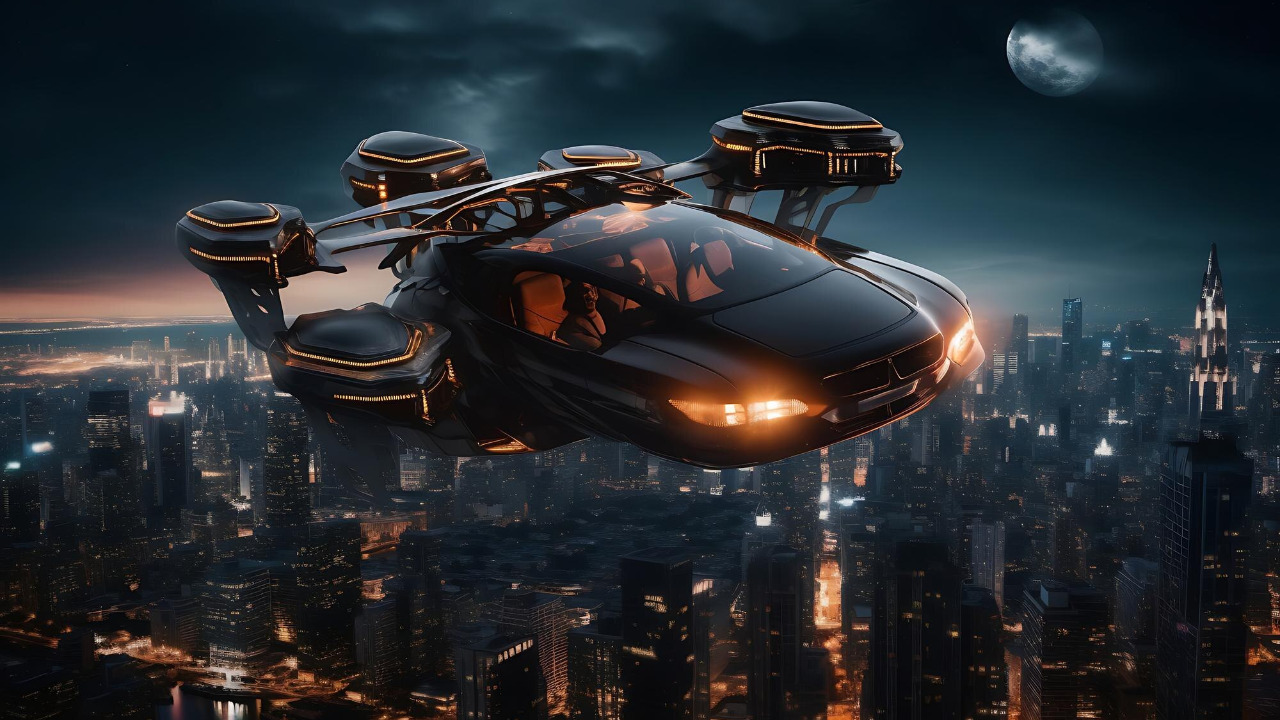
The regulatory landscape for flying cars is complex, as these vehicles straddle the domains of both aviation and automotive industries. Current regulations are often not equipped to handle the unique challenges posed by flying cars. Governments and regulatory agencies are working to develop new frameworks that will ensure these vehicles can be operated safely and legally. This involves collaboration between multiple stakeholders, including manufacturers, aviation authorities, and urban planners.
Infrastructure also poses a significant challenge. To support flying vehicles, cities will need to invest in new infrastructure, such as vertiports and charging stations. These facilities are essential for the take-off and landing of flying cars, as well as for recharging electric models. Additionally, the environmental implications of flying cars are a concern. While they have the potential to reduce congestion and emissions, their impact on energy consumption and air quality needs to be carefully managed to ensure sustainability.
Market Potential and Public Perception
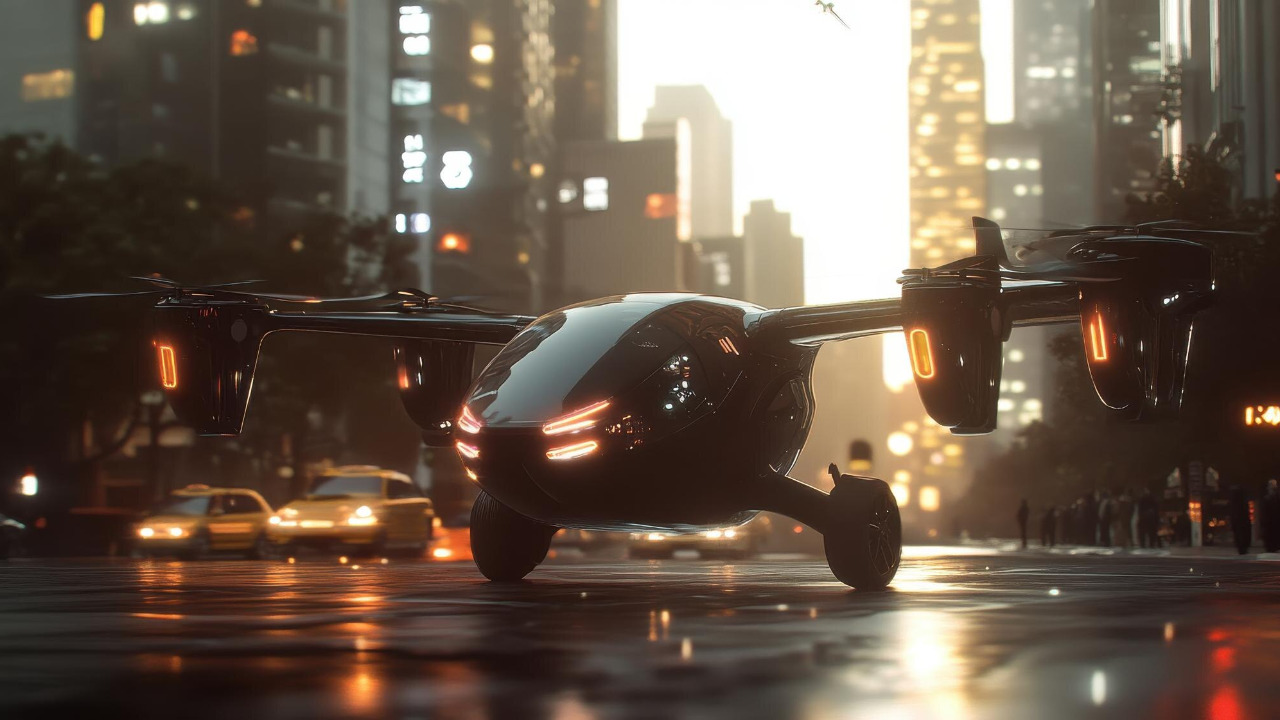
The potential market for flying cars is vast, but its realization depends on public perception and acceptance. Surveys and studies, such as those published in transportation journals, indicate a growing interest among consumers, especially in urban areas plagued by traffic congestion. However, skepticism remains due to concerns about safety, cost, and practicality.
Market analysts predict substantial growth in the flying car sector, with some forecasting a multi-billion dollar industry within the next decade. The economic impact could be profound, driving innovation and creating new jobs in manufacturing, infrastructure, and maintenance. Nevertheless, for flying cars to gain widespread acceptance, manufacturers must address public concerns effectively, ensuring that these vehicles are not only safe and reliable but also affordable and practical for everyday use.
Future Prospects and Innovations
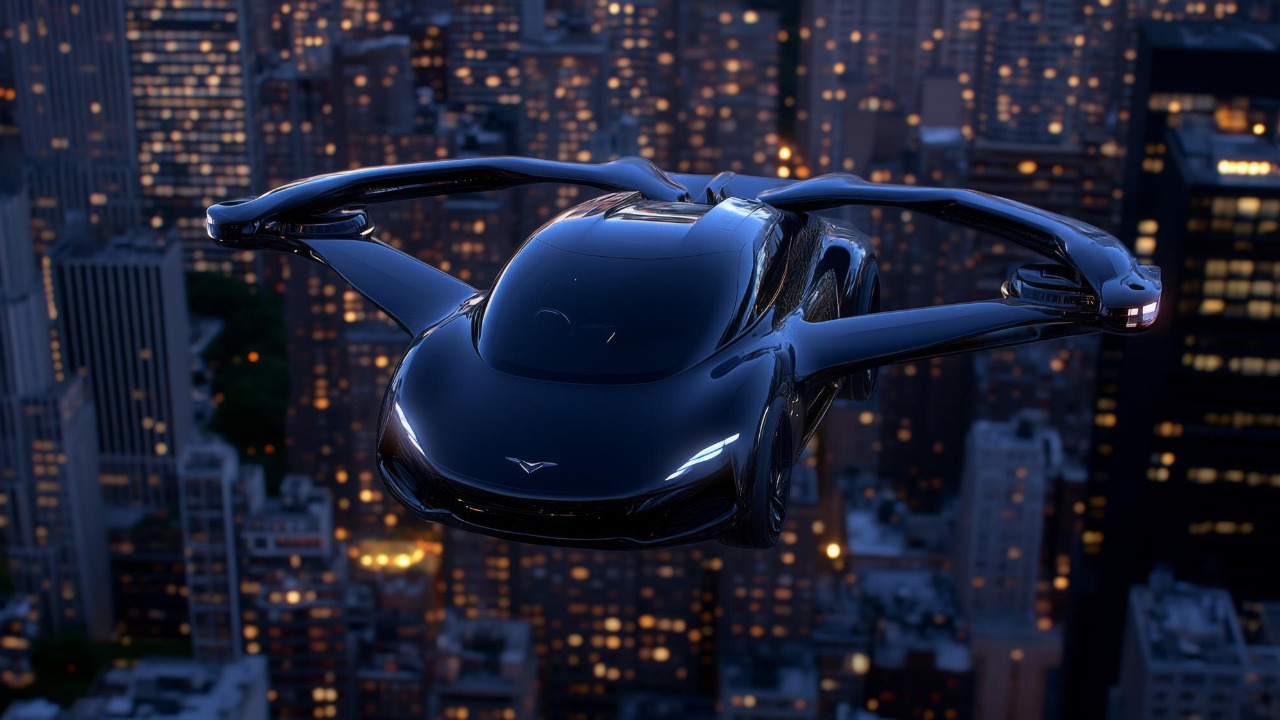
The future of flying cars holds exciting possibilities. Emerging technologies, such as autonomous navigation systems and advanced AI, are expected to further enhance the capabilities of flying vehicles. These innovations could lead to completely autonomous flying cars, reducing the need for human intervention and increasing safety.
The competitive landscape among companies like Alef Aeronautics is driving rapid advancements and could potentially lower costs, making flying cars accessible to a broader audience. The long-term vision for flying cars includes transforming urban planning and lifestyle. As cities adapt to accommodate these vehicles, we could see a shift in how we think about commuting and transportation as a whole, with flying cars becoming an integral part of our daily lives.
Overall, the journey to a future where flying cars are commonplace is well underway. While significant challenges remain, the progress made thus far is promising. As technology continues to advance and public perception shifts, the dream of flying cars is inching ever closer to becoming a reality.
