Imagine a future where we effortlessly glide from city to city on highways not of asphalt, but of magnetically charged tracks. This isn’t science fiction, but a real possibility with magnetic levitation (maglev) technology. The question is, could the U.S. transform its transportation system with maglev highways?
Understanding Maglev Technology:
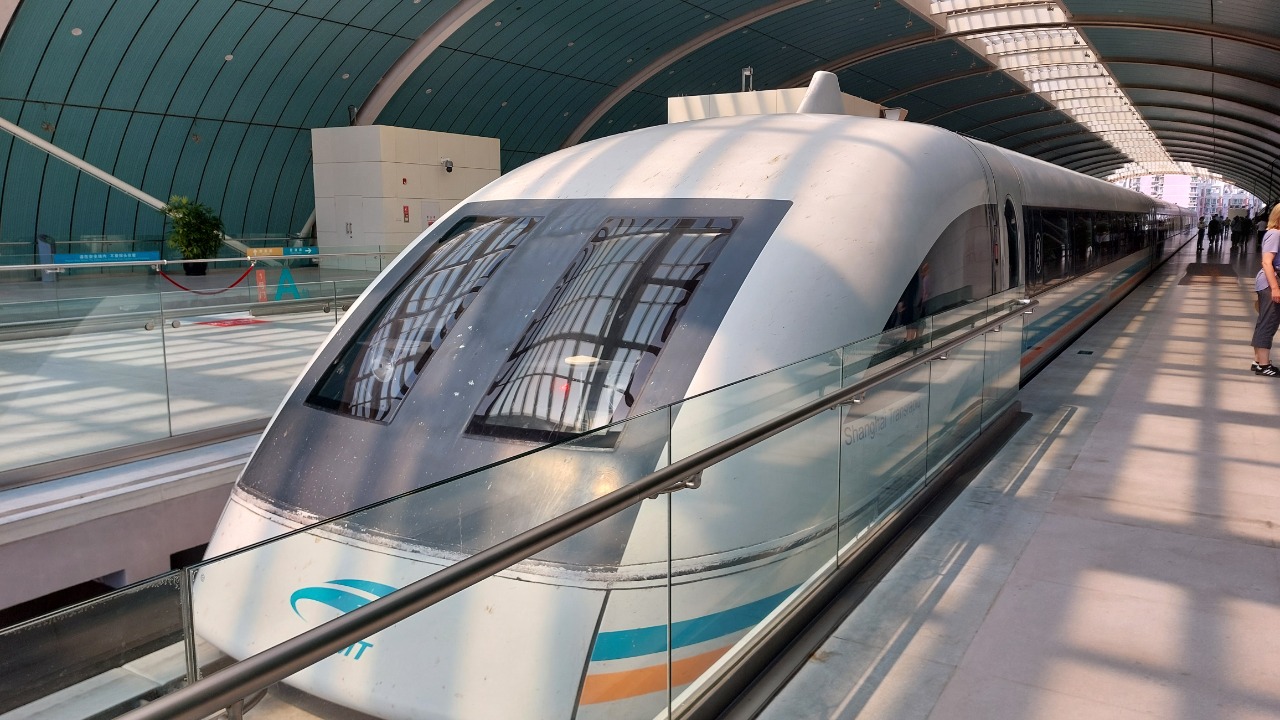
Magnetic levitation, or maglev, is a transportation technology that uses magnetic fields to propel vehicles, allowing them to ‘float’ above the track, eliminating friction. This technology works through a combination of superconducting magnets on the vehicles and electromagnets on the guideway. The interaction between these magnets creates a magnetic field, which levitates the vehicle and propels it forward.
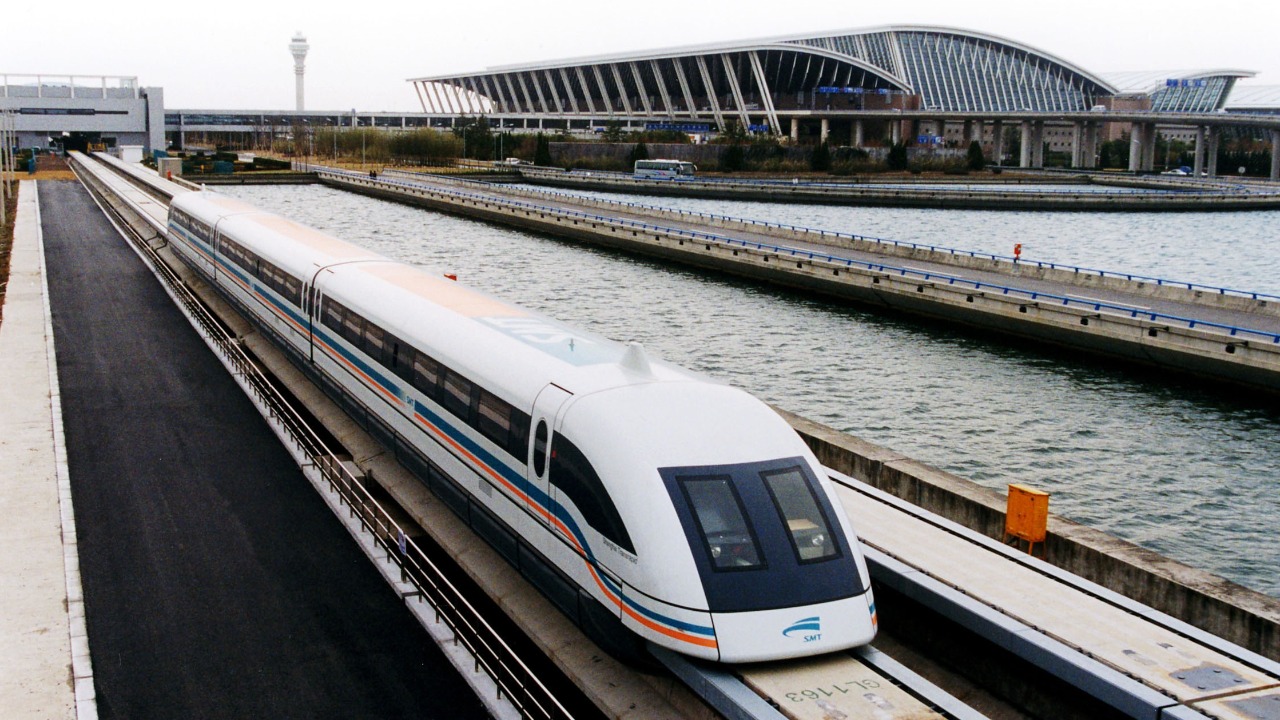
Maglev systems are already in operation across the globe. One of the best-known examples is the Shanghai Maglev, the fastest commercial maglev system, which reaches speeds of up to 431 km/h (268 mph). Meanwhile, Japan is developing the SCMaglev, an even faster system that recently broke the world speed record for rail vehicles.
The Potential of Maglev Highways in the U.S.
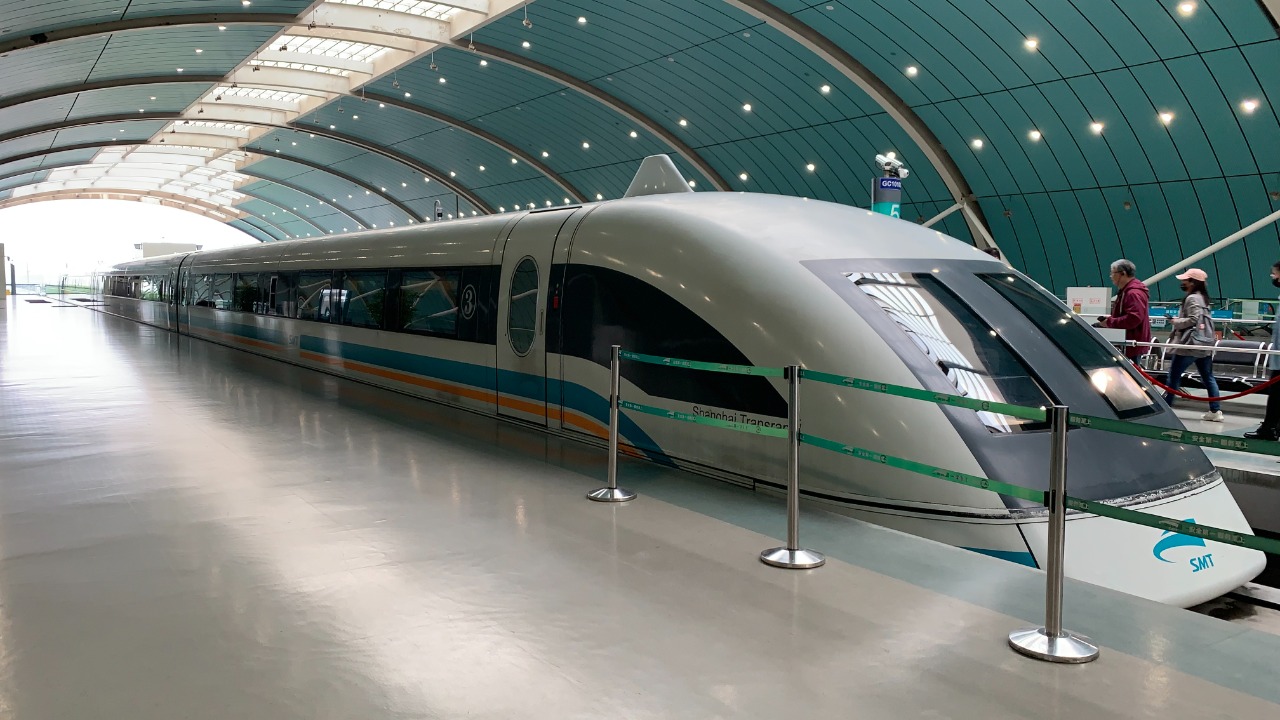
There’s a growing discussion on the potential of a nationwide maglev network in the U.S. A study known as “The American Project” envisions a 27,000-mile network of maglev tracks crisscrossing the country. The study, available at MagneticGlide.com, suggests that such a network could dramatically increase speed and efficiency in transportation, reduce traffic and potentially replace many short-haul flights.
Maglev highways could offer considerable benefits. Vehicles on these highways could reach speeds of up to 300 mph, significantly reducing travel times. With no contact between vehicle and track, they also offer exceptional energy efficiency, as there’s no friction to overcome. Moreover, by providing an alternative to road and air travel, they could help to reduce traffic congestion.
Challenges in Implementing Maglev Highways
Despite these potential benefits, there are significant challenges in implementing maglev highways. The first is the financial cost. Constructing a nationwide maglev network would be a massive investment, and the U.S. would need to find ways to finance this. There would also be considerable logistical challenges, including land acquisition, engineering, and construction.
Comparisons with other countries like China, which is rapidly developing maglev technology, bring these challenges into sharper focus. A recent Newsweek article highlighted how the U.S. has lagged behind in maglev development, with several proposed projects having been abandoned due to financial and logistical obstacles.
Environmental and Societal Impact of Maglev Highways
The potential environmental impact of constructing maglev highways is a significant concern. The National Parks Conservation Association has argued against a proposed maglev line in the U.S., stating on its website that the construction could threaten natural habitats and national parks.
On the other hand, maglev highways could also have positive societal impacts. They could change our travel habits, making long-distance travel faster and more convenient. They could also create jobs in construction, engineering, and operations. However, they could also displace jobs in industries such as trucking and aviation.
Current Stance and Future Prospects of Maglev Highways in the U.S.

The U.S. government’s current position on maglev technology is not entirely clear. While there has been some support for maglev research and development, there has also been a lack of commitment to large-scale implementation, as seen in the abandonment of several proposed maglev projects.
The future of maglev highways in the U.S. remains uncertain. Technological advancement, economic factors, and public opinion will all play a role in determining whether these highways become a reality. Despite the challenges, the potential benefits of maglev highways make them a fascinating prospect for the future of transportation in the U.S.
