The concept of cars running on air might seem like a futuristic fantasy, but advancements in technology are bringing this idea closer to reality. With the growing demand for sustainable and eco-friendly transportation, researchers and engineers are exploring the potential of air-powered vehicles. This exploration delves into the feasibility, potential benefits, and challenges of air-powered cars.
The Science Behind Air-Powered Cars
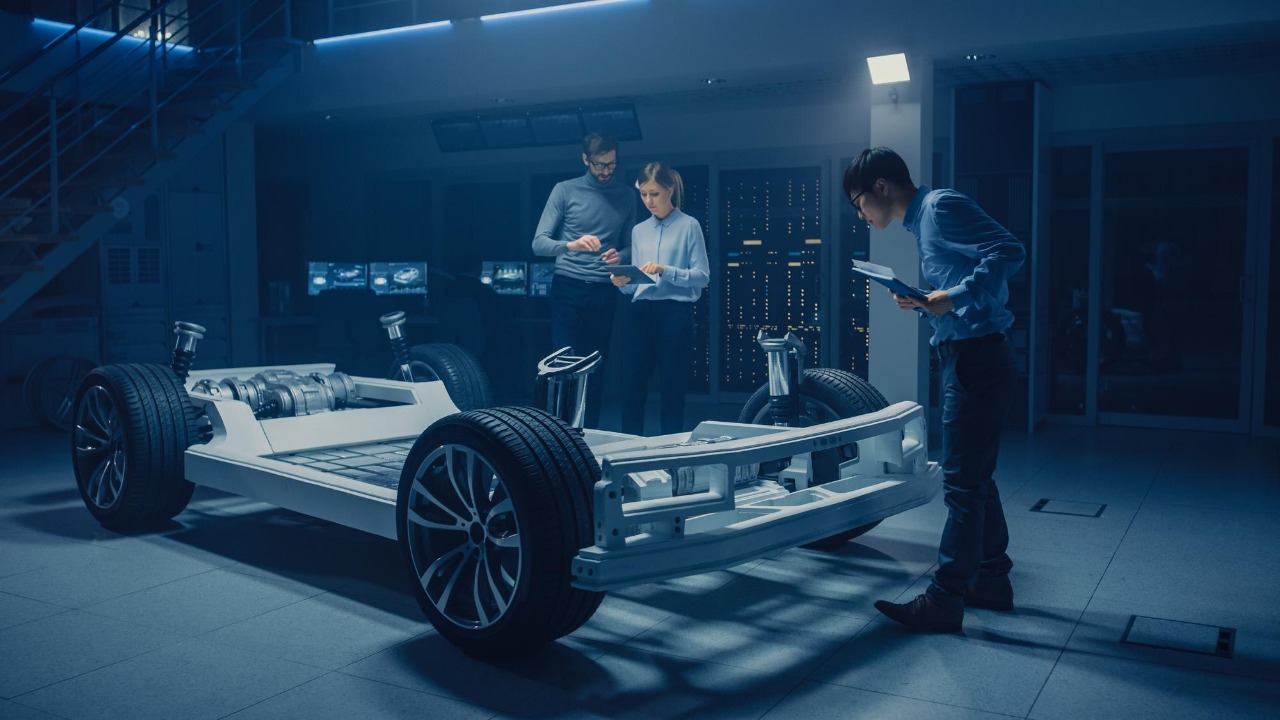
Air-powered cars rely on air compression technology, which involves compressing air to store energy. This energy is then converted into mechanical motion to power the vehicle. The process typically involves an air compressor that fills a tank with high-pressure air. When released, the compressed air drives a piston or turbine, creating movement. This technology has been adapted in various prototypes, proving the fundamental viability of air-powered vehicles.
Several prototypes and experiments have been conducted in the automotive industry. Companies like Tata Motors and MDI have developed models that operate on compressed air. These prototypes highlight the potential for air-powered vehicles to serve as an alternative to traditional engines. However, the efficiency and performance of these engines still require significant improvements to compete with established technologies.
Comparatively, air-powered engines differ significantly from traditional internal combustion engines. The latter relies on burning fossil fuels, which releases energy through combustion, while air-powered engines use stored air energy, producing no emissions during operation. While air-powered engines offer environmental benefits, their energy efficiency and range currently fall short when compared to their combustion-based counterparts.
Environmental Impact and Benefits
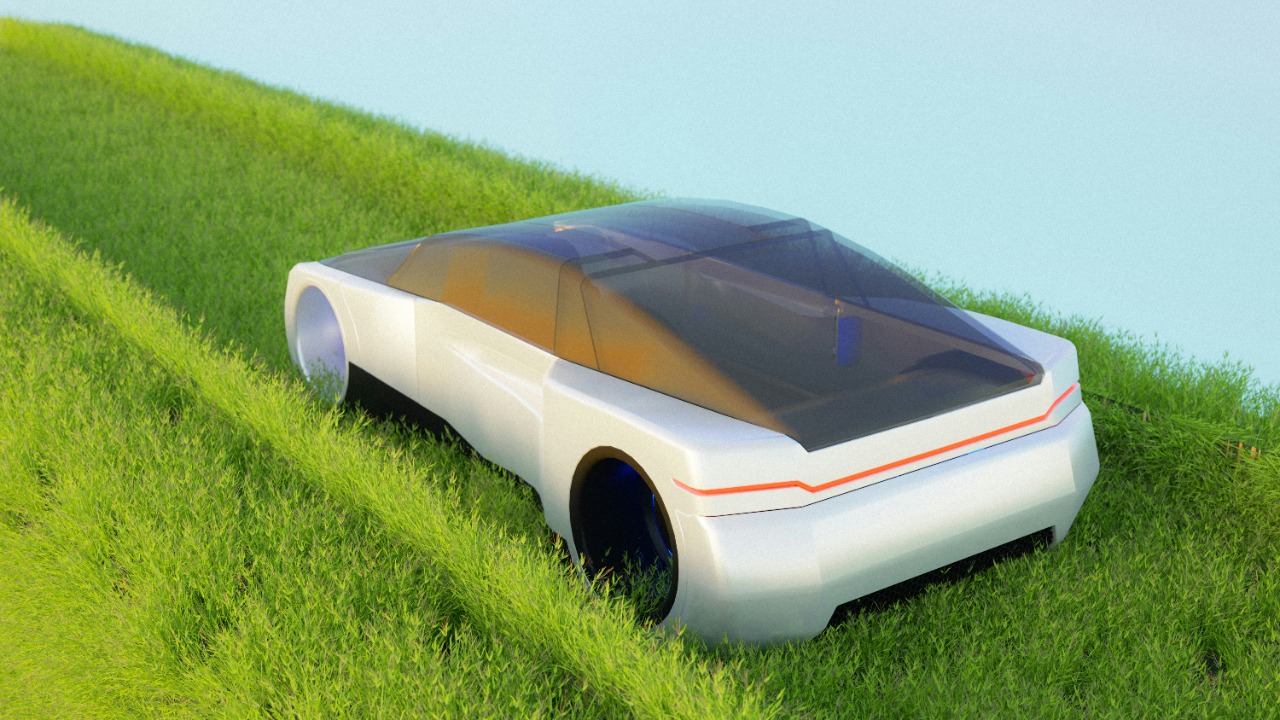
One of the most significant benefits of air-powered vehicles is the potential reduction in greenhouse gas emissions. Unlike traditional engines, which emit carbon dioxide and other pollutants, air-powered engines produce no emissions during operation. This could substantially decrease the environmental footprint of transportation, contributing to cleaner air and a more sustainable future.
Additionally, air-powered vehicles could minimize dependency on fossil fuels, enhancing energy security by diversifying the energy sources used in transportation. As countries strive to reduce their reliance on imported oil, air-powered technology offers a promising alternative. Urban areas, in particular, could benefit from the integration of air-powered vehicles, as they could lead to a significant decrease in urban pollution levels, improving public health and quality of life.
Challenges and Limitations
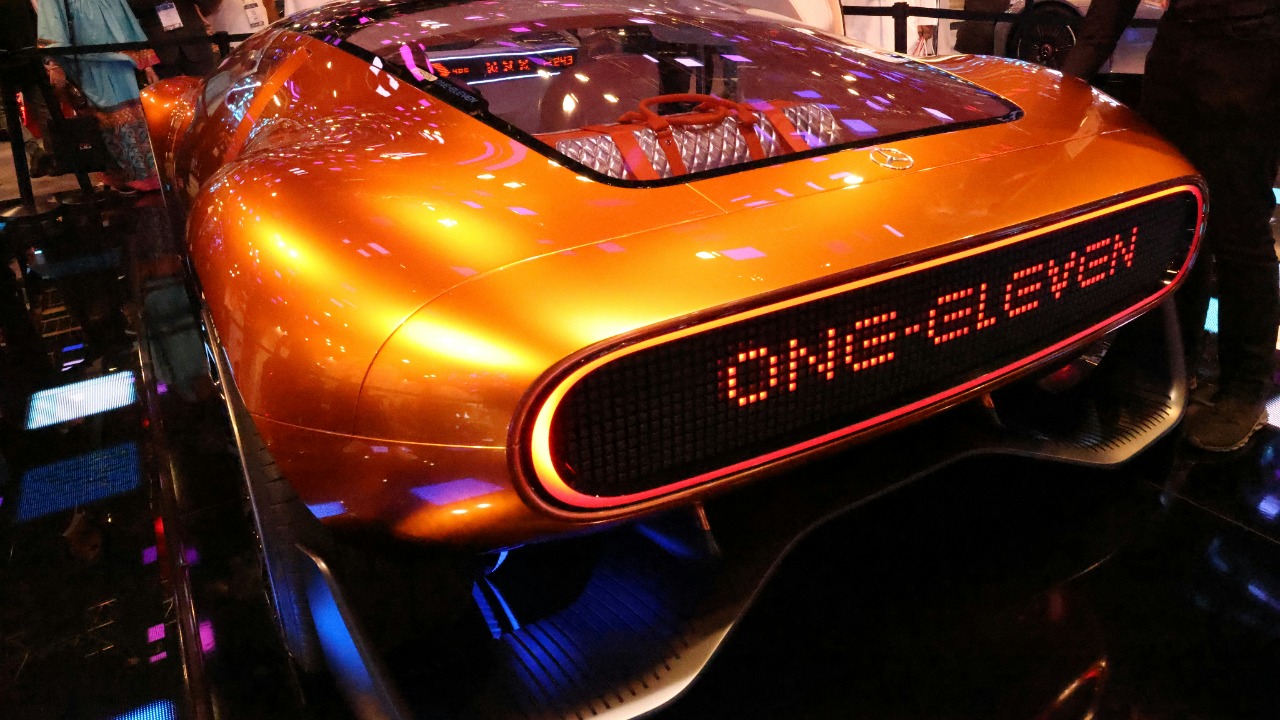
Despite their promise, air-powered cars face several challenges that hinder their widespread adoption. The primary hurdle is developing engines that are both efficient and reliable. Current air-powered engines struggle with energy density, meaning they store less energy compared to gasoline or electric engines. This limits the range and performance of air-powered vehicles, making them less practical for everyday use.
Economically, transitioning from traditional vehicles to air-powered ones poses significant challenges. The existing infrastructure is heavily invested in supporting gasoline and electric cars, and a shift to air-powered technology would require substantial investment in new infrastructure, such as refueling stations. This transition also involves overcoming economic barriers, as the cost of developing and producing air-powered vehicles remains high.
Furthermore, air-powered vehicles have performance limitations when compared to electric and gasoline vehicles. These limitations include lower speeds and reduced range, which could deter consumers who prioritize performance. Overcoming these challenges is crucial for air-powered technology to become a viable alternative in the automotive market.
Current Developments and Innovations
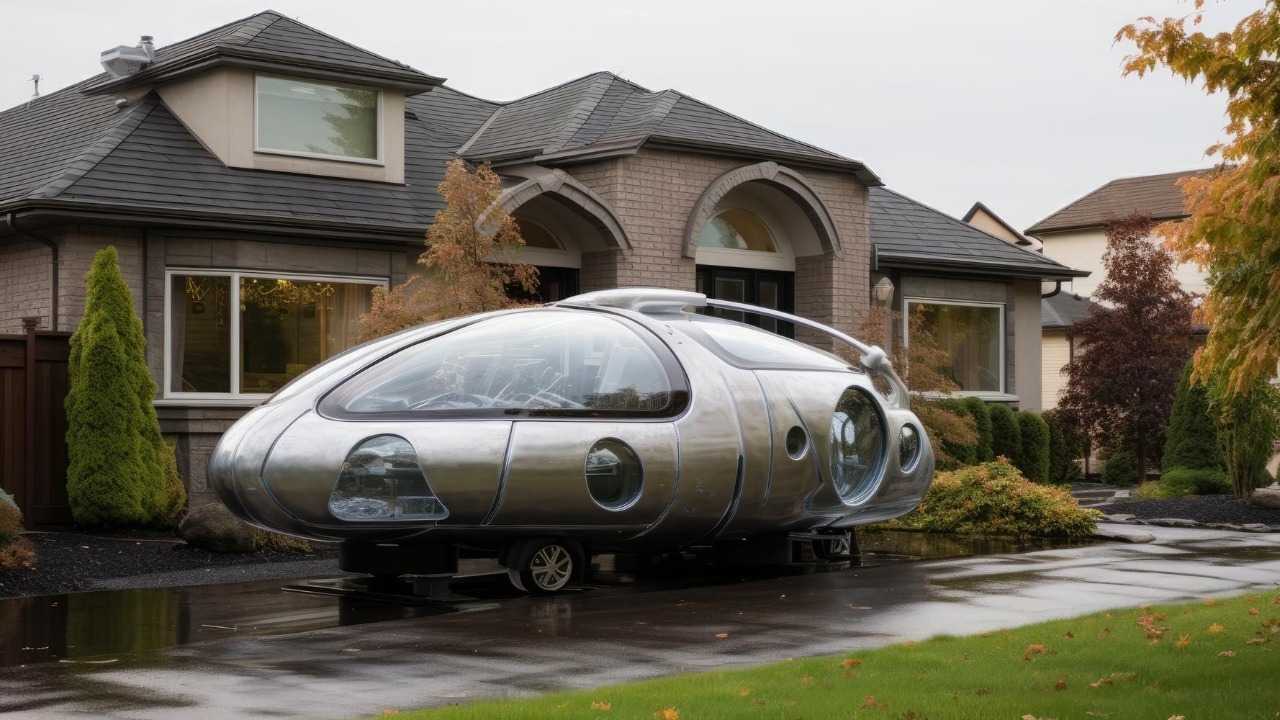
Several companies and research institutions are at the forefront of developing air-powered technology. Innovators like Tata Motors and MDI have been instrumental in advancing the technology, focusing on improving the efficiency and feasibility of air-powered vehicles. Recent breakthroughs in air compression and storage systems are promising, potentially enhancing the practicality of these vehicles.
Innovations in air compression technology have led to more efficient storage systems, which are vital for extending the range and performance of air-powered vehicles. Case studies of pilot projects in various cities have demonstrated the real-world applications of these vehicles. These projects provide valuable insights into the potential integration of air-powered cars into existing transportation systems.
The Future of Air-Powered Vehicles

The timeline for the commercial availability and adoption of air-powered vehicles remains uncertain. However, as technology advances and challenges are addressed, the potential for these vehicles to enter the market increases. Policymakers and regulators will play a crucial role in shaping the future of air-powered transportation, creating frameworks that support innovation while ensuring safety and efficiency.
Speculation suggests that air-powered cars could significantly reshape the automotive landscape and consumer behavior. As technology progresses, these vehicles could become a popular choice for eco-conscious consumers and urban dwellers seeking sustainable transportation options. The ongoing development of air-powered technology offers a glimpse into a future where cars might one day run on air, revolutionizing how we think about transportation.
