Black holes, often perceived as cosmic vacuum cleaners, are objects of both fascination and fear within the scientific community. While their immense gravitational pull is known for consuming everything in their vicinity, some scientists propose that these enigmatic objects could offer solutions to Earth’s future challenges.
Could black holes, infamous for their destructive potential, actually serve as saviors for our planet?
Understanding Black Holes
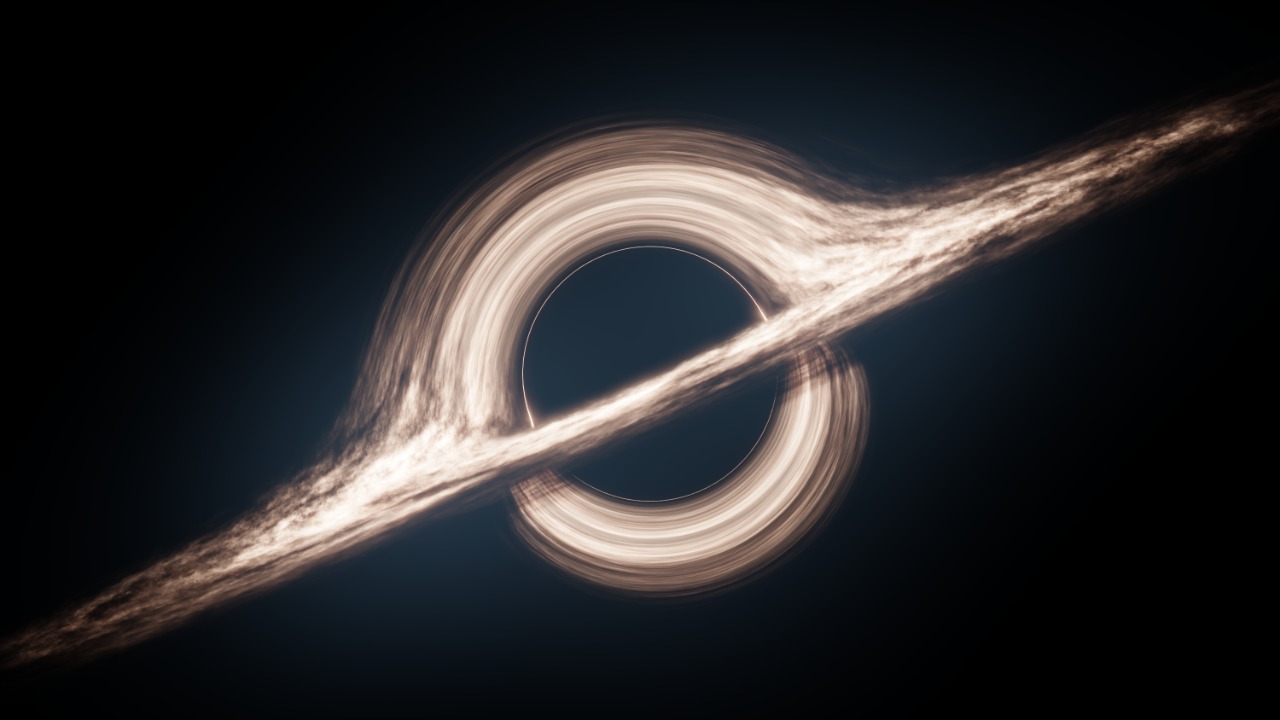
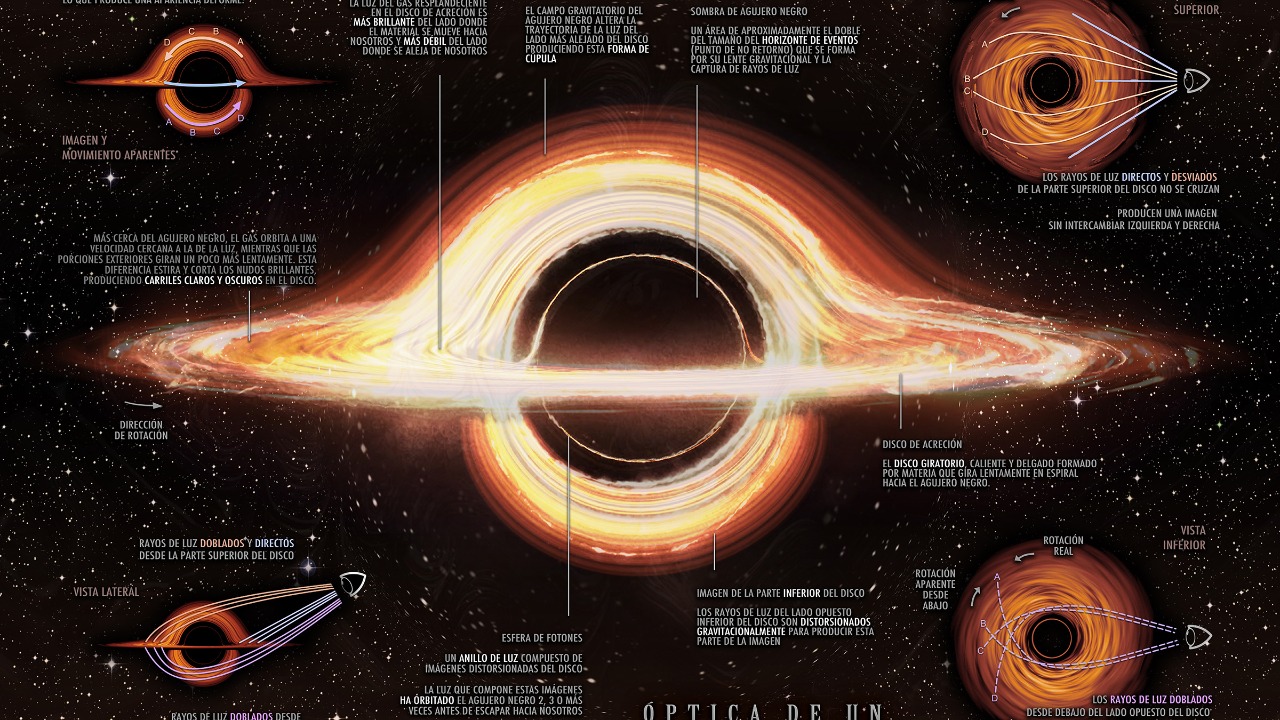
Black holes are defined by several fundamental properties, including their event horizon, singularity, and immense gravitational pull. The event horizon is the point of no return, beyond which nothing— not even light— can escape the black hole’s gravitational grip. At the core lies the singularity, a point of infinite density where the known laws of physics break down.
Black holes form from dying stars, particularly when massive stars exhaust their nuclear fuel and collapse under their own gravity. There are several types of black holes, including stellar black holes, which are formed from individual stars, and supermassive black holes, found at the centers of galaxies, which can have masses equivalent to millions or billions of suns. Recent research and prominent theories, such as those by physicist Kip Thorne, have deepened our understanding of these cosmic phenomena, revealing the complex nature of their gravitational effects and potential interactions with other cosmic bodies.
Theoretical Applications for Earth
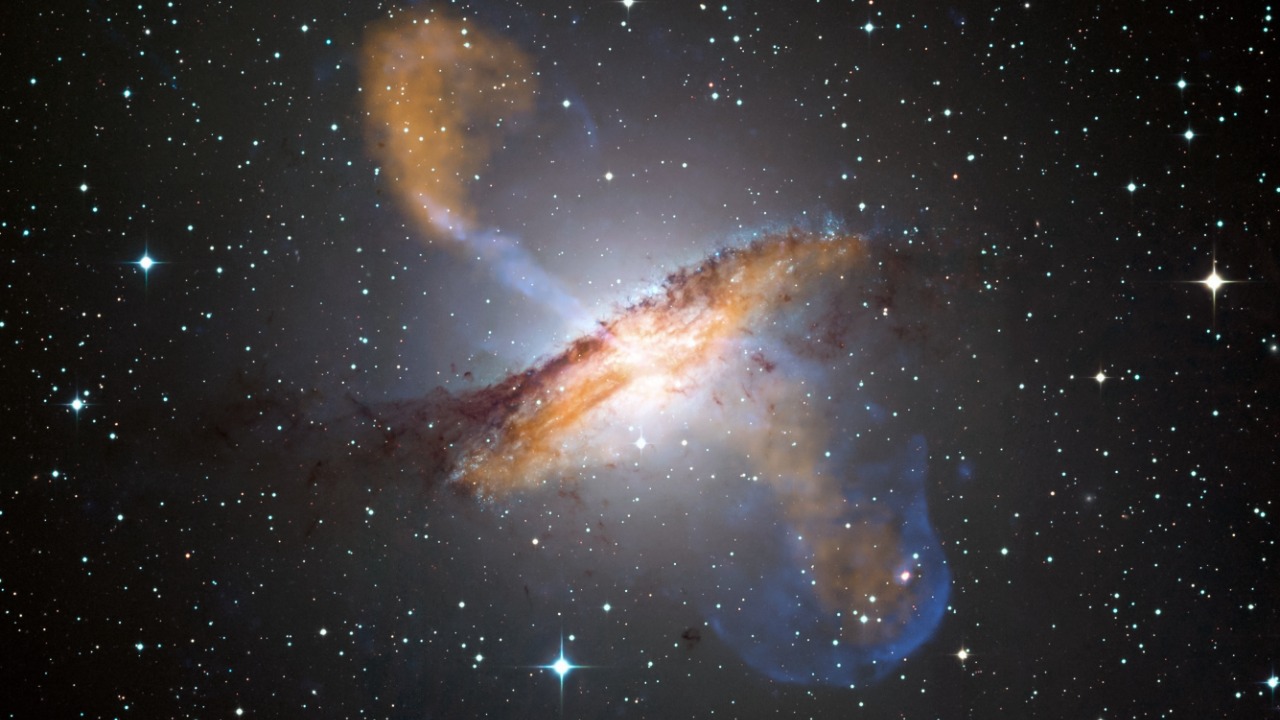
One potential application of black holes is energy generation. Theoretical physicists suggest that it may be possible to harness energy from black holes through mechanisms like Hawking radiation, a process where black holes emit small amounts of radiation due to quantum effects near their event horizon. If we could collect this radiation, it could provide a near-limitless source of energy for future generations.
Another fascinating idea is using black holes for waste disposal, particularly for hazardous materials like nuclear waste. While this could theoretically offer a way to rid Earth of its most dangerous substances, the feasibility and ethical implications of such an approach remain highly speculative. Moreover, there are speculative ideas about using black holes for advanced space travel or even altering Earth’s trajectory. These concepts involve the manipulation of space-time, a notion that remains firmly in the realm of theoretical physics.
Risks and Challenges
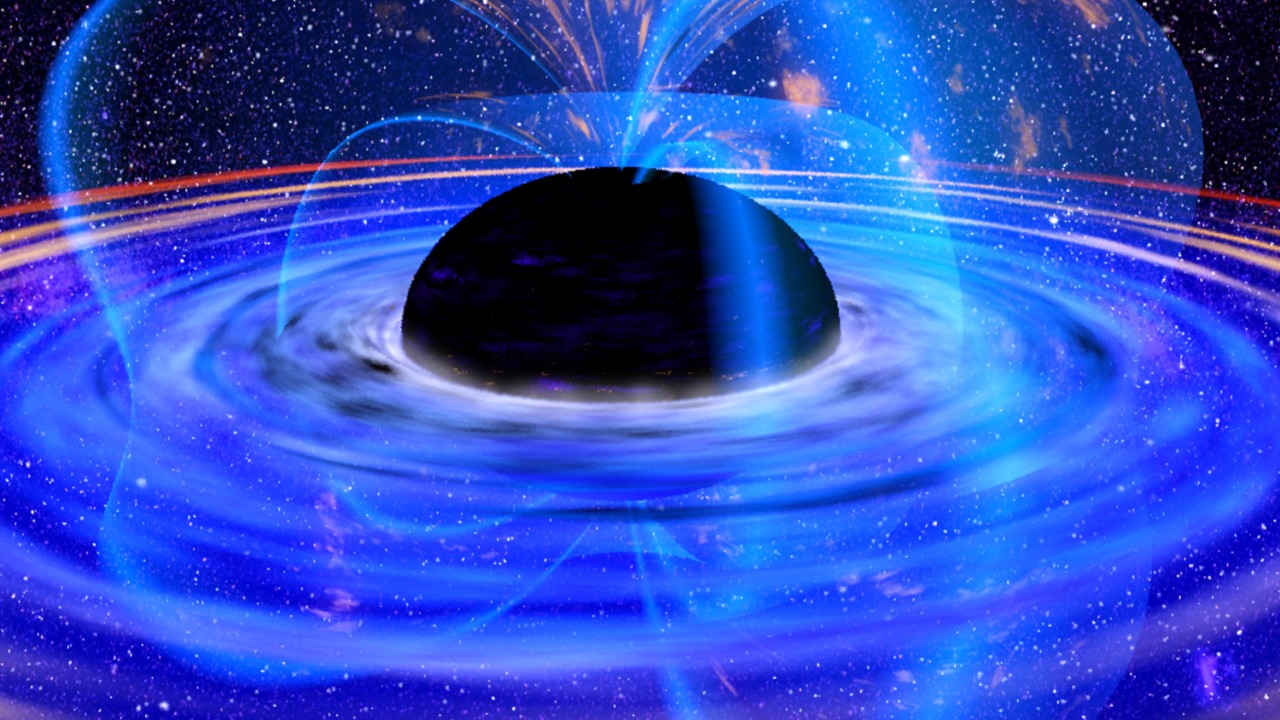
One of the primary concerns is the risk of a near-Earth encounter with a black hole. While the likelihood of a black hole coming close to Earth is extremely low, the potential impact would be catastrophic. The gravitational forces could disrupt our planet’s orbit, leading to dire consequences for life on Earth.
Technological limitations also present significant challenges. Our current capabilities are insufficient to safely interact with or utilize black holes in any meaningful way. Developing the technology to approach these phenomena would require breakthroughs in numerous scientific fields. Ethical considerations further complicate the situation. Harnessing the power of black holes raises moral questions about the risks of unintended consequences and the potential for misuse of such powerful cosmic forces.
Current Scientific Debates
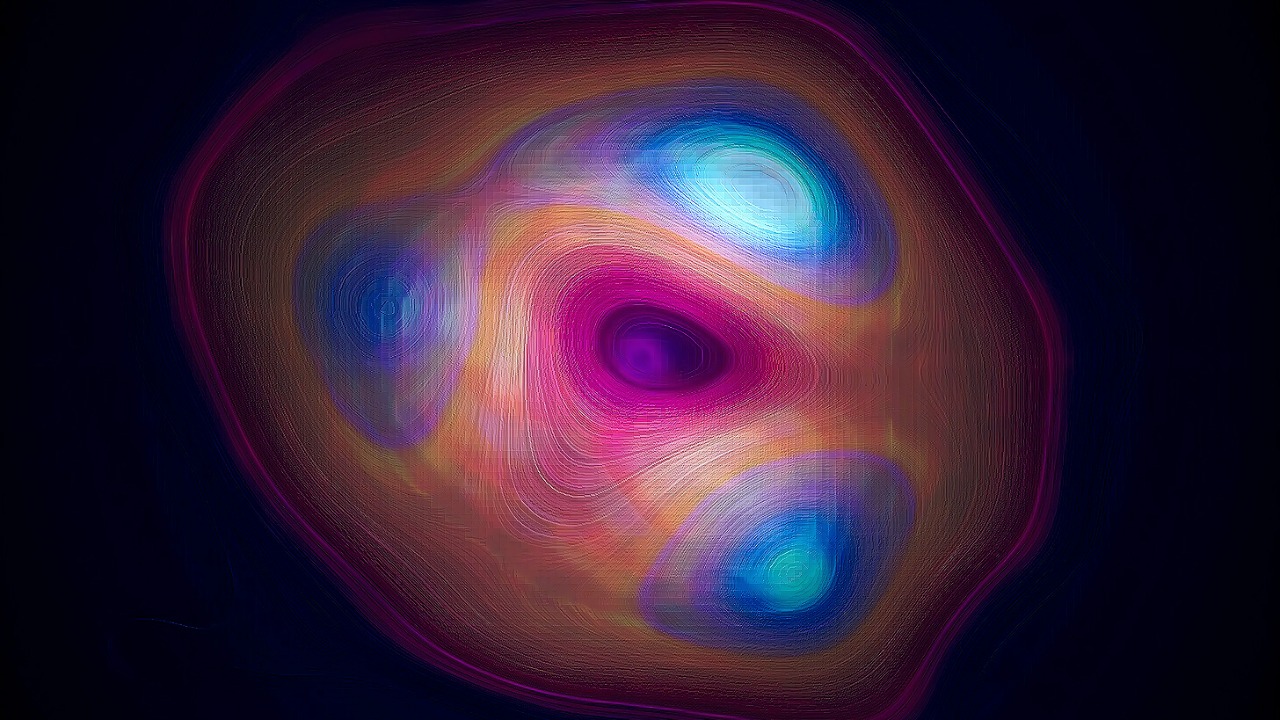
Within the scientific community, there is a divide between skepticism and support regarding the feasibility of black holes as solutions for Earth’s challenges. While some researchers are optimistic about the potential applications, others caution against overly speculative ventures. Alternative theories highlight other cosmic phenomena, such as neutron stars or white dwarfs, which might offer more practical benefits to humanity.
Future research directions include focusing on areas for further study and technological advancements needed to better understand and potentially utilize black holes. Scientists are particularly interested in developing new methods to observe and analyze black holes, aiming to unlock their secrets and assess their potential applications.
Public Perception and Media Influence
Popular culture, through films and literature, plays a significant role in shaping public understanding of black holes and their potential uses. However, this portrayal often leads to misinformation and myths, creating misconceptions about the nature and capabilities of black holes.
Educational initiatives are crucial in addressing these misconceptions. Scientists and educators are working to inform the public about the real science behind black holes and their potential applications, emphasizing the importance of accurate scientific communication. By enhancing public understanding, we can foster a more informed dialogue about the role of black holes in our future.
