While the idea of aliens living among us has long been a topic of fascination, a growing number of theories suggest they might be residing right beneath our feet. Recent studies and scientific inquiries explore the possibility that extraterrestrial life forms could be hidden in subterranean realms, shielded from human eyes. Could aliens already live underground?
Theories of Underground Alien Habitats

Popular theories propose that aliens might prefer underground habitats as a strategic choice for survival. The notion is that subterranean environments could offer protection from harsh surface conditions and human detection. Such theories are not new; they have been part of historical and cultural narratives for centuries. Legends and myths from various cultures speak of hidden civilizations and mysterious beings residing below the earth’s surface.
Scientific hypotheses further support these theories by suggesting that underground environments could offer the conditions necessary for life. The idea is that beneath the surface, alien life forms might find stable temperatures, protection from radiation, and a constant supply of nutrients—all essential factors for sustaining life. These hypotheses challenge us to reconsider where we look for extraterrestrial life, shifting the focus from distant planets to our own backyard.
Scientific Studies and Expert Opinions

Recent studies, including a Harvard study, have explored the potential of underground alien life. These studies suggest that the conditions found underground could indeed support life forms that have adapted to such environments. Experts from the fields of astrobiology and geology provide insights into the feasibility of subterranean alien habitats, pointing out the parallels between these hidden realms and other extreme environments where life thrives on Earth.
Advancements in technology are crucial in the search for hidden underground life forms. Current technology, such as ground-penetrating radar and deep-earth drilling, offers new ways to explore beneath the surface. These tools could potentially reveal signs of life that were previously undetectable, opening new frontiers in the search for extraterrestrial life.
Geological and Environmental Considerations
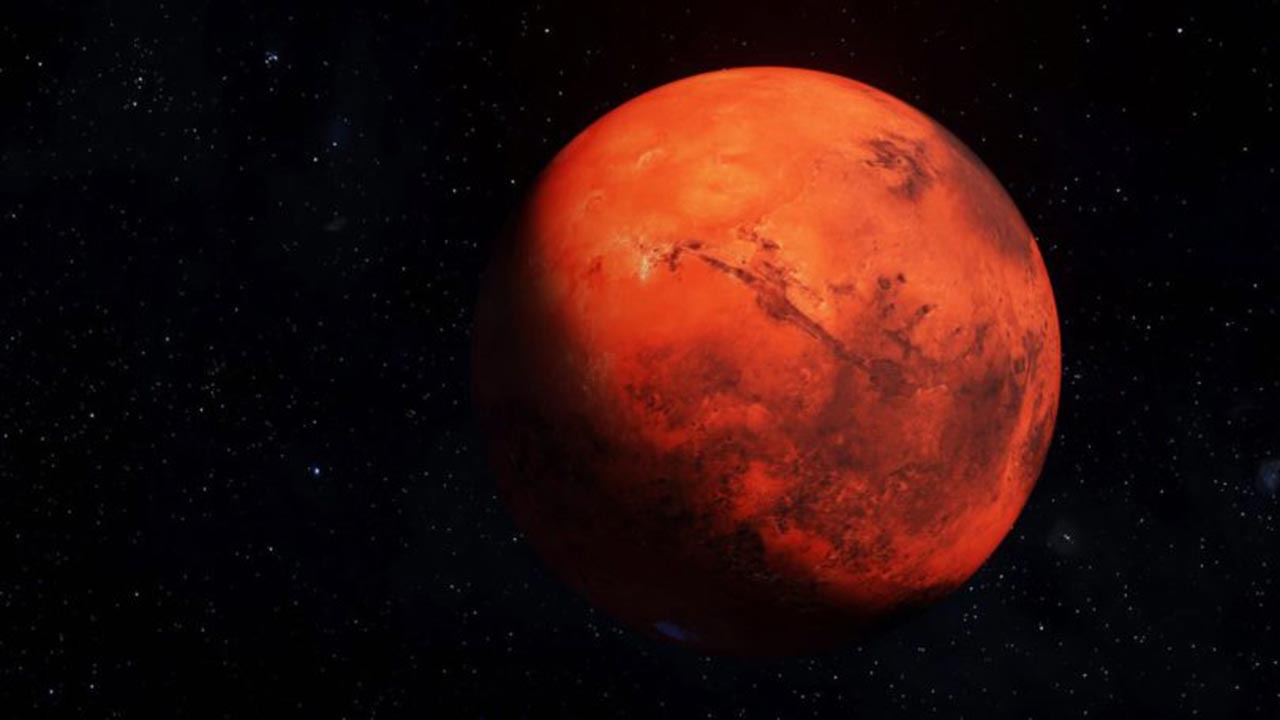
Earth’s geological features offer a variety of environments that could support underground life. Extensive cave systems and deep-sea vent ecosystems are prime examples of habitats that could harbor life forms adapted to subterranean existence. These environments provide a unique set of conditions that could be favorable for alien life, such as stable temperatures and protection from surface hazards.
Comparisons with other planets and moons in our solar system reveal that similar underground environments might exist elsewhere. For instance, the icy moons of Jupiter and Saturn are believed to have subsurface oceans that could potentially harbor life. These comparisons highlight the possibility that if life can exist underground on Earth, it might also thrive beneath the surfaces of other celestial bodies.
Technological Implications and Discoveries

The exploration of underground environments is heavily reliant on technology. Ground-penetrating radar and deep-earth drilling are just two examples of the tools used to explore beneath the surface. Recent discoveries in these fields have sparked renewed interest in the possibility of underground alien life, with new findings hinting at previously unknown life forms residing in Earth’s subterranean realms.
Future advancements in technology could significantly enhance our ability to detect subterranean extraterrestrial life. Innovations in remote sensing and robotic exploration could provide deeper insights into these hidden environments, potentially leading to groundbreaking discoveries. Such technological progress is essential for expanding our understanding of life beyond the surface of our planet.
Cultural and Societal Impact

The discovery of underground aliens would undoubtedly have a profound impact on human culture and beliefs. Such a revelation could challenge long-held assumptions about our place in the universe and prompt a reevaluation of our understanding of life. Speculation abounds about the societal implications of such a discovery, including potential shifts in global priorities and policies.
The role of media and fiction in shaping public perceptions of subterranean aliens cannot be overlooked. Popular culture often influences how we perceive the unknown, and the idea of underground alien civilizations has been a recurring theme in literature and film. This cultural backdrop shapes our expectations and reactions to potential discoveries, influencing how society might respond to the confirmation of subterranean life.
Future Prospects and Exploration

The search for underground alien life is an ongoing endeavor with numerous upcoming missions and projects aimed at uncovering signs of such life forms. International collaborations and efforts are being made to explore beneath the surface, utilizing cutting-edge technology and scientific expertise. These initiatives represent a concerted effort to expand our understanding of life in the universe.
The future of humanity’s understanding of life in the universe is intertwined with these explorations. As we continue to search for signs of life beneath the surface, we may find ourselves rethinking our place within the cosmos. The discovery of underground aliens could fundamentally alter our perspective, providing new insights into the nature of life and its potential existence beyond Earth.
