
As the global community grapples with the urgency of reducing carbon emissions and the necessity of investing in renewable energy sources, Artificial Intelligence (AI) is emerging as a potential game-changer in the energy sector. AI’s capacity to enhance efficiency and optimize energy consumption presents promising prospects for unlocking new clean energy sources.
The Role of AI in Sustainable Energy Development
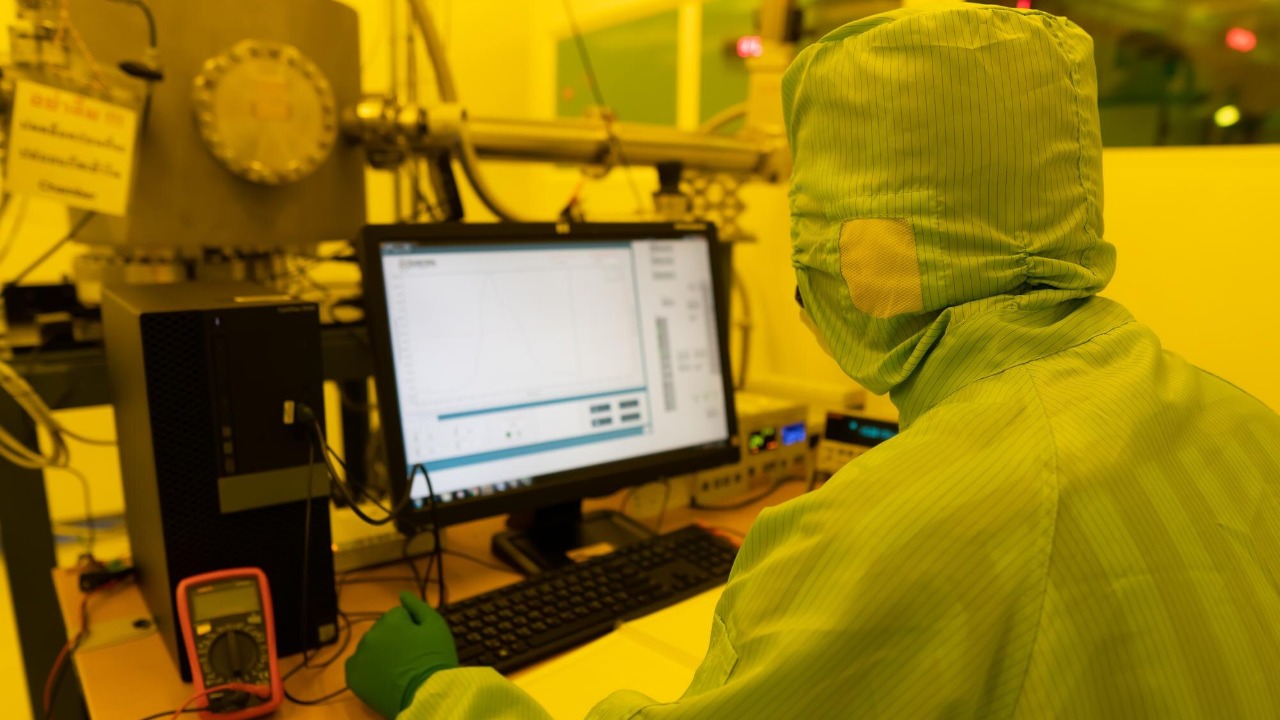
Artificial Intelligence (AI) is fast becoming an integral part of the energy sector, providing innovative solutions to complex problems. AI has the potential to increase efficiency in energy production, distribution, and consumption, thereby playing a significant role in sustainable energy development.
From predictive maintenance of equipment to optimizing the generation and distribution of power, AI is touching every aspect of the renewable energy sector. In terms of research and development, AI is being used to enhance the performance of solar panels and wind turbines, as well as predicting weather patterns for optimal energy production. As per a study, AI-driven sustainable energy initiatives could potentially revolutionize the economy by creating new jobs and reducing energy costs.
How AI Can Help Meet the Growing Electricity Demand
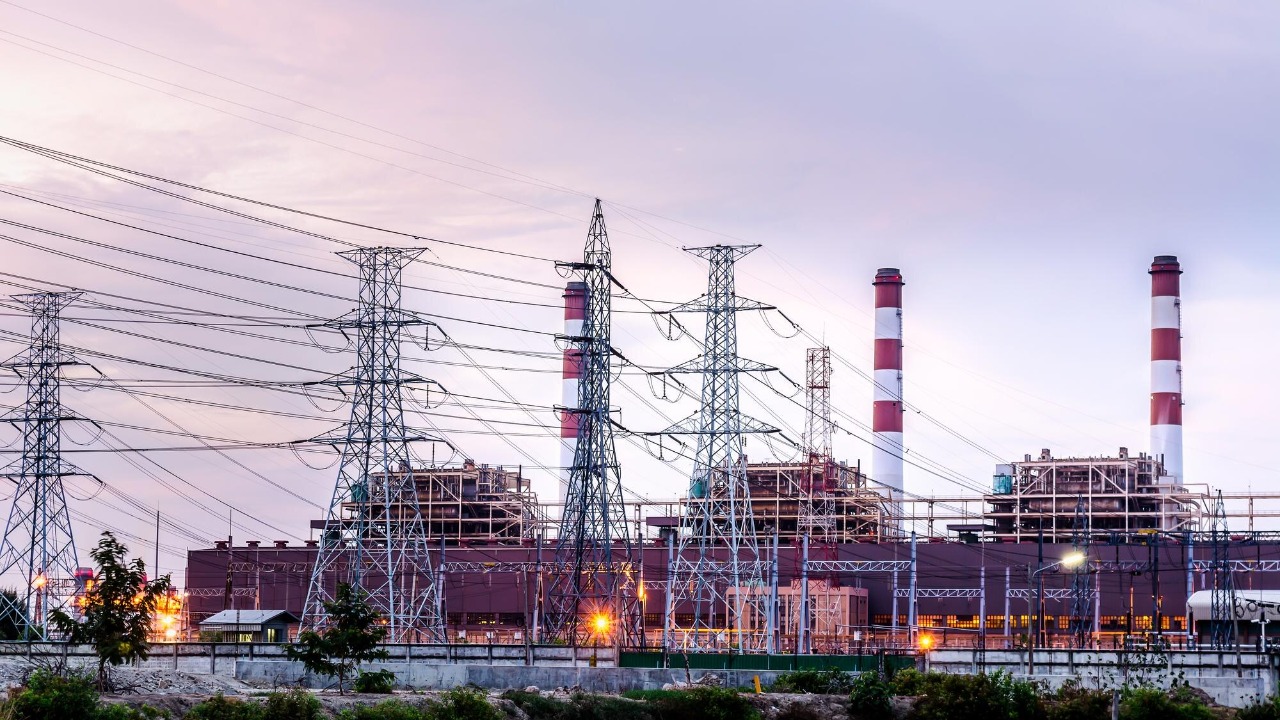
The rising global population and rapid urbanization are driving up electricity demand, requiring sustainable and clean energy solutions. AI can play a crucial role here by effectively managing electricity demand and increasing the efficiency of power generation and distribution.
AI can transform how the energy sector operates by introducing smart grid systems, which use AI algorithms to balance the supply and demand of electricity in real-time. A report by the US Department of Energy highlights how AI can be instrumental in meeting the growing electricity demand with clean energy solutions.
The Intersection of AI and Clean Energy: Case Studies

AI has already shown promise in unlocking new clean energy sources in several instances. One such example is Google’s DeepMind, which used machine learning to reduce the energy used for cooling its data centers by up to 40%. This achievement demonstrates the potential of AI in optimizing energy consumption and enhancing efficiency.
AI is also being utilized to boost the efficiency of renewable energy sources. For instance, AI algorithms have been used to predict wind patterns, enabling wind farms to generate power more effectively. This advancement in the use of AI has not only resulted in increased energy production but has also positively impacted the cost of renewable energy.
The Challenges and Limitations of AI in Clean Energy
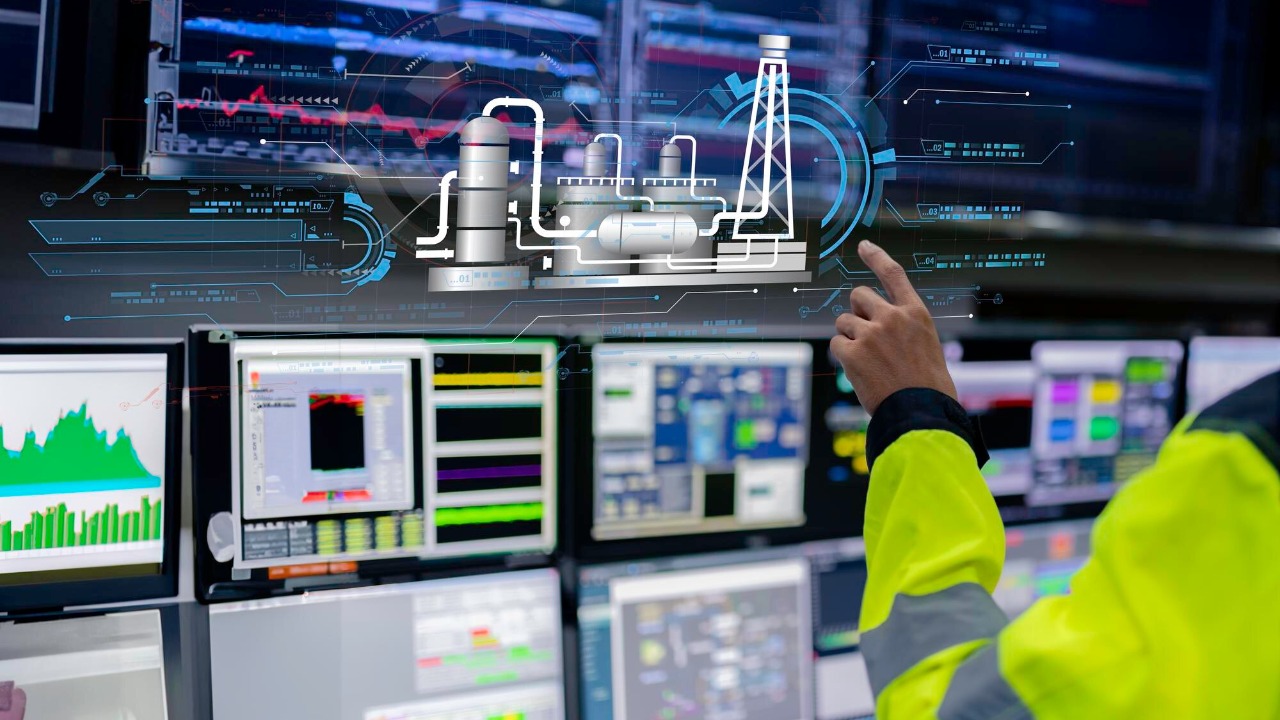
Despite the potential benefits, the application of AI in clean energy also presents certain challenges. The development and integration of AI in the energy sector require significant investment and technological infrastructure, which could be a hurdle for some countries. Moreover, the economic feasibility of AI-driven sustainable energy initiatives is still a topic of debate among economists.
Another challenge lies in the ethical considerations of AI. The use of AI involves collecting and analyzing vast amounts of data, raising concerns over data privacy and security. Therefore, the application of AI in sustainable energy development must be carried out responsibly, keeping data protection and ethical considerations in mind.
The Future of AI in Clean Energy

The prospects for AI in the development of new clean energy sources are promising. From optimizing energy consumption to managing demand, AI is expected to play a crucial role in shaping the future of the energy sector. For instance, AI-powered smart grids could revolutionize the way we manage and consume energy.
However, the realization of these prospects largely depends on the policies and investment in AI innovation. A report by Goldman Sachs suggests that smart demand management, powered by AI, can significantly reduce the energy crisis. Therefore, driving investment and policy support for AI in the energy sector is essential for unlocking its full potential in clean energy.
