
Artificial Intelligence (AI) is progressively making its mark in various sectors, transforming traditional methodologies and processes. Among these sectors, the technology and software development industry is one that is witnessing considerable change. A pertinent question arising in this context is whether AI tools could render the profession of coding obsolete, or if they will instead revolutionize the coding process.
The Current State of AI in Coding
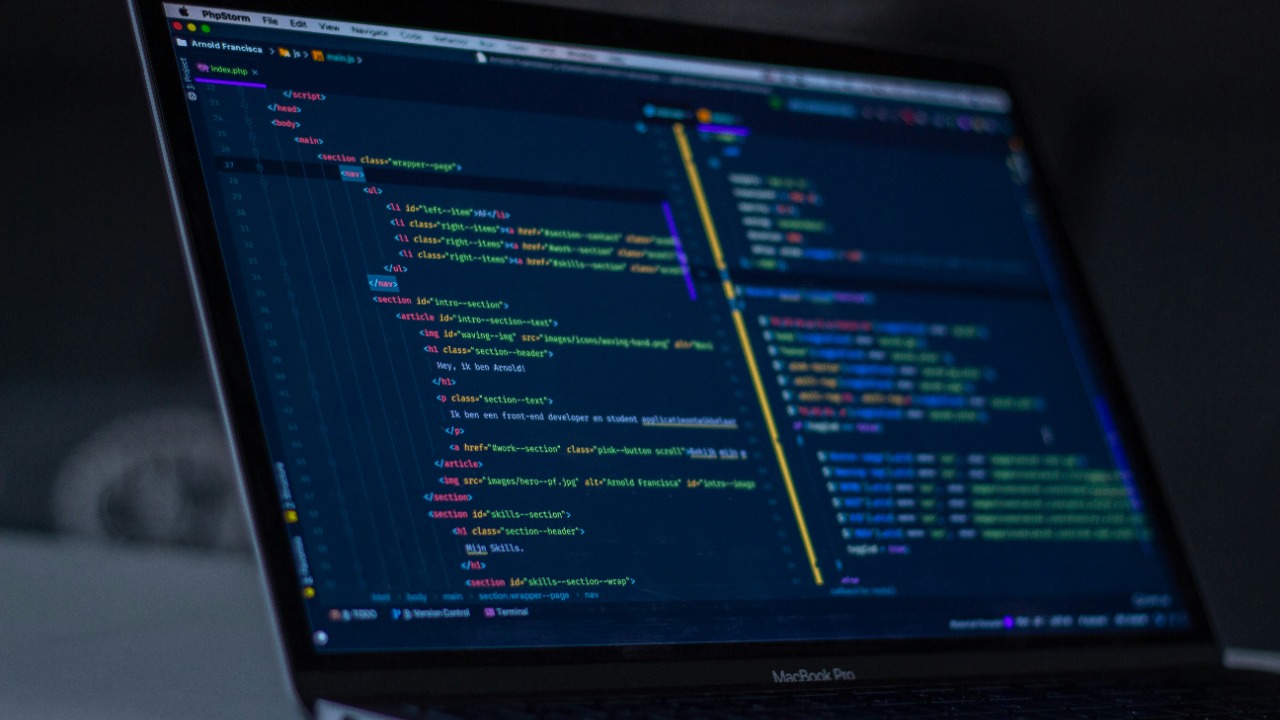
Already, AI is being deployed in coding and software development in innovative ways. For instance, machine learning algorithms are being used to automate code generation, bug detection, and even the creation of complex algorithms. Tools like DeepCode and Kite have been developed to leverage AI in order to aid developers in their tasks, making the coding process more efficient and less prone to human error. These AI coding tools have the capability to analyze code, identify bugs, and suggest improvements.
However, as promising as these developments might be, AI in coding is not without its limitations and challenges. The current tools still require a significant amount of human intervention and oversight. They are not yet capable of understanding the nuances of human language or intent, which is crucial in coding. Furthermore, while AI can generate code based on predefined patterns, it struggles with creating novel solutions or understanding complex, abstract concepts.
Will AI Replace Coders?

The argument that AI could make coding obsolete is a contentious one. Some research, such as this study, indicates that AI has the potential to automate a significant portion of coding tasks. The study suggests that as AI continues to evolve, its learning capabilities could allow it to perform more complex coding tasks, thereby reducing the need for human coders.
However, there is also considerable opposition to this claim. Many experts argue that while AI can automate some aspects of coding, it cannot replace the creativity, critical thinking, and problem-solving abilities that human coders bring to the table. Moreover, the coding process often requires a deep understanding of the problem at hand and the ability to tailor solutions to specific needs, something that AI currently cannot achieve.
The Future of AI-Augmented Programmers

Another perspective is that AI tools will be used to enhance, not replace, programmers. Andrew Ng, a renowned figure in the AI field, supports this viewpoint. He argues that AI will help coders to be more productive, rather than making them redundant. AI can automate repetitive tasks, freeing up coders to focus on more complex and creative aspects of programming.
This approach presents both benefits and challenges. On the one hand, AI-augmented programming could lead to more effective and efficient coding processes, as well as the development of more sophisticated software solutions. On the other hand, it would necessitate a shift in the way coders work and the skills they need to master. Furthermore, issues such as data privacy, algorithmic bias, and the ethical use of AI would need to be carefully managed.
Implications for the Tech Industry
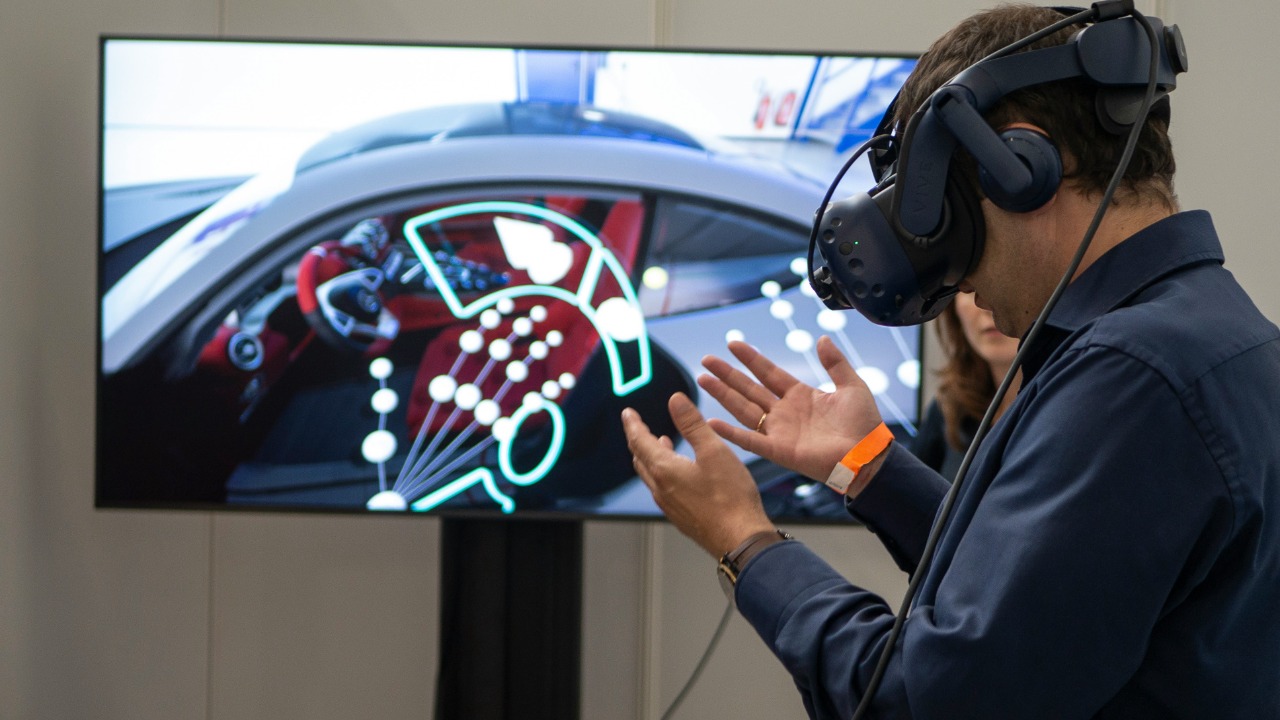
A shift towards AI-dominated or AI-augmented programming could have profound impacts on the tech industry. This could potentially disrupt job markets, altering the demand for certain skills and creating the need for new ones. Traditional coding jobs might decrease, while roles related to AI, data science, and machine learning could increase.
Moreover, this shift would impact the way workforce training is conducted. Current training programs focused on traditional coding skills would need to be revamped to include AI and machine learning concepts. This could lead to an increased demand for AI-centric education and training programs.
Preparing for the AI Revolution in Coding

As AI continues to infiltrate the coding field, current coders and those interested in coding need to prepare for potential changes. This includes staying updated with the latest developments in AI and machine learning and adapting to new tools and technologies. Online platforms like Coursera and Udemy offer courses on these topics, making it easier for individuals to acquire these skills.
Moreover, understanding AI and its implications is a crucial part of future-proofing one’s coding skills. As AI becomes increasingly integrated into everyday coding tasks, having a solid foundation in AI and machine learning will become ever more important. This Quora discussion provides useful insights into how to prepare for this shift.
A Balance of AI and Human Skills

Looking ahead, it seems likely that the future will involve a balance of AI and human coders. AI could serve as a powerful tool for coders, automating repetitive tasks and assisting with complex problem-solving. However, the creativity, critical thinking, and adaptability of human coders will continue to be valuable, if not indispensable.
The potential lies not in AI replacing coders, but in revolutionizing the coding process. This could lead to more efficient and effective coding practices, the development of more sophisticated software solutions, and even the emergence of entirely new roles within the tech industry. As we navigate this exciting frontier, the key will be in harnessing the power of AI while also leveraging the unique skills and abilities that humans bring to the table.
