Our planet’s coral reefs, the ‘rainforests of the sea,’ are facing a serious threat, necessitating urgent restoration. With the introduction of drones designed to plant corals on a large scale, we’ve seen an impressive milestone in this global effort: the planting of one million corals. This innovative approach is a significant stride towards restoring and conserving these crucial marine ecosystems.
The State of Global Coral Reefs
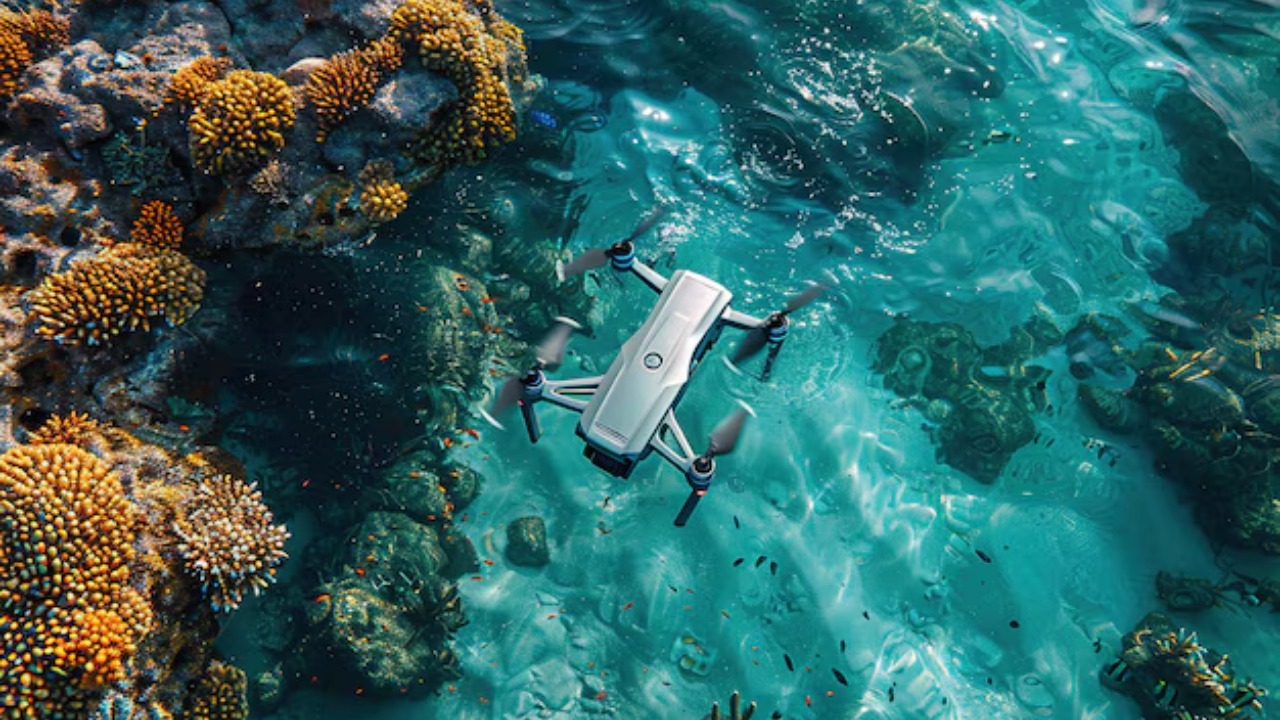
Current data shows that the health of coral reefs worldwide is rapidly declining. A report published in Current Biology provides alarming statistics of coral reef degradation, with some areas experiencing losses of up to 50%. This decline is primarily due to factors such as human activities and climate change.
The implications of this decline are far-reaching, affecting not only marine biodiversity but also human livelihoods. Coral reefs serve as the habitat for a quarter of all marine species, underpinning the ecosystem’s biodiversity. On the human side, coral reefs provide food and income for millions of people, protect coastlines from storms and erosion, and contribute to tourism industries. The degradation of these vital ecosystems poses immediate and long-term threats to both marine life and human communities.
The Concept of Coral Restoration Drones
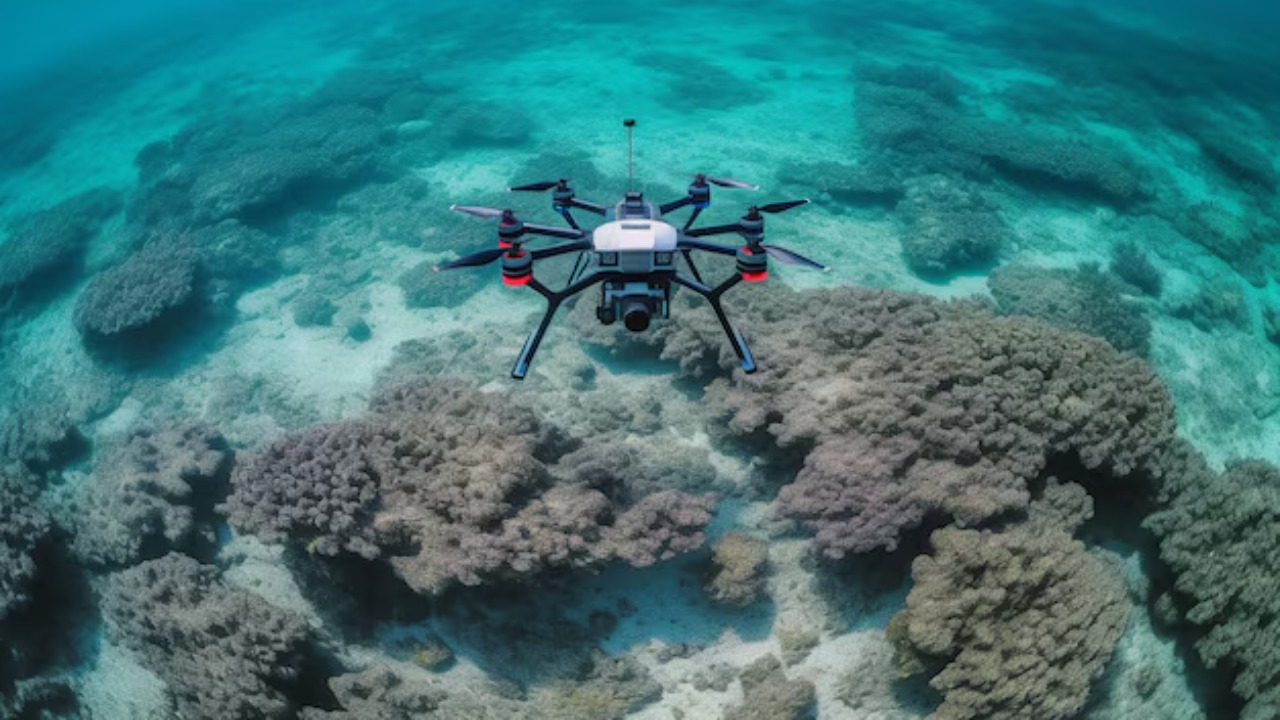
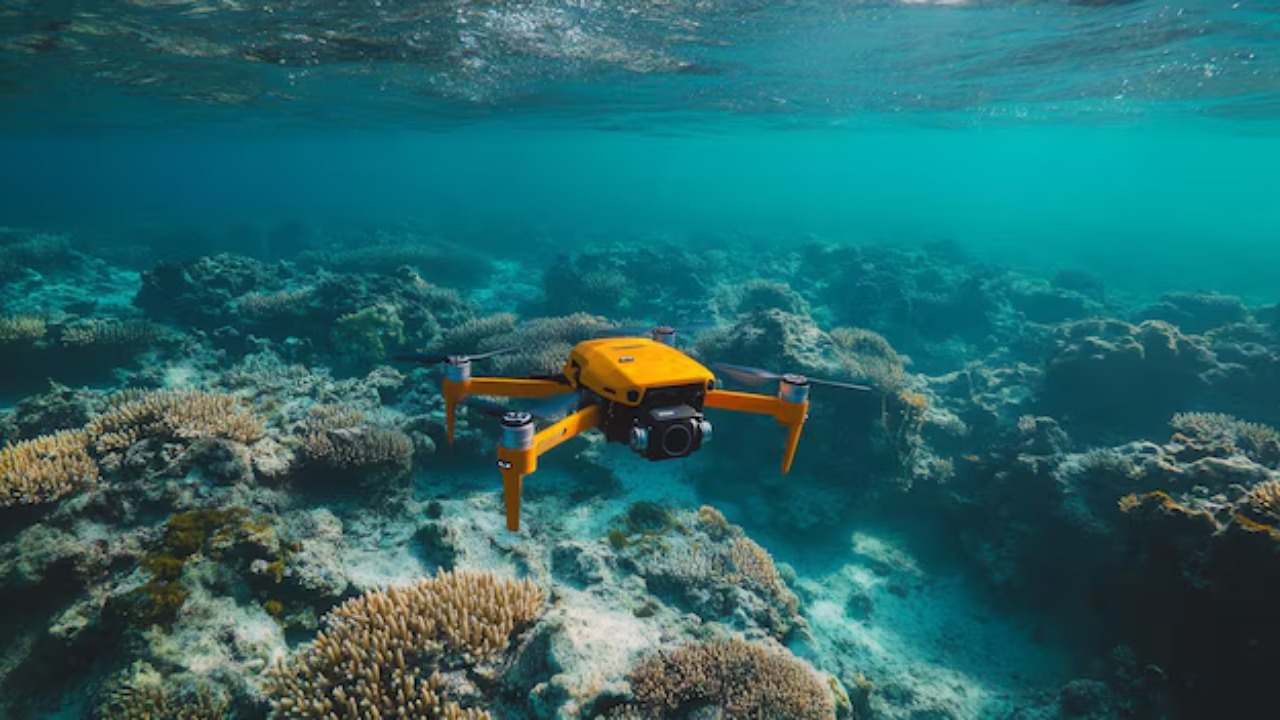
The use of drones in coral restoration is a novel concept that brings with it several advantages. These unmanned aircraft systems can cover large areas in a short amount of time, making them ideal for large-scale restoration projects. With the ability to operate in challenging environments and depths, drones offer an innovative solution to a pressing global issue.
Designed to plant corals at scale, these drones have been instrumental in various successful restoration projects. For instance, they were used in a project on the Great Barrier Reef, where drone imagery revealed that 97% of corals were dead. The drones effectively planted new corals, contributing to the reef’s recovery.
Planting One Million Corals: The Milestone
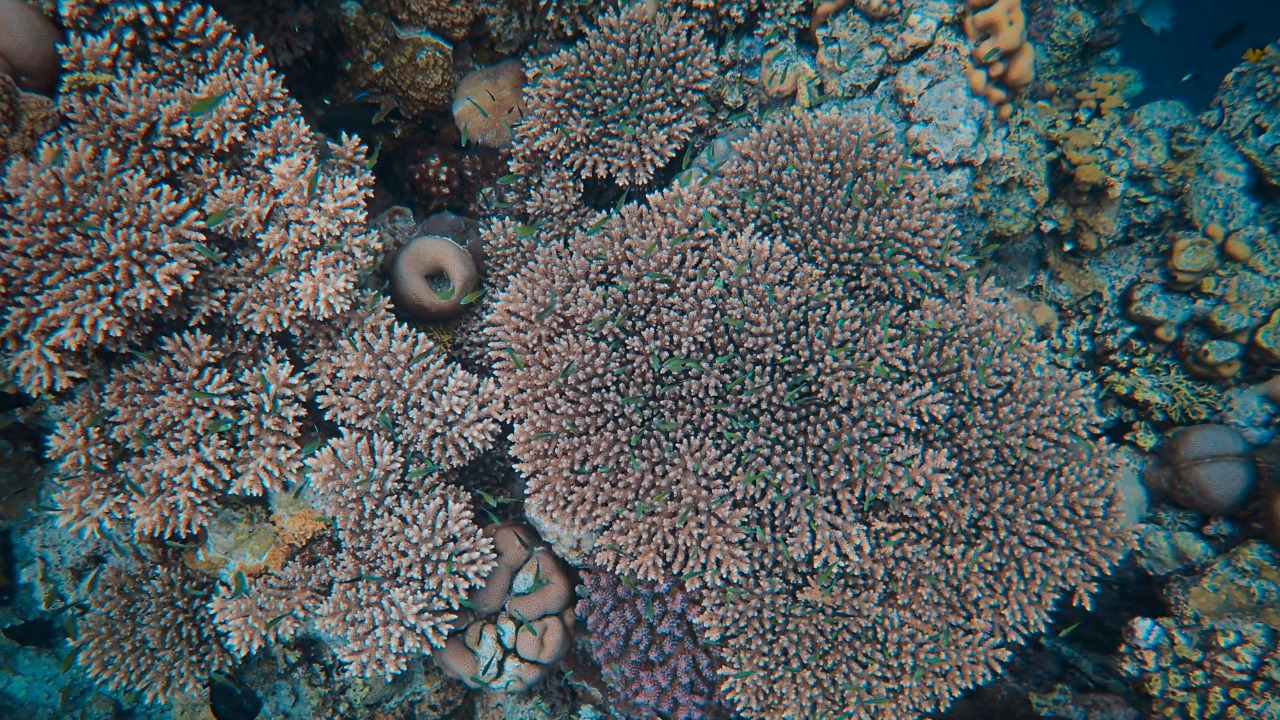
The achievement of planting one million corals is a significant milestone in the fight for coral restoration. This feat not only demonstrates the effectiveness of drone technology in environmental conservation but also gives hope for the future of our coral reefs.
The impact of this achievement on the health and biodiversity of the reef cannot be understated. Each newly planted coral provides habitat, food, and spawning grounds for a myriad of marine species. This restoration effort is a crucial step toward revitalizing marine biodiversity and improving the health of the reef ecosystem.
Challenges and Future Prospects
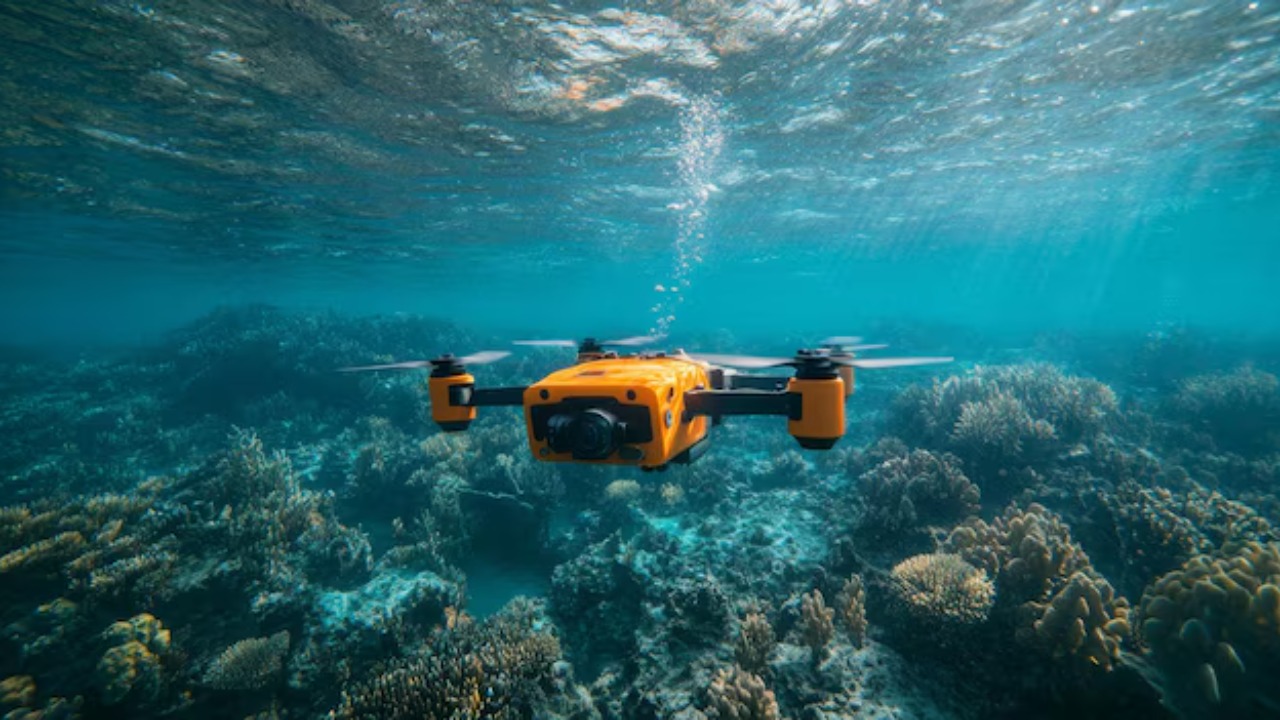
Despite the successes, there are several challenges to using drones for coral restoration. Technical difficulties, such as controlling the drones in adverse weather conditions and navigating complex underwater landscapes, pose significant obstacles. Environmental constraints, such as the need for suitable coral planting sites and the impact of ongoing climate change, further complicate the process.
However, potential solutions exist. Advancements in drone technology can help overcome technical difficulties, while collaborative efforts between stakeholders can address environmental constraints. For instance, the Coral Vita project in the Bahamas, which combines in-water coral farming techniques with drone technology, exemplifies such a collaborative approach.
The Broader Picture: Coral Restoration and Climate Change
Coral restoration is part of the broader effort to mitigate climate change and protect biodiversity. The decline of coral reefs is closely linked to rising ocean temperatures, a direct consequence of global warming. Therefore, restoration efforts also contribute to climate change mitigation.
The role of technology and innovation in environmental conservation is vital, and the use of drones in coral restoration is a prime example. However, for these innovative conservation efforts to be successful, collective action and policy support are crucial. Policies that foster sustainable practices and mitigate climate change can create an environment conducive to coral restoration.
As highlighted in a United Nations report, coral reefs are an essential component in the fight against climate change. Therefore, it is imperative that we continue to innovate and invest in technologies like coral restoration drones, while also addressing the root causes of coral reef decline.
