
Recent studies have unearthed controversial findings in a meteorite that suggest possible extraterrestrial origins. We will delve into these findings, examining the evidence, the theories that have been proposed, and the implications they may have for our understanding of the universe.
Overview of the Meteorite Findings
The meteorite in question was discovered and initially analyzed by a team of astronomers. It captured their attention due to its unusual composition, including a series of spherical fragments that seemed out of place. The fragments were unlike anything previously seen in meteorites, leading some to question their origin. A physicist hypothesized that they could potentially be remnants of an alien spaceship.
The scientific community’s response to this claim has been mixed. While some researchers express intrigue and curiosity, others remain skeptical. The unusual findings have sparked a lively debate, with many demanding further evidence before drawing any conclusions. The controversy surrounding these fragments has brought a new level of excitement and uncertainty to the field of astrobiology.
Analyzing the Evidence of Alien Origin
The physicist who made the claim about the fragments’ potential alien origin has provided several lines of reasoning. They suggested that the spherical fragments’ composition and structure could be indicative of advanced technology beyond our current understanding. This notion is discussed in greater detail in a Science Alert article, which outlines the signs to look for when identifying potential alien artifacts.
However, not everyone in the scientific community is convinced. Many argue that extraordinary claims require extraordinary evidence, and they believe that the proof provided so far is insufficient. They point out that it is more likely that the fragments are a result of natural phenomena that we do not yet fully understand. The skepticism surrounding these findings underscores the importance of rigorous scientific inquiry and the need for solid evidence.
Comparison with Other Alleged Alien Artifacts and Signals
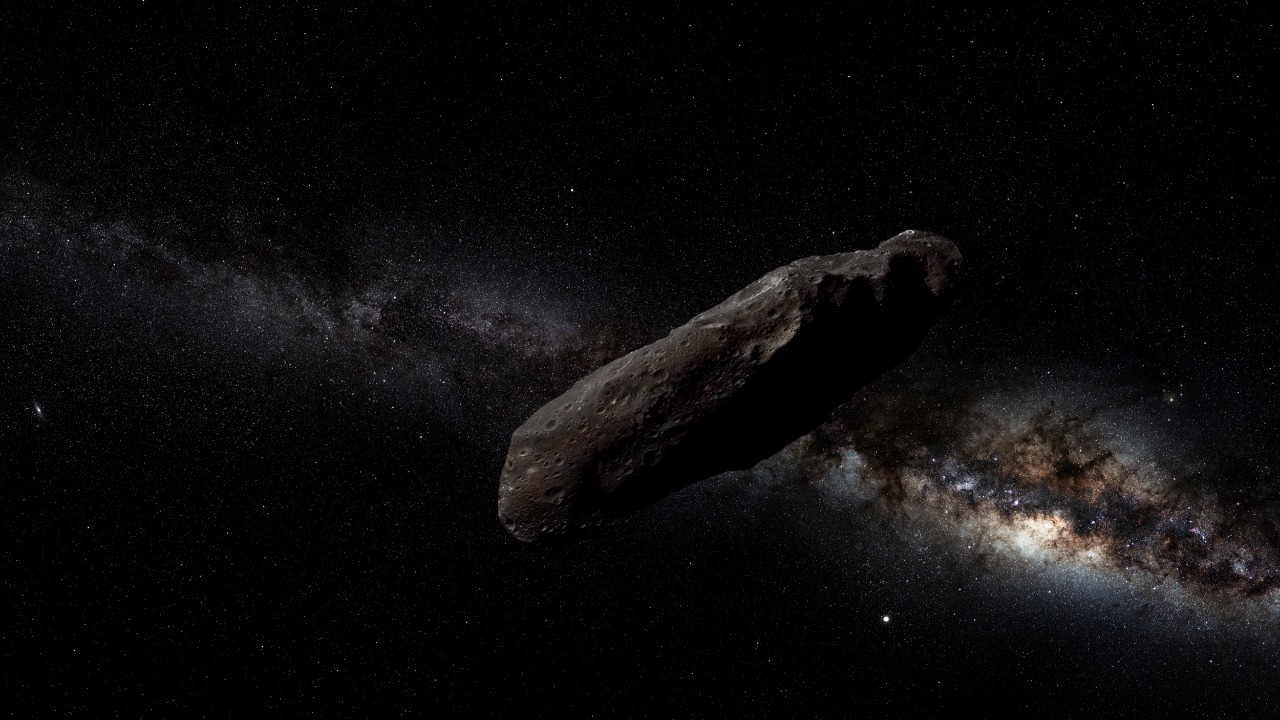
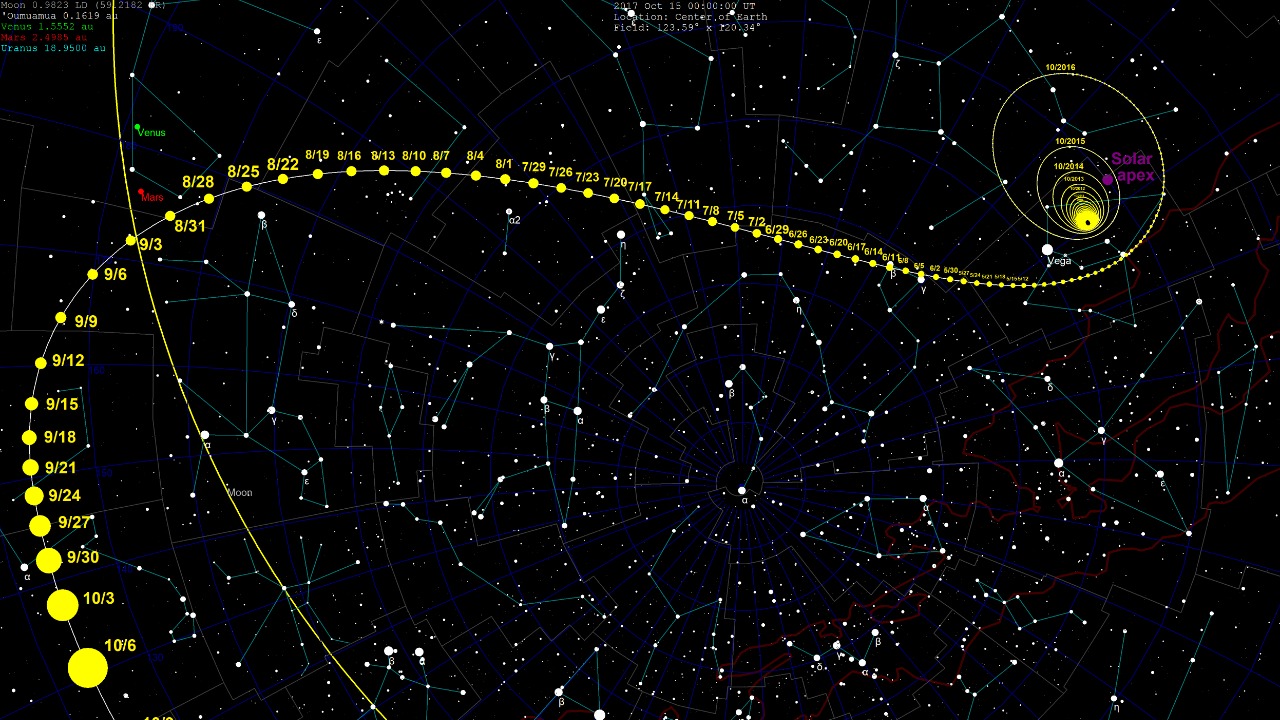
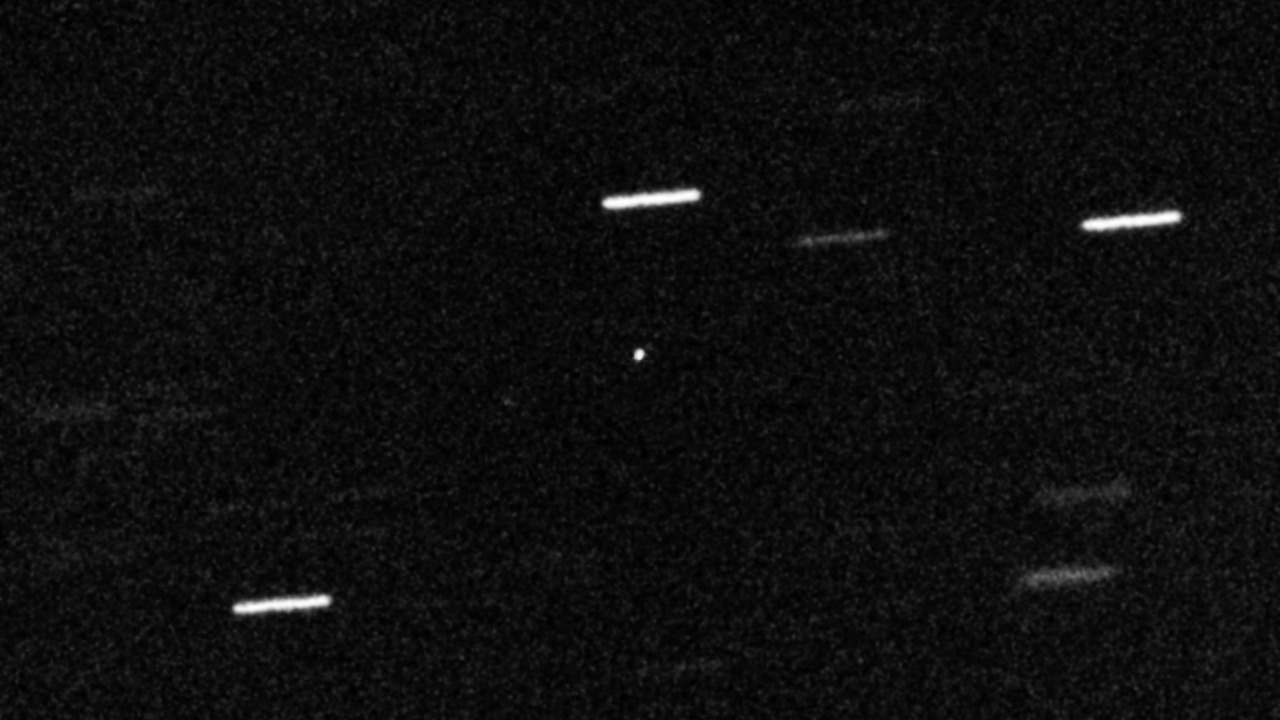
The controversial meteorite is not the first object to spark debate about potential alien origins. The `Oumuamua object, a cigar-shaped asteroid that passed through our solar system in 2017, was suggested by some to be an alien spacecraft. Another notable incident involved a signal that was initially believed to be from an alien civilization but was later identified as coming from a truck.
Comparing these past incidents to the current meteorite findings can provide valuable insight. In each case, initial excitement over the potential for alien discovery was tempered by further investigation and skepticism. The processes used to determine the origin of these objects and signals were rigorous and thorough, emphasizing the importance of skepticism and critical thinking in scientific discovery.
Implications for the Search for Extraterrestrial Life

If the meteorite findings are confirmed to have extraterrestrial origins, it could have significant implications for the search for alien life. Such a discovery could provide clues about the technology and capabilities of alien civilizations, potentially informing future search strategies and techniques.
An example of this is the underwater search for an alien object, as described in a BBC Future article. If the meteorite fragments are confirmed to be of alien origin, similar underwater searches could become more common. Moreover, a confirmation could fundamentally shift our understanding of the universe and our place within it, opening up new avenues of research and exploration.
Future Research and Concluding Thoughts

Future research will undoubtedly continue to investigate the meteorite and its controversial findings. Scientists are eager to gather more data and perform additional analyses to either confirm or debunk the claims of alien origin. Regardless of the outcome, this research will undoubtedly contribute to our overall understanding of meteorites and the cosmos.
As we move forward, it is crucial to maintain scientific rigor and skepticism, even when faced with potentially groundbreaking discoveries. While the possibility of extraterrestrial life fascinates many, we must remember that science demands evidence, patience, and objectivity. Nonetheless, the enduring human fascination with the possibility of extraterrestrial life continues to drive our exploration and curiosity about the universe.
