In an ambitious scientific endeavor, Colossal Biosciences is attempting to bring back the Giant Moa, a towering flightless bird that disappeared over 600 years ago. This de-extinction project not only aims to revive a lost species but also raises questions about the implications and ethics of such groundbreaking technology.
The Giant Moa: A Lost Giant
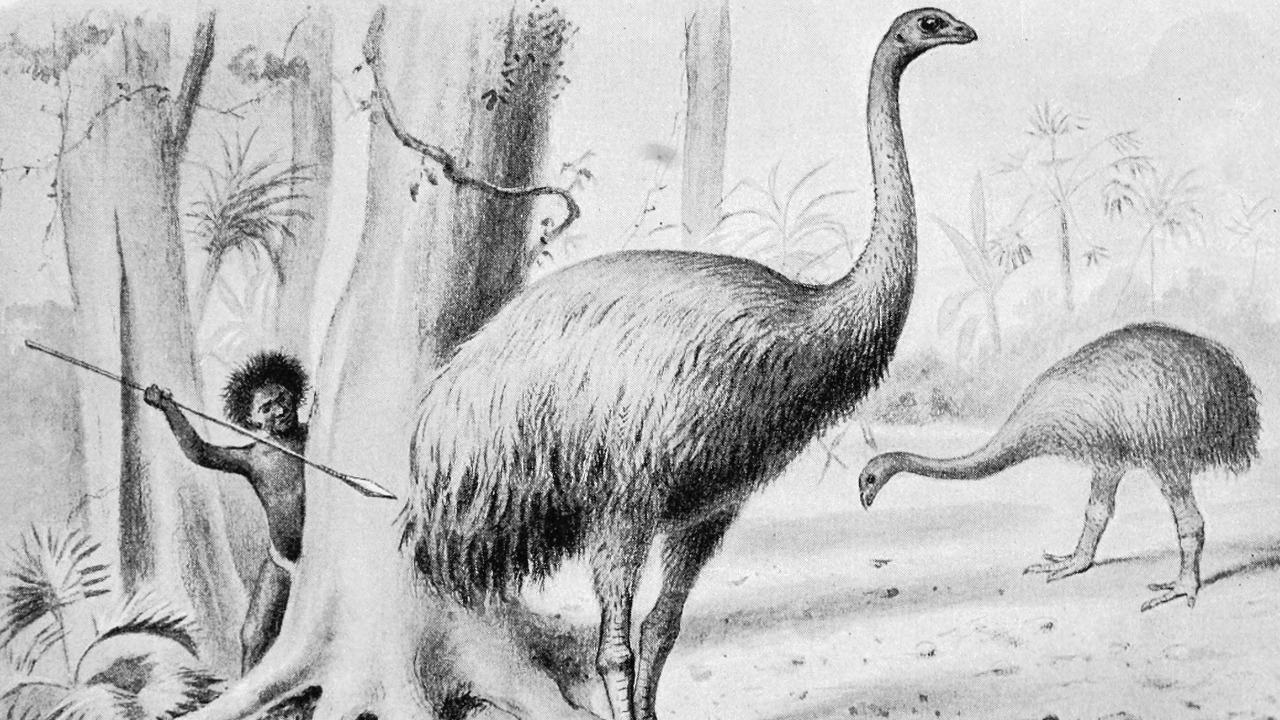
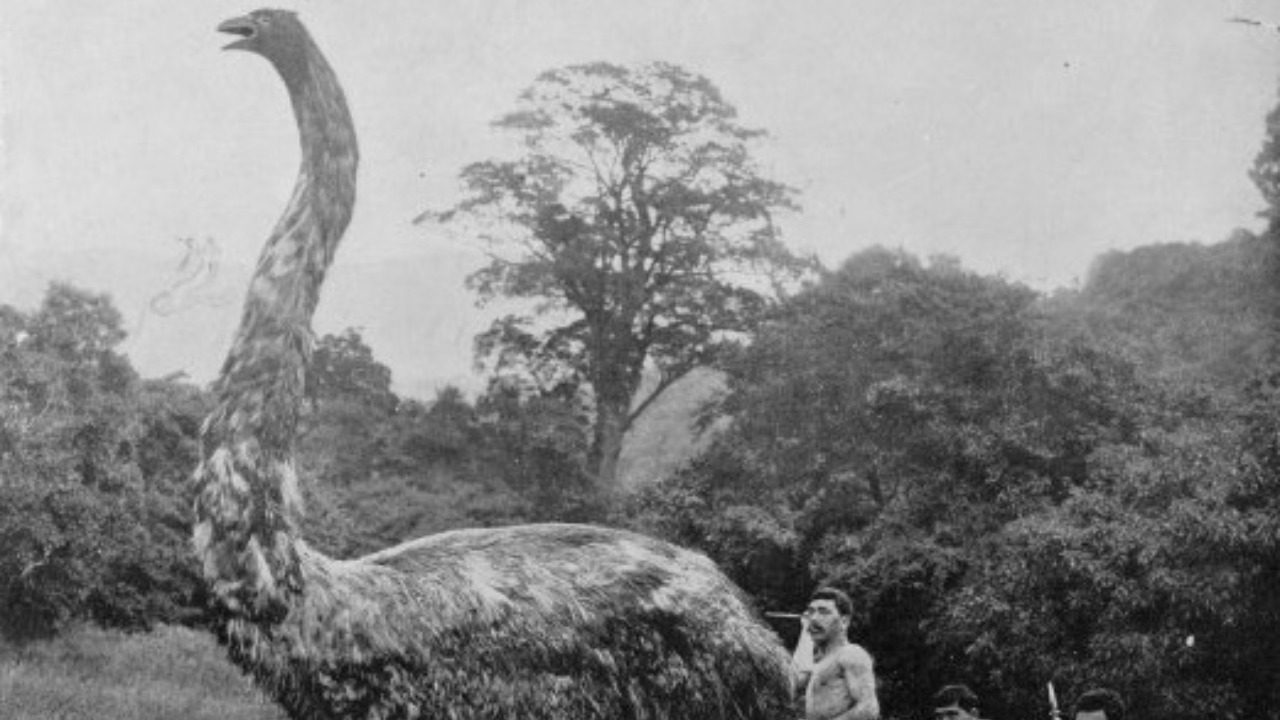
The Giant Moa once held a significant place in the ecological tapestry of New Zealand, playing a crucial role in its unique ecosystem. Revered by the indigenous Maori, these majestic birds were integral to both the natural and cultural landscapes. Their extinction, estimated to have occurred around the late 15th century, was largely due to human activities. Early Polynesian settlers, who arrived in New Zealand around 1250–1300 AD, hunted the Moa extensively, leading to their rapid decline. Additionally, habitat destruction from forest clearance further contributed to their demise.
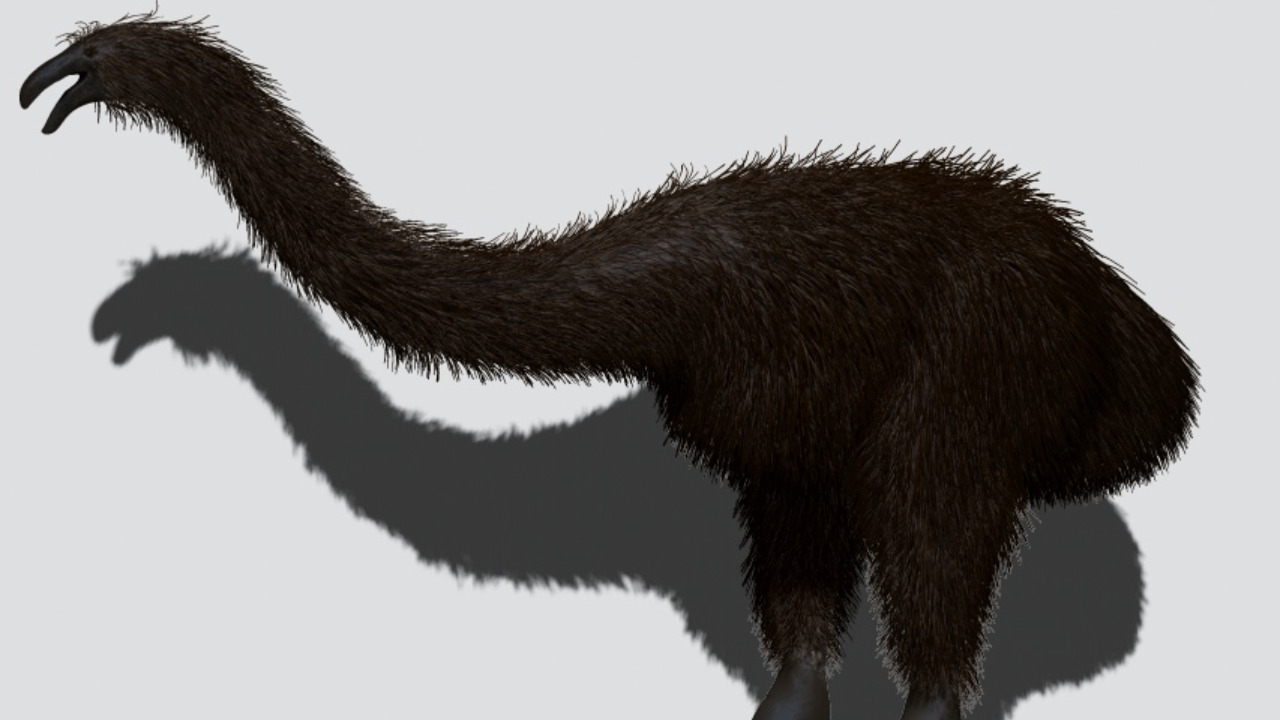
Physically, Giant Moas were extraordinary creatures. Standing up to 12 feet tall and weighing as much as 500 pounds, their sheer size made them one of the largest birds ever known. Unlike many other bird species, Moas were entirely flightless, relying on their formidable legs for mobility. Their unique skeletal structure and feather composition have intrigued scientists and fueled the desire to study them further. The prospect of seeing these colossal birds roam the Earth again is as fascinating as it is daunting.
The extinction of the Giant Moa serves as a poignant reminder of the impact humans can have on biodiversity. The combination of overhunting and environmental changes orchestrated by human settlement sealed their fate within a few centuries of human contact. Understanding the causes behind their extinction provides valuable insights into the challenges of reviving such a long-lost species.
Colossal Biosciences’ Vision
Colossal Biosciences has set its sights on the ambitious goal of de-extinction, a field that has captured the imagination of many. Known for its work on projects such as the woolly mammoth and the dire wolf, the company aims to leverage cutting-edge technology to bring back the Giant Moa. Their mission extends beyond merely resurrecting extinct species; it involves restoring lost ecosystems and enhancing biodiversity.
The technological innovations at Colossal are nothing short of revolutionary. The company employs advanced genetic engineering techniques, including CRISPR gene editing, to reassemble the genetic blueprint of extinct species. By extracting ancient DNA from fossilized remains and using related species as surrogates, scientists hope to recreate the Giant Moa. This meticulous process involves not only genetic manipulation but also the careful consideration of how these creatures will integrate into modern ecosystems.
Collaboration is key to the success of these endeavors. Colossal has partnered with a range of experts from academic institutions, conservation organizations, and technology firms to tackle the multifaceted challenges of de-extinction. These partnerships are crucial in pooling knowledge, resources, and expertise to navigate the complex scientific and ethical landscape surrounding the revival of the Giant Moa.
The Science of De-Extinction
At the heart of the de-extinction process lies the intricate science of genetic resurrection. To revive the Giant Moa, scientists must first extract viable DNA from ancient remains. Given the age and degradation of the genetic material, this step poses significant challenges. Once obtained, the DNA is sequenced and synthesized to form a complete genome, which is then used to create living cells.
However, the pursuit of de-extinction is not without its ethical dilemmas. A key debate centers on whether resurrecting extinct species could disrupt current ecosystems and lead to unforeseen consequences. Concerns about animal welfare and the moral implications of “playing God” with nature are also prevalent. Despite these challenges, proponents argue that de-extinction could offer valuable lessons in conservation biology and help restore ecological balance.
The journey to bring back the Giant Moa is fraught with scientific and logistical hurdles. From ensuring the accuracy of the recreated genome to finding suitable surrogate parents, each step requires careful planning and execution. The complexity of these challenges underscores the enormity of the task at hand and highlights the innovative spirit driving this pioneering field.
Ecological and Environmental Impact
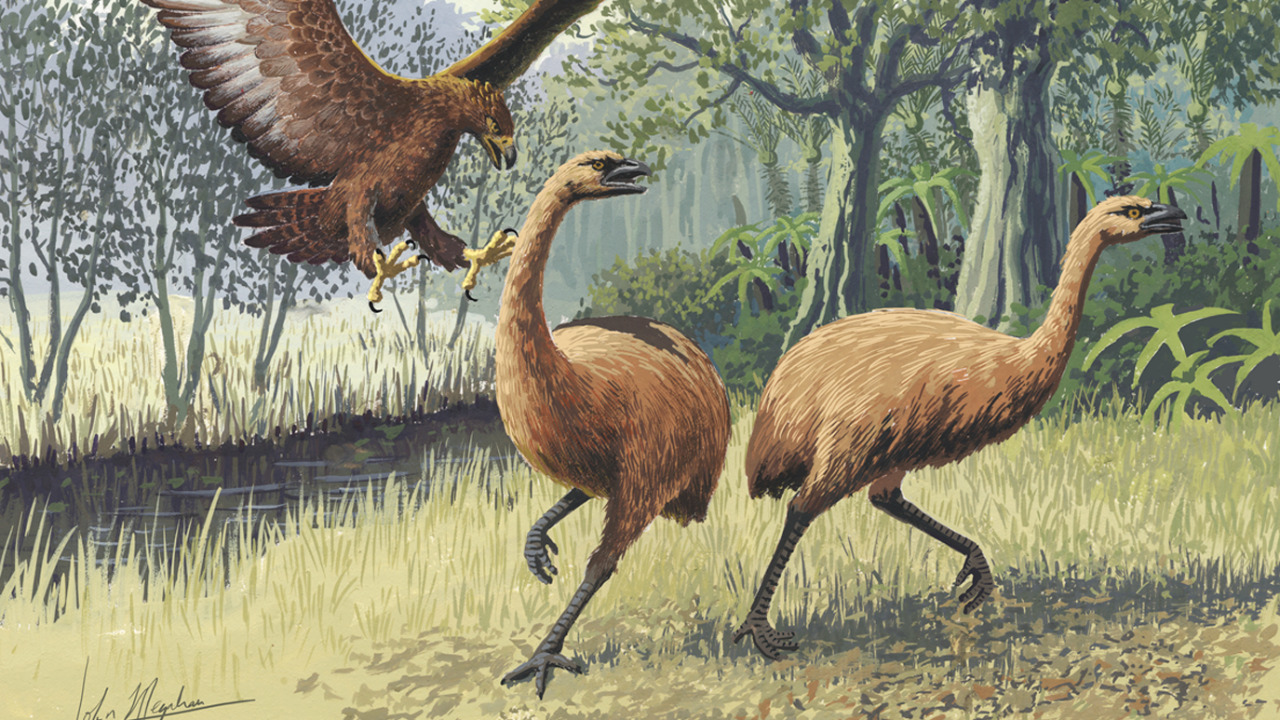
Reintroducing the Giant Moa to New Zealand’s ecosystem is a prospect that excites and concerns ecologists alike. The birds once played a crucial role in seed dispersal and vegetation management, and their return could help restore some of these ecological functions. However, the current landscape has evolved significantly since the Moa’s extinction, raising questions about how they would fit into today’s environment.
There are potential conservation benefits to de-extinction. By reviving a species like the Giant Moa, scientists hope to enhance biodiversity and strengthen ecosystems that have been altered by human activity. Such efforts could also serve as a catalyst for further conservation initiatives, drawing attention to the importance of preserving endangered species and their habitats.
Despite these potential benefits, the risks associated with reintroducing a species long absent from the ecosystem cannot be ignored. The Giant Moa’s presence could disrupt existing species and ecological networks, leading to unintended consequences. Careful planning and monitoring will be essential to mitigate these risks and ensure a harmonious integration.
Public Perception and Societal Implications
Public opinion on de-extinction is as diverse as the scientific community’s views. While some are thrilled at the prospect of seeing once-extinct creatures brought back to life, others express skepticism and concern over the ethical and ecological implications. The debate extends beyond science, touching on philosophical and moral questions about humanity’s role in shaping the natural world.
The Giant Moa holds significant cultural value for New Zealand, particularly among the Maori population. Its revival could offer a unique opportunity to reconnect with a lost part of their heritage and spark renewed interest in cultural conservation. However, it’s essential to approach this endeavor with sensitivity and respect for the indigenous communities involved.
Looking ahead, the success or failure of the Giant Moa project could set a precedent for future de-extinction initiatives. As technology continues to advance, the line between possibility and reality in synthetic biology blurs. Whether these efforts will lead to a new era of conservation or open a Pandora’s box of ethical dilemmas remains to be seen.
