The Panama Canal, a critical artery of global shipping, operates on a massive scale of freshwater consumption, with each vessel transit draining substantial volumes from nearby lakes and reservoirs. A recent study raises concerns that climate change, through heightened droughts and unpredictable rainfall patterns in Central America, could drastically curtail this water supply, potentially disrupting one of the world’s most crucial trade routes. This looming threat underscores the canal’s susceptibility to environmental shifts.
The Mechanics of Water Use in the Panama Canal
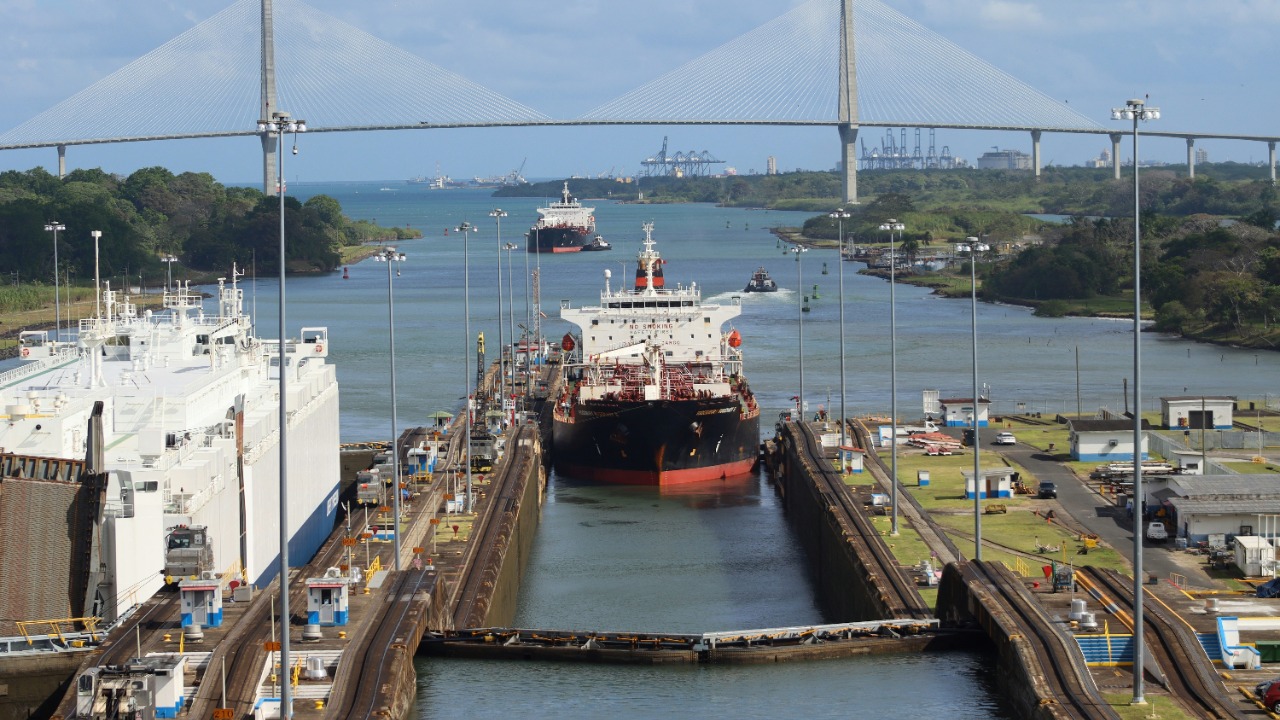
The Panama Canal’s lock system relies heavily on gravity-fed water from Gatun Lake to raise and lower ships. An astonishing 52 million gallons of water are used per transit, with no recycling process in place. This colossal water usage is replenished by rainfall, with the canal’s reservoirs heavily dependent on the Chagres River watershed to maintain operational levels. The canal’s water demands have increased over time, particularly with the addition of new locks in 2016, which escalated water requirements by approximately 10% per ship transit.
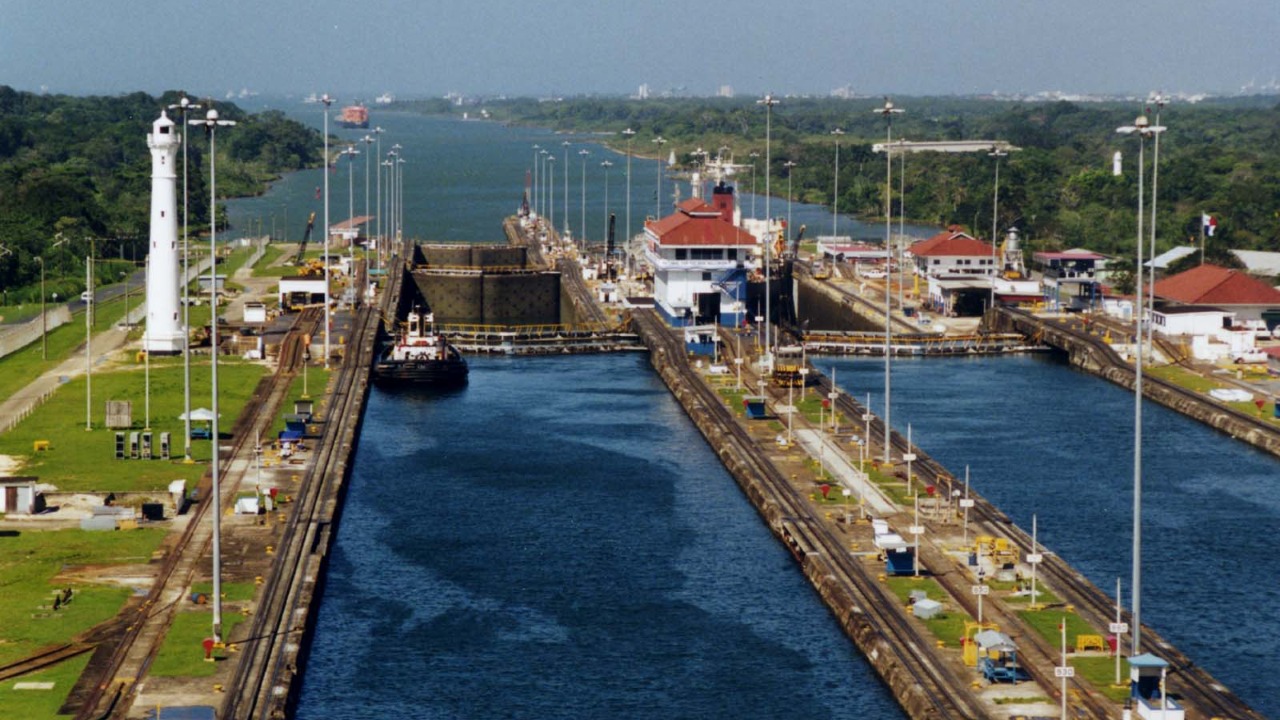
The lock system of the Panama Canal is a marvel of engineering, but it is also a massive consumer of water. Each lock chamber functions as a water elevator, lifting ships up to 85 feet above sea level and then lowering them back down. The process is entirely powered by gravity, with water flowing in and out of the locks from Gatun Lake. The lake, which was created specifically for the canal, is fed by the Chagres River and other smaller tributaries. This intricate system underscores the canal’s dependence on a stable and abundant water supply.
Quantifying the Canal’s Water Demands
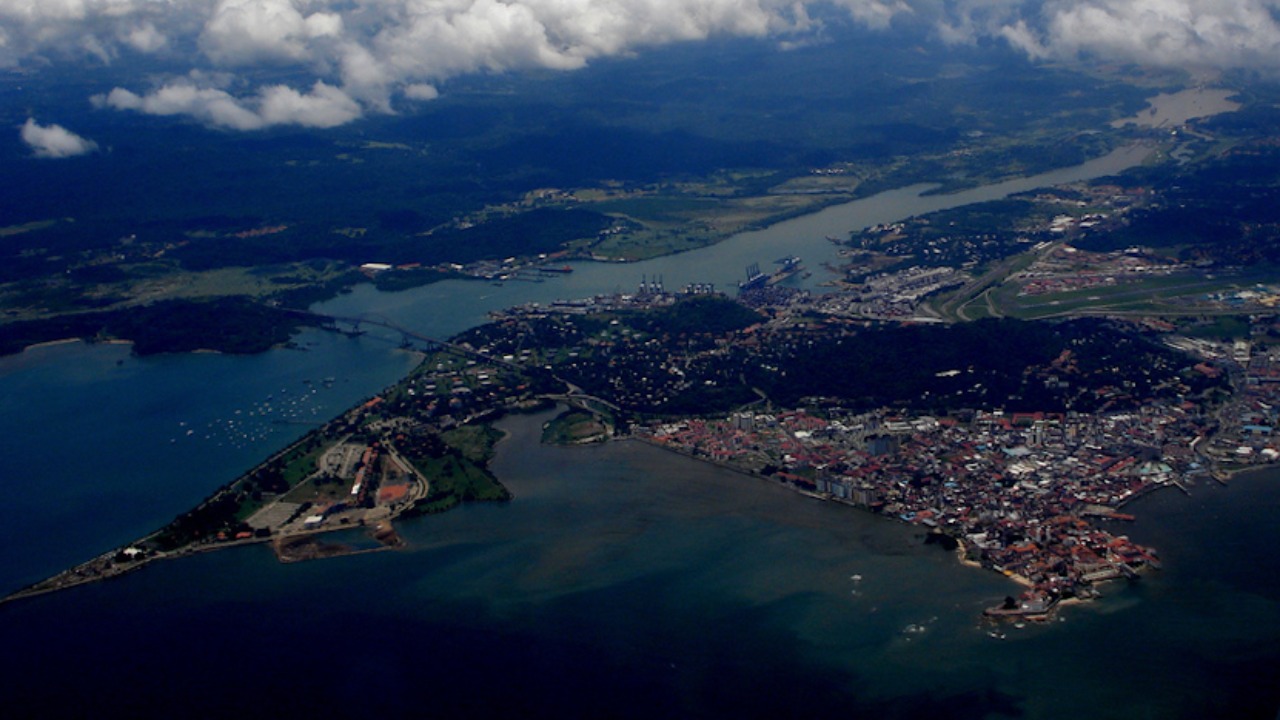
Annually, the Panama Canal uses over 100 billion gallons of water to facilitate around 14,000 ship transits. Breaking down the per-transit consumption, larger vessels, especially those accommodated after the 2016 expansion, require up to 101 million gallons each. Seasonal variations also play a significant role in the canal’s operations. During dry periods, traffic is reduced to conserve water, further emphasizing the canal’s reliance on a consistent water supply.
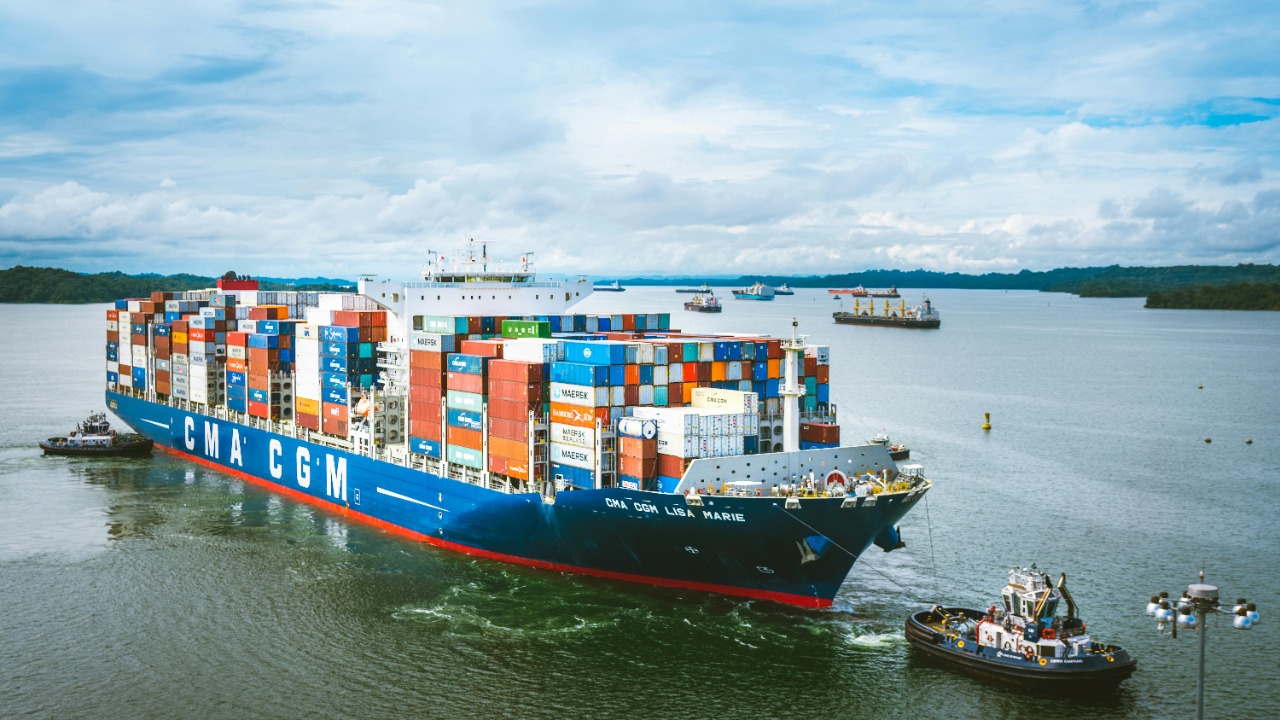
The canal’s water demands are not only dictated by the number of transits but also by the size of the vessels. The 2016 expansion, known as the Panama Canal Expansion Project, introduced a new set of locks that can accommodate larger ‘New Panamax’ ships. These ships, which are about 1.5 times the previous Panamax size, require more water for each transit. This has significantly increased the canal’s water consumption, adding to the strain on the region’s water resources. The canal’s water usage is also influenced by the season, with the dry season often necessitating water conservation measures such as transit restrictions.
Climate Change Patterns Affecting the Region
Rising temperatures and altered precipitation patterns in Panama are a growing concern. Projections indicate a 20-30% reduction in rainfall by mid-century, which could severely impact the canal’s operations. Intensified El Niño events are leading to prolonged droughts, with lake levels observed to drop below 80 feet in recent years. Deforestation and land-use changes are further exacerbating runoff issues in the canal’s watershed, adding another layer of environmental stress on the canal’s water supply.
Climate change is not only affecting rainfall patterns but also increasing temperatures in the region. Higher temperatures lead to increased evaporation rates from the canal’s reservoirs, further depleting water supplies. The effects of climate change are also being felt in the surrounding ecosystems. Deforestation and land-use changes in the Chagres River watershed are reducing the area’s capacity to retain water, leading to increased runoff and soil erosion. This not only threatens the canal’s water supply but also impacts the region’s biodiversity and the livelihoods of local communities.
Key Findings from the Recent Study

The recent study models water scarcity scenarios under the Intergovernmental Panel on Climate Change (IPCC) climate projections. It warns of potential 20% operational cuts by 2050 due to water shortages. The study also presents data on historical low-water events, such as the 2023 restrictions that halved daily transits. Researchers emphasize the canal’s “existential” risk from compounding climate stressors, highlighting the urgent need for adaptive measures.
The study’s findings underscore the urgency of addressing the canal’s water challenges. The projected 20% operational cuts by 2050 could have far-reaching impacts on global trade and the Panamanian economy. The study also highlights the vulnerability of the canal to extreme weather events. For instance, the 2023 restrictions were triggered by an unusually severe El Niño event, which led to a significant drop in lake levels. These findings underscore the need for robust, climate-resilient strategies to ensure the canal’s future functionality.
Economic and Global Trade Implications

The Panama Canal plays a significant role in global trade, facilitating 5% of the world’s total. Delays due to water shortages could potentially add $1 billion in annual shipping costs. Key commodities like grains and Liquified Natural Gas (LNG) could be severely impacted, as rerouting via the Suez or Cape of Good Hope increases fuel use by 40%. Such disruptions could have ripple effects on U.S. agriculture and Asian manufacturing supply chains, underscoring the global implications of the canal’s water challenges.
The canal’s role in global trade extends beyond the 5% of total trade it facilitates. It is a critical link in many supply chains, connecting producers and consumers across continents. For instance, the canal is a key route for U.S. grain exports to Asia. Any disruption in the canal’s operations could therefore have far-reaching impacts on global food security. Similarly, the canal is a major conduit for LNG shipments from the U.S. to Asia. Disruptions could lead to increased energy costs and contribute to global greenhouse gas emissions due to longer shipping routes.
Adaptation Measures and Policy Responses
Current strategies to address the water challenges include rainwater harvesting and lock efficiency upgrades implemented since 2020. However, more substantial measures may be needed. Proposals for desalination plants or trans-basin water transfers are being evaluated, though these come with hefty price tags estimated at $5-10 billion. International collaborations are also underway, with Panama partnering with the World Bank to develop climate-resilient infrastructure. These efforts highlight the global commitment to preserving the Panama Canal’s functionality amidst the growing threats of climate change.
Addressing the canal’s water challenges will require a combination of technological, policy, and behavioral changes. Technological solutions such as rainwater harvesting and lock efficiency upgrades can help reduce the canal’s water consumption. However, these measures alone may not be sufficient in the face of increasing water scarcity. Policy responses could include stricter regulations on land use and deforestation in the canal’s watershed. Behavioral changes, such as promoting water conservation among local communities, could also play a role. International collaborations, such as the partnership with the World Bank, will be crucial in mobilizing the resources and expertise needed to develop and implement these strategies.
While the challenges are significant, the canal’s importance to global trade and the Panamanian economy provides a strong incentive for action. With the right strategies and investments, it is possible to ensure the canal’s future functionality while also promoting sustainable water management in the region.
