Urban gully formation is a significant, yet often overlooked form of erosion that disrupts city structures and displaces thousands of people. This environmental issue is growing in prevalence and severity, necessitating a deeper understanding of its causes, impacts, and potential solutions.
Understanding Urban Gully Formation
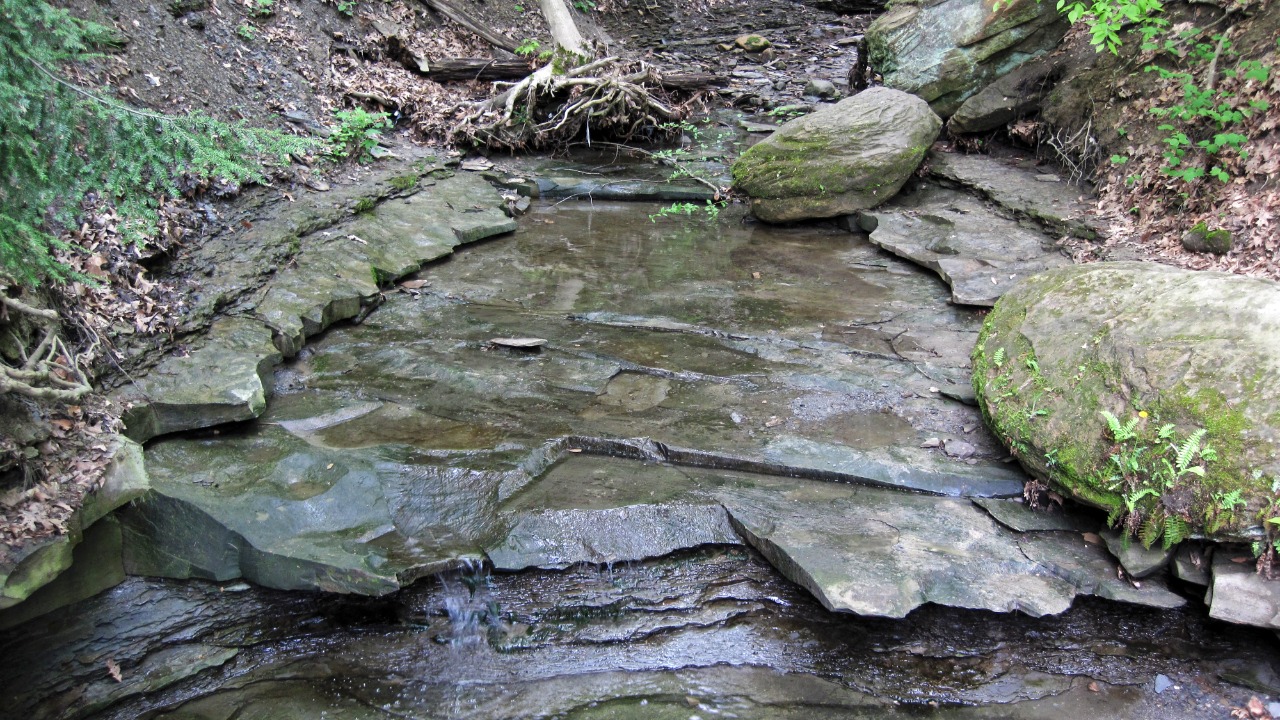
Urban gully formation refers to the process of eroding city landscapes, resulting in deep, wide channels that can severely damage infrastructure and displace communities. This form of erosion is typically fueled by a combination of natural and human-induced factors, such as heavy rainfall, improper waste disposal, and inadequate city planning. With urban populations growing rapidly, the acceleration of gully formation is a worrying trend with far-reaching consequences.
Environmental factors contributing to urban gully formation include soil type, vegetation cover, and climate. In particular, areas with sandy or loose soil, sparse vegetation, and heavy rainfall are especially susceptible to this type of erosion. The rapid urbanization in many parts of the world also contributes to the problem. Unplanned or poorly planned construction can disrupt natural water drainage patterns, leading to accelerated soil erosion and, ultimately, gully formation.
The Impact of Urban Gully Formation

The physical damage caused by gully formations is vast and varied. From infrastructure like roads and buildings to natural landscapes such as parks and green spaces, nothing is immune to the destructive power of urban gullies. In fact, several cities around the world are witnessing the devastating impacts of this form of erosion on their landscapes.
One of the most distressing aspects of urban gully formation is the demographic displacement it causes. Thousands of people lose their homes to these rapidly forming gullies, leading to forced relocation and the creation of refugee-like situations in some cities. Moreover, the economic cost of urban gully formation is staggering. Repair costs for damaged infrastructure, coupled with a significant loss of property value in affected areas, can put a severe strain on city budgets and economies. For a comprehensive analysis of these impacts, the book “Urban Geomorphology” provides valuable insights.
Case Study: Urban Gully Formation in Congo
The Democratic Republic of Congo has seen a dramatic rise in urban gully formation in recent years. The situation in Congo serves as a stark example of the severity of this issue, with massive gullies tearing through city landscapes, causing substantial property damage and displacing thousands of people.
Several factors contribute to the severe gully erosion in Congo’s urban areas. Rapid population growth and urbanization, combined with heavy rainfall and poor soil management practices, have created the perfect conditions for gully formation. Efforts to combat this problem have been implemented, but their effectiveness remains to be seen. The report “Underestimated threat: gully erosion puts millions of urban residents in Congo in danger” offers a detailed look at this crisis.
Addressing Urban Erosion: Preventative Measures

Preventing urban gully formation requires a multi-faceted approach. Strategies can include improved city planning, better waste management practices, soil conservation efforts, and the implementation of effective drainage systems. The success of these measures relies heavily on their proper execution and the cooperation of local communities.
Urban planning and design play a crucial role in preventing urban gully formation. By taking into account factors such as soil type, vegetation cover, and rainfall patterns, city planners can design urban landscapes that are less susceptible to erosion. Successful case studies, like the one presented in the study “The role of urbanization in the formation of gullies“, showcase the potential of well-executed preventative measures.
Future Perspectives: Urban Gully Formation and Climate Change
Climate change poses a significant threat to the issue of urban gully formation. Rising global temperatures can lead to increased rainfall in some areas, exacerbating the risk of erosion. Furthermore, the anticipated rise in sea levels could further destabilize urban landscapes, making them more prone to gully formation.
Adapting to the increased risk of urban erosion due to climate change will require innovative solutions and robust city planning. The integration of green infrastructure, such as rain gardens and permeable pavements, can help manage stormwater runoff and reduce the risk of erosion. Finally, investing in research to better understand the link between urban erosion and climate change is crucial.
