Chuck Yeager, a legendary test pilot renowned for being the first person to break the sound barrier, had a unique fondness for the F-104 Starfighter. While Yeager appreciated the aircraft’s groundbreaking capabilities, many others viewed it as a notoriously difficult and dangerous machine, cementing its controversial status in aviation history.
The Allure of the F-104 Starfighter
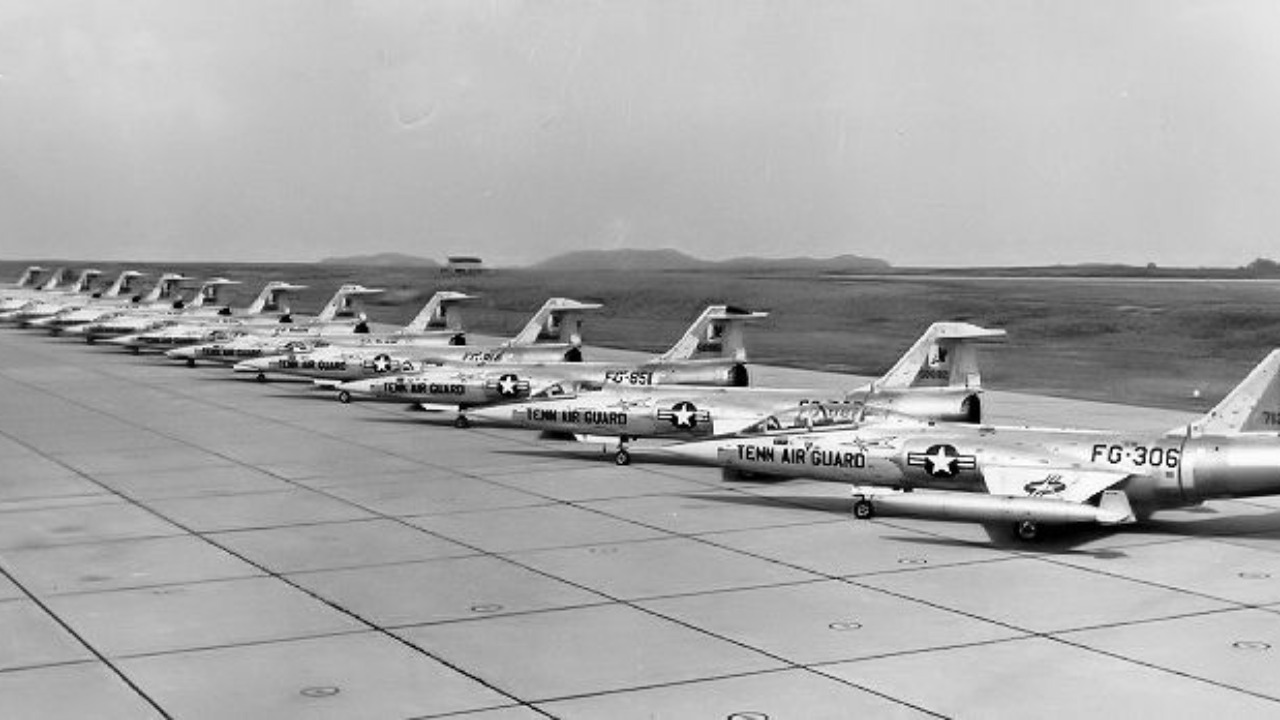
Chuck Yeager’s connection to the F-104 Starfighter was rooted in his extensive experiences as a test pilot. Known for pushing boundaries, Yeager was drawn to the aircraft’s cutting-edge design and performance capabilities. The F-104, with its sleek and futuristic look, was unlike anything else in the sky during its time. Yeager’s enthusiasm for the aircraft was evident as he often expressed admiration for its speed and agility, which he found exhilarating.
One of the most appealing aspects of the F-104 was its advanced technology. The Starfighter featured a powerful General Electric J79 engine, enabling it to achieve remarkable speeds and reach higher altitudes than many of its contemporaries. This made it an attractive option for pilots and engineers who were eager to explore new frontiers in aviation. The aircraft’s thin wings and streamlined body contributed to its capability to fly at supersonic speeds, a feat that was highly prized during the Cold War era.
The F-104’s performance capabilities were truly remarkable. With a top speed of over Mach 2 and a service ceiling exceeding 50,000 feet, it offered an unparalleled flying experience. Pilots who flew the Starfighter often described the thrill of its acceleration and the challenge of mastering its controls. For Yeager, flying the F-104 was not just about the speed; it was about the sense of freedom and accomplishment that came with piloting such an advanced machine.
Why Pilots and Engineers Criticized the Starfighter
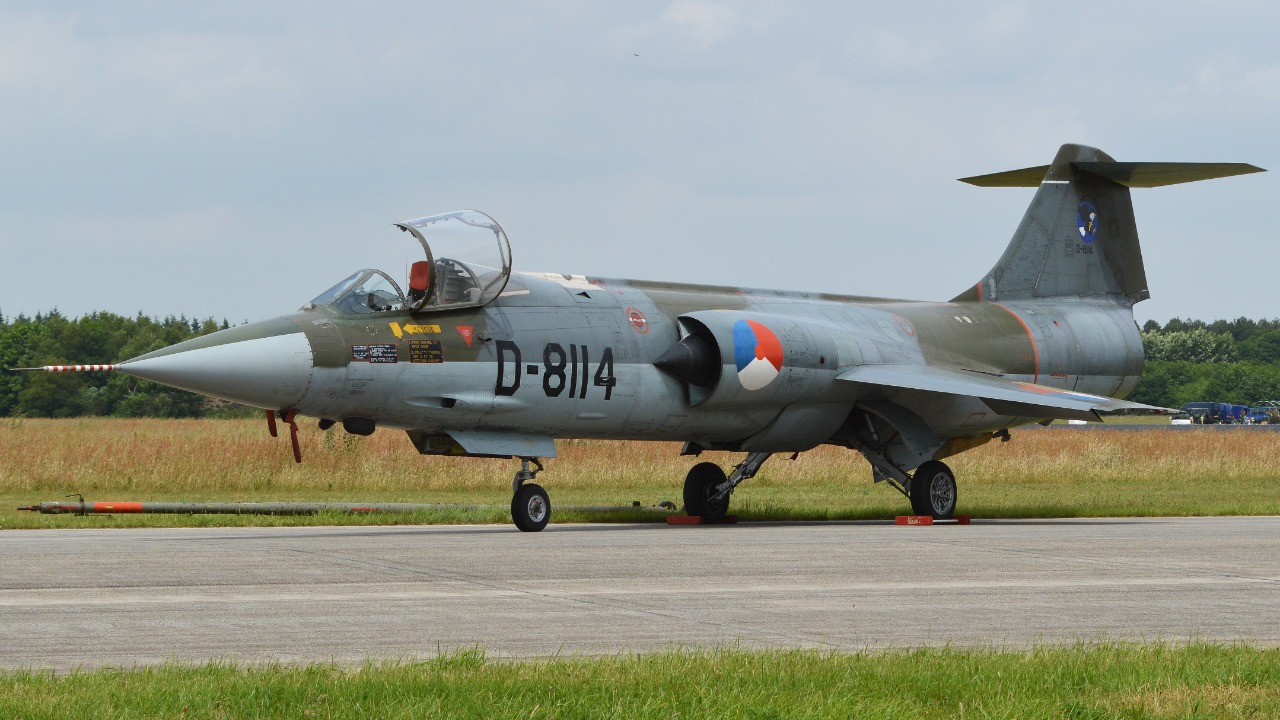
Despite the Starfighter’s impressive attributes, its safety record was a major point of contention. The aircraft gained a reputation as a “widowmaker” due to its high accident rate. Numerous pilots lost their lives while flying the F-104, and this notoriety overshadowed its technological achievements. Contributing factors included the aircraft’s high landing speed, which made it challenging to control during approach and landing. Additionally, its thin wings meant lower lift, making it less forgiving in certain flight conditions.
Design limitations further compounded the Starfighter’s challenges. While it excelled in speed and altitude, its maneuverability left much to be desired. The F-104 was not built for dogfights, and its design did not lend itself to the close-quarters aerial combat that many pilots found themselves engaged in. This misalignment between design and real-world use led to criticism from both aviation experts and pilots. As a result, many viewed the Starfighter as unsuitable for its intended operational roles.
The operational role of the F-104 also diverged from initial expectations. Originally envisioned as an interceptor, it was often deployed in roles that it was not ideally suited for, such as ground attack missions. The aircraft’s limitations became more apparent in these scenarios, leading to further criticism and a reassessment of its place in military aviation. Despite these challenges, some air forces continued to use the Starfighter, highlighting the dichotomy between its promise and its practical applications.
Chuck Yeager’s Legacy with the F-104
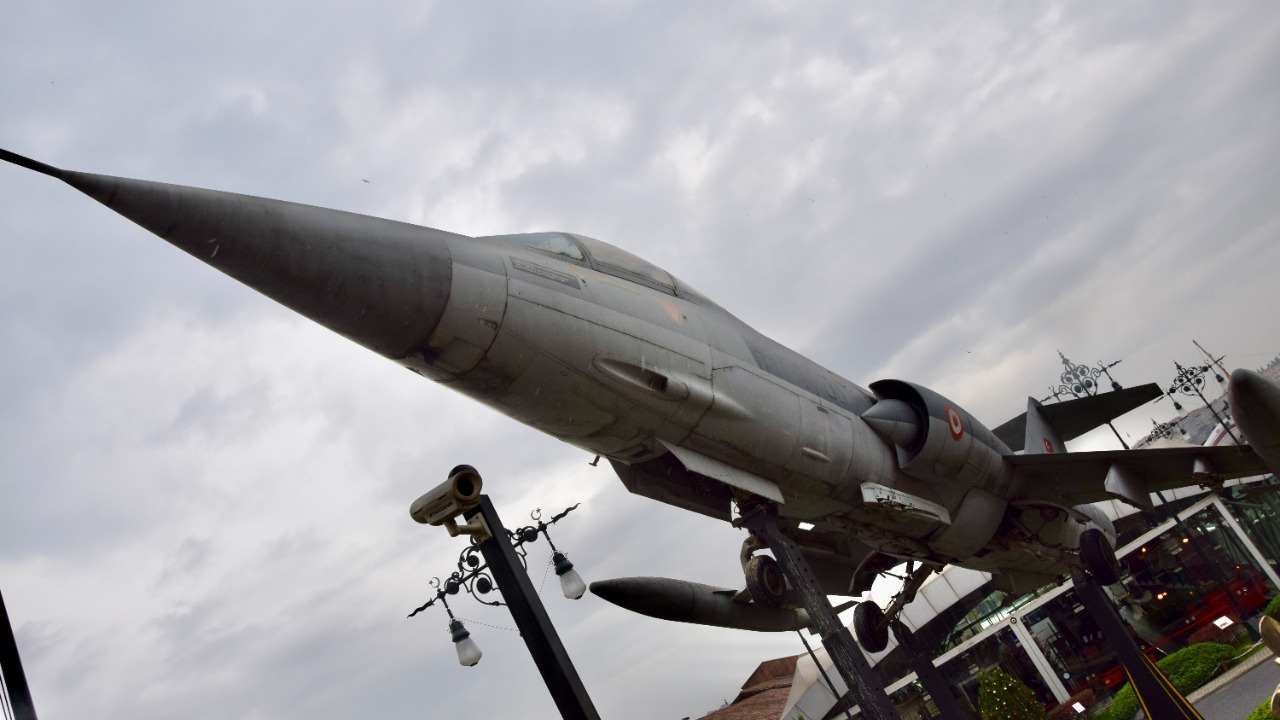
Chuck Yeager’s advocacy for the F-104 was unwavering. He publicly supported the aircraft, emphasizing its strengths and defending it against criticism. Yeager believed that the Starfighter’s capabilities were often misunderstood or underestimated by those who were not familiar with its intricacies. His defense of the aircraft was rooted in his deep understanding of its performance and his belief in its potential as a game-changer in aviation.
One of the most notable incidents involving Yeager and the F-104 was his ejection from the NF-104A during a test flight. This event highlighted the risks associated with flying such an advanced aircraft, yet it also underscored Yeager’s commitment to pushing the limits of aviation. Despite the crash, Yeager maintained his faith in the Starfighter, viewing the experience as a testament to the aircraft’s cutting-edge technology and the inherent challenges of test piloting.
Yeager’s experiences with the F-104 had a lasting impact on his career and legacy as a test pilot. His association with the aircraft became a defining aspect of his storied career, illustrating his willingness to embrace risk in the pursuit of progress. Yeager’s contributions to aviation history were enriched by his time with the F-104, as he helped to shape the narrative around this controversial aircraft through his advocacy and firsthand experiences.
The F-104’s Place in Aviation History
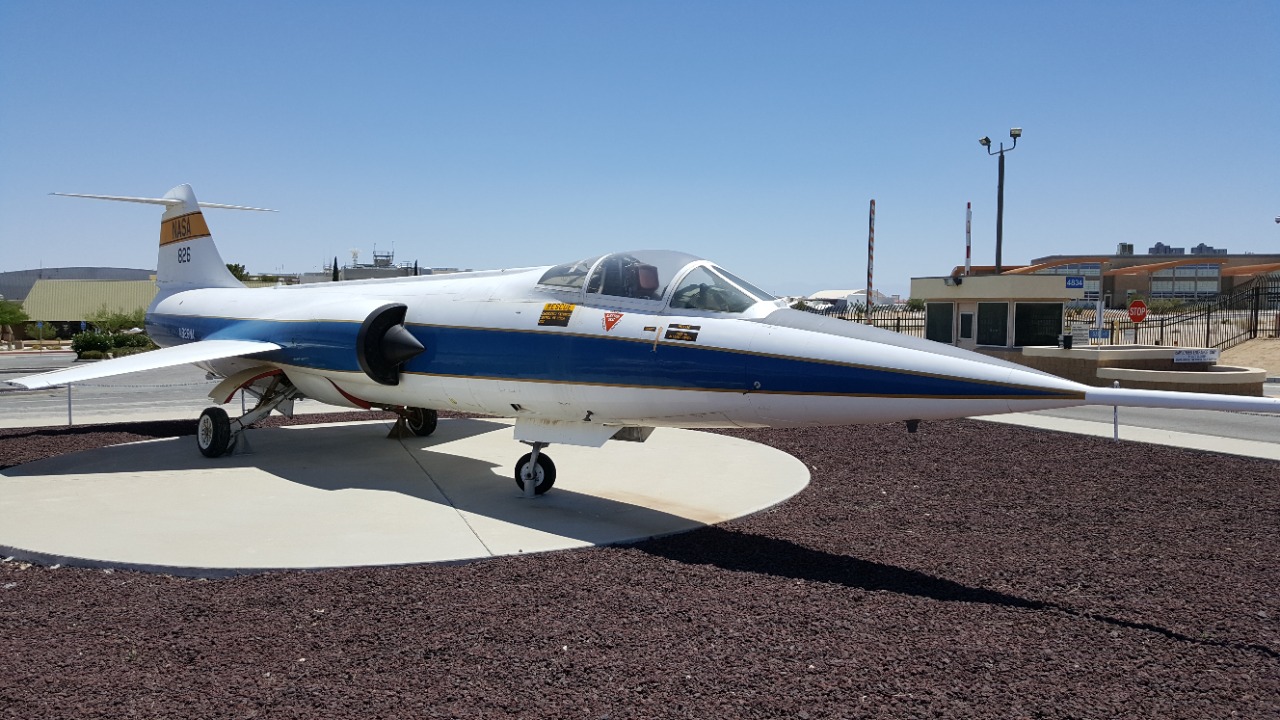
The F-104 Starfighter served in various air forces worldwide, with NATO countries being among its primary operators. Its deployment across different nations revealed diverse perceptions of the aircraft, as some air forces appreciated its speed and altitude capabilities, while others grappled with its safety concerns. The Starfighter’s international service record contributed to its complex legacy, as it was both praised and criticized in equal measure.
Despite its challenges, the F-104 brought about significant innovations and lessons that influenced later aircraft designs. The technological advancements incorporated into the Starfighter, such as its engine and aerodynamic design, paved the way for future developments in supersonic flight. Engineers and designers learned valuable lessons from the Starfighter’s operational history, which informed the creation of more advanced and versatile fighter jets.
Today, the F-104 is remembered as a symbol of both the triumphs and tribulations of mid-20th-century aviation. Its enduring legacy is reflected in its influence on modern fighter aircraft design, as well as the lessons it taught about balancing performance with safety. The Starfighter’s story is a testament to the complexities of innovation and the challenges that come with pushing the boundaries of technology.
Public Perception vs. Pilot Experience

Media portrayal played a significant role in shaping the F-104’s reputation. Sensational stories often highlighted its accidents and controversies, contributing to its negative image. This coverage sometimes overshadowed the positive experiences of pilots who appreciated the aircraft’s capabilities. As a result, public perception of the Starfighter was often at odds with the realities experienced by those who flew it.
Pilot testimonials offer a more nuanced perspective on the F-104. While some pilots echoed the concerns about its safety and design limitations, others praised its performance and the thrill of flying it. These varied experiences reflect the complex nature of the aircraft and the diverse opinions it inspired. For many pilots, the Starfighter represented both a challenge and an opportunity to test their skills and push the limits of aviation.
The Starfighter’s legacy is shaped by both its critics and advocates, like Yeager, who saw its potential and defended its contributions to aviation. Balancing admiration and criticism, the F-104 remains a subject of fascination and debate, illustrating the intricate relationship between technology, perception, and experience. As we reflect on its place in history, the Starfighter serves as a reminder of the ever-evolving nature of aviation and the ongoing quest for innovation.
