
Chrysler’s pioneering effort in automotive engineering led to the creation of the first production car with electronic fuel injection in America. This bold step not only marked a significant technological advancement but also placed the vehicle among the most unconventional American production cars of its time. Chrysler’s willingness to experiment with advanced systems during the mid-20th century showcased its innovative spirit as reported by HotCars.
Chrysler’s Entry into Fuel Injection Technology
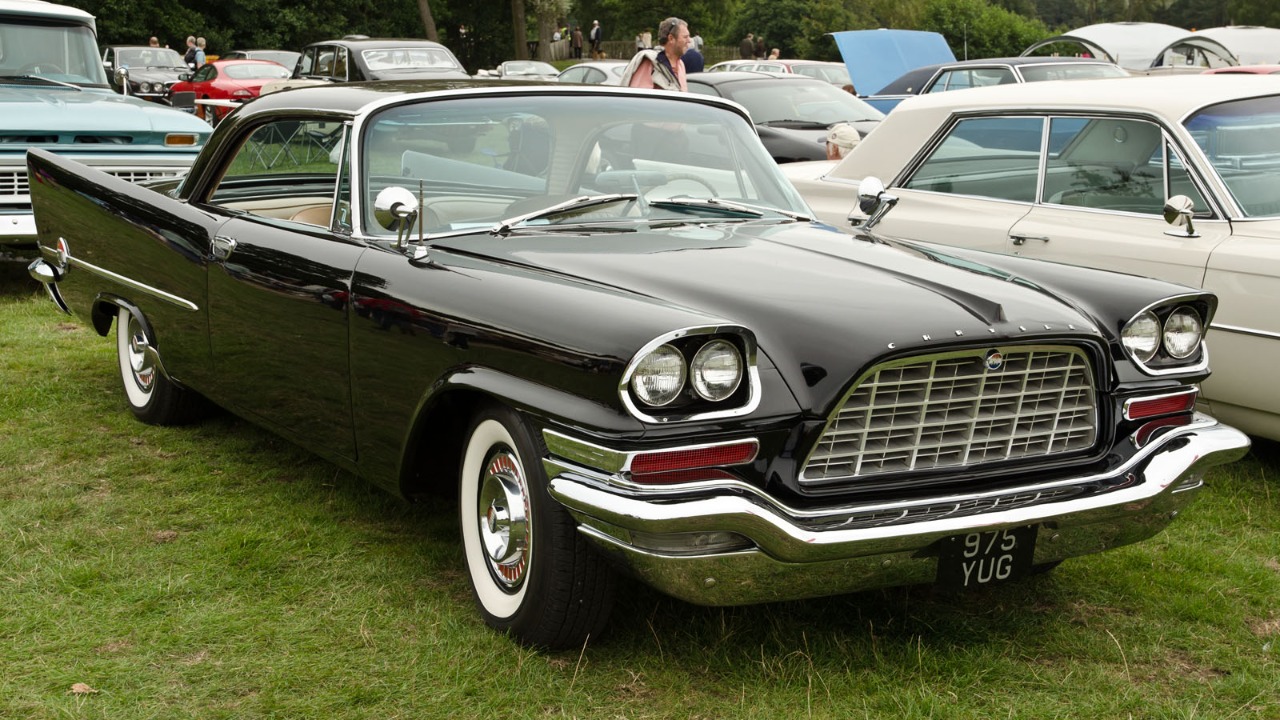
Chrysler’s foray into electronic fuel injection was driven by the need to compete with European manufacturers who had already embraced similar technologies. The company recognized the potential of electronic fuel injection to enhance engine performance and efficiency, setting the stage for a new era in automotive design. However, adapting electronic controls for reliable performance in a mass-produced American vehicle posed significant engineering challenges. Overcoming these hurdles positioned Chrysler as a leader in post-war automotive advancements, demonstrating its commitment to innovation according to HotCars.
The development of electronic fuel injection required Chrysler to address several technical obstacles, including the integration of electronic components into the existing vehicle architecture. This involved ensuring that the new system could withstand the rigors of everyday use while delivering consistent performance. By successfully navigating these challenges, Chrysler not only set a precedent for future developments but also reinforced its reputation as an industry innovator as noted by HotCars.
In the context of the 1950s and 1960s, the automotive industry was undergoing rapid technological changes. European manufacturers, particularly those in Germany and Italy, were already experimenting with fuel injection systems, which offered better fuel atomization and combustion efficiency. Chrysler’s decision to pursue electronic fuel injection was not only a response to these international trends but also a strategic move to position itself as a leader in automotive innovation. The company’s engineers had to develop new testing protocols and manufacturing processes to ensure the reliability and performance of these systems under diverse American driving conditions, which included everything from urban commuting to long-distance highway travel.
The Specific Model and Its Features
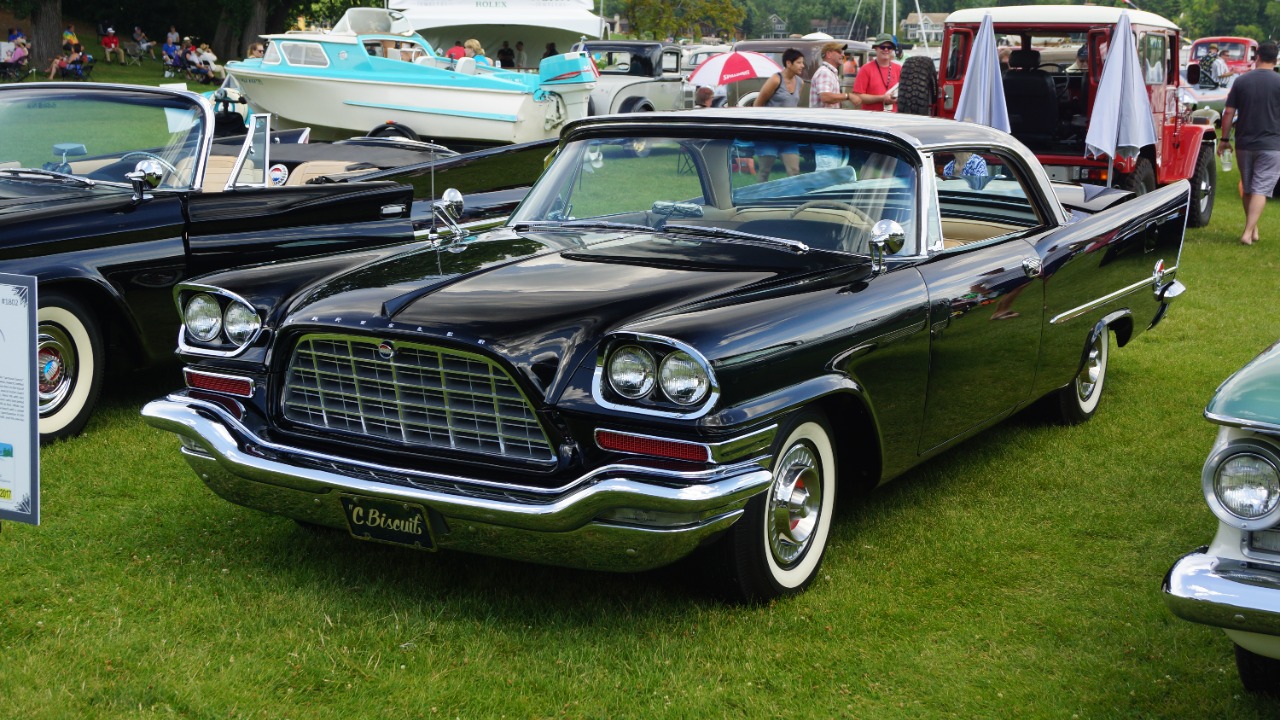
The debut model featuring Chrysler’s electronic fuel injection system was a testament to the company’s forward-thinking approach. This vehicle incorporated a design that seamlessly integrated the new technology, offering improved engine performance compared to its carbureted predecessors. The electronic fuel injection system provided enhanced throttle response and fuel efficiency, setting it apart from traditional models as detailed by HotCars.
Despite its innovative features, the model’s production was limited, reflecting the cautious market reception of such an unusual offering. The vehicle’s unique characteristics and advanced technology made it a standout in the automotive landscape, yet it also faced skepticism from consumers accustomed to more conventional designs. This initial reception highlighted the challenges of introducing groundbreaking technology to a market not yet ready for such advancements as reported by HotCars.
The specific model that featured Chrysler’s electronic fuel injection was the 1958 Chrysler 300D. This model was part of the company’s high-performance 300 letter series, known for their powerful engines and luxury features. The 300D’s electronic fuel injection system was designed to optimize the performance of its 392 cubic inch Hemi V8 engine, which was already a formidable powerplant. The integration of electronic fuel injection allowed for more precise control over fuel delivery, improving both power output and fuel economy. Despite these advancements, the system’s complexity and the high cost of production limited its widespread adoption, leading Chrysler to eventually revert to more conventional carburetion in subsequent models.
Technical Breakdown of Electronic Fuel Injection

The electronic fuel injection system developed by Chrysler consisted of several core components, including sensors, injectors, and control units that replaced traditional mechanical carburetors. These elements worked together to deliver precise fuel metering, resulting in improved fuel efficiency and performance under varying conditions. The system’s ability to adapt to different driving scenarios provided a significant advantage over carbureted engines as explained by HotCars.
While the system offered numerous benefits, it also presented reliability challenges that Chrysler had to address. The integration of electronic components into a mass-produced vehicle required careful consideration of durability and performance. Chrysler’s implementation of electronic fuel injection was noteworthy not only for its technological advancements but also for its role in paving the way for future innovations in engine management systems as highlighted by HotCars.
The sensors used in Chrysler’s electronic fuel injection system were critical for monitoring various engine parameters such as air intake, engine temperature, and throttle position. These sensors fed data to the control unit, which calculated the optimal fuel delivery for each cylinder. The injectors, in turn, delivered the precise amount of fuel needed for efficient combustion. This level of control was unprecedented at the time and represented a significant leap forward in engine technology. However, the early electronic components were sensitive to environmental factors such as heat and vibration, which posed challenges for long-term reliability. Chrysler’s engineers worked tirelessly to refine these components, setting the stage for more robust systems in the future.
Impact on the American Auto Industry
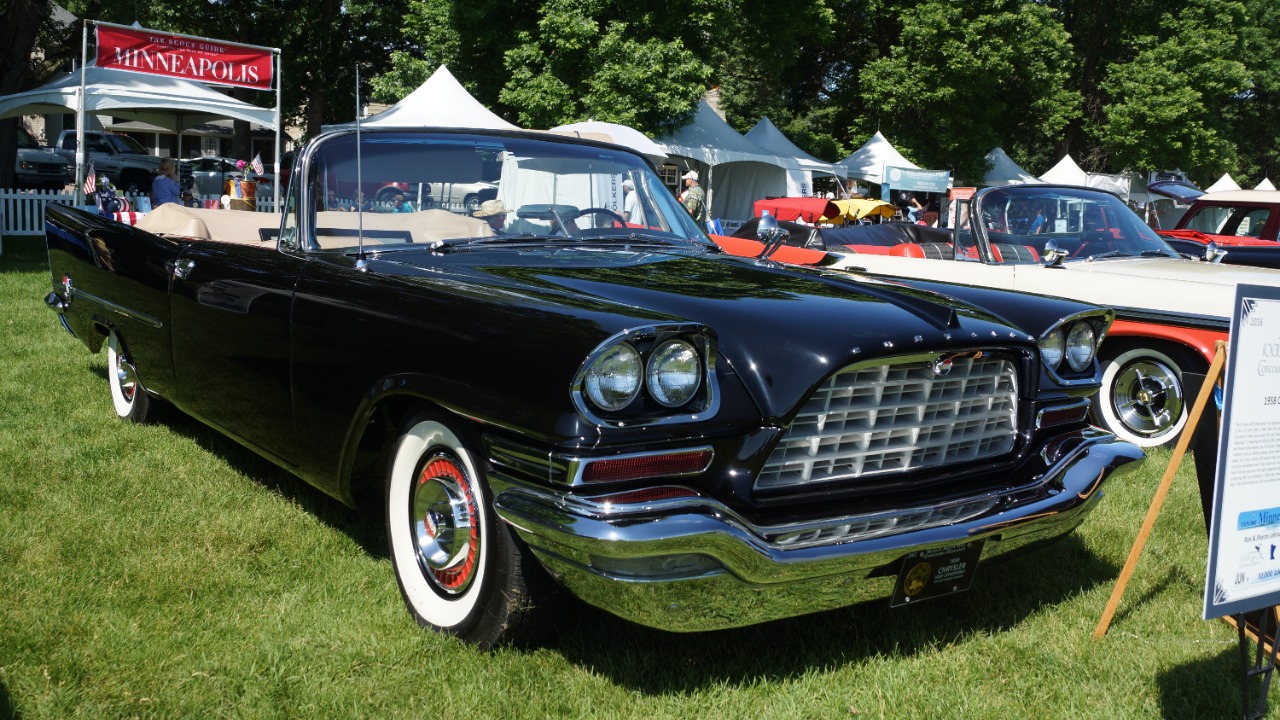
Chrysler’s introduction of electronic fuel injection had a lasting impact on the American auto industry, influencing other manufacturers to adopt similar technologies. This shift marked a significant step towards modern engine management systems, contributing to the development of more efficient and environmentally friendly vehicles. The adoption of electronic fuel injection also played a crucial role in meeting evolving emissions standards, underscoring its importance in the broader automotive landscape as noted by HotCars.
The cultural perception of Chrysler’s vehicle as a “weird” yet forward-thinking production car reflects the company’s willingness to push boundaries and explore new possibilities. This reputation for innovation has left a lasting legacy, inspiring future generations of automotive engineers to continue exploring advanced technologies. Chrysler’s pioneering efforts in electronic fuel injection remain a testament to the company’s commitment to progress and its influence on the evolution of the automotive industry as reported by HotCars.
The introduction of electronic fuel injection by Chrysler was a catalyst for change within the American auto industry. It demonstrated the potential for electronic systems to improve vehicle performance and efficiency, encouraging other manufacturers to invest in similar technologies. This shift was particularly important as the industry faced increasing pressure to reduce emissions and improve fuel economy in response to regulatory changes and the oil crises of the 1970s. Chrysler’s pioneering work laid the groundwork for the widespread adoption of electronic engine management systems, which are now standard in modern vehicles. The company’s efforts also highlighted the importance of innovation in maintaining competitiveness in a rapidly evolving market.
