Recent advancements in nanotechnology have enabled researchers at the University of Science and Technology of China to develop novel night vision contact lenses. These groundbreaking lenses can convert invisible infrared light into visible signals, allowing the human eye to perceive the surroundings even in complete darkness. This development has the potential to revolutionize the way we think about vision enhancement and its applications across various fields.
The Breakthrough in Night Vision Technology
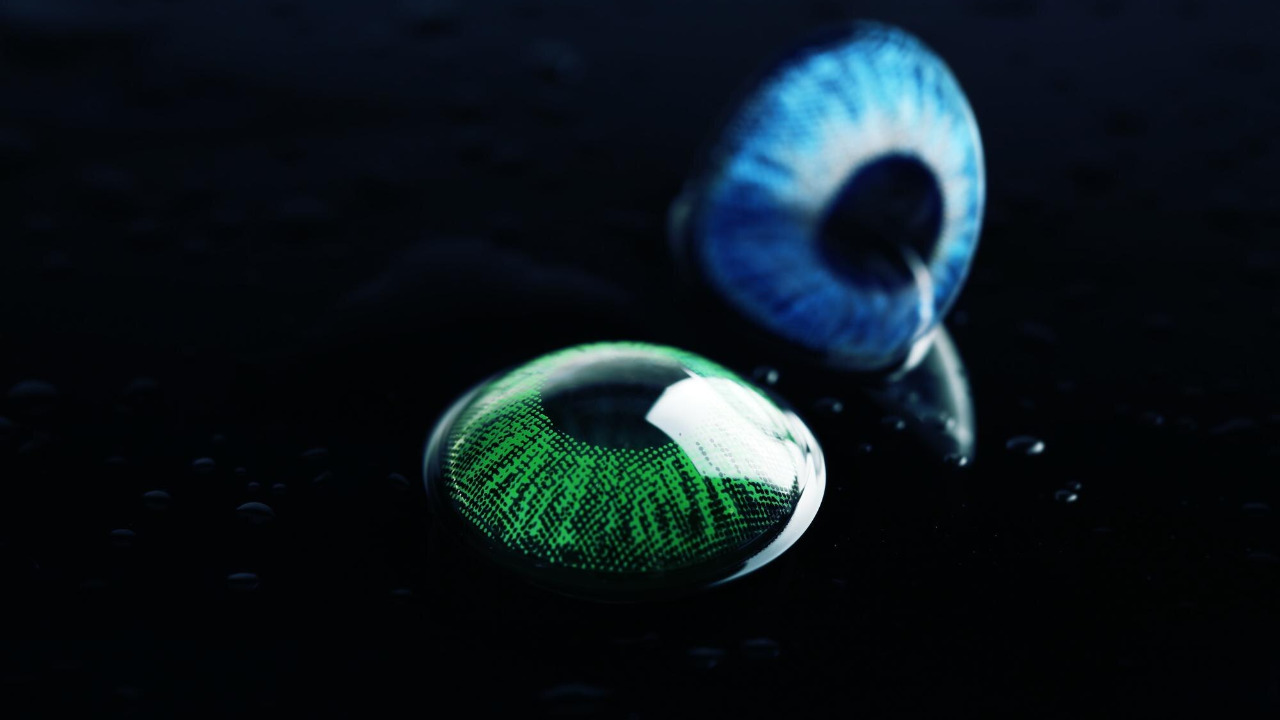
The research team at the University of Science and Technology of China is leading the way in vision technology. Key figures in this research include Dr. Mei Zhang and Professor Lin Wei, both of whom have extensive backgrounds in optical engineering and nanotechnology. Their work on night vision contact lenses represents a significant step forward in their ongoing efforts to enhance human vision. The primary objective of this project is to create a seamless, lightweight alternative to traditional night vision devices, which are often bulky and cumbersome.
Infrared light, which is beyond the visible spectrum for humans, has long posed a challenge for vision enhancement technology. Typically, this light is invisible to the naked eye, necessitating the use of electronic devices to convert it into visible signals. The team has developed a unique approach to this problem, integrating advanced materials that allow the lenses to directly convert infrared light into visible light. This innovation not only broadens the scope of visible light but also enhances the clarity and resolution of the perceived image.
How Night Vision Contact Lenses Work

At the core of these contact lenses is cutting-edge nanotechnology, which plays an important role in their functionality. The lenses are fabricated using a combination of graphene and other nanomaterials that are known for their optical and electrical properties. This combination allows the lenses to be both lightweight and durable while maintaining high performance and the incorporation of nanotechnology ensures that the lenses can withstand various environmental conditions, making them suitable for a wide range of applications.
The process of converting infrared light to visible light involves several steps. Initially, the lenses detect infrared light through specially designed sensors embedded within the lens material. These sensors then convert the infrared light into electrical signals, which are subsequently transformed into visible light that the human eye can perceive. This seamless conversion process distinguishes these lenses from traditional night vision goggles, which often require external power sources and complex optics to achieve similar results. For a deeper understanding of the science behind this conversion, consider exploring articles such as this detailed study.
Potential Applications and Benefits

The development of night vision contact lenses opens up a myriad of applications, particularly in military and law enforcement sectors. Unlike conventional night vision goggles, these lenses offer a hands-free, unobtrusive alternative that can significantly enhance operational efficiency and safety. Personnel equipped with these lenses can maneuver in low-light conditions without the hindrances associated with traditional equipment. This capability can prove invaluable in tactical environments where stealth and quick response times are essential.
Beyond military applications, there are numerous civilian and commercial uses for this technology. Potential uses range from enhancing security systems to providing improved vision for outdoor enthusiasts such as hikers and campers. Moreover, these lenses could offer significant benefits to individuals with vision impairments, particularly those who struggle with low-light conditions. The integration of this technology in everyday life could redefine our understanding of visual perception and capability. For additional insights, you can read more about the implications of such technologies in this article.
Challenges and Future Prospects

Despite the promising potential of night vision contact lenses, there are several technical and ethical challenges that need to be addressed before widespread adoption can occur. Privacy concerns are paramount, as the ability to see in the dark could lead to potential misuse. There is also the issue of ensuring that these lenses are affordable and accessible to a broad audience, which requires overcoming significant manufacturing and distribution hurdles.
Looking to the future, the field of vision enhancement technologies is ripe for further innovation. Researchers are already exploring ways to integrate these lenses with other emerging technologies, such as augmented reality (AR) and virtual reality (VR). This integration could pave the way for multifaceted applications that extend beyond simple night vision, offering users a fully enhanced sensory experience. For those interested in the trajectory of these technologies, articles like this one provide valuable foresight into potential developments.
Implications for the Future of Human Vision

The advent of night vision contact lenses could fundamentally alter human capabilities, expanding the boundaries of what we can naturally perceive. This shift in perception has far-reaching implications, not only for individual performance but also for societal norms and philosophical considerations regarding human enhancement. As these lenses become more integrated into daily life, they may challenge our notions of what it means to see and experience the world around us.
By merging these lenses with other technological advancements, such as AR and VR, we stand on the brink of a new era in sensory augmentation. This convergence of technologies holds the promise of creating immersive environments where the distinction between the real and virtual becomes increasingly blurred. As researchers continue to push the boundaries of what’s possible, the future of augmented human senses remains a captivating and evolving frontier. To explore these possibilities further, this article offers a glimpse into what might lie ahead.
