Chinese scientists have recently voiced concerns that the United States’ secretive shuttle-like craft, the X-37B, could potentially be weaponized and used as a ‘space killer’. This report delves into the background of the X-37B, the concerns raised by Chinese researchers, and the potential ramifications for international space relations.
Deep Dive into the X-37B Craft
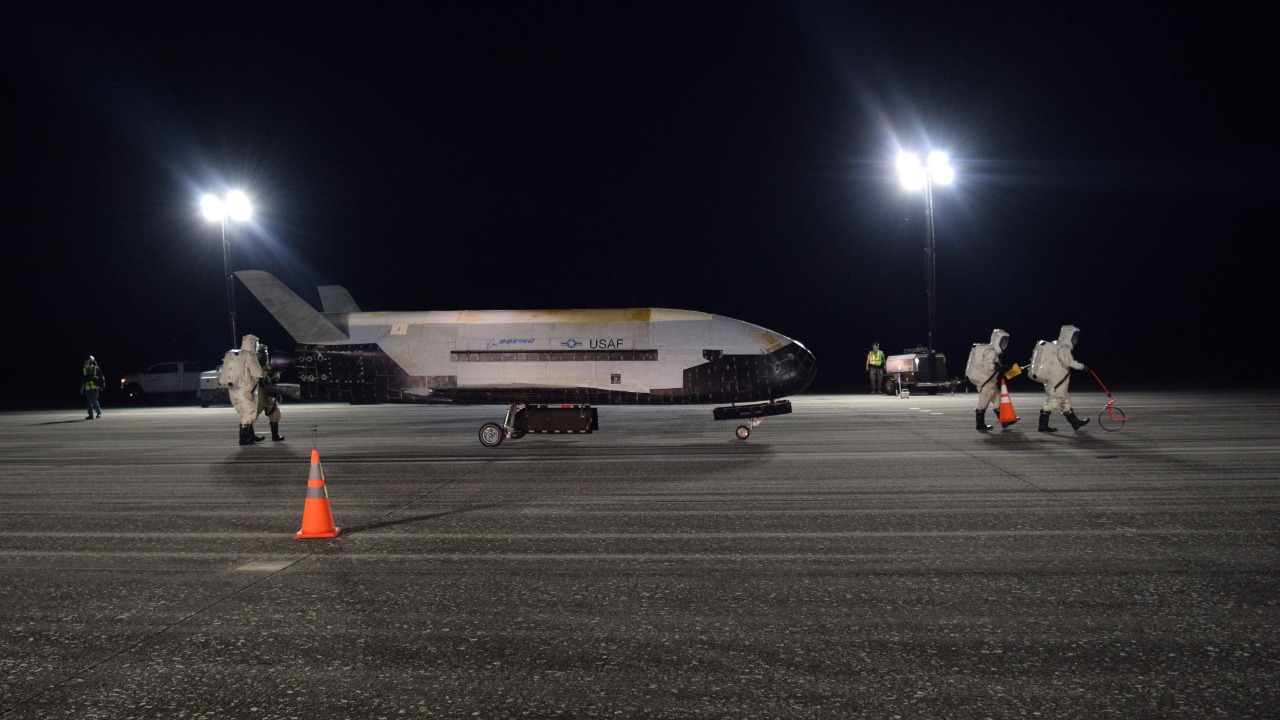
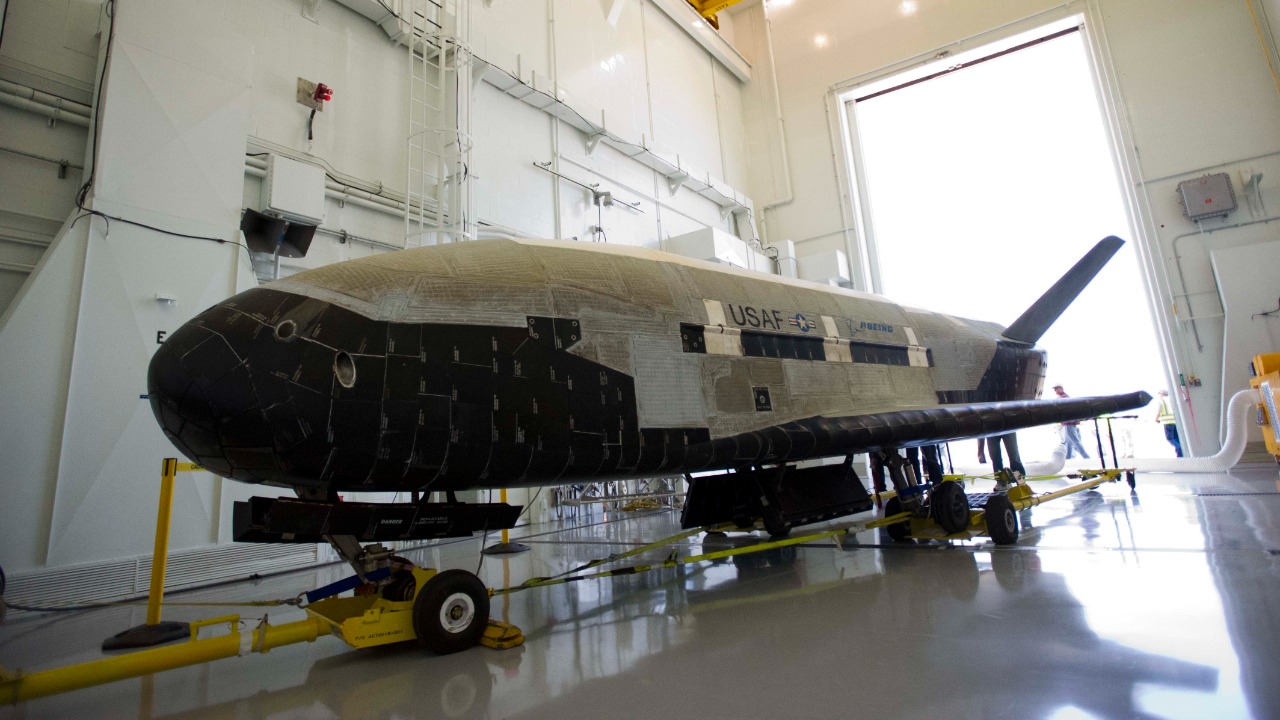
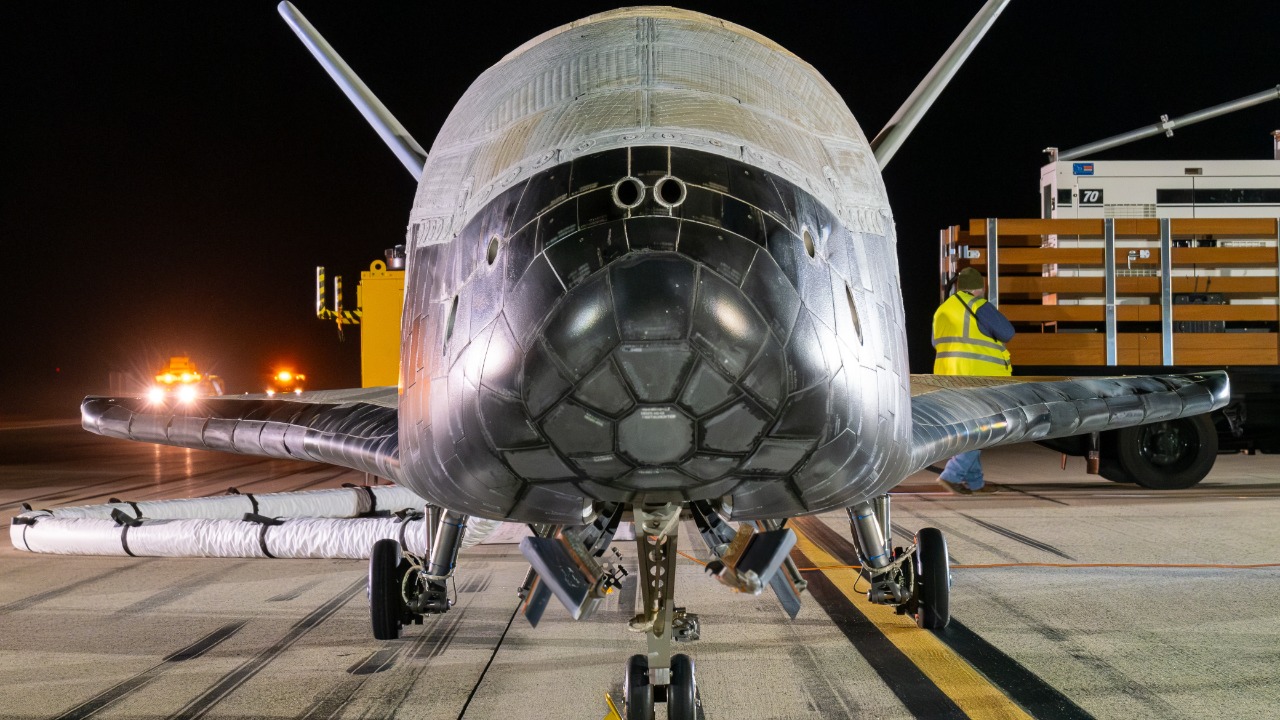
The X-37B is an unmanned, reusable spacecraft developed by the U.S. Air Force. Its design is reminiscent of NASA’s space shuttle but significantly smaller, measuring only about 29 feet long. The craft’s primary function remains a tightly kept secret, fueling speculation and concern among global observers.
Over the years, the X-37B has undertaken multiple missions, each lasting several hundred days. These missions, shrouded in secrecy, have involved a range of experiments and tests. Although the exact nature of these operations remains classified, it is known that the craft is capable of changing its orbit, a characteristic that has raised eyebrows among scientists and strategists worldwide.
Chinese Perspective: Fears and Concerns
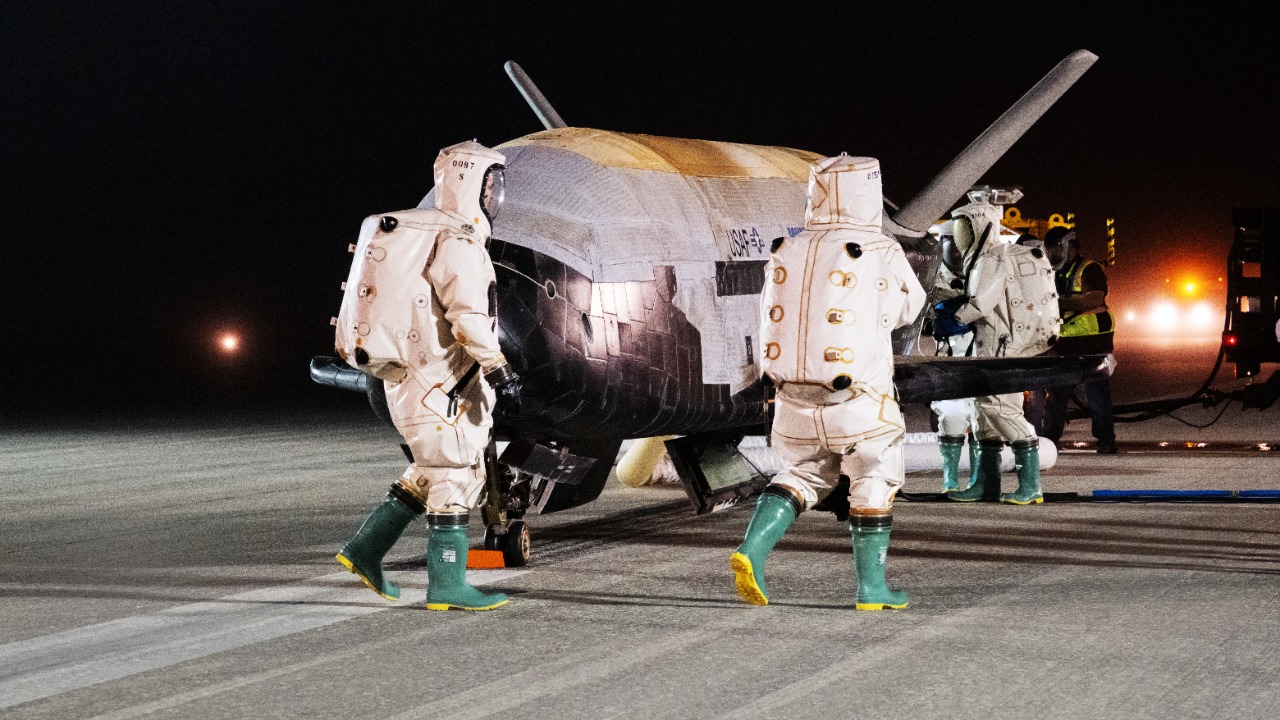
Chinese scientists have expressed fears that the X-37B could be weaponized. Their primary concern is that the craft’s ability to change its orbit could enable it to target and potentially destroy other satellites. Such a capability would pose a direct threat to China’s growing space assets and its strategic interests in outer space.
These fears are not unfounded. In a post by Barry Foster on LinkedIn, he discusses that the overall Chinese stance on US space activities has been one of concern and caution. Furthermore, the secrecy surrounding the X-37B and its missions has only served to exacerbate these fears.
The Role of International Space Laws
As it stands, the international space laws are somewhat outdated and ambiguous. The Outer Space Treaty of 1967, which is the primary legal framework governing space activities, prohibits the placement of weapons of mass destruction in outer space but does not explicitly ban other types of weapons.
The X-37B’s potential as a ‘space killer’ raises pertinent questions about the existing legal framework. There is an urgent need for the international community to revisit and update these laws to regulate new technologies and actions in space effectively. As it stands, the X-37B operates in a gray area of international law, which could lead to contention and conflict in the future.
Potential Implications for US-China Space Relations
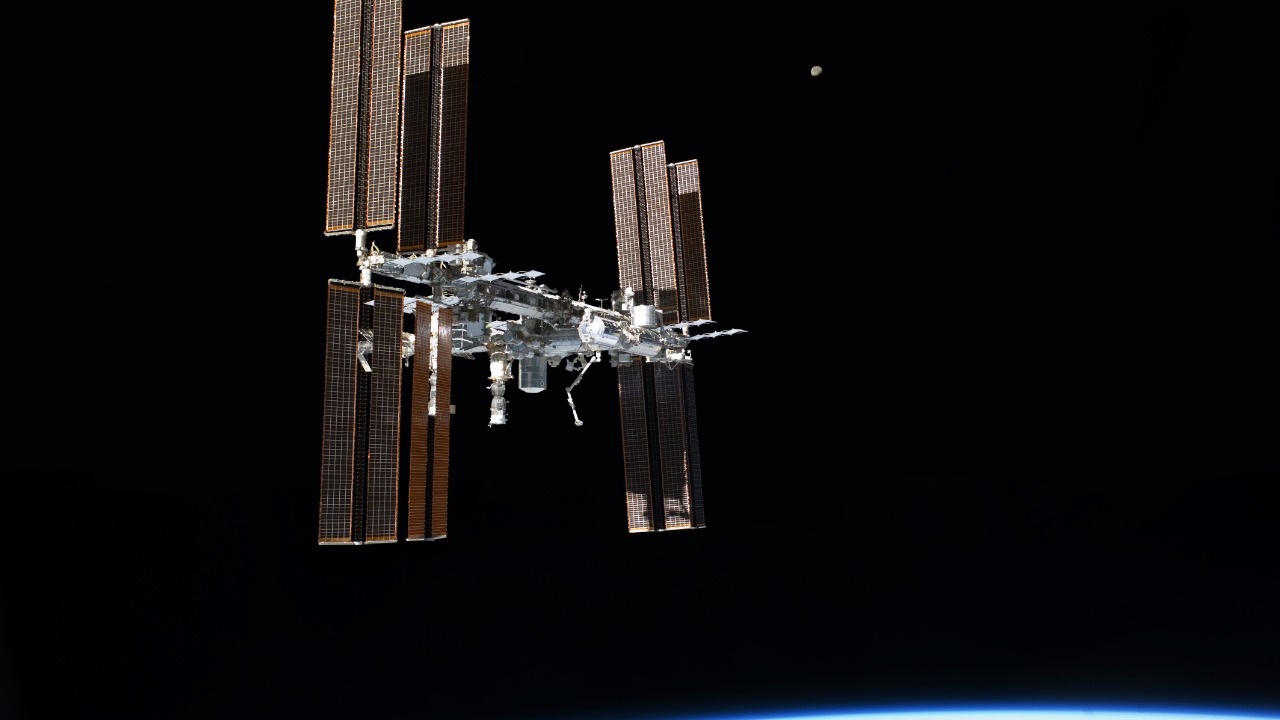
The X-37B and similar projects could significantly impact US-China space relations. On the one hand, it could lead to increased tension and even trigger a space arms race. On the other hand, the shared challenges and mutual interests in space could foster cooperation and dialogue between the two nations.
As Prabhat Ranjan Mishra, a space expert, puts it, diplomacy and negotiation will play a crucial role in shaping the future of US-China space relations. The emerging space powers must engage in constructive dialogue to address their concerns and foster a peaceful and cooperative space environment.
Global Impact and Future Outlook
The X-37B project and similar initiatives have significant global implications. The potential for an escalation into a ‘space arms race’ is a real and worrying possibility. Such a scenario could destabilize international security and disrupt the peaceful use of outer space.
The future of space exploration will depend on international cooperation and transparency. As interestingengineering.com reports, the global community must work together to ensure that space remains a realm of peace and cooperation, not conflict. This will require substantial effort, mutual trust, and a commitment to the common good.
