
China’s space agency has recently conducted tests of quadruped robots, known as “robotic dogs,” in a simulated lunar environment to enhance autonomous exploration capabilities for future moon missions. These trials, carried out in October 2025, focused on navigation over rugged, low-gravity-like terrain, demonstrating real-time data collection and obstacle avoidance in conditions replicating the moon’s surface. The units, developed by the China Academy of Space Technology, represent a significant step forward in China’s space exploration efforts (Daily Galaxy).
Background on China’s Lunar Ambitions
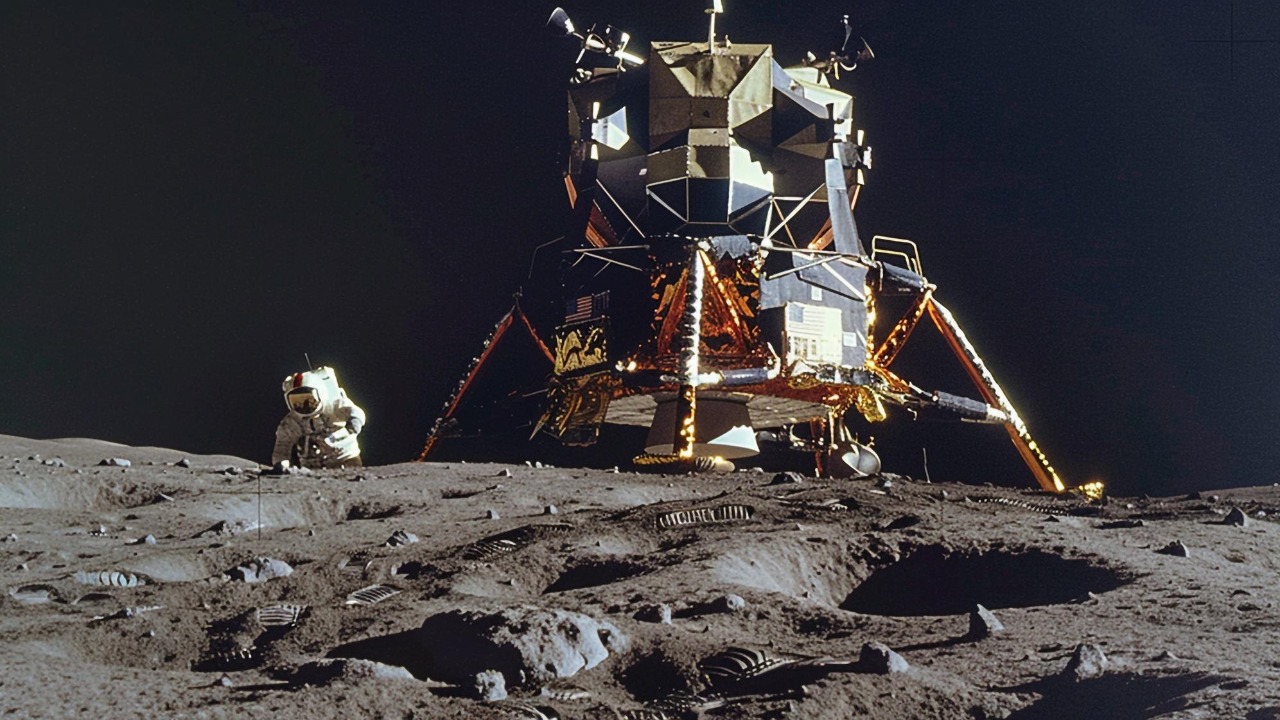
China’s ambitious lunar exploration program, known as the Chang’e program, has long incorporated robotic systems as a cornerstone of its strategy. The recent tests of robotic dogs align with China’s plans for a crewed lunar landing by 2030 and the establishment of an International Lunar Research Station. These efforts are part of a broader vision to enhance China’s presence in space and to develop technologies that can support human exploration and habitation on the moon (Daily Galaxy).
Previous successes, such as the Yutu rover’s achievements on the moon, have paved the way for more advanced robotic explorers. The introduction of robotic dogs marks an evolution toward more agile, multi-legged systems capable of traversing the moon’s challenging terrain. These developments underscore China’s commitment to reducing risks for human astronauts by thoroughly testing technologies in Earth-based analogs that mimic the harsh conditions of extraterrestrial environments (Chosun).
The Robotic Dogs: Design and Features
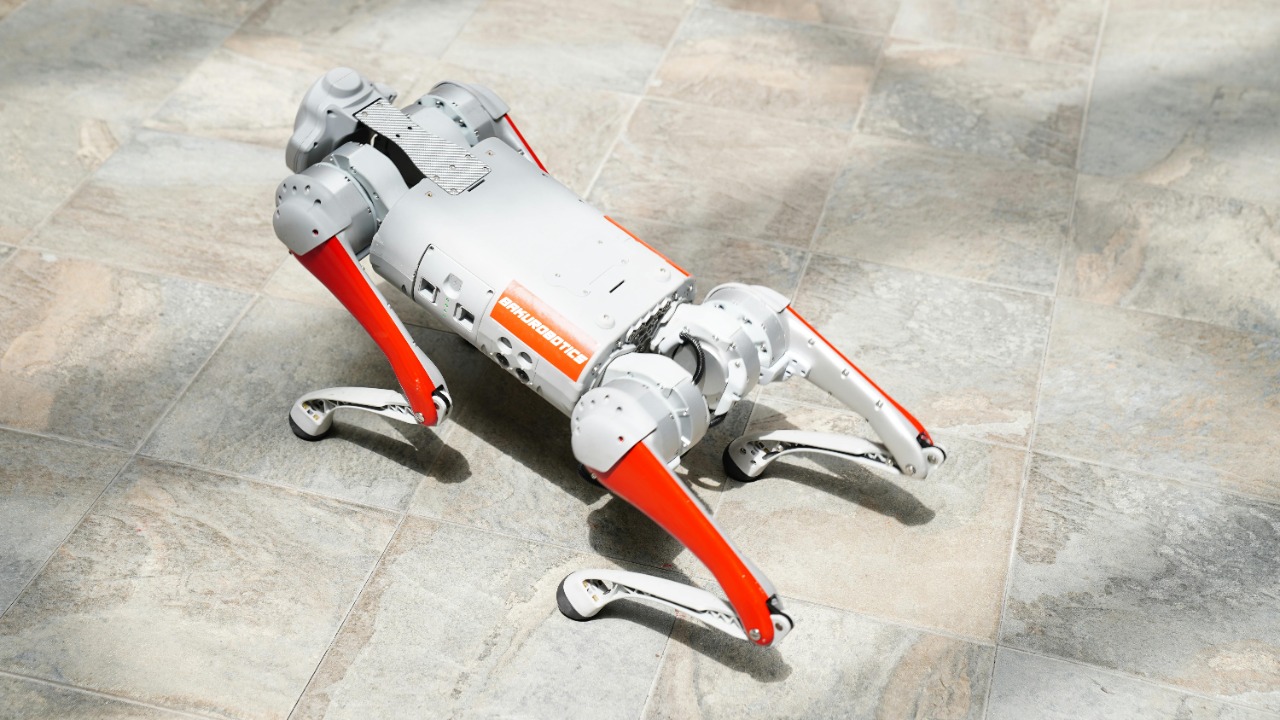
The robotic dogs are engineered with lightweight aluminum alloy frames and four articulated legs, providing stability and agility on uneven surfaces. Integrated sensors enable 3D mapping and environmental analysis, crucial for navigating the moon’s rugged landscape. These features are complemented by AI-driven autonomy, including machine learning algorithms for adaptive pathfinding and swarm coordination with other robots, enhancing their operational efficiency (Daily Galaxy).
Power systems for these robotic dogs include solar-rechargeable batteries, ensuring sustained operations during lunar missions. Their modular design allows for various attachments, such as drills or cameras, to support scientific sampling and exploration tasks. This versatility makes them valuable assets for future lunar missions, capable of performing a wide range of functions essential for both exploration and potential resource utilization (Chosun).
Testing Environment and Methodology

The testing site, located in China’s northwestern desert region, was selected for its rocky, cratered landscape that closely resembles lunar regolith and low-oxygen conditions. This environment provided an ideal setting for simulating the moon’s surface, allowing the robotic dogs to demonstrate their capabilities in a realistic context. Simulation techniques included reduced gravity emulation via harness systems and dust injection to replicate the behavior of moon soil, ensuring that the tests accurately reflected the challenges of lunar exploration (Daily Galaxy).
During the trials, the robotic dogs were tasked with traversing uneven terrain for distances of up to 5 kilometers, performing tasks such as resource detection and data collection. These activities were monitored in real-time via satellite links, providing valuable insights into the robots’ performance and capabilities. The successful execution of these tasks demonstrated the potential of robotic dogs to operate independently in extraterrestrial environments, paving the way for their use in future lunar missions (Chosun).
Key Outcomes and Technological Advances
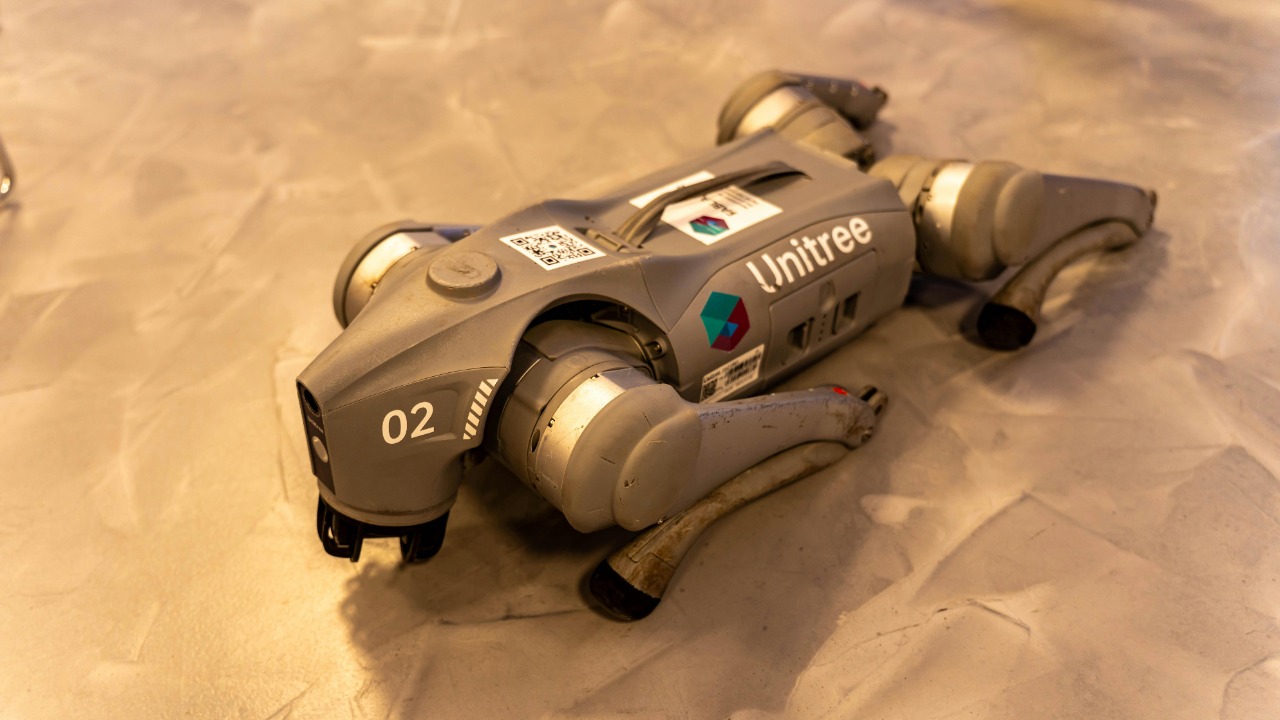
The tests yielded several successful outcomes, including the robotic dogs’ ability to navigate 30-degree inclines and avoid hazards at speeds of 1.5 meters per second without human intervention. Performance metrics from the trials indicated a 95% accuracy in obstacle detection and endurance for 8-hour operations in simulated lunar nights. These results highlight the effectiveness of the robotic dogs’ design and technology, showcasing their potential to support complex lunar missions (Daily Galaxy).
Identified areas for improvement, such as enhanced joint durability against abrasive dust, will inform upgrades for the next prototype iteration. These enhancements are crucial for ensuring the long-term reliability and functionality of the robotic dogs in the harsh lunar environment. By addressing these challenges, China aims to refine its robotic systems further, enhancing their readiness for deployment in future space exploration endeavors (Chosun).
Implications for Global Space Exploration
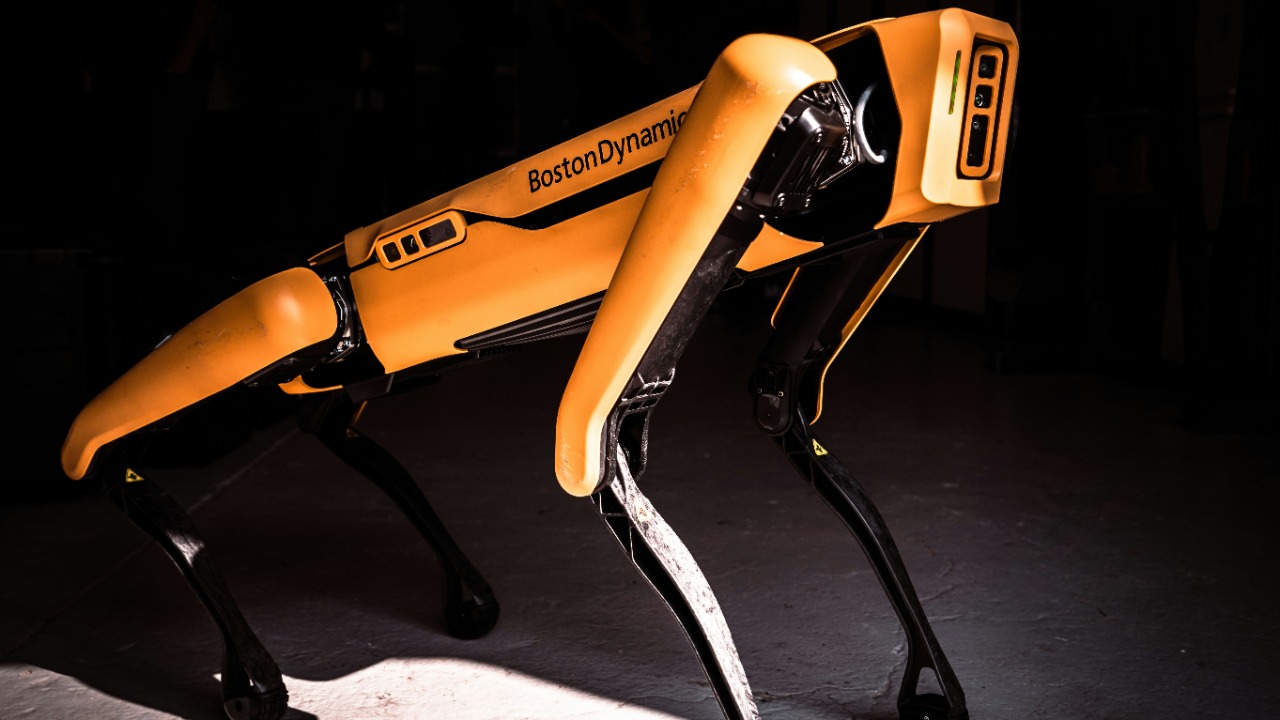
The deployment of robotic dogs in lunar missions could significantly support China’s efforts to construct a lunar base by scouting sites and transporting materials ahead of human arrival. This capability positions China as a leader in the development of autonomous space technology, with potential applications extending beyond the moon. The advancements made through these tests could also inform international efforts, such as NASA’s quadruped robot prototypes, fostering opportunities for collaboration or competition in the field of autonomous space exploration (Daily Galaxy).
Beyond lunar missions, the technology demonstrated by China’s robotic dogs could be adapted for use in Mars exploration, where similar terrain challenges exist. The proven reliability of these systems in extreme conditions underscores their potential to contribute to broader space exploration goals, offering valuable insights and capabilities that could benefit missions across the solar system (Chosun).
